


The water came first. The Pequot people lived and fished at the mouth of the Thames, and the settlement John Winthrop the Younger began here in 1646 was called Pequot until it was renamed New London in 1658 — for the city in England, on a river the colonists renamed the Thames to match. With one of the best deep-water harbors on the coast, New London became a shipbuilding and shipping town, and in the Revolution a base for privateers who captured hundreds of British vessels. That made it a target: on September 6, 1781, a British force led by the turncoat Benedict Arnold — born just up the river in Norwich — burned much of the city and stormed Fort Griswold across the Thames in Groton. New London rebuilt; chartered as a city in 1784, it turned back to the sea.
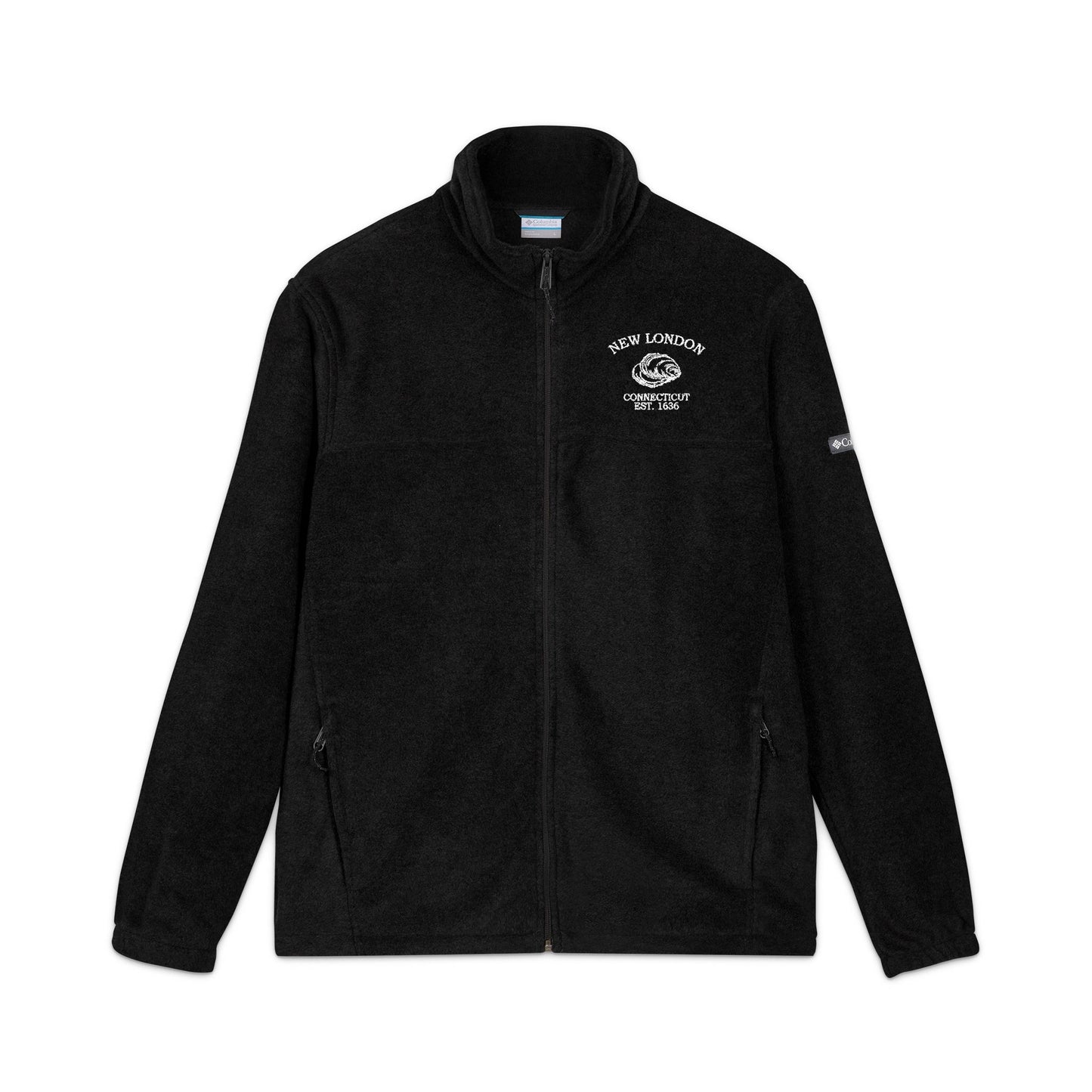
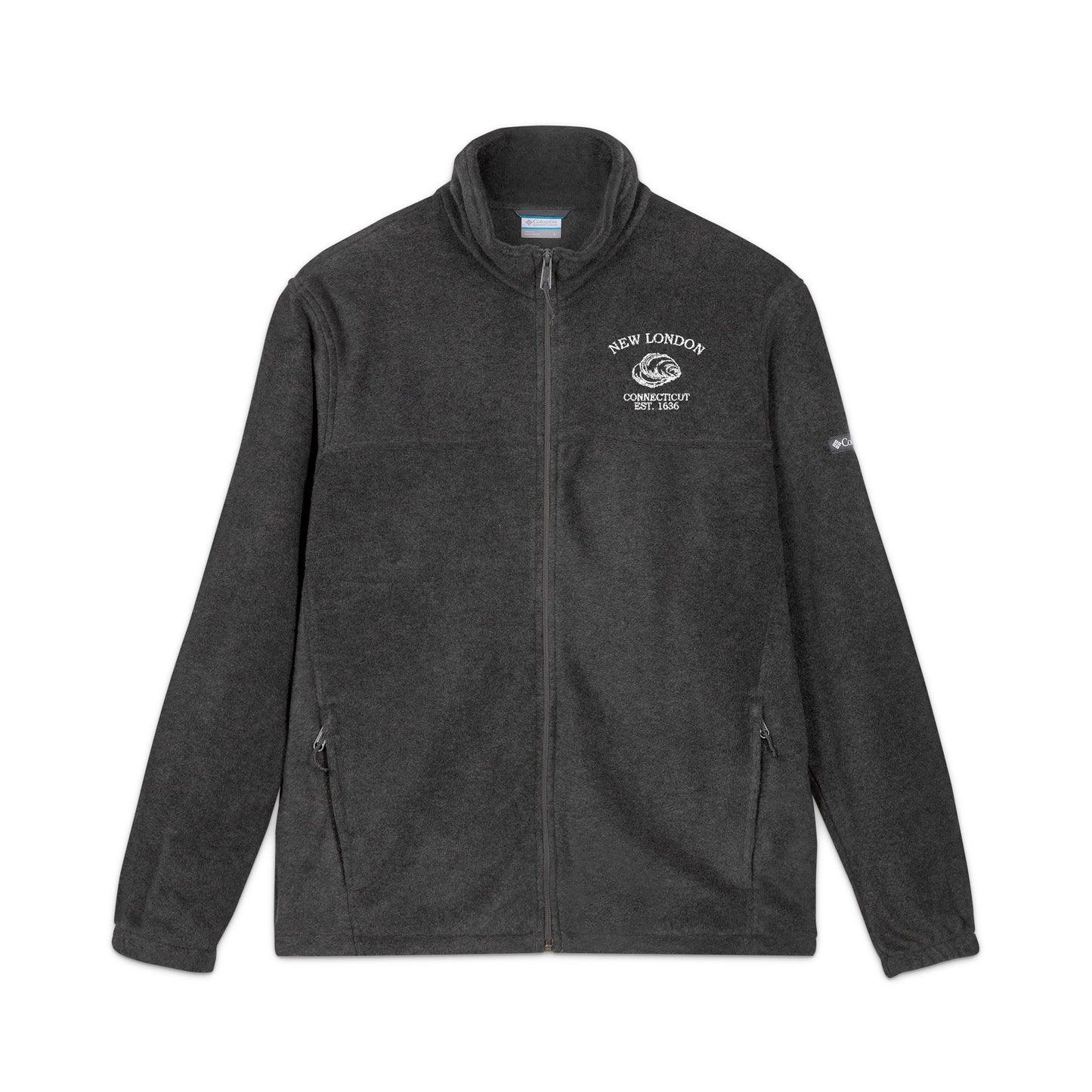
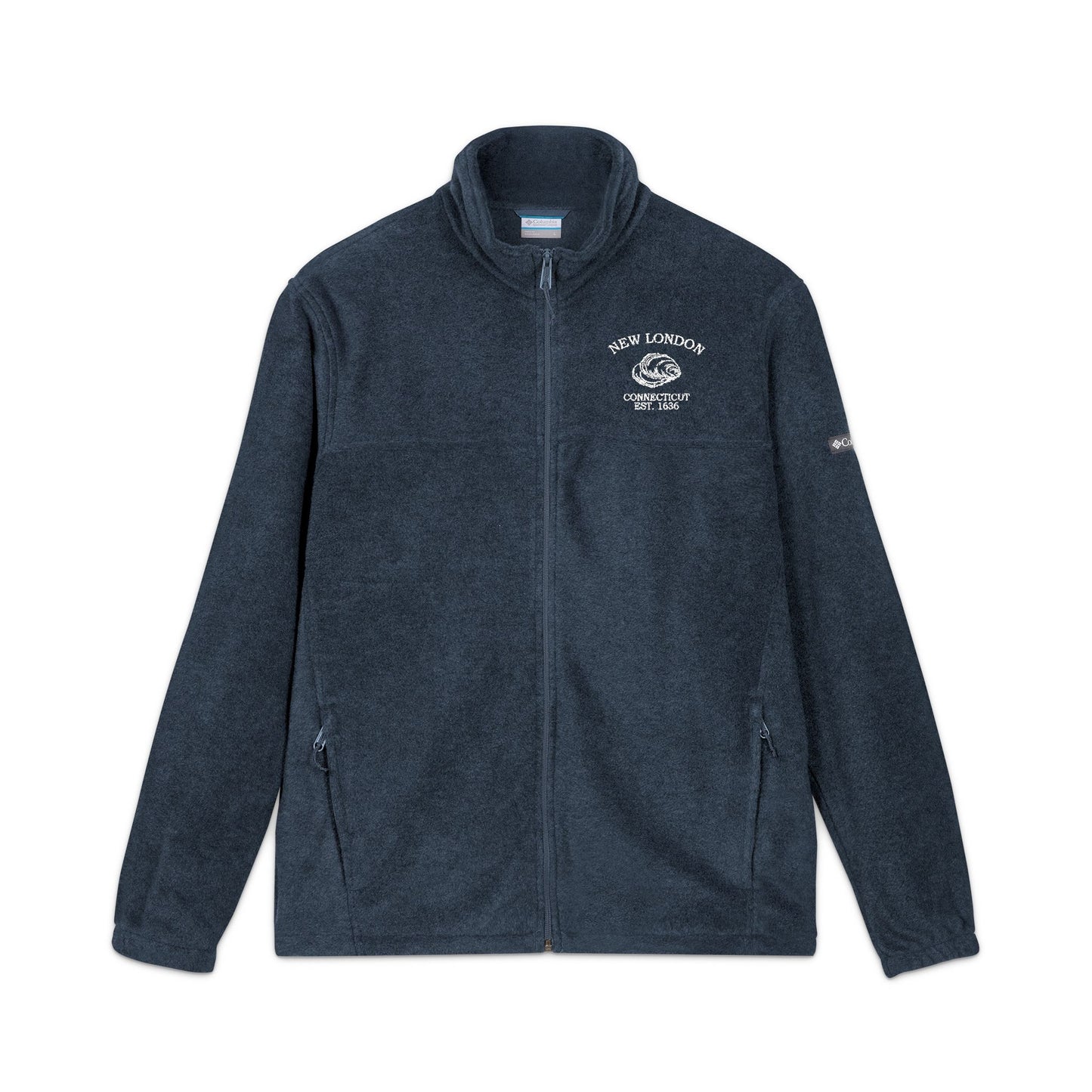
Our New London logo carries Connecticut's oyster shell over “1636” — the shared emblem of every Merlin Classics Connecticut town, marking the founding year of the Connecticut Colony. The oyster shell is the state's maritime shorthand: abundance, the shoreline, the working coast. Printed black-and-white with the worn look of an old oyster-crate label or a piece of coastal signage, it reads as vintage New England. What makes this one New London is the place behind it: the Whaling City, the Coast Guard Academy, the deep harbor on the Thames. On a tee or a cap it reads less like a souvenir and more like a piece of the Connecticut shoreline — worn plain.
Why People Visit New London Connecticut
People come to New London for its deep maritime history and its working-harbor life — the whaling heritage, the Coast Guard Academy, the lighthouses and ferries, the literary thread of Eugene O'Neill. It is a real seaport, not a recreated one: a small Connecticut city with a great harbor and a long view down the Thames toward the Sound.
