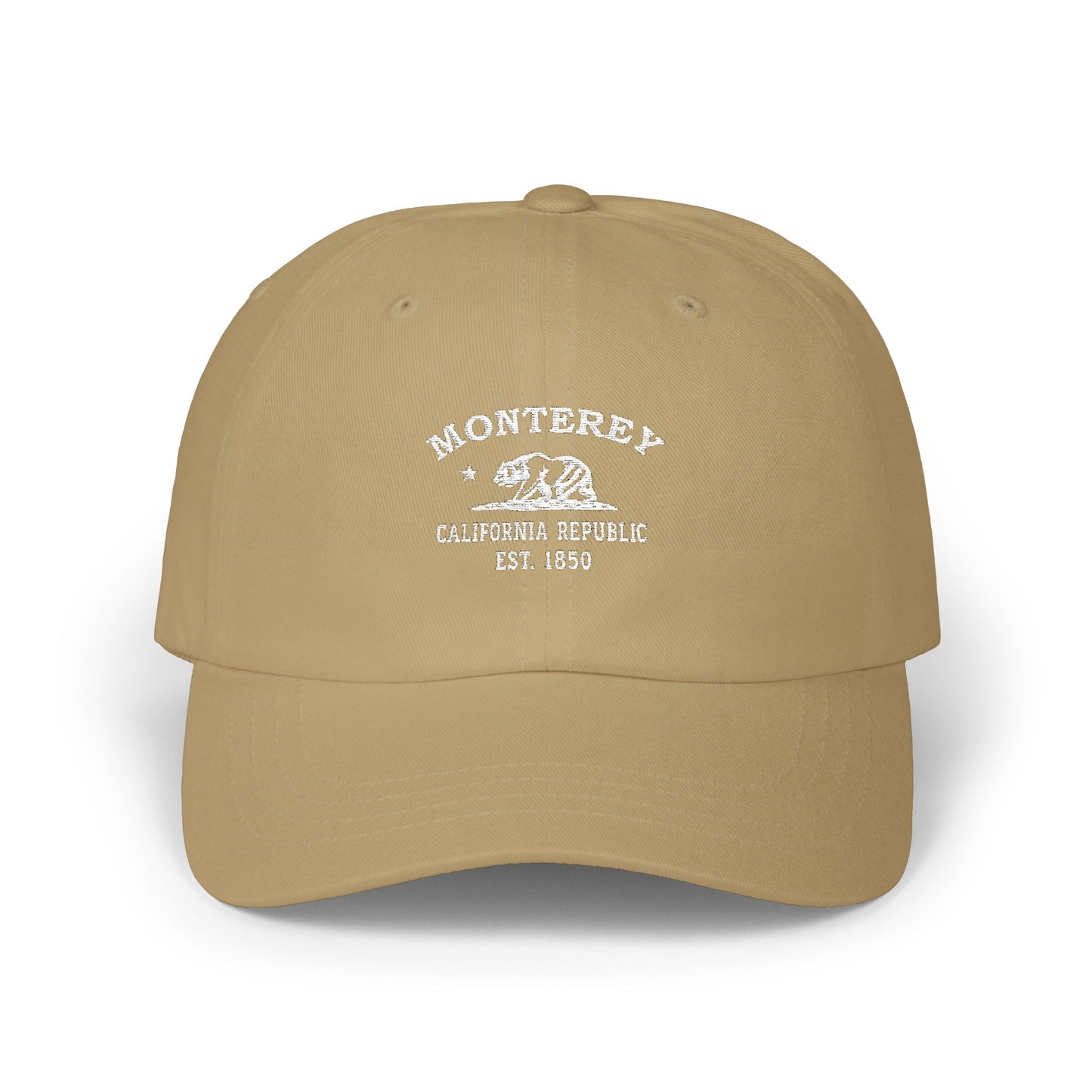
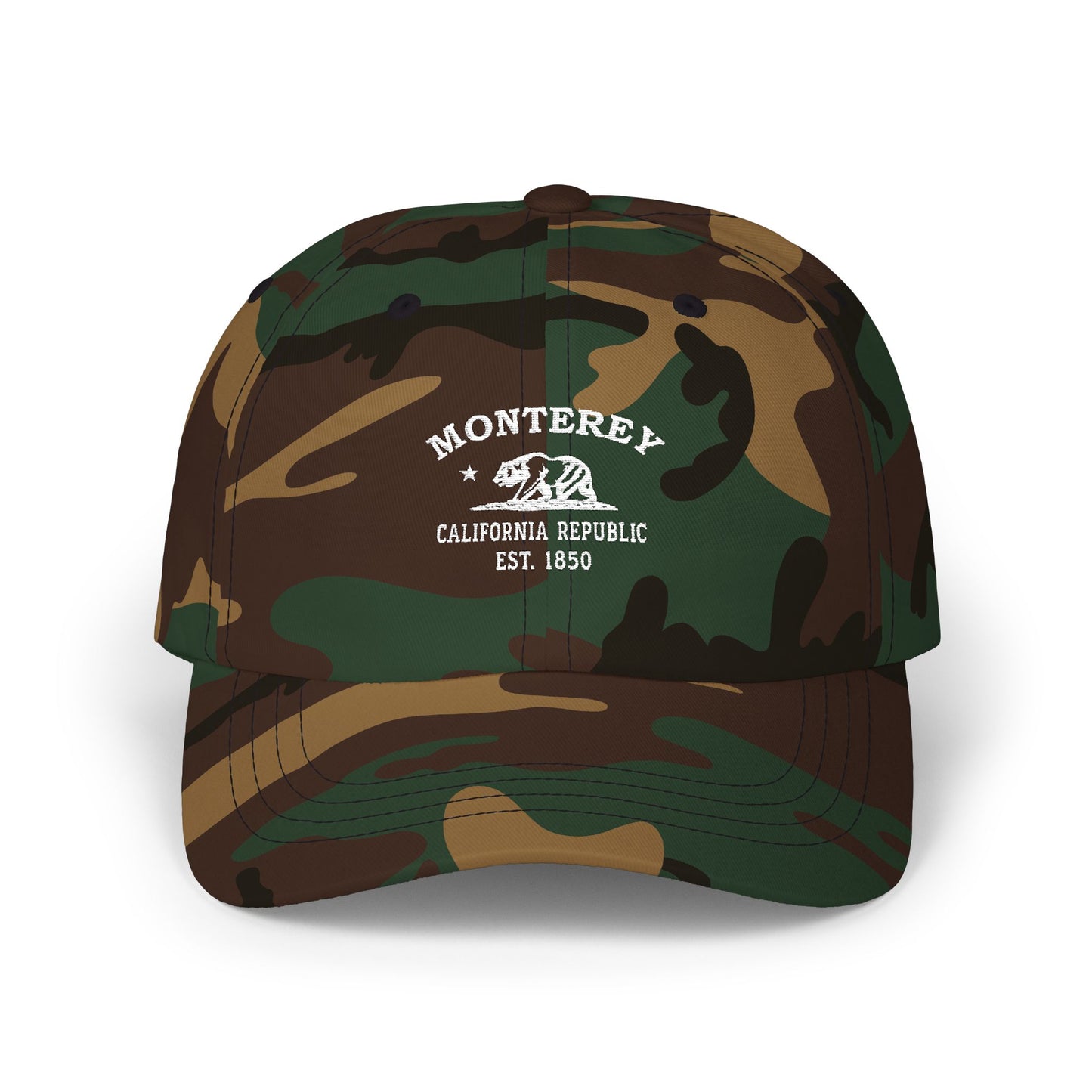
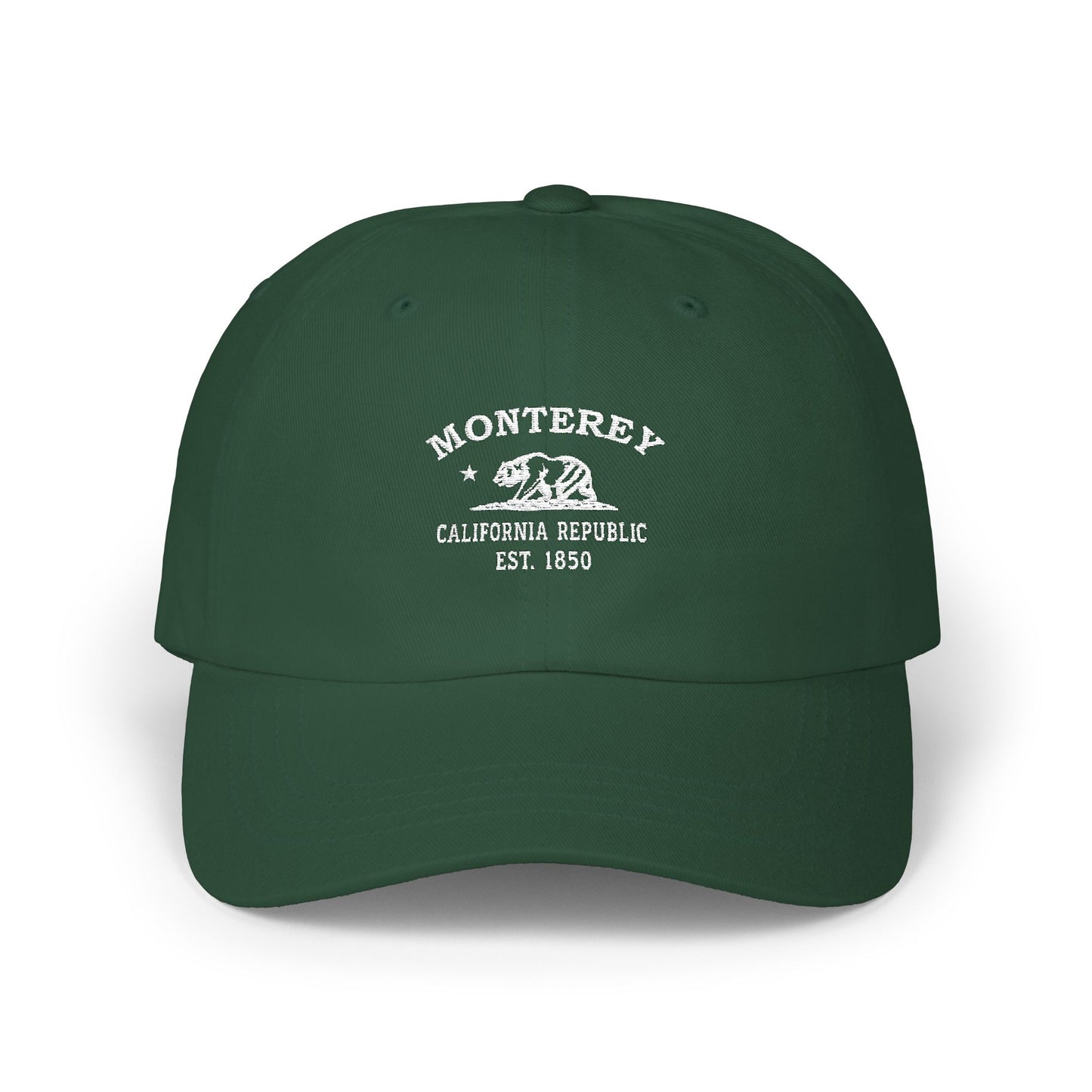
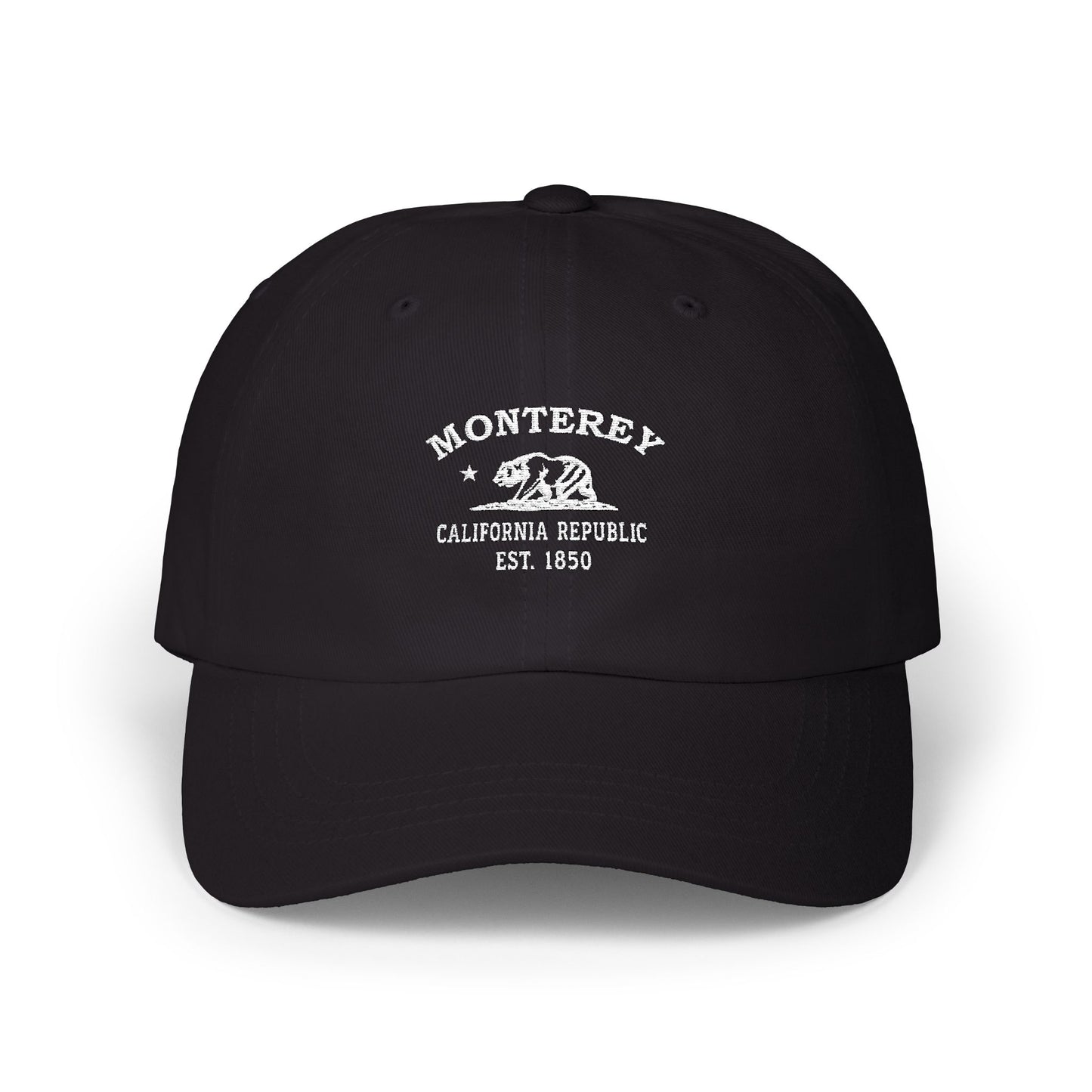
The waterfront tells a different century. Monterey was a Chinese, Japanese, and Sicilian fishing village before the sardine canneries arrived around 1900 and turned the shoreline into an industrial machine. At its peak Cannery Row ran two dozen canneries and reduction plants, and for a while Monterey was one of the busiest fishing ports in the Western Hemisphere — the street later made famous by the Monterey novelist John Steinbeck. When the fishery collapsed at mid-century the canneries closed, and the buildings waited decades for their second life as the Row you walk today.
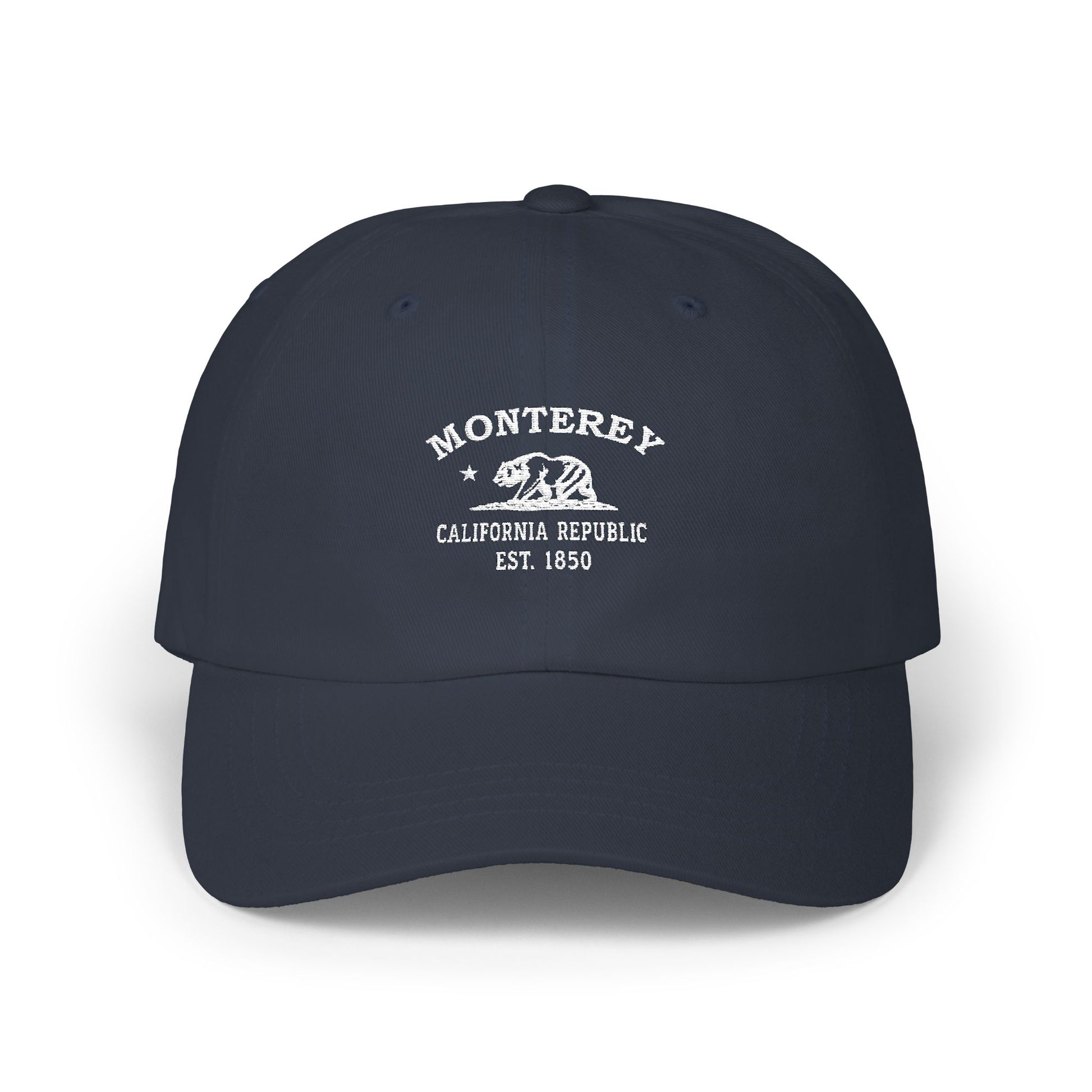
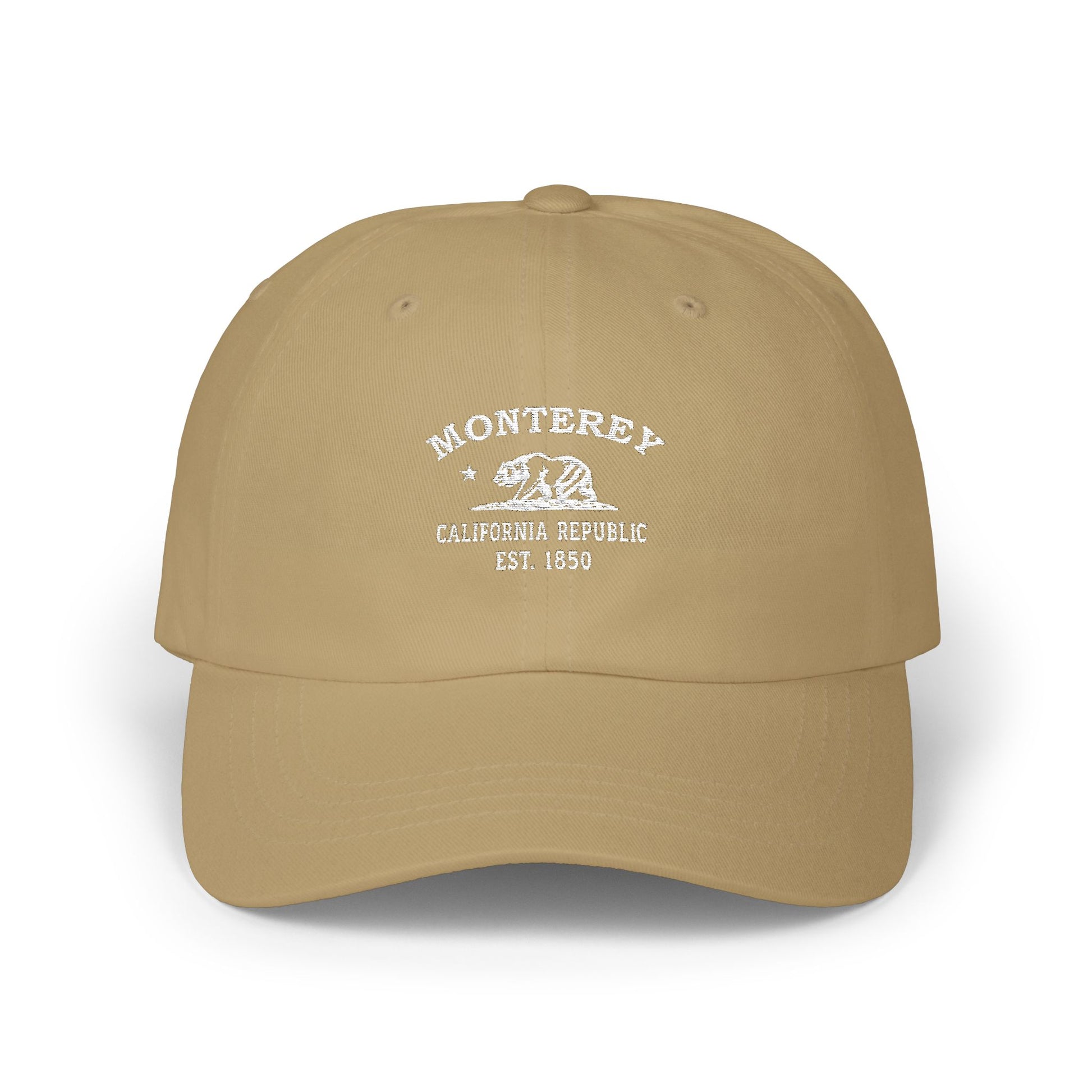
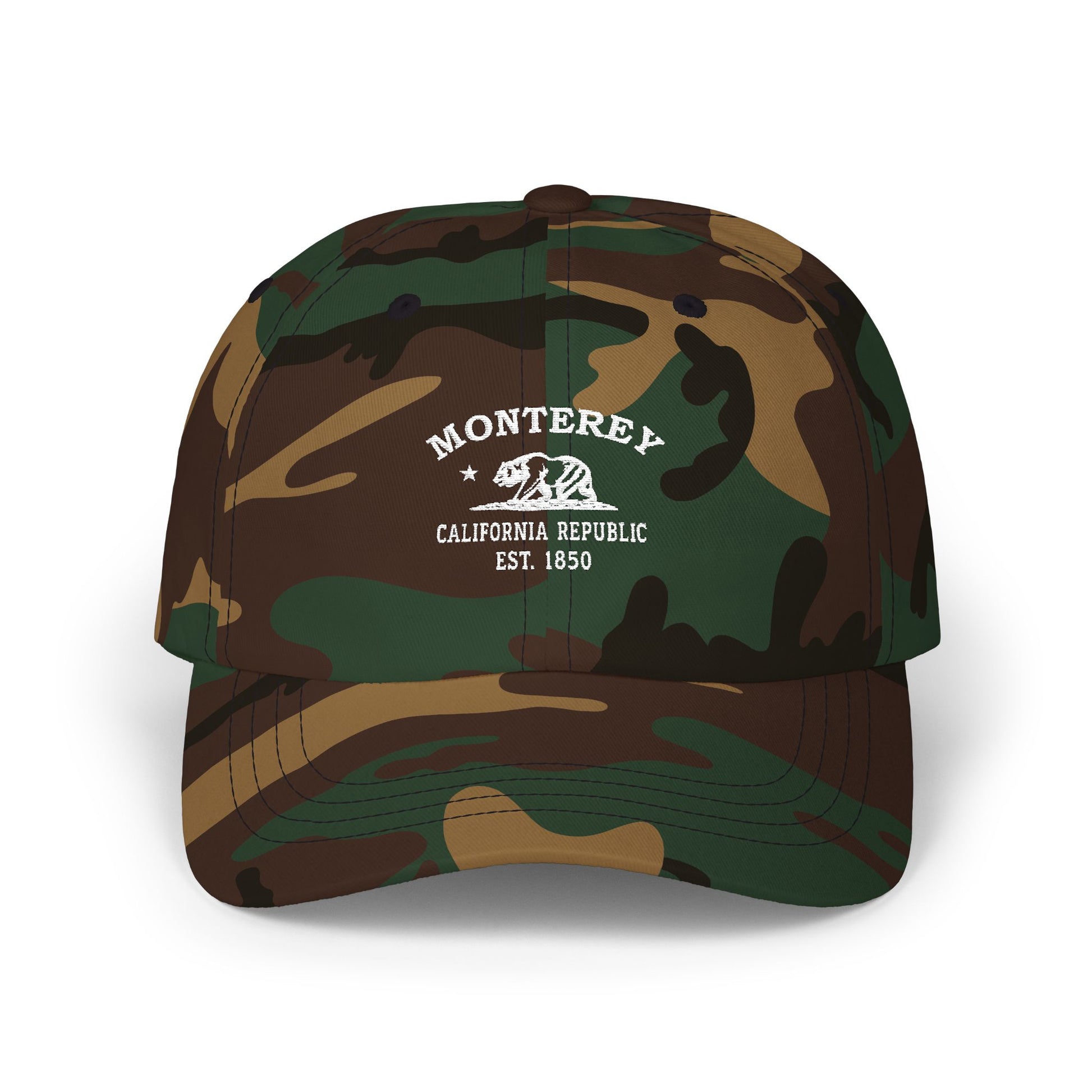
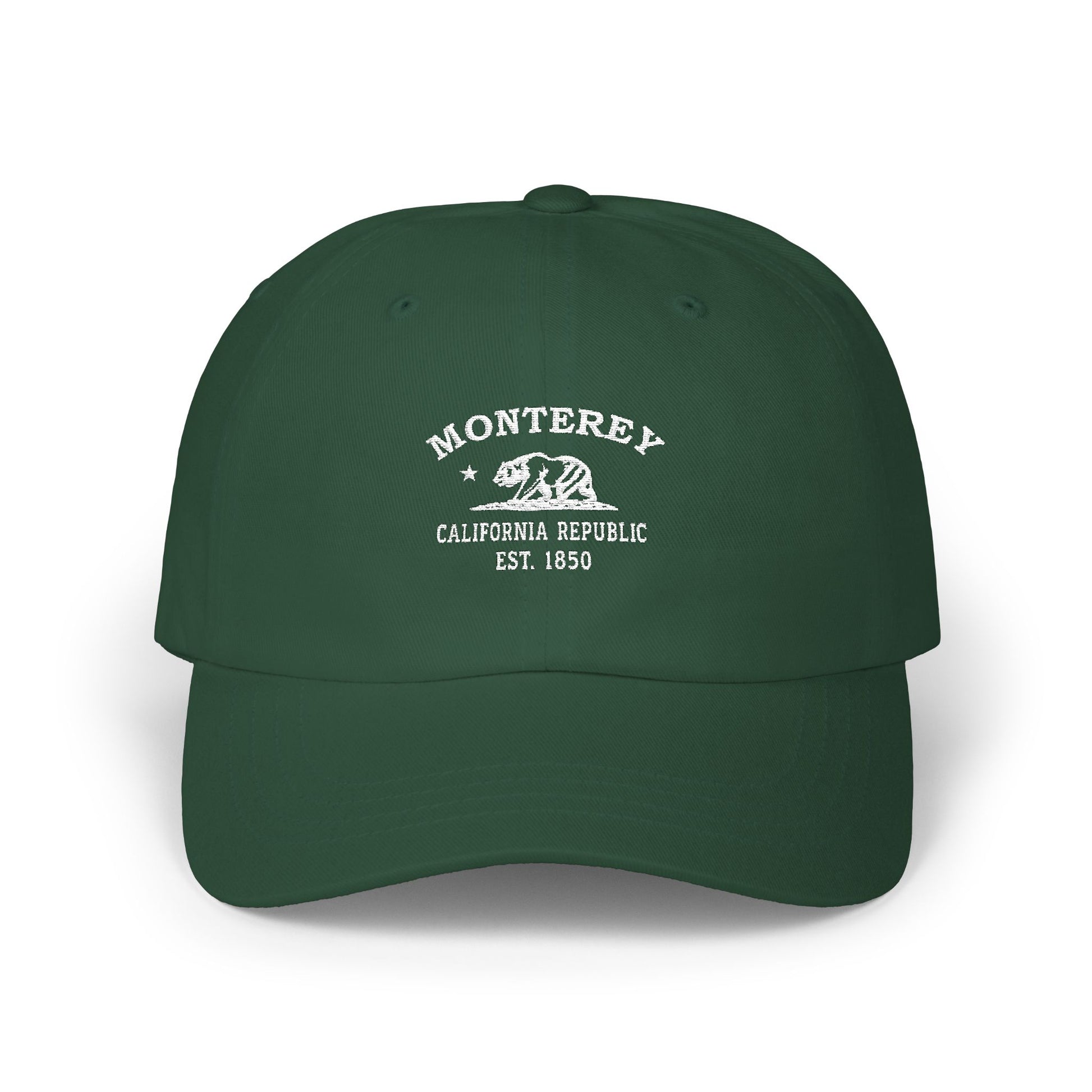
From the room where California wrote its constitution to the canneries that fed the bay, Monterey is the original California — adobe walls, cannery tin, and the deep blue water that ran through all of it. Our Monterey designs gather that layered history into wearable form. From California's first capital to the Sardine Capital of the World: wear a little of Monterey's original-California history.
Why People Visit Monterey
Monterey rewards visitors who want the original California — the first capital, a town of 18th-century adobes, and a deep, wild bay. People come for the Path of History and Cannery Row, for Point Lobos and the marine sanctuary, and for an easy, scenic stretch of Central Coast where Spanish-colonial heritage and a famous waterfront sit side by side.
