




Molokaʻi's story begins more than a thousand years ago in Hālawa Valley, on the island's far east end — one of the oldest known Hawaiian settlements, a green amphitheater of taro terraces and twin waterfalls where Native Hawaiians first put down roots. Along the gentler south shore they built something extraordinary: a chain of some sixty fishponds, loko iʻa, walled off from the sea with stone so that fish could be raised and harvested year-round. Seven and eight centuries old, they remain among the most sophisticated aquaculture ever devised in the Pacific. Taro in the valleys, fish in the ponds, the reef and the upland forest — Molokaʻi fed itself well, and the knowledge of how to do it has never entirely left the island.
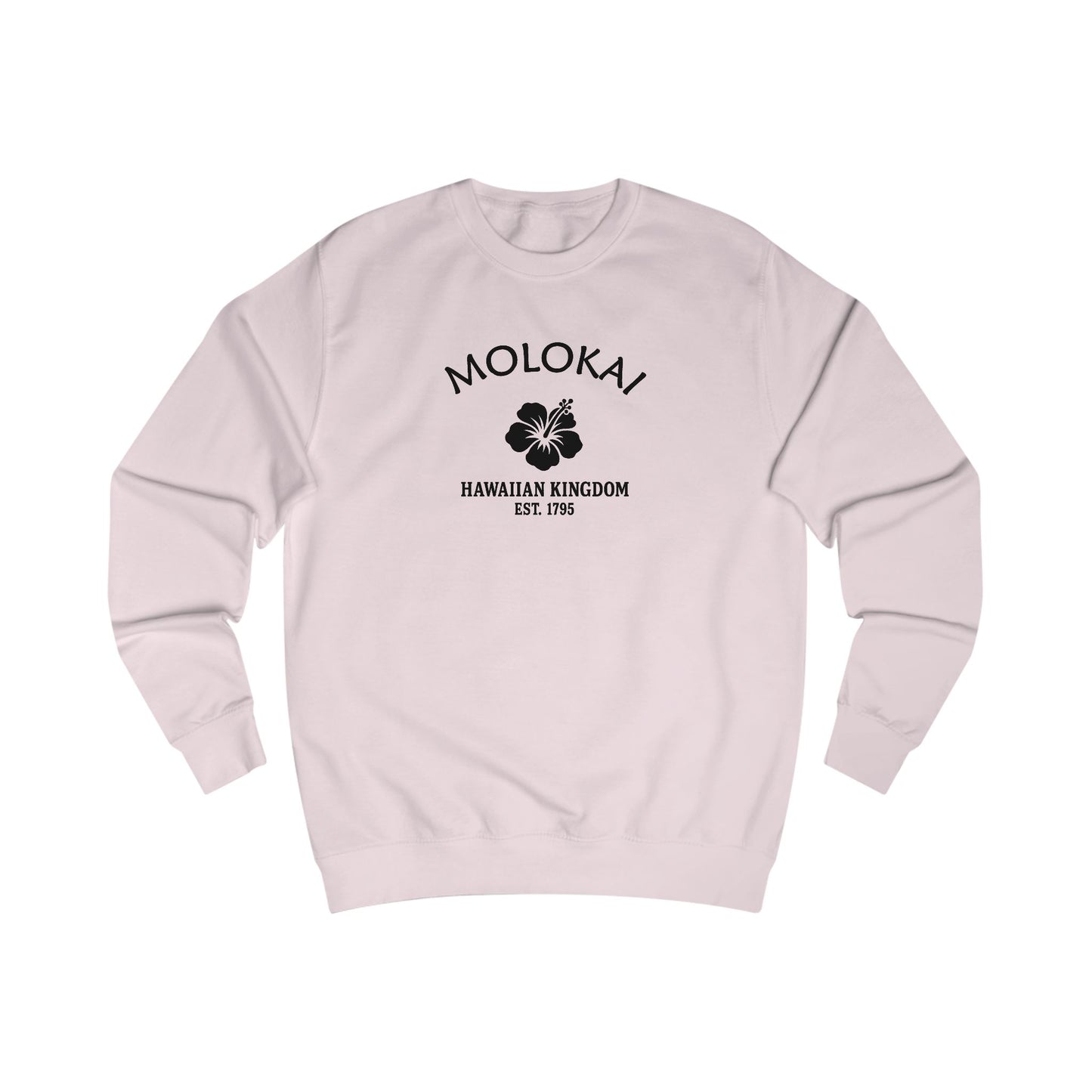
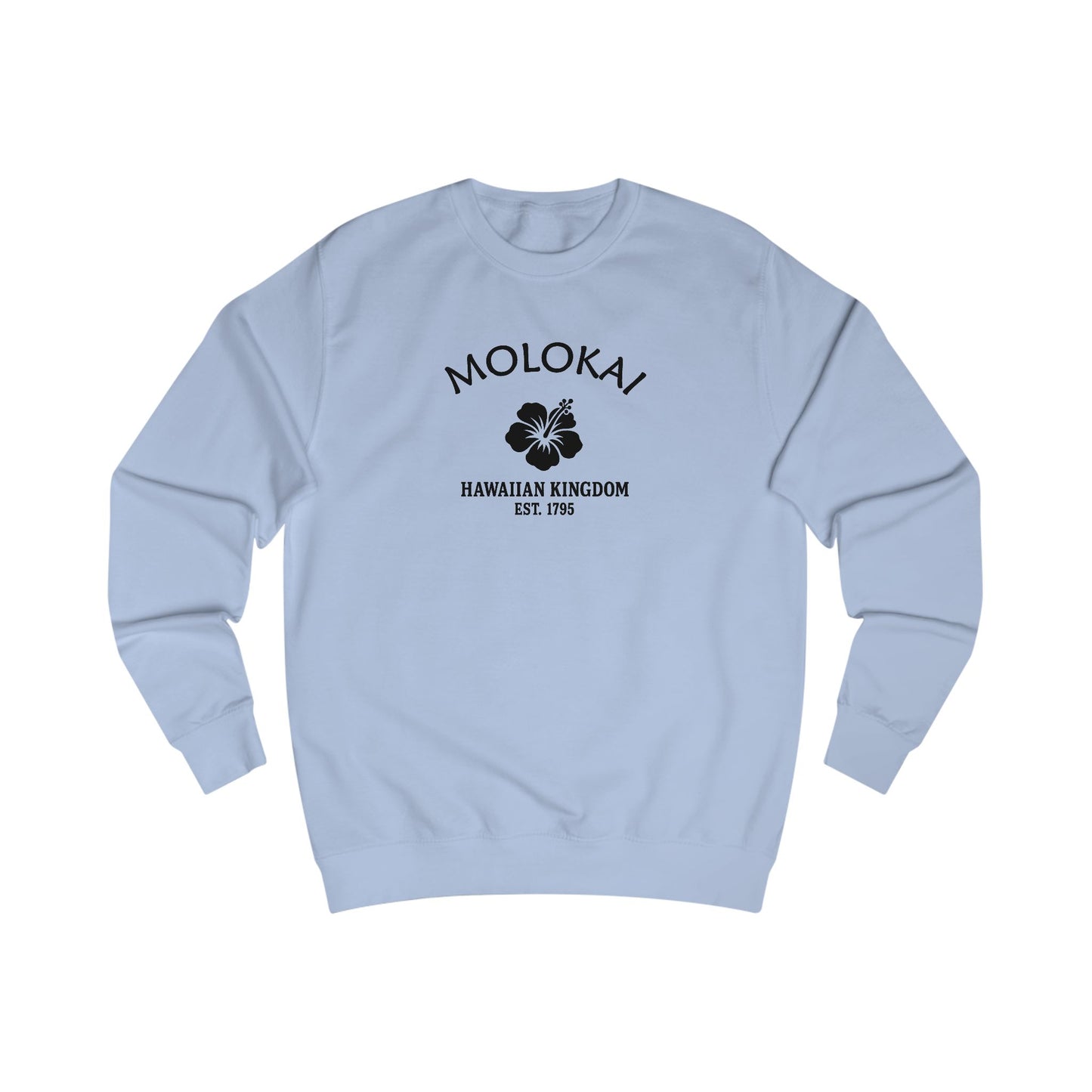
Our Molokaʻi logo carries the Hawaiian hibiscus over "Hawaiian Kingdom · Est. 1795," the shared emblem of every Merlin Classics Hawaiʻi place, marking the 1795 unification of the islands under Kamehameha. Printed in clean retro black-and-white like an old crate label, the hibiscus stands for the islands as a whole; what makes this one Molokaʻi is everything around it — the taro loʻi and the south-shore fishponds, the tallest cliffs in the world, the outrigger crews who cross the channel each fall, and the deep quiet of an island that chose to stay itself.
Why People Visit Molokaʻi
Molokaʻi offers the rarest thing in Hawaiʻi: an island that is still genuinely itself. It pairs deep living culture — hula's birthplace, the fishponds, the homestead lands — with dramatic, near-empty coast and a pace the rest of the islands lost long ago. Quiet, rural, and proud, it is made for travelers who want the real Hawaiʻi and are willing to meet it on its own terms.
