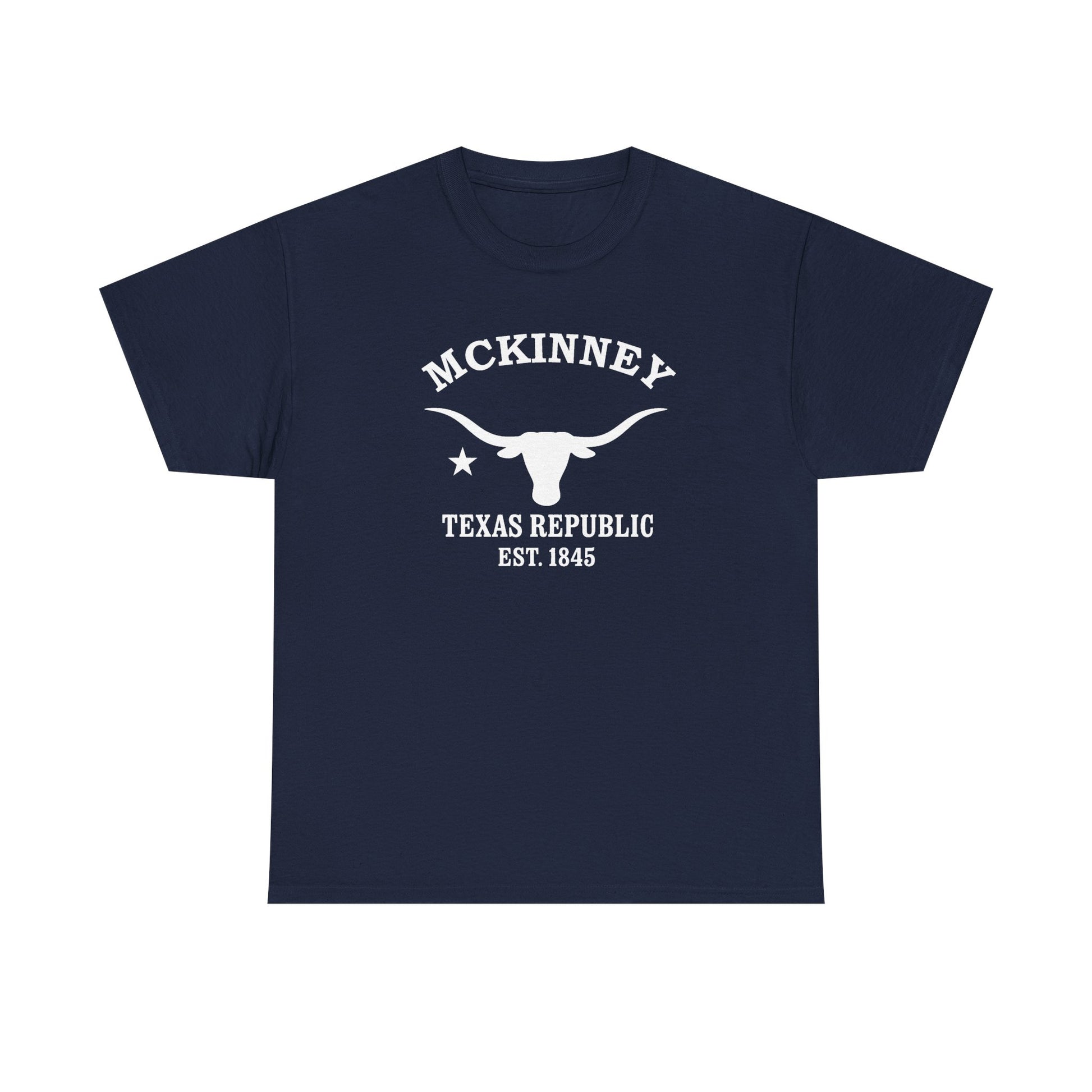
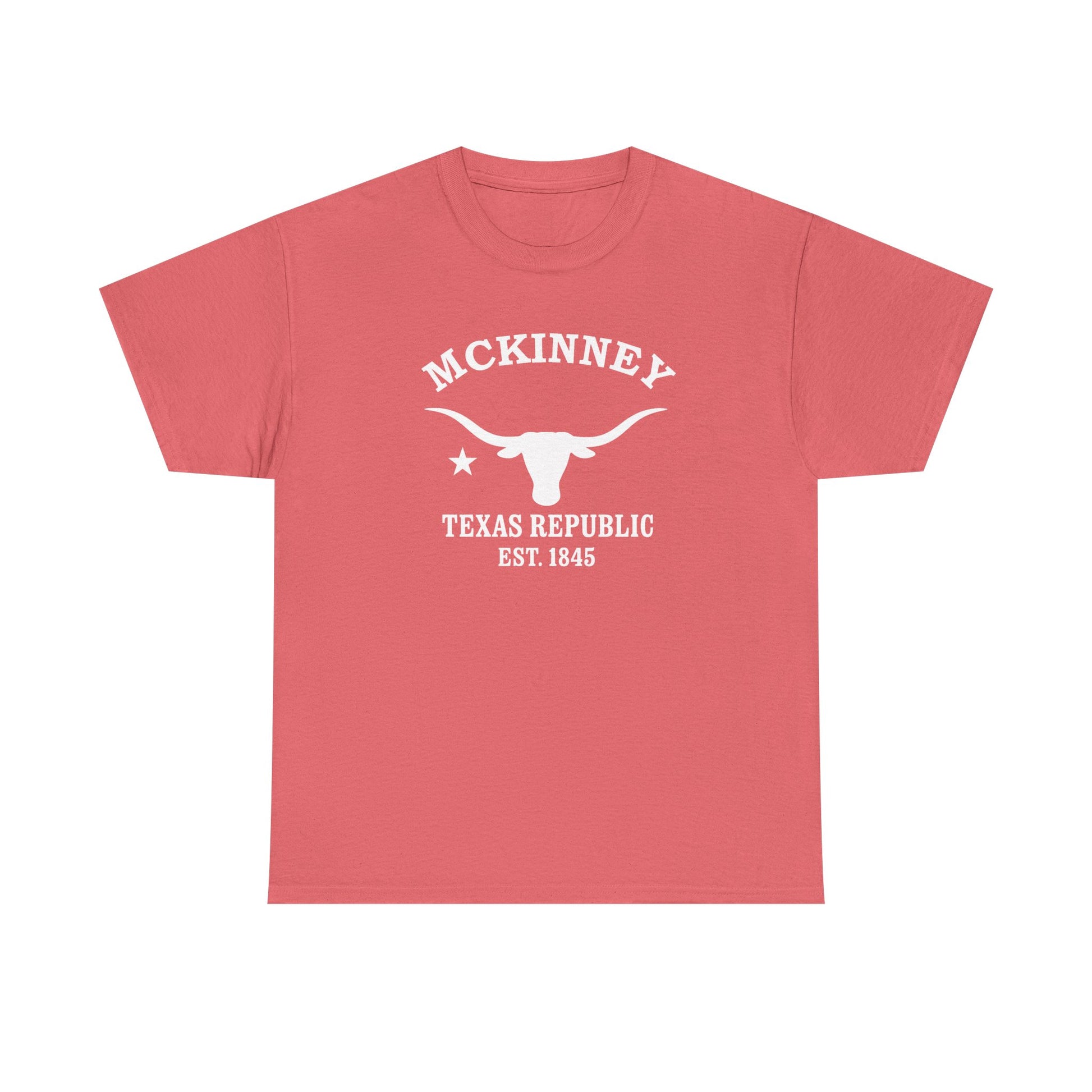
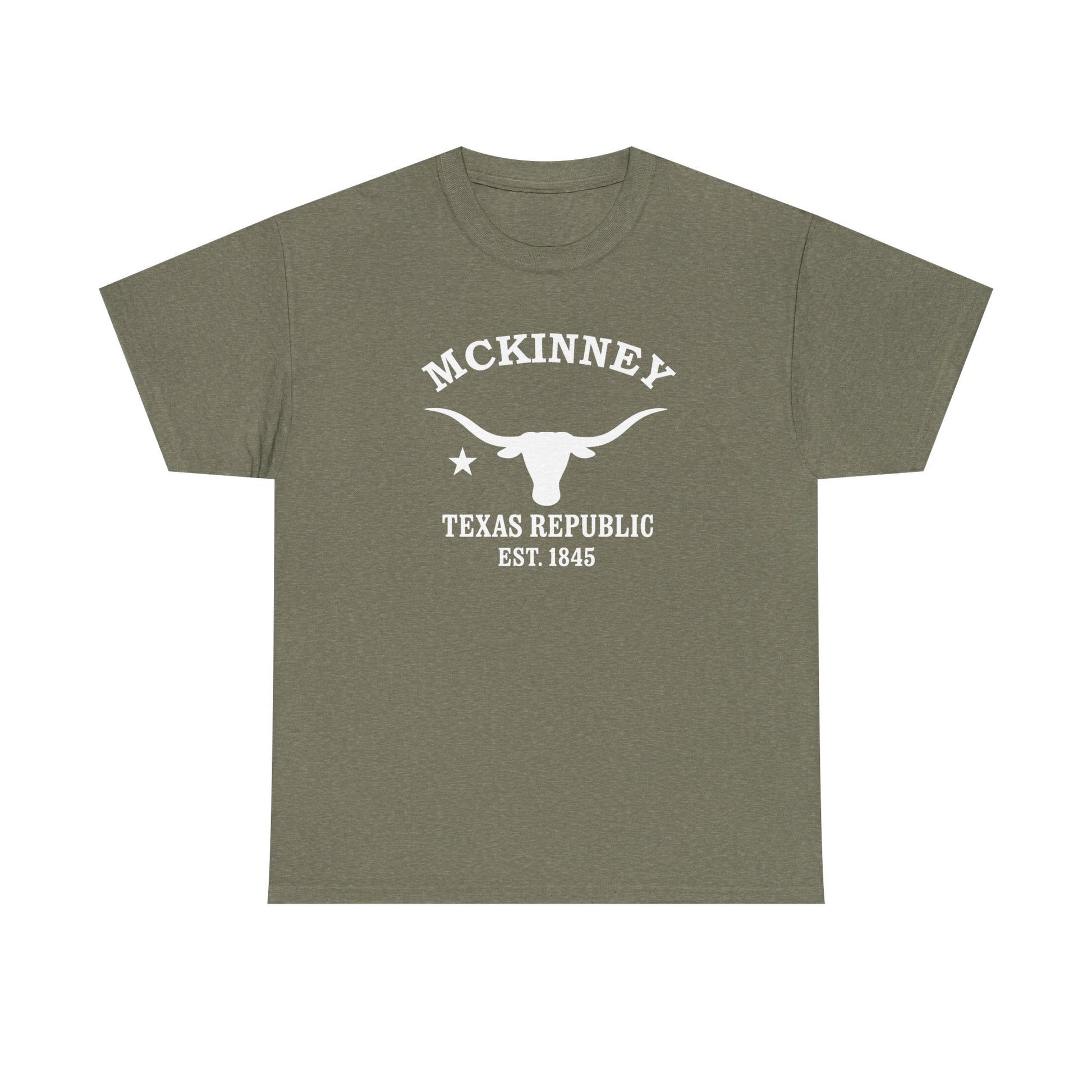
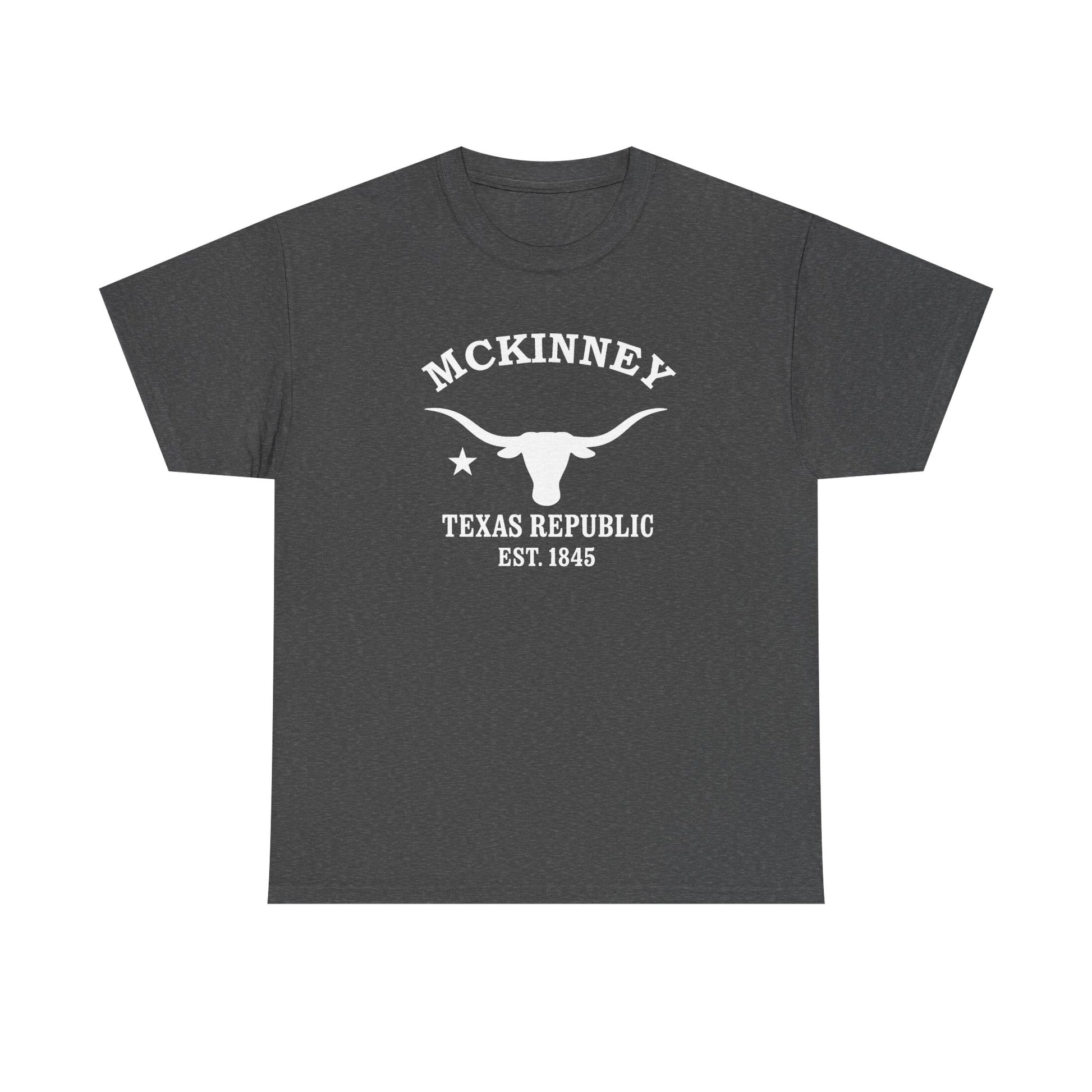
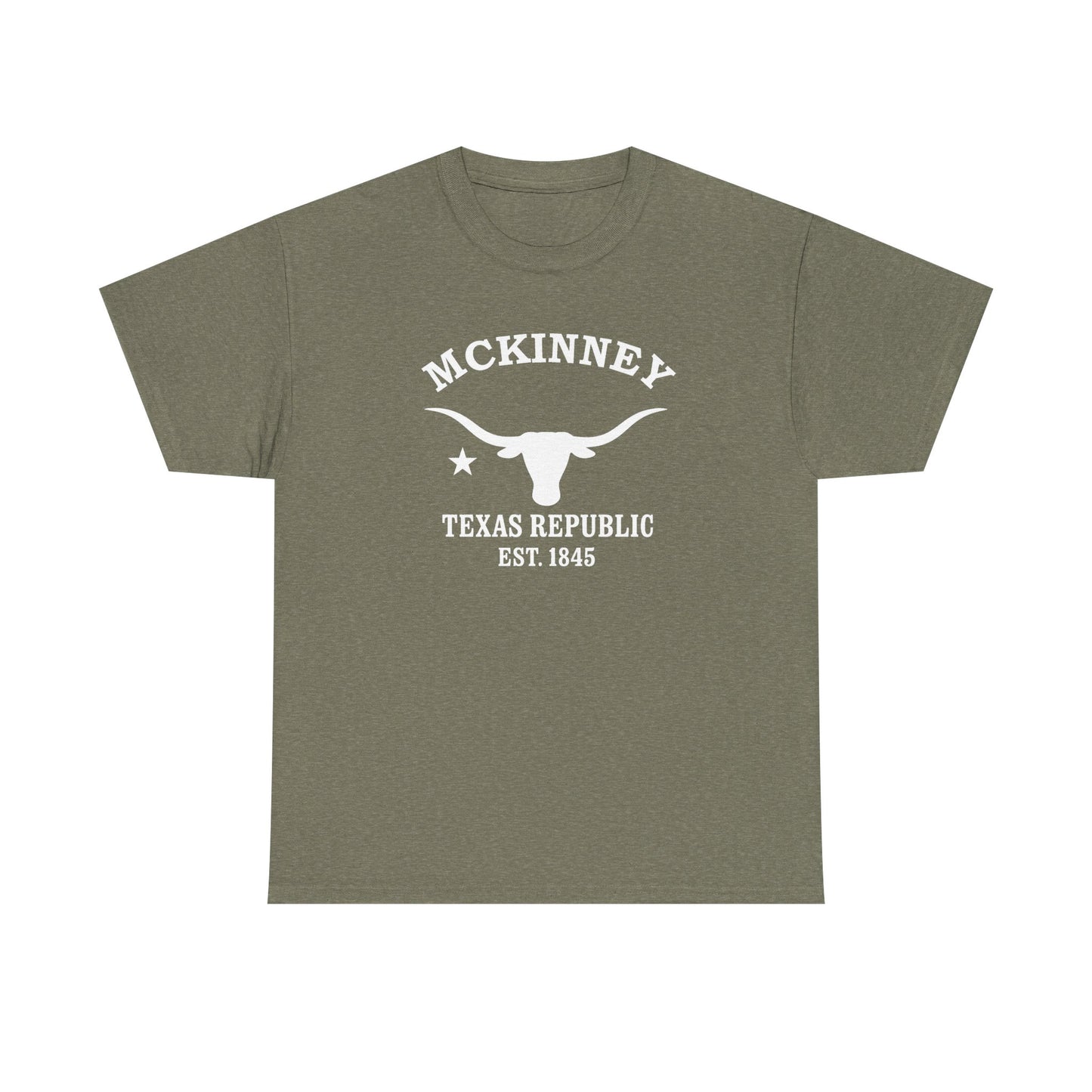
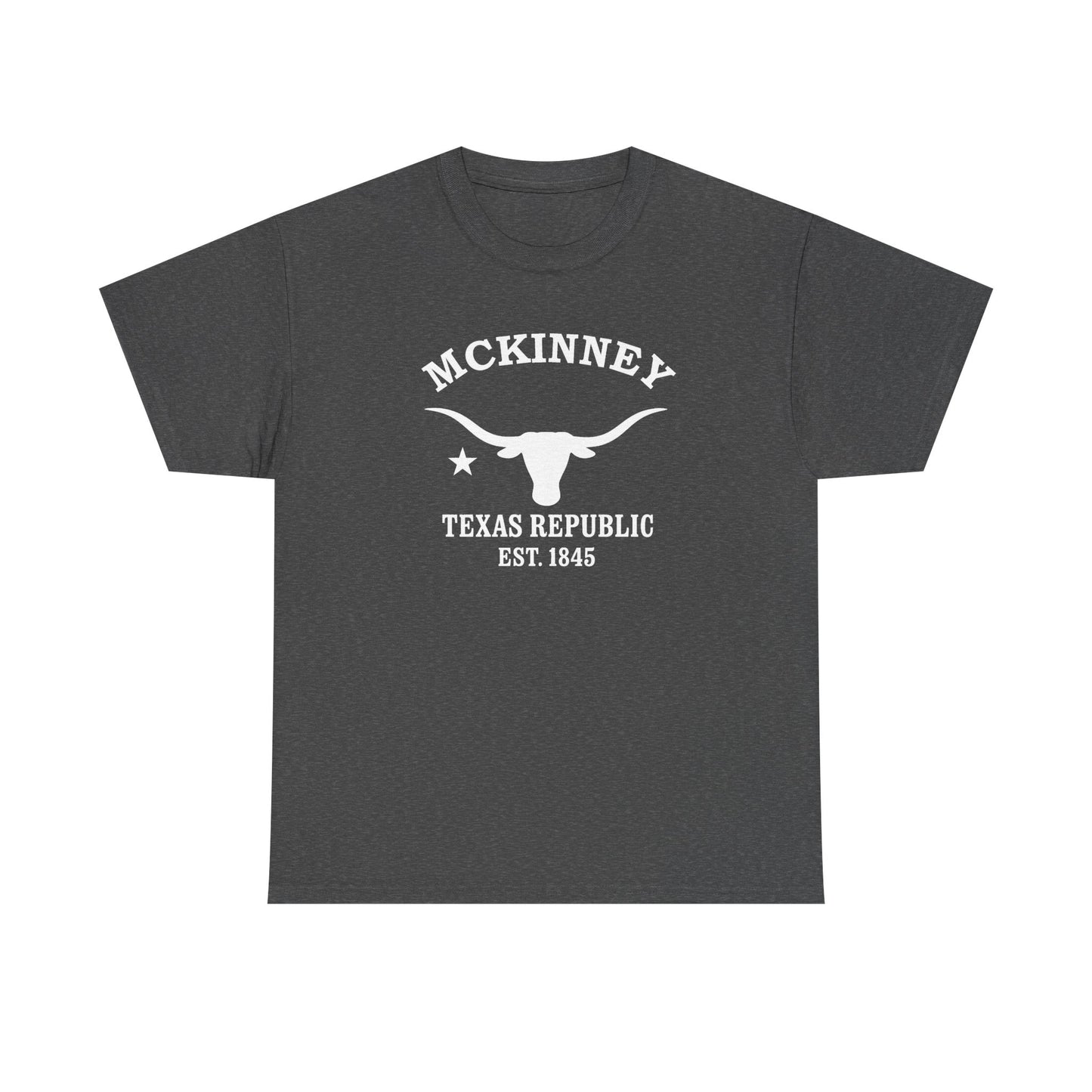
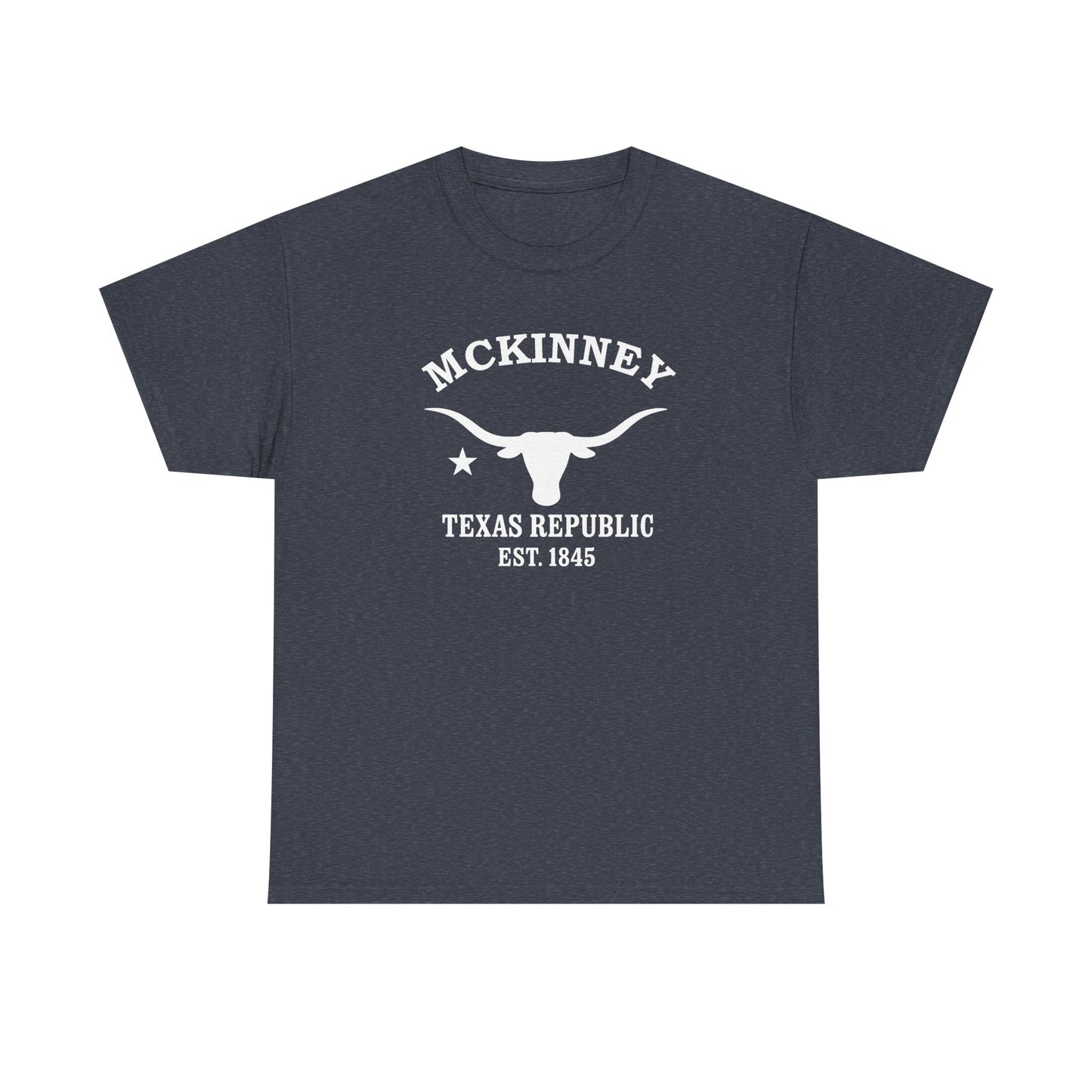
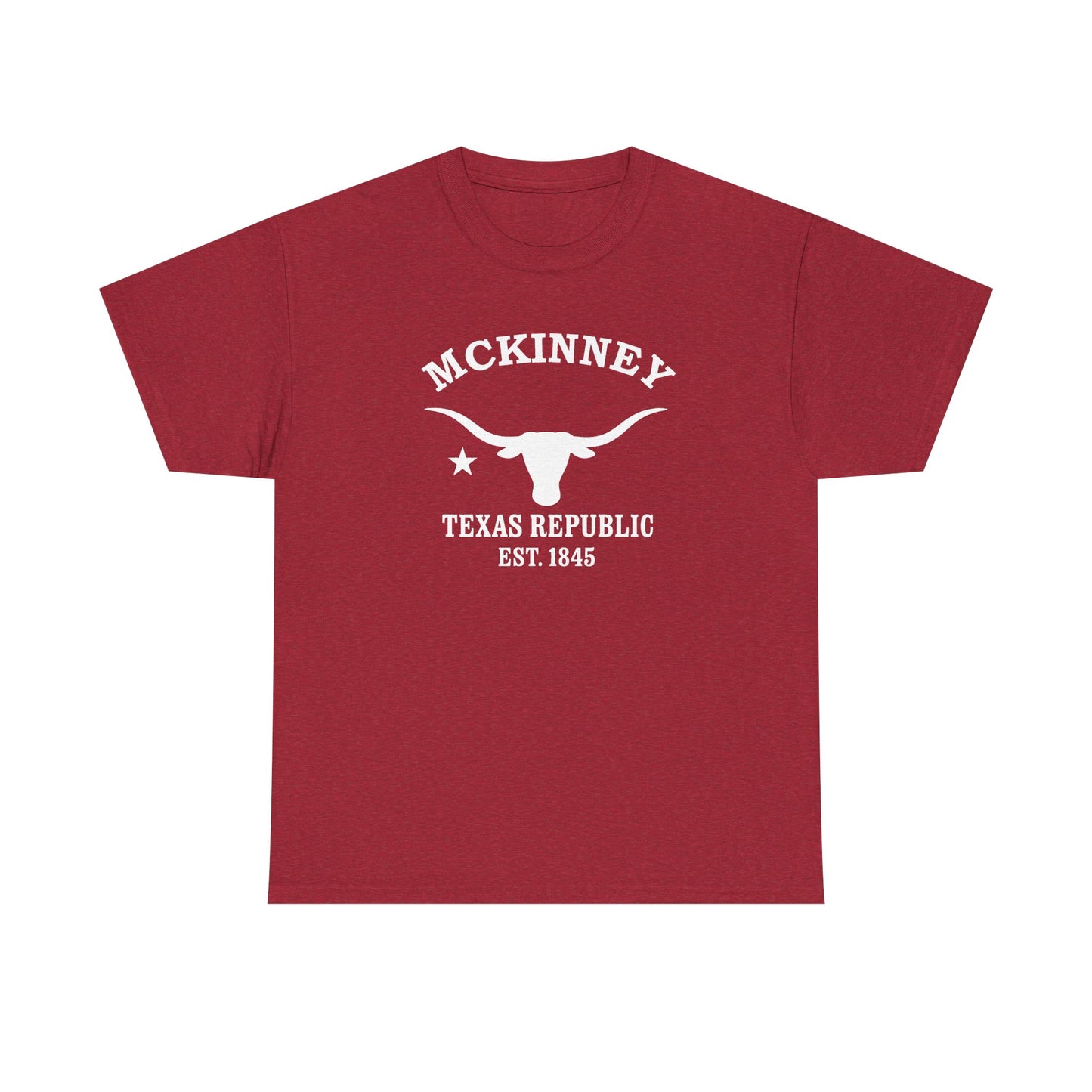
So McKinney gathers a signer of the Texas Declaration, an 1875 courthouse, and one of Texas's finest town squares onto the Blackland Prairie. Our McKinney designs gather that into wearable form. Wear the history. Texas history, on the square — McKinney, TX.
And then McKinney exploded. A Collin County seat thirty miles north of Dallas, it became one of the fastest-growing cities in America and was named the number-one Best Place to Live in America by Money magazine in 2014. Yet for all the new neighborhoods ringing it, the square is still the heart of the place — a farmers market, festivals, live music, and a Saturday crowd that still orbits the same old courthouse. McKinney has topped national lists again and again since, but the answer is always the same: the square, the schools, and Dallas an easy drive away.
Why People Visit McKinney
Visitors choose McKinney for its handsome square, approachable museums, and easy walkability. It balances small-city heritage with everyday outdoor spaces, from the courthouse and Chestnut Square to the Heard sanctuary and the park trails. Families and day-trippers find a friendly layout and an unhurried pace, with year-round appeal in its parks, paths, and public spaces — and the historic square always at the center of it.
