

Ketchikan's lore includes Tlingit legends of salmon spirits guiding fishermen and myths of gold hidden in coastal forests. Families recall fishing festivals, parades, and canning lines bustling in the 1950s. Residents remembered wooden boardwalks, logging traditions, and community fairs. Myths of pirates and storms added color to memory. Lore reflects both myth and memory, highlighting resilience, continuity, and heritage. These stories emphasize Ketchikan's dual identity: Native heritage and frontier industry. Fact and legend alike reveal endurance and pride, ensuring traditions remained central, making Ketchikan a cultural anchor within Alaska's layered identity.
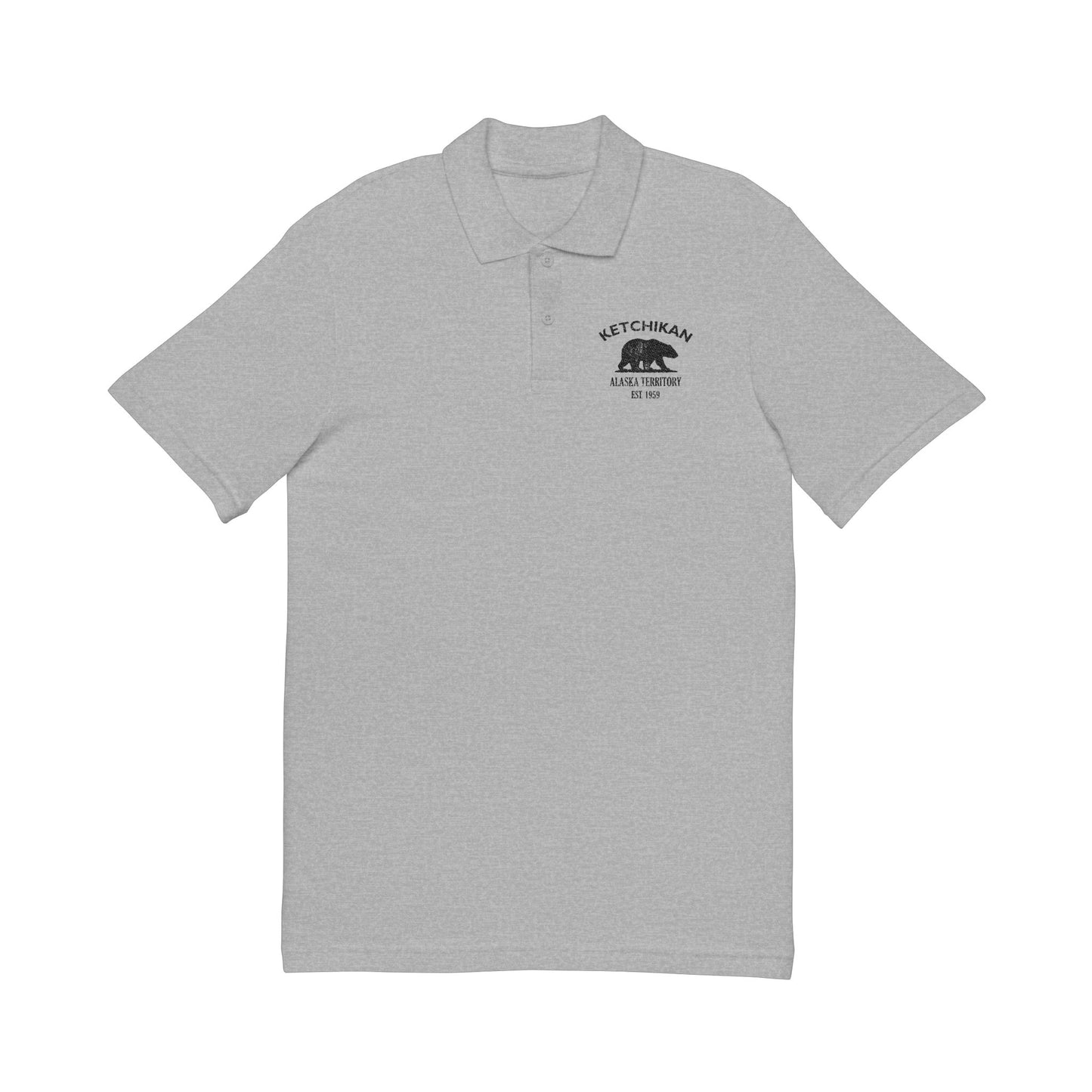
Today Ketchikan is celebrated as a fishing and tourism hub, proud of its Native traditions and frontier endurance. Its story reflects Indigenous heritage, frontier grit, and modern adaptation. Our Ketchikan designs embody this layered identity, pairing the bear motif with vintage styling. They invite you to explore the Ketchikan collection and carry forward a reminder of Alaska's resilience. Retro in tone, the logo reflects toughness and authenticity. Ketchikan's emblem honors both heritage and modern growth, making it a vintage symbol of Alaska's identity. Explore the collection and share in Ketchikan's story of resilience and pride.
Why People Visit Ketchikan Alaska
Ketchikan offers Alaska's First City and the earliest extant incorporated city status (August 25, 1900), the Salmon Capital of the World credential rooted in the Ketchikan Creek cannery era of the early twentieth century, the National Historic Landmark District downtown with its Creek Street boardwalk-on-pilings red-light history of 1903-1954, the world's largest collection of standing totem poles across four distinct totem destinations, the Tongass National Forest rainforest backdrop (the largest national forest in the United States, headquartered in town), Misty Fjords National Monument 40 miles east, the 3,001-foot Deer Mountain backdrop, the Tongass Tlingit cultural continuity along Ketchikan Creek, and the rain-soaked Inside Passage identity that makes the town look like nothing else in America. It is Alaska's First City — and the first port of call for more than a million cruise visitors a summer heading north from the Lower 48.
