


Out past the river mouth is Cook Inlet — named for Captain James Cook, who probed it in 1778 hunting a Northwest Passage that wasn't there — with the white volcanoes Redoubt, Iliamna, and Spurr standing across the water. The inlet brought the next chapter: in 1957, drillers struck oil at the Swanson River north of town, the first commercial oil field in Alaska, and Kenai turned from a fishing village into an oil-and-gas town almost overnight. Canneries and rigs, salmon and crude — the inlet has paid the town's way both ways. And the wild stays close: belugas still surface off the river mouth, and the Kenai National Wildlife Refuge runs back from the edge of town into moose-and-bear country.
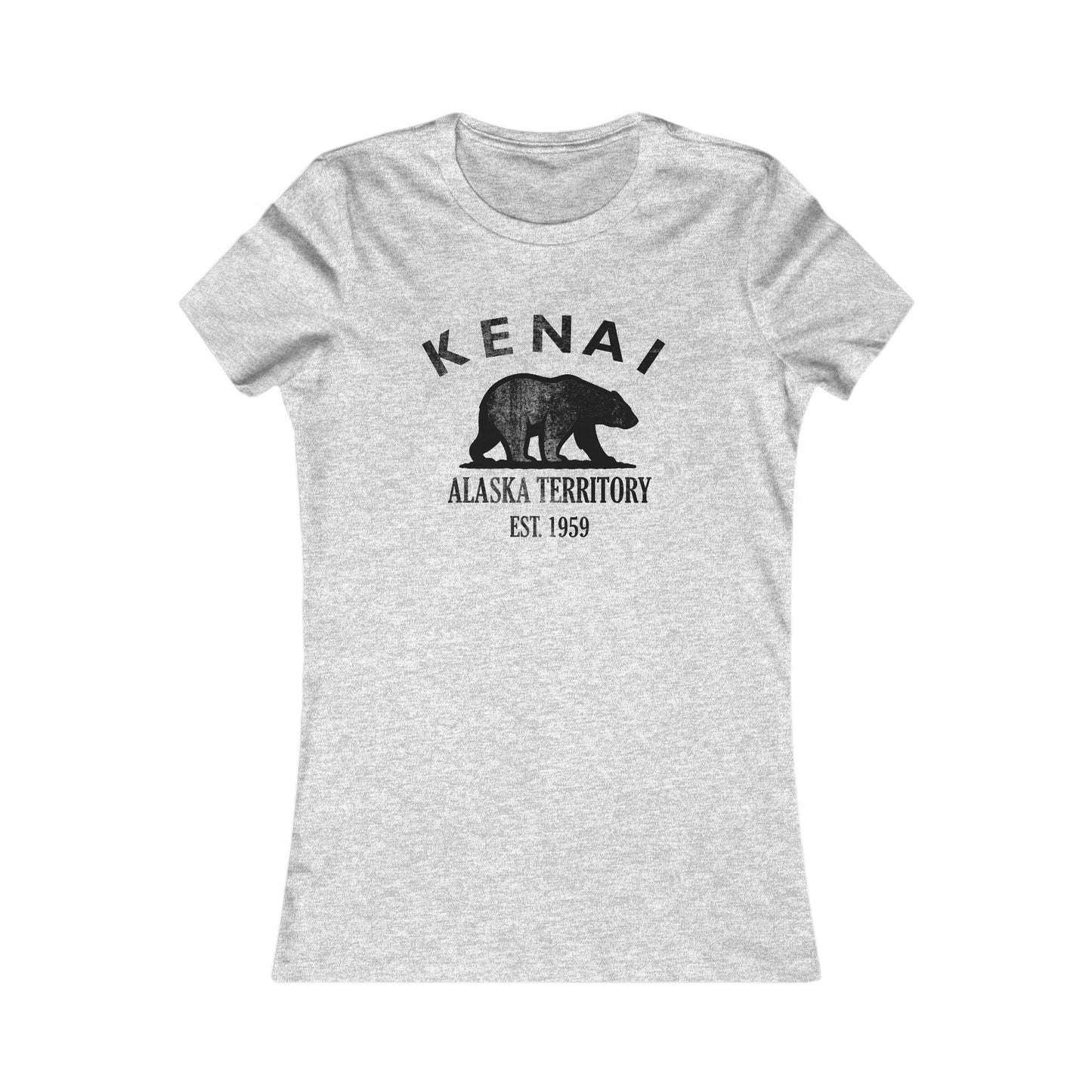
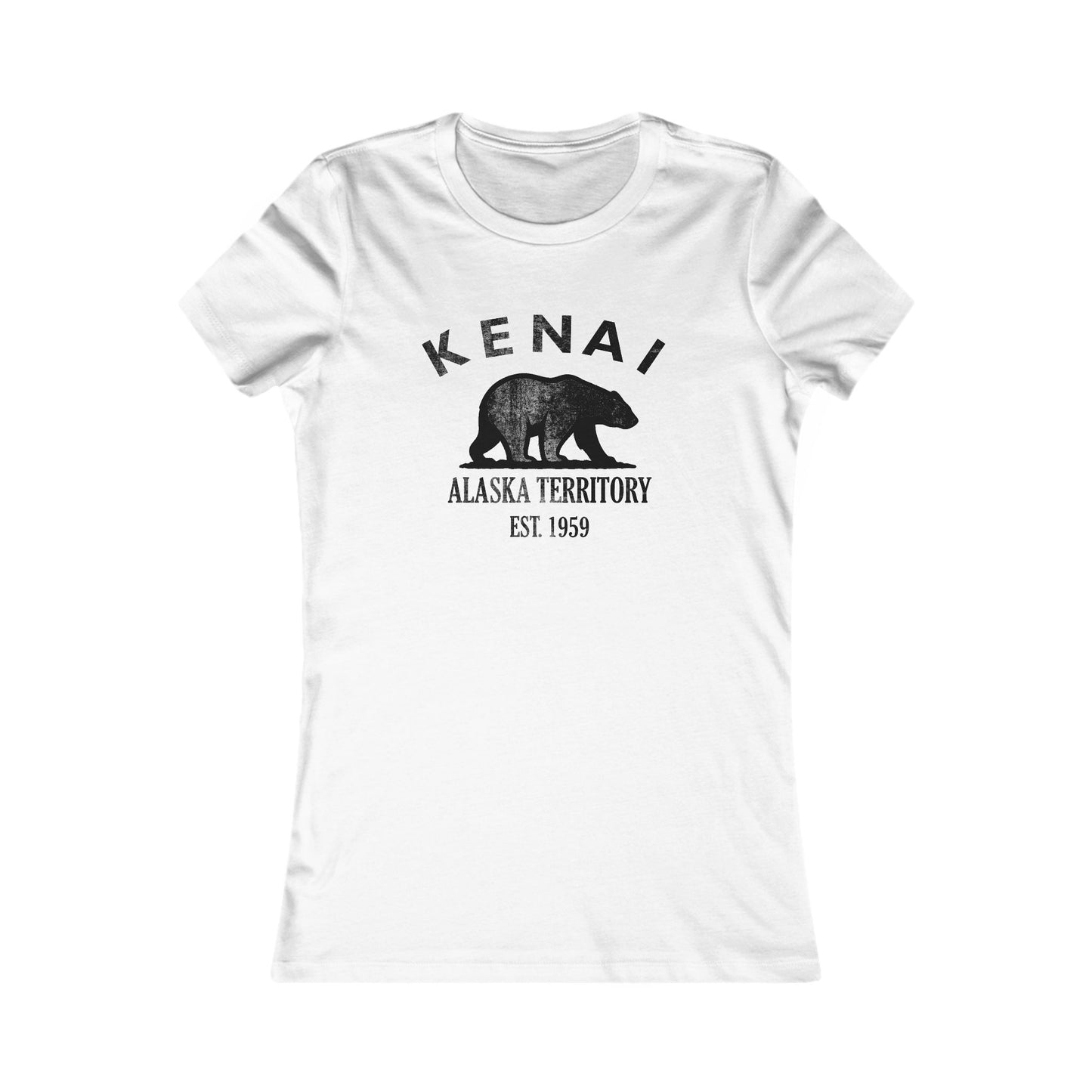
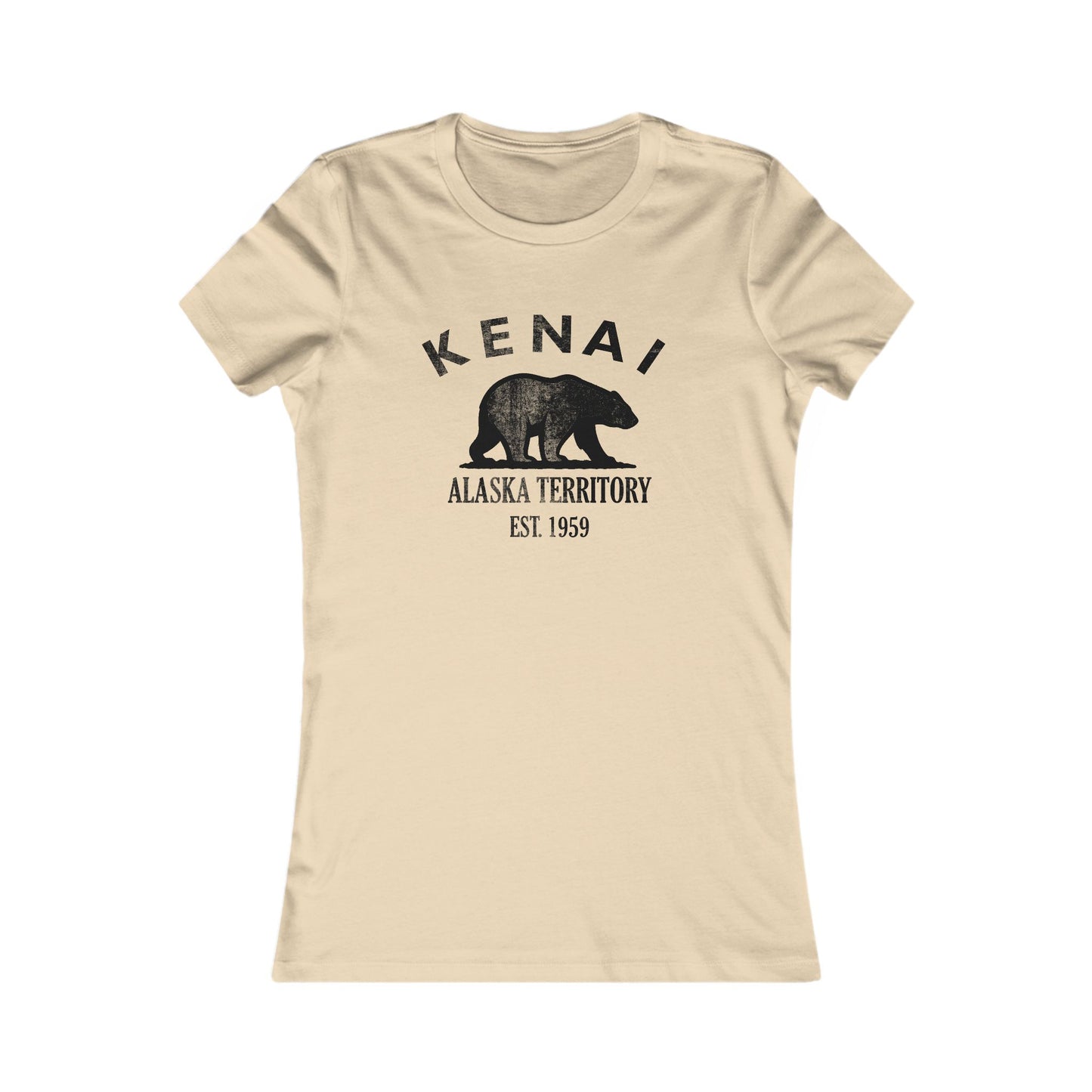
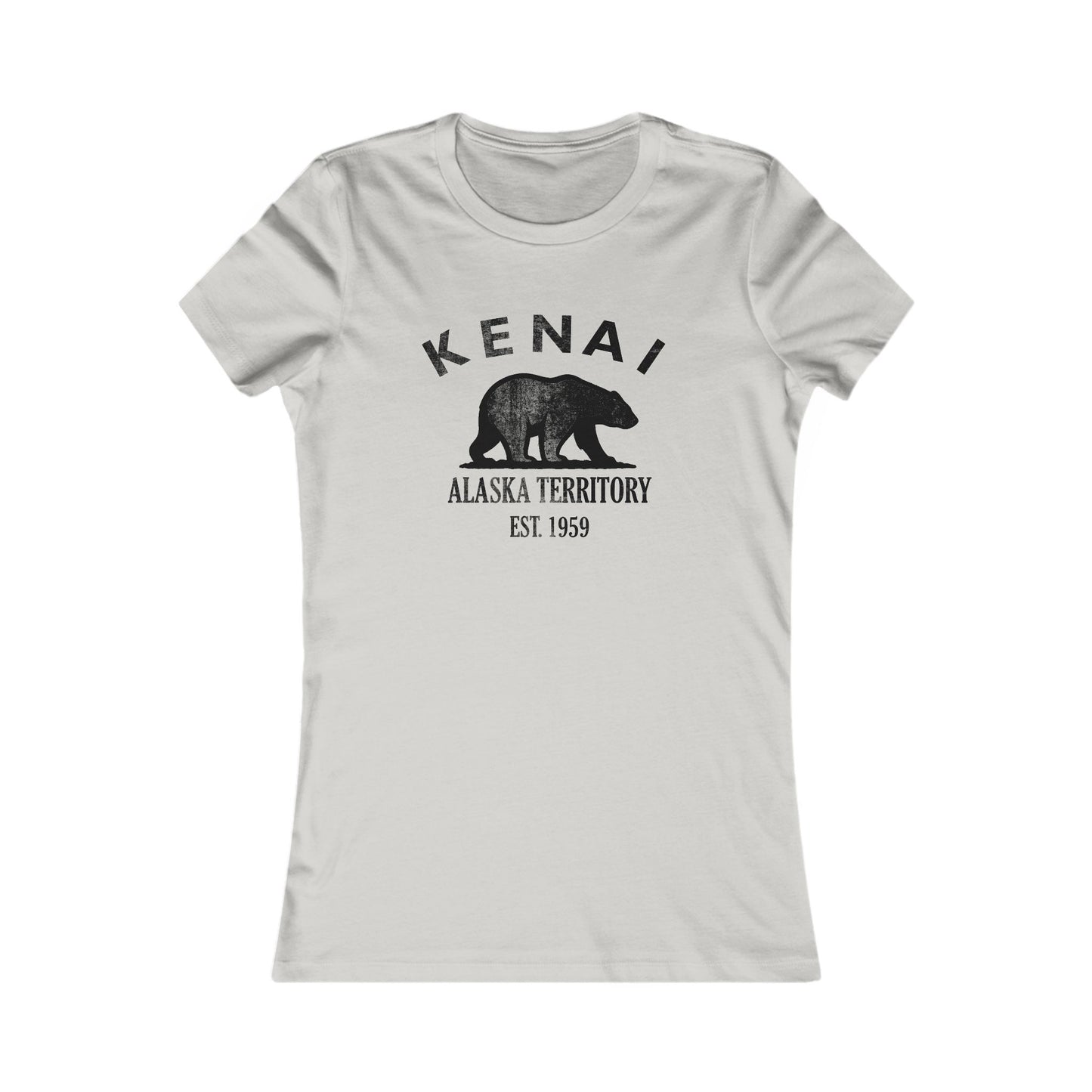
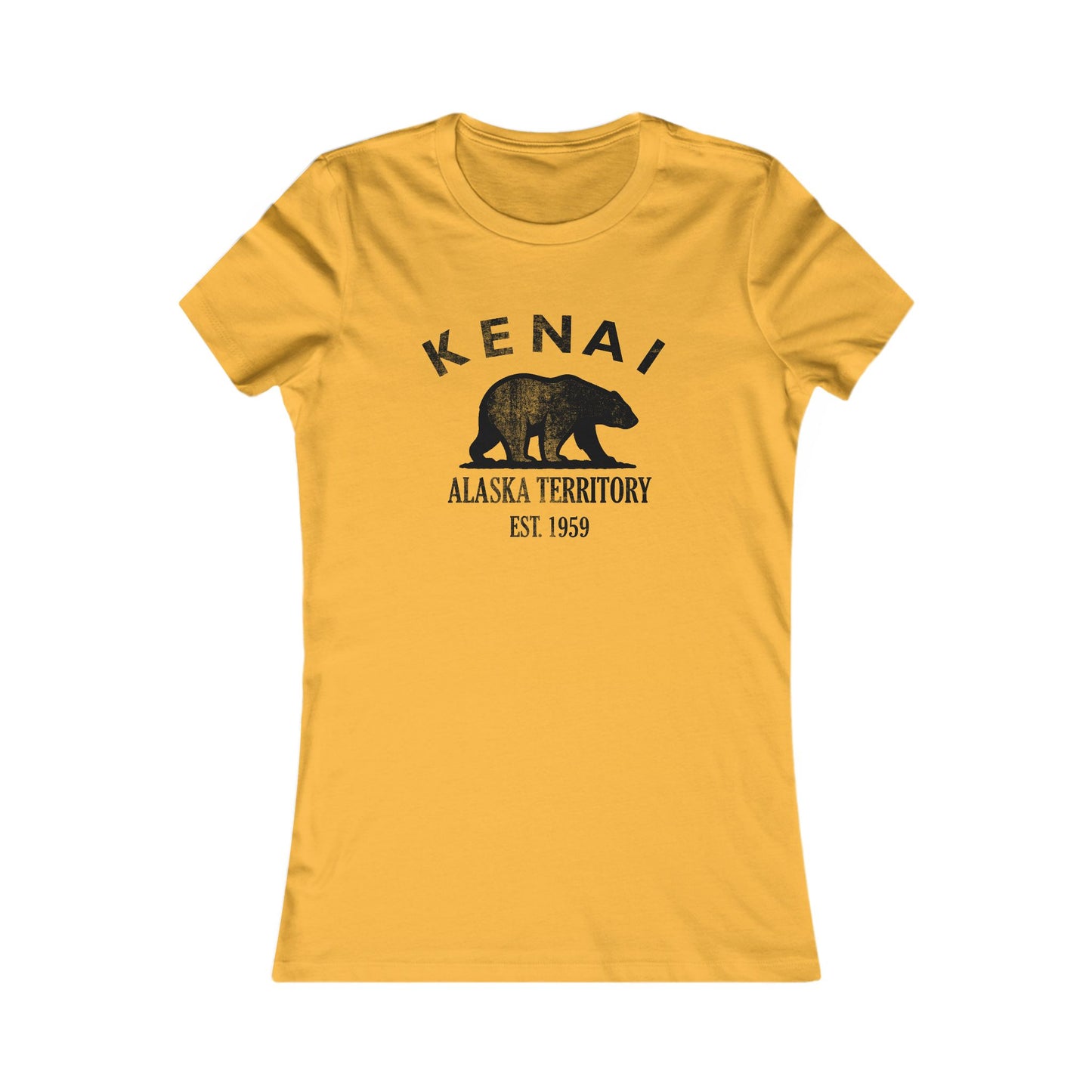
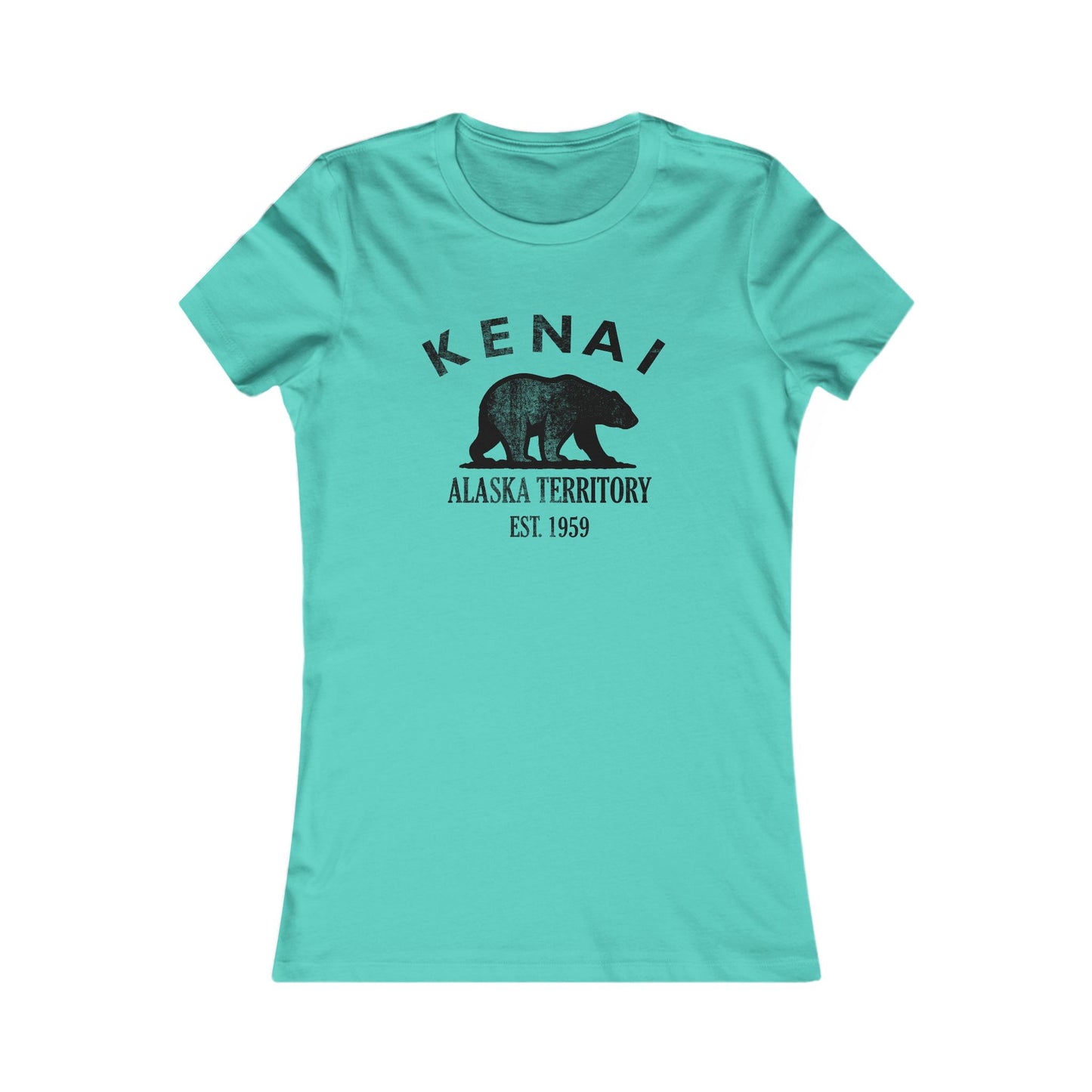
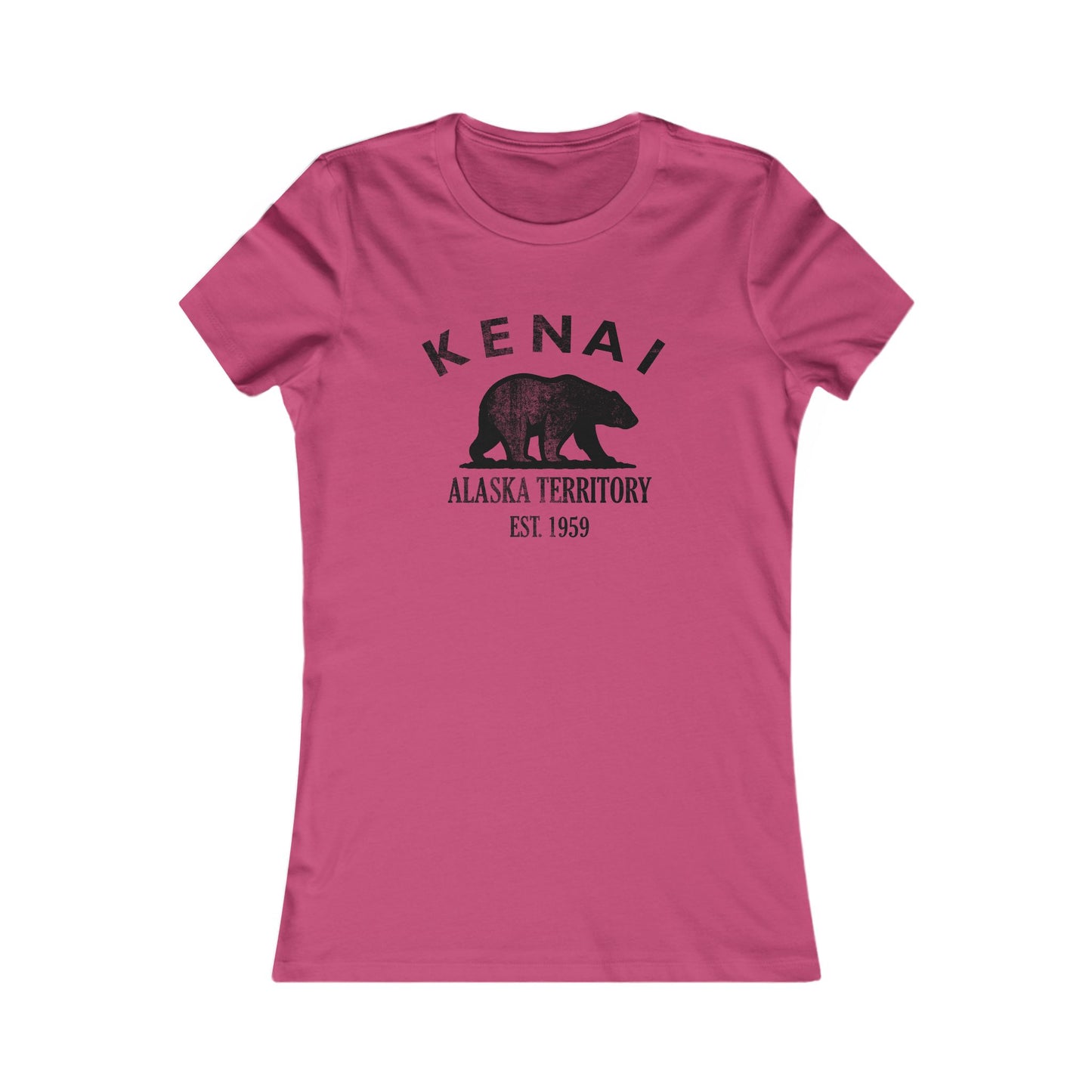
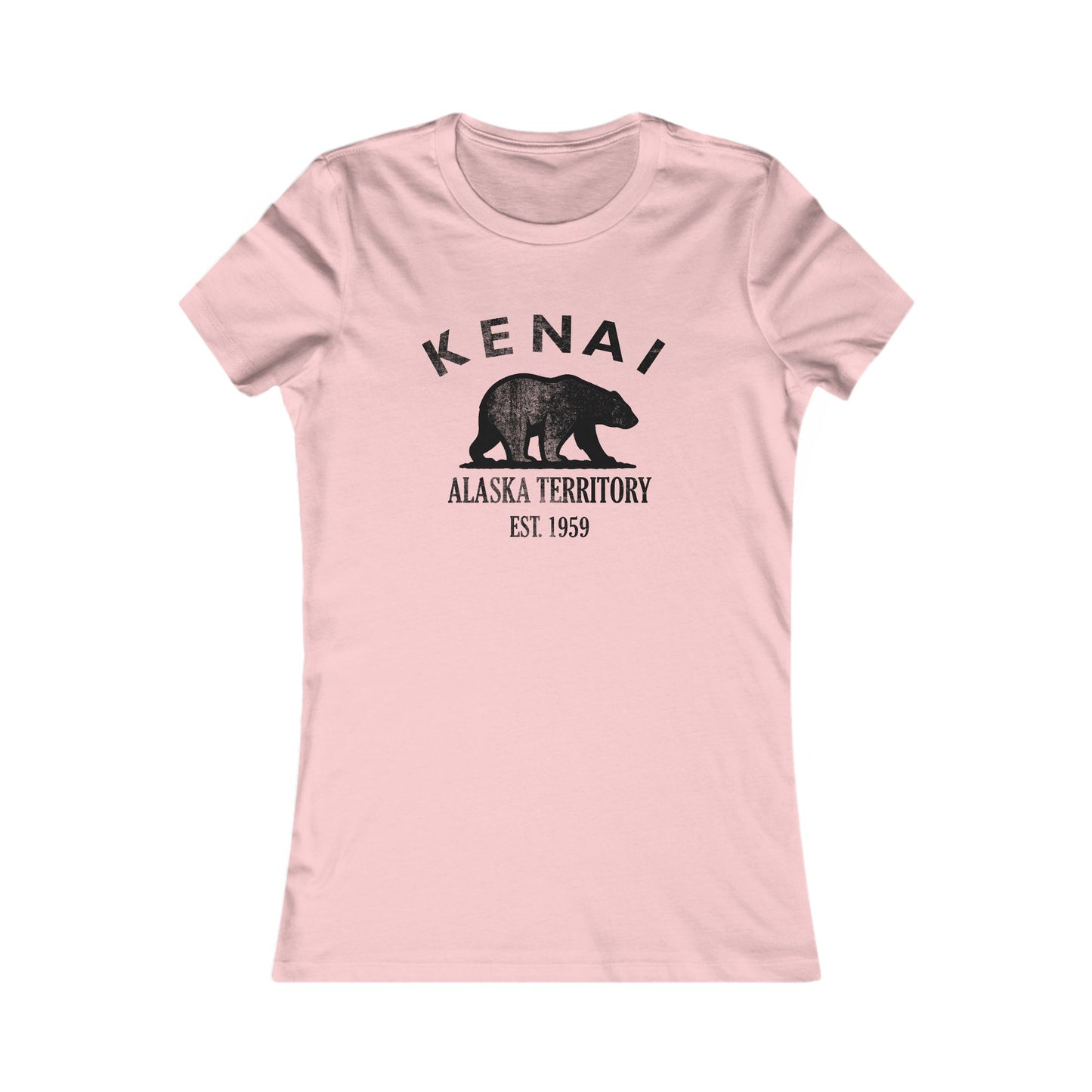
Our Kenai logo carries Alaska's bear over “Alaska Territory · Est. 1959,” the year Alaska became the forty-ninth state — the shared emblem of every Merlin Classics Alaska place. Printed in a distressed black-and-white that reads like an old outfitter's stamp, the bear is the Last Frontier in shorthand: rugged, wild, and at home in the cold. What makes this one Kenai is the country behind it — the Russian bluff, the king-salmon river, and the long view across Cook Inlet to the volcanoes.
Why People Visit Kenai
Kenai pairs deep history with wide-open Alaska — a living Russian-era church, a salmon river that sets the summer's rhythm, and the long view across Cook Inlet to the mountains. It's accessible, working, and real: a Last-Frontier town that kept its old bones.
