Then sugar gave way to sand. As cane profits faded, American Factors — Amfac, the company behind Pioneer Mill — took twelve hundred acres out of production and, beginning in 1959, built something Hawaiʻi had never seen: a resort planned whole, from the ground up. Kāʻanapali Beach Resort opened in 1962, the first master-planned resort destination in the islands and a model later copied around the world. In its early years small planes even touched down at the resort’s own beachfront airstrip, taxiing almost to the hotel doors.
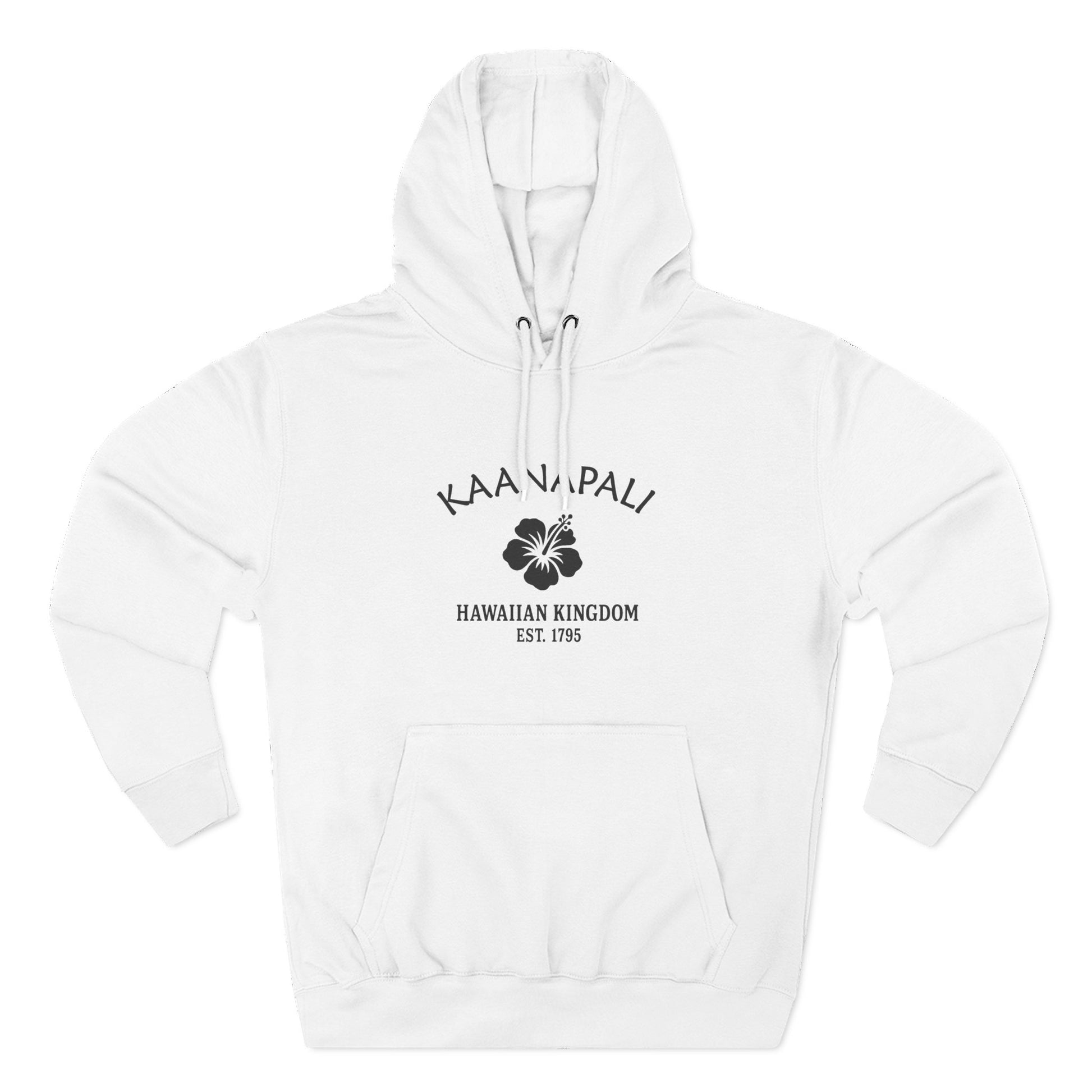
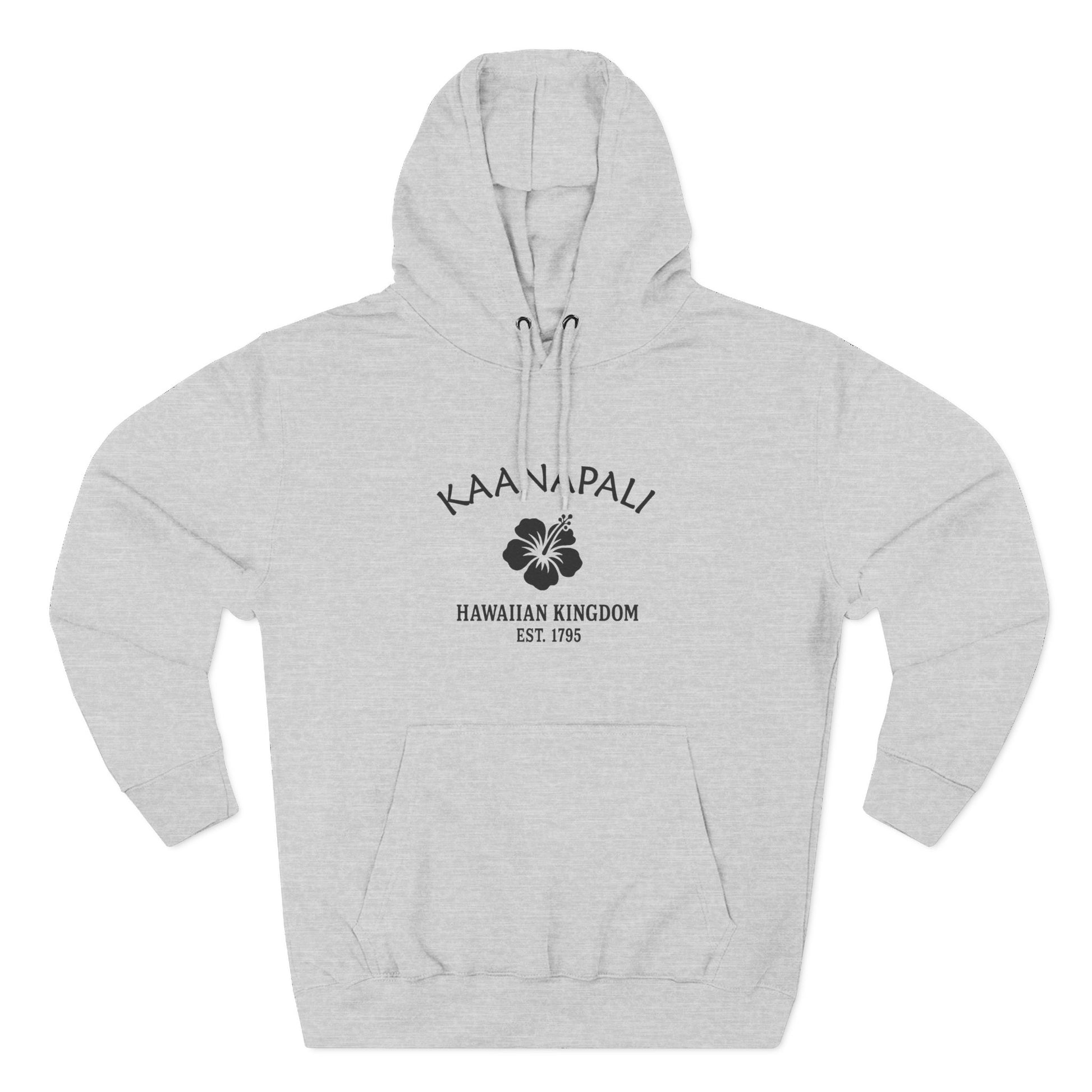
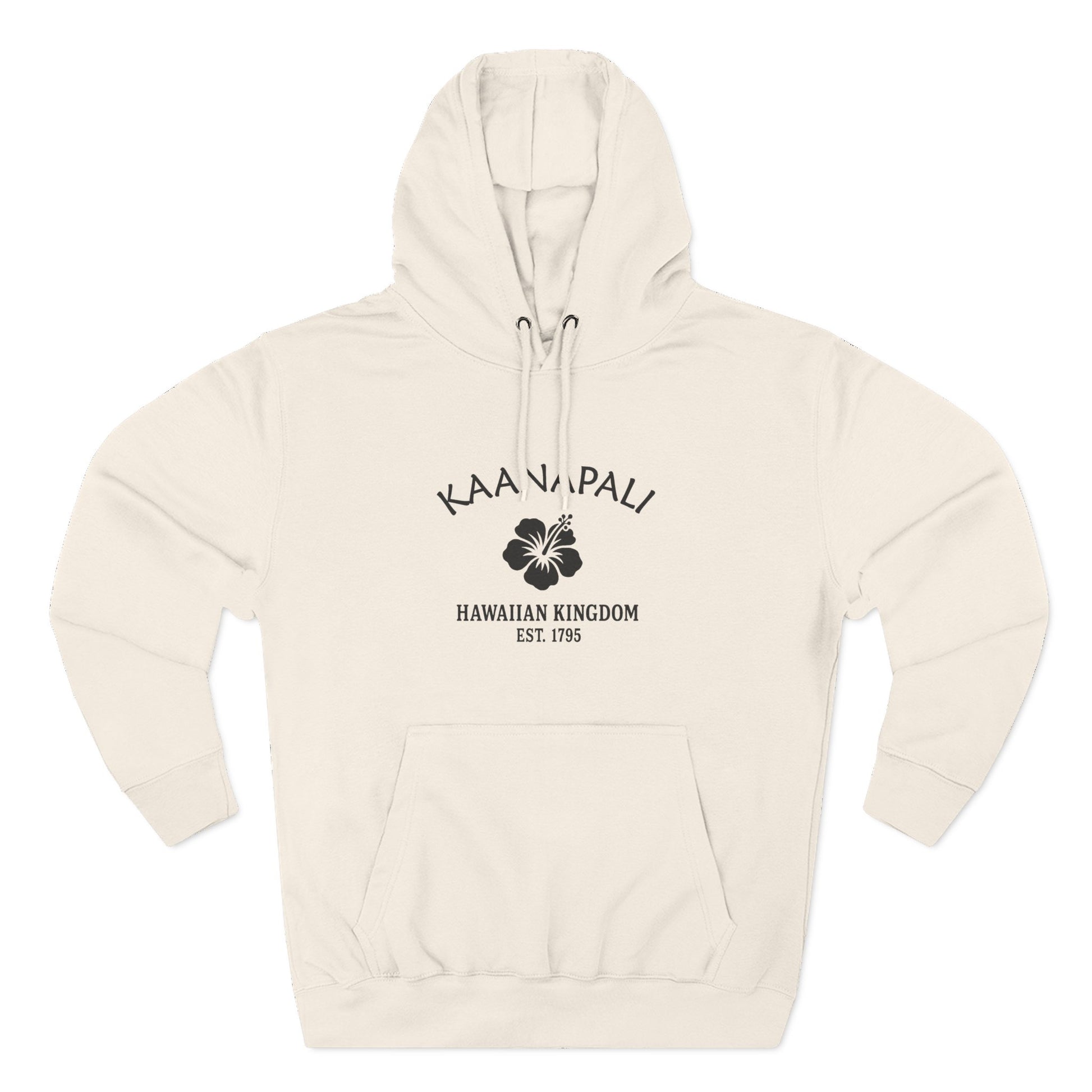
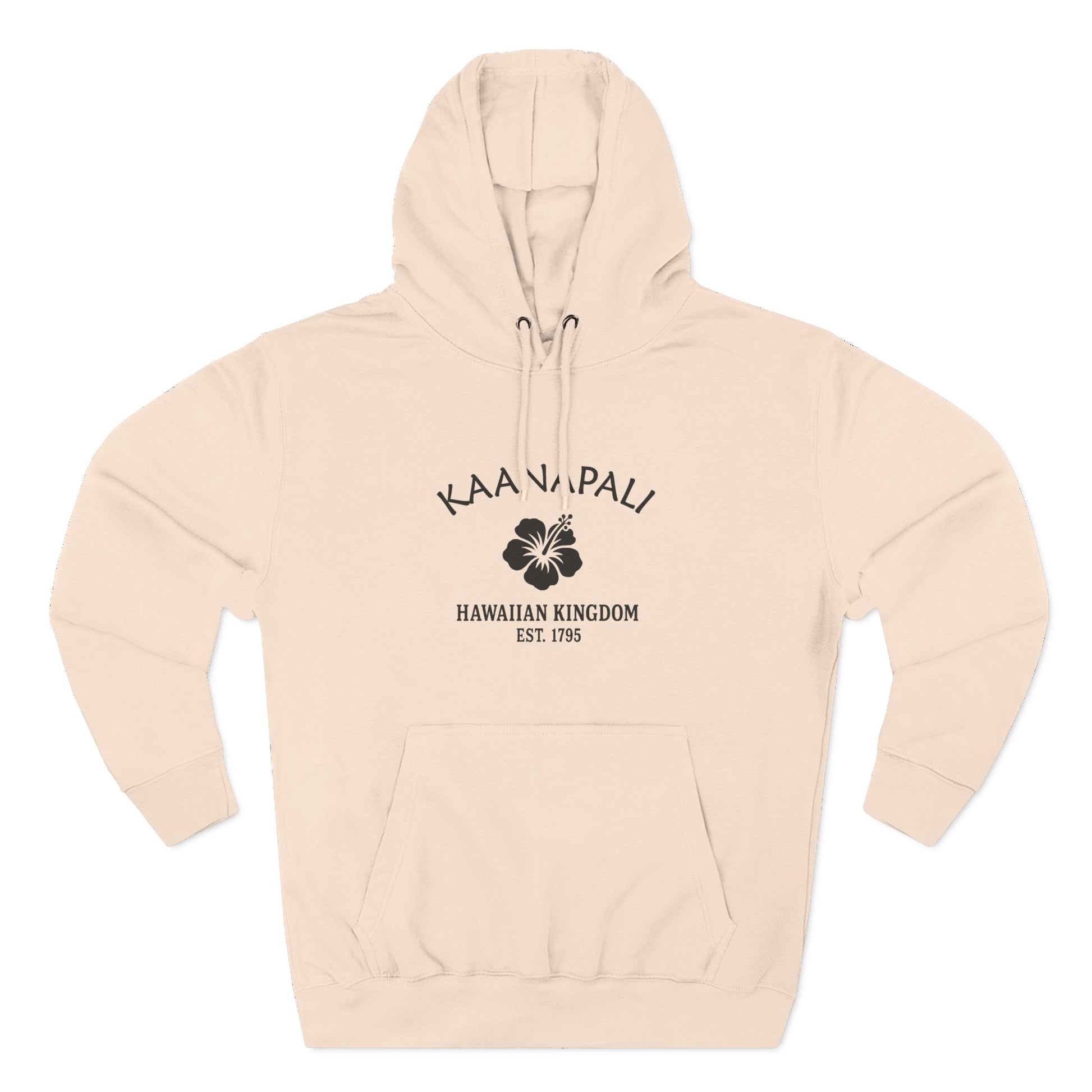
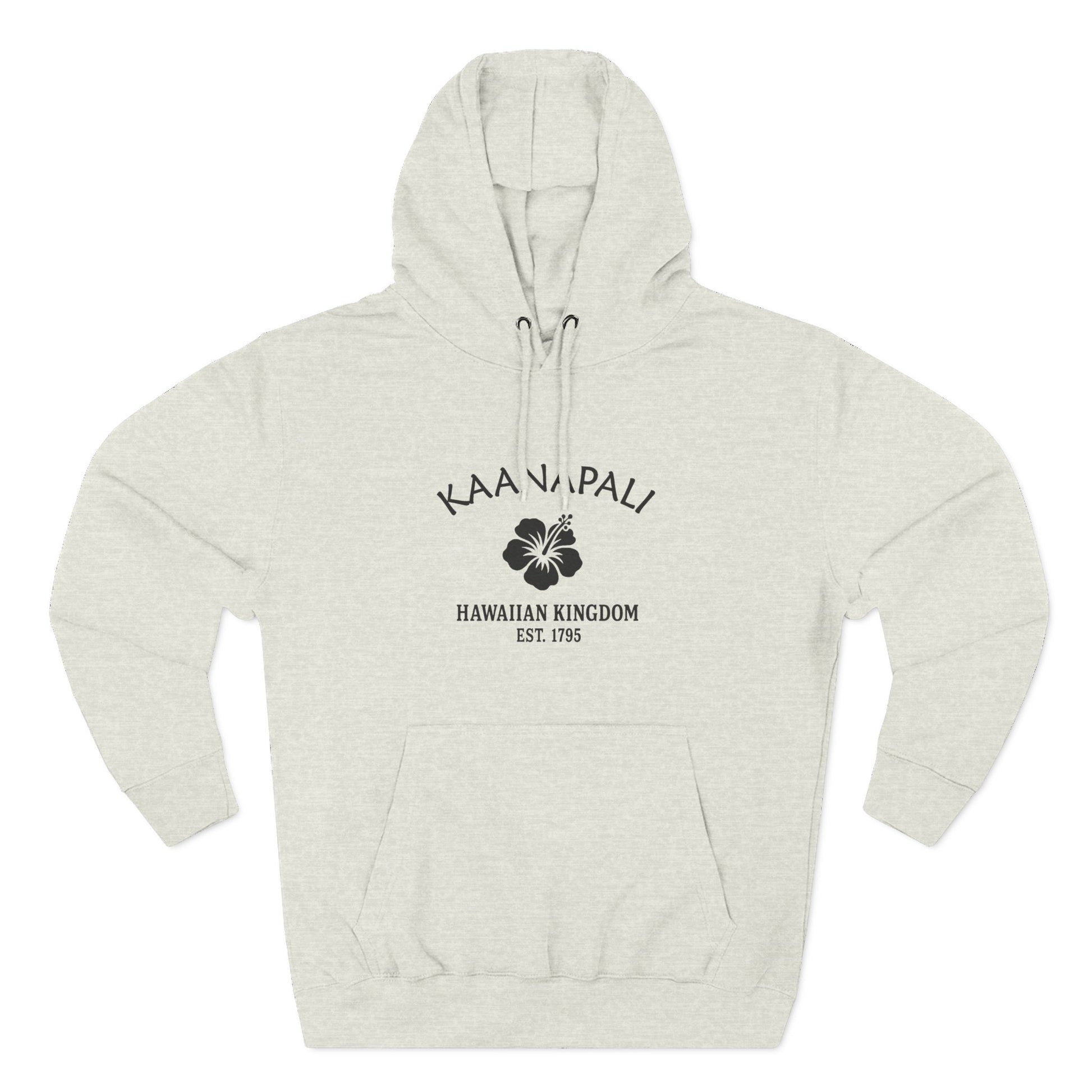
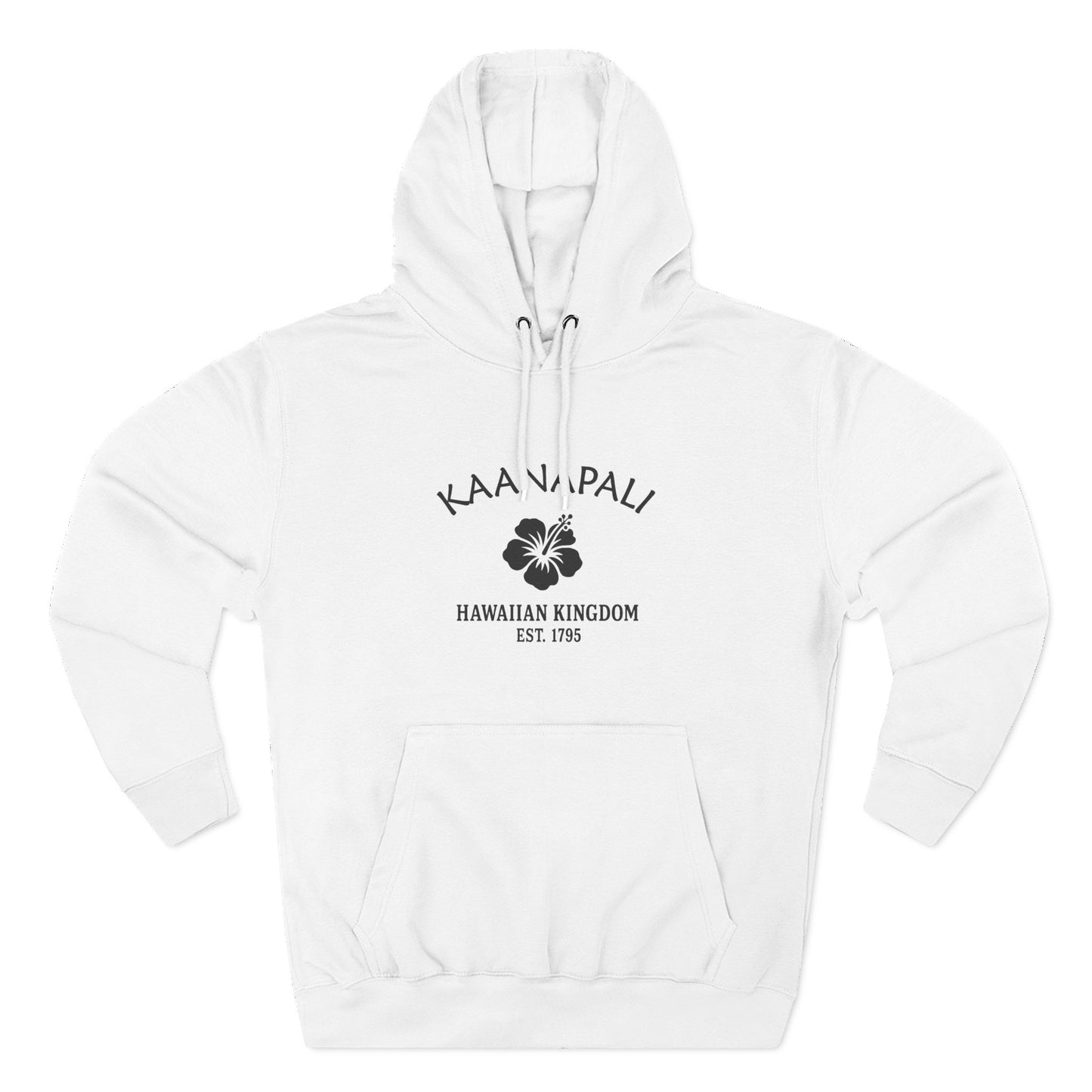
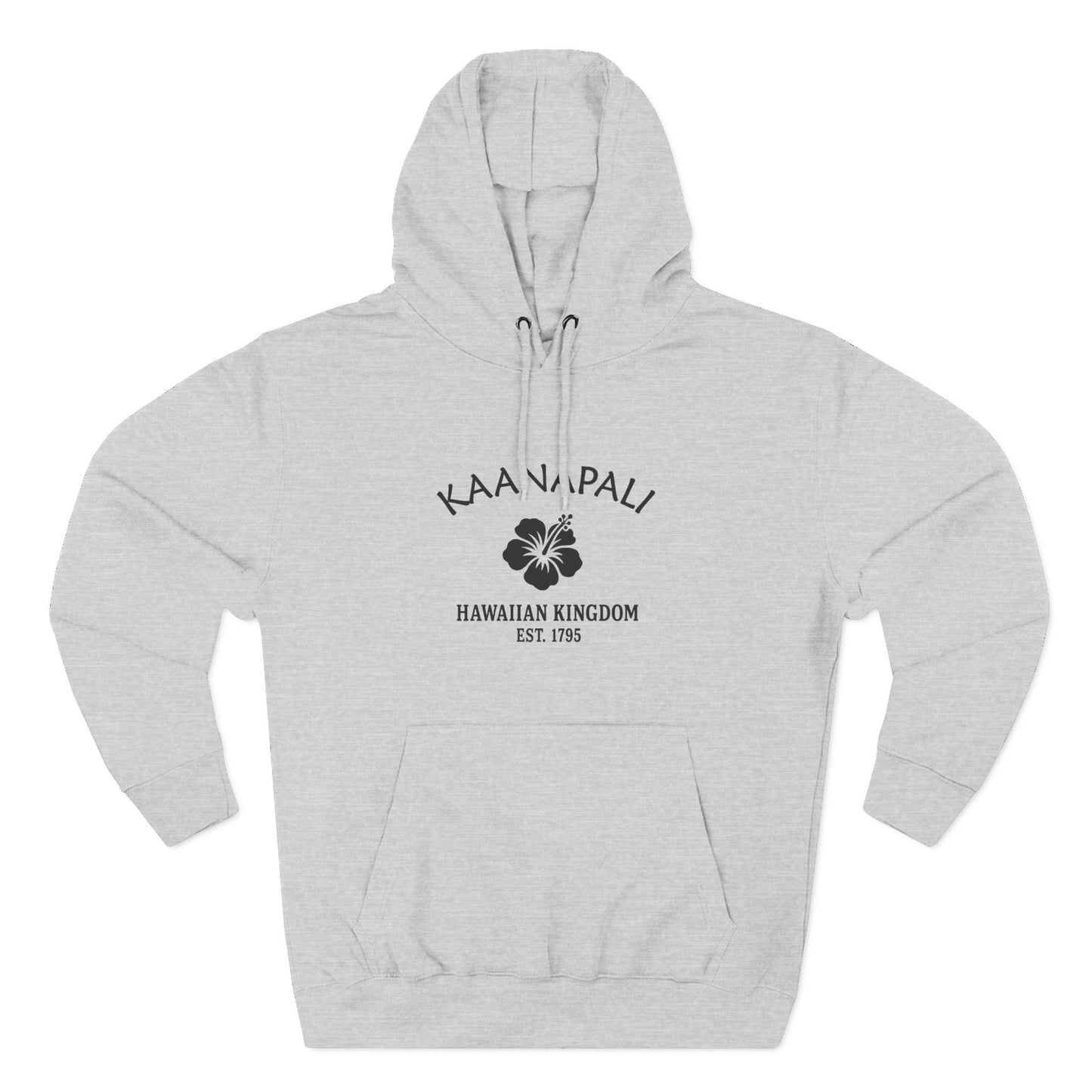
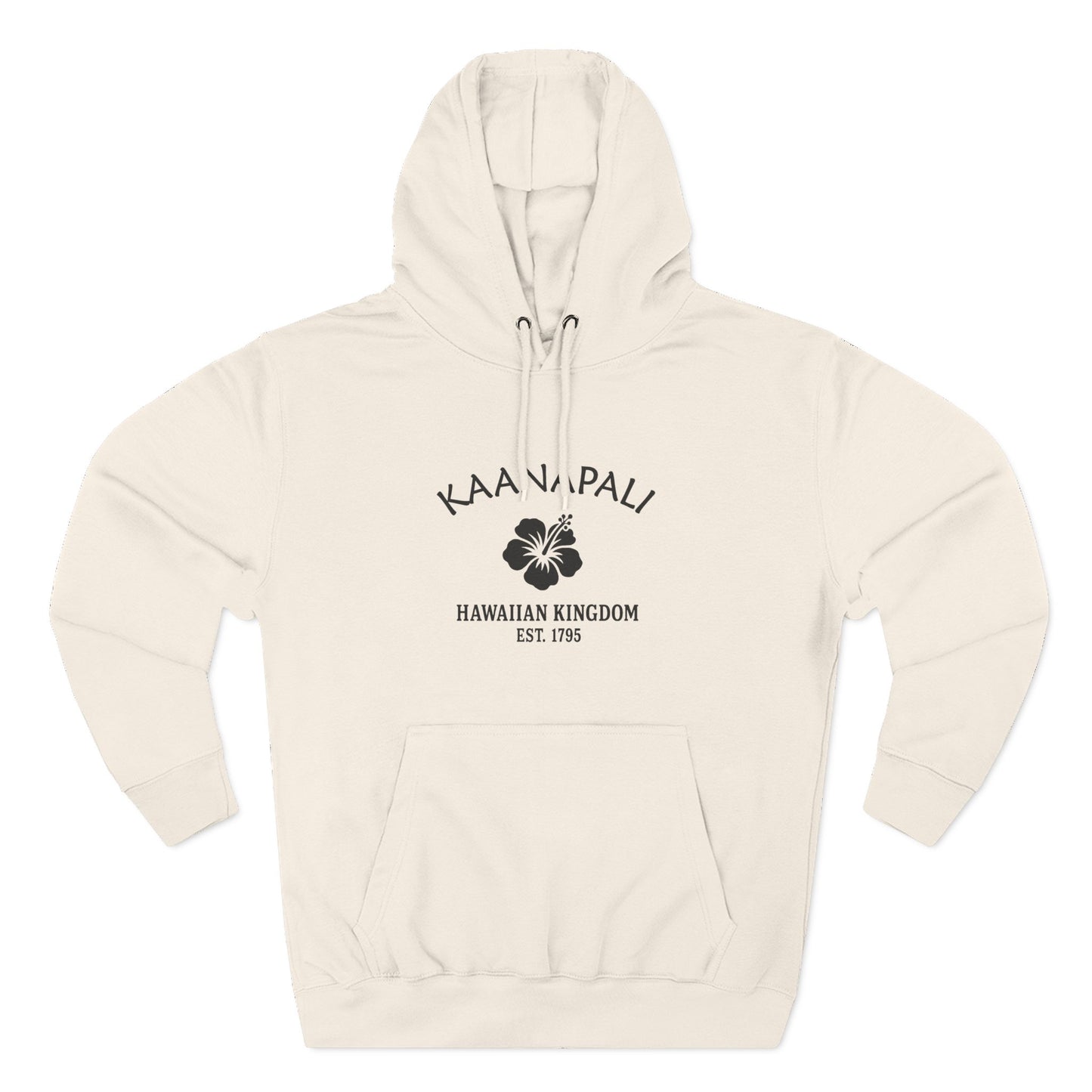
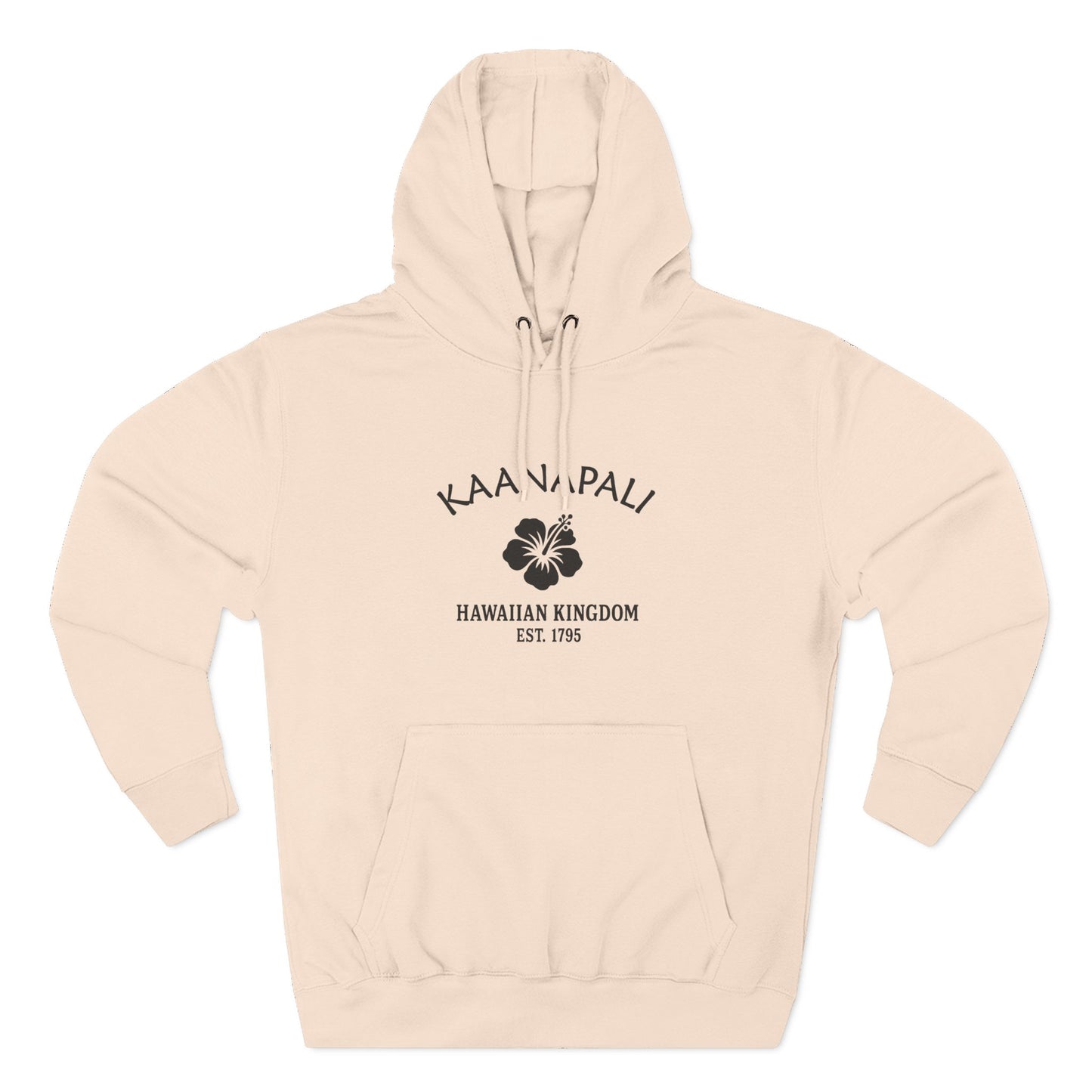
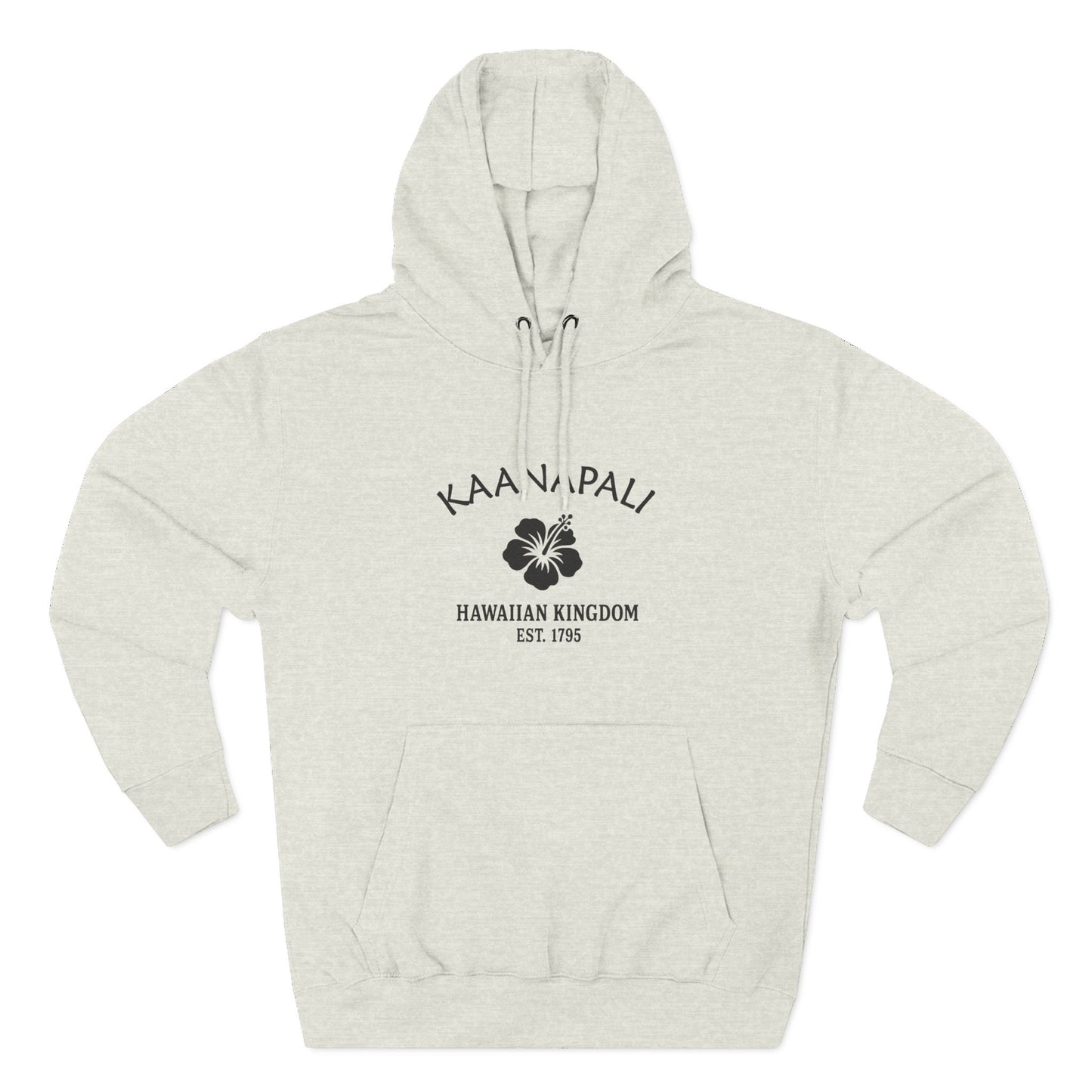
Our Kāʻanapali logo carries the Hawaiian hibiscus over “Hawaiian Kingdom · Est. 1795,” the shared emblem of every Merlin Classics Hawaiʻi place, marking the 1795 unification of the islands under Kamehameha. Printed in clean retro black-and-white like an old travel decal, the hibiscus stands for the islands as a whole; what makes this one Kāʻanapali is everything around it — the black rock and the golden sand, the cane that once ran to the sea, and the steam train that carried its memory along the shore.
Why People Visit Kāʻanapali
Kāʻanapali offers the classic West Maui beach day: warm, calm water, a long walkable shore, mountains behind and islands in view. It pairs an easy resort coast with deep heritage — royal land, sacred ground, a century of sugar, and the memory of the Sugar Cane Train. It is sunny, scenic, and welcoming, with year-round appeal.
