Hilo's resilience was tested hard by the sea. Tsunamis in 1946 and again in 1960 struck Hilo Bay with terrible force and great loss of life, sweeping through the low downtown along the water. The city rebuilt — and rather than rebuild in harm's way, it deliberately turned the most exposed bayfront into the open green parkland and gardens you see today, a quiet buffer between the town and the water. That history is remembered, not hidden, at the Pacific Tsunami Museum downtown, and it helped give rise to the Pacific-wide warning systems that protect coastlines now.
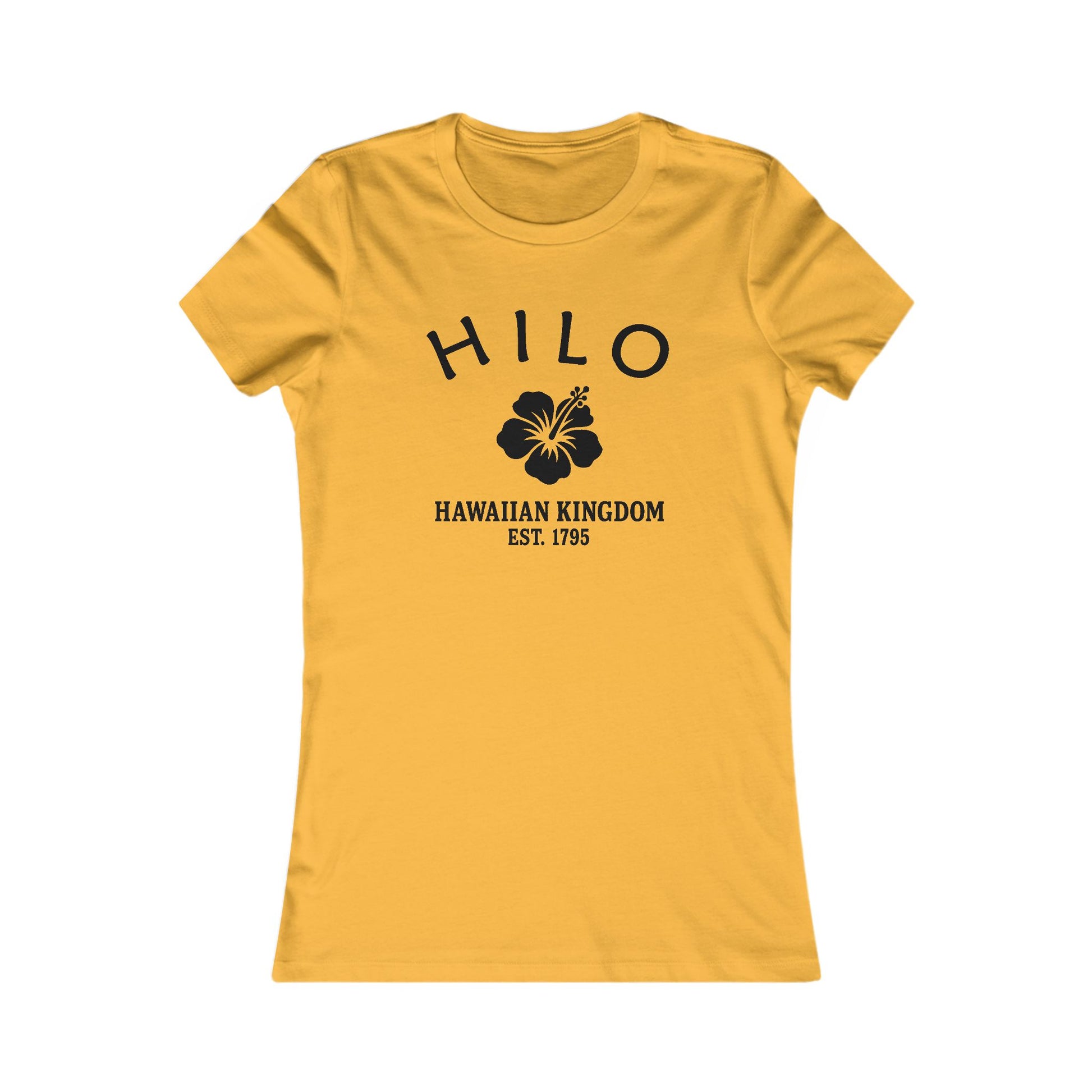
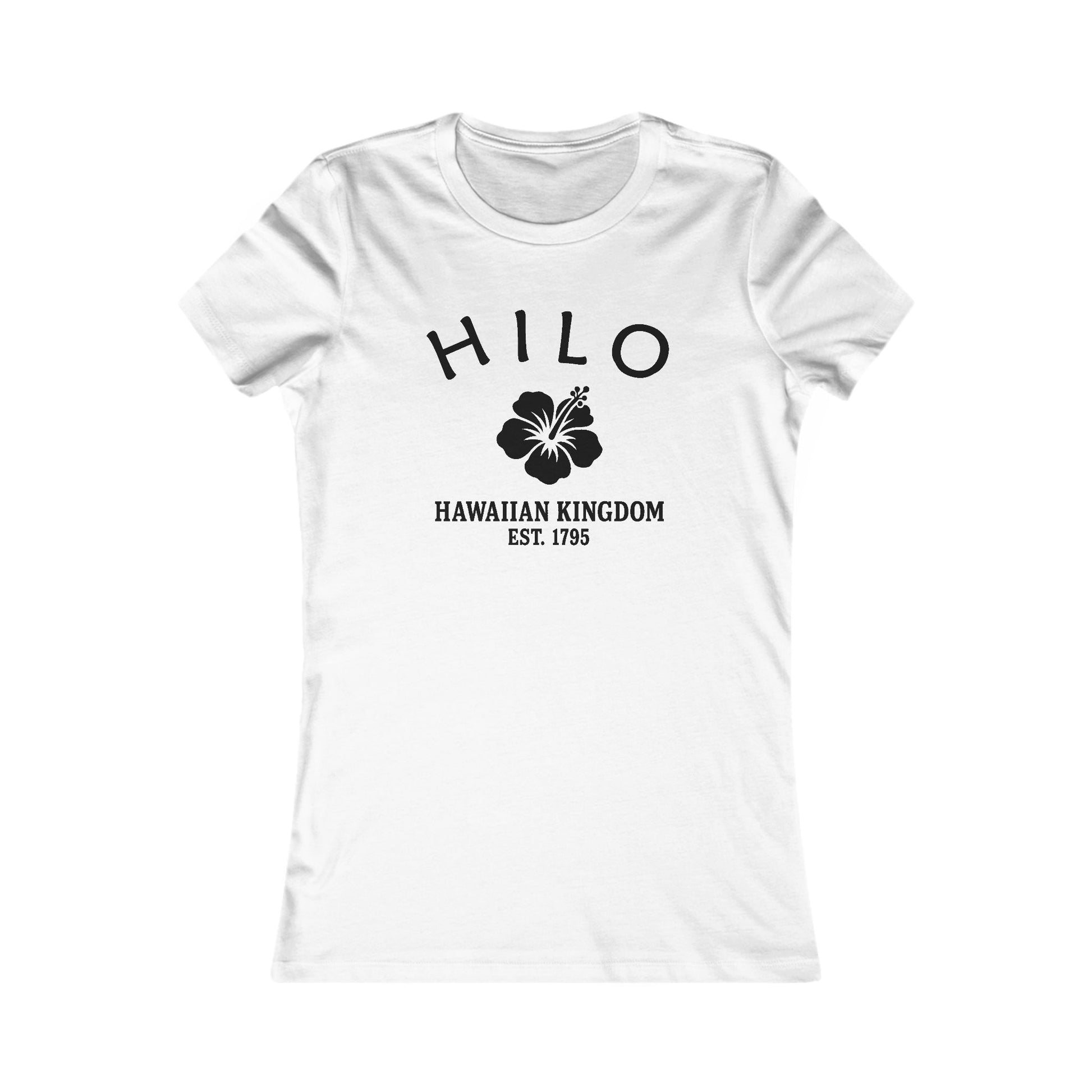
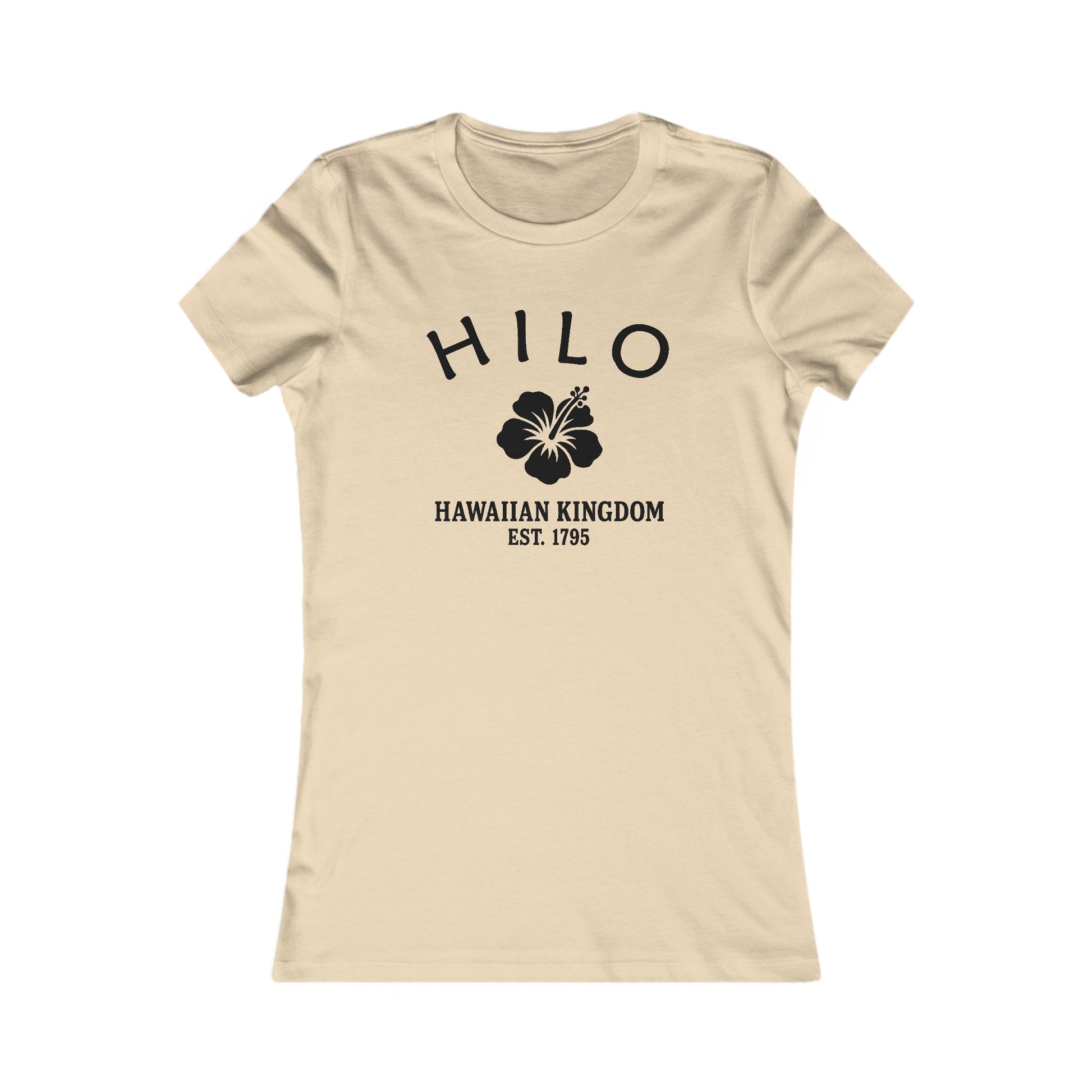
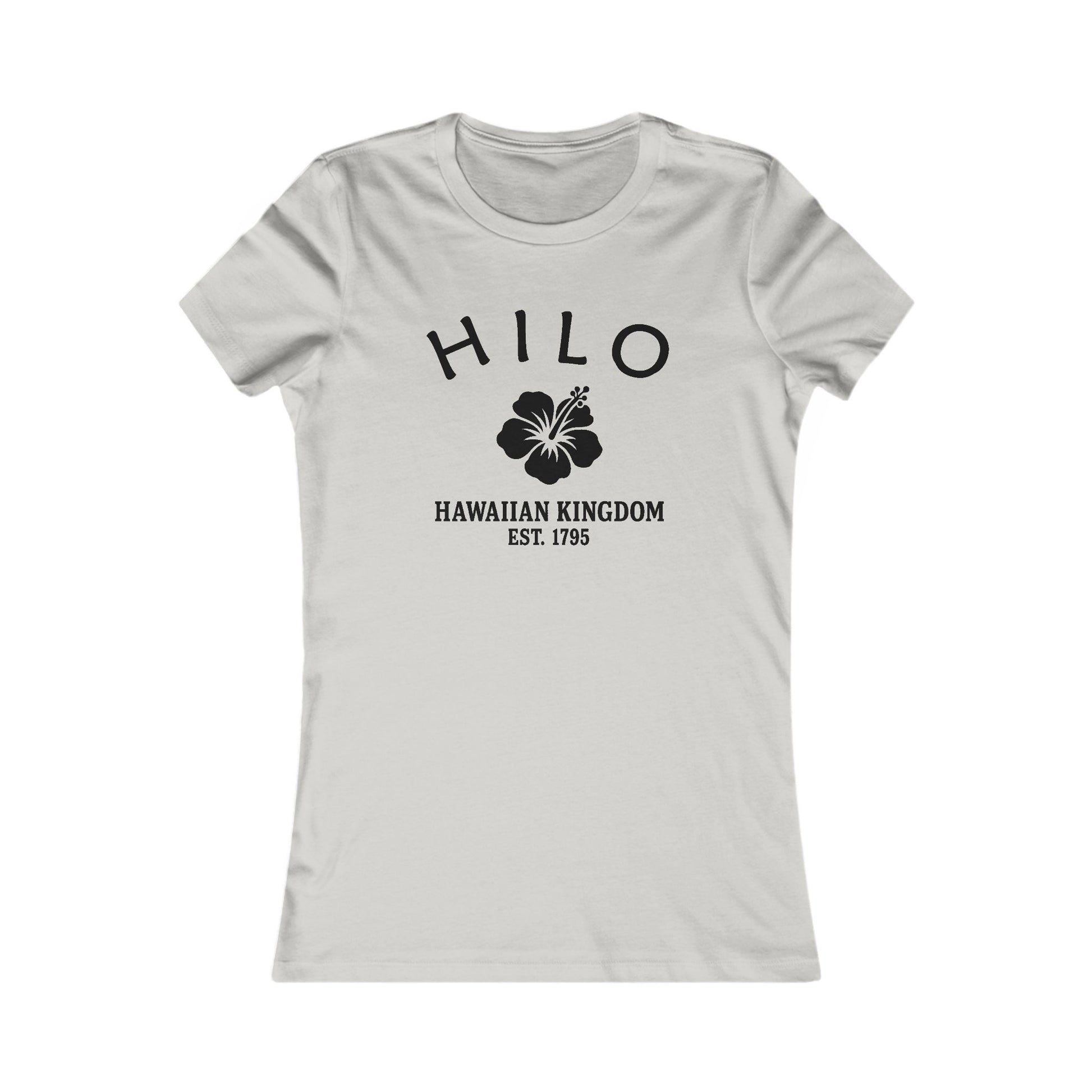
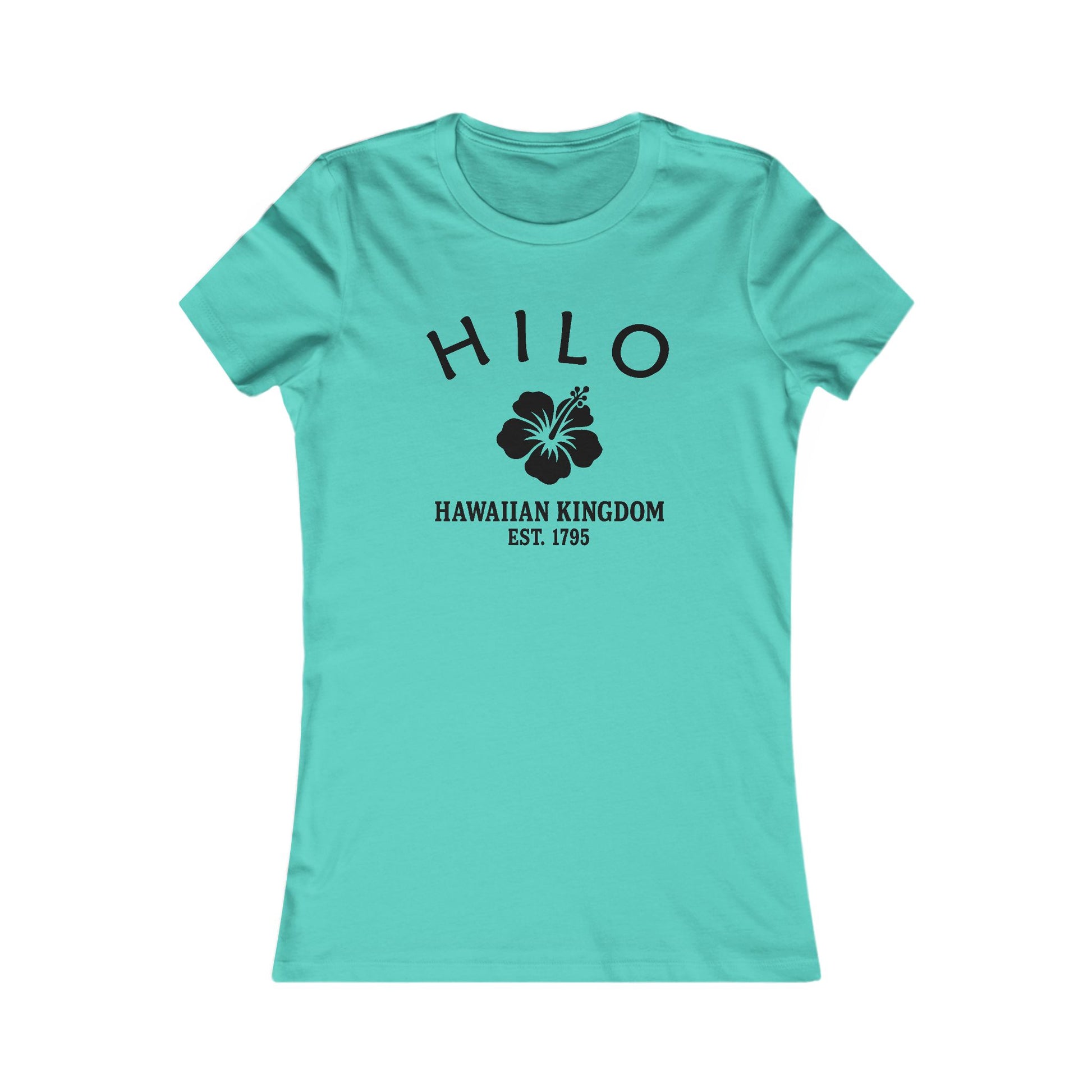
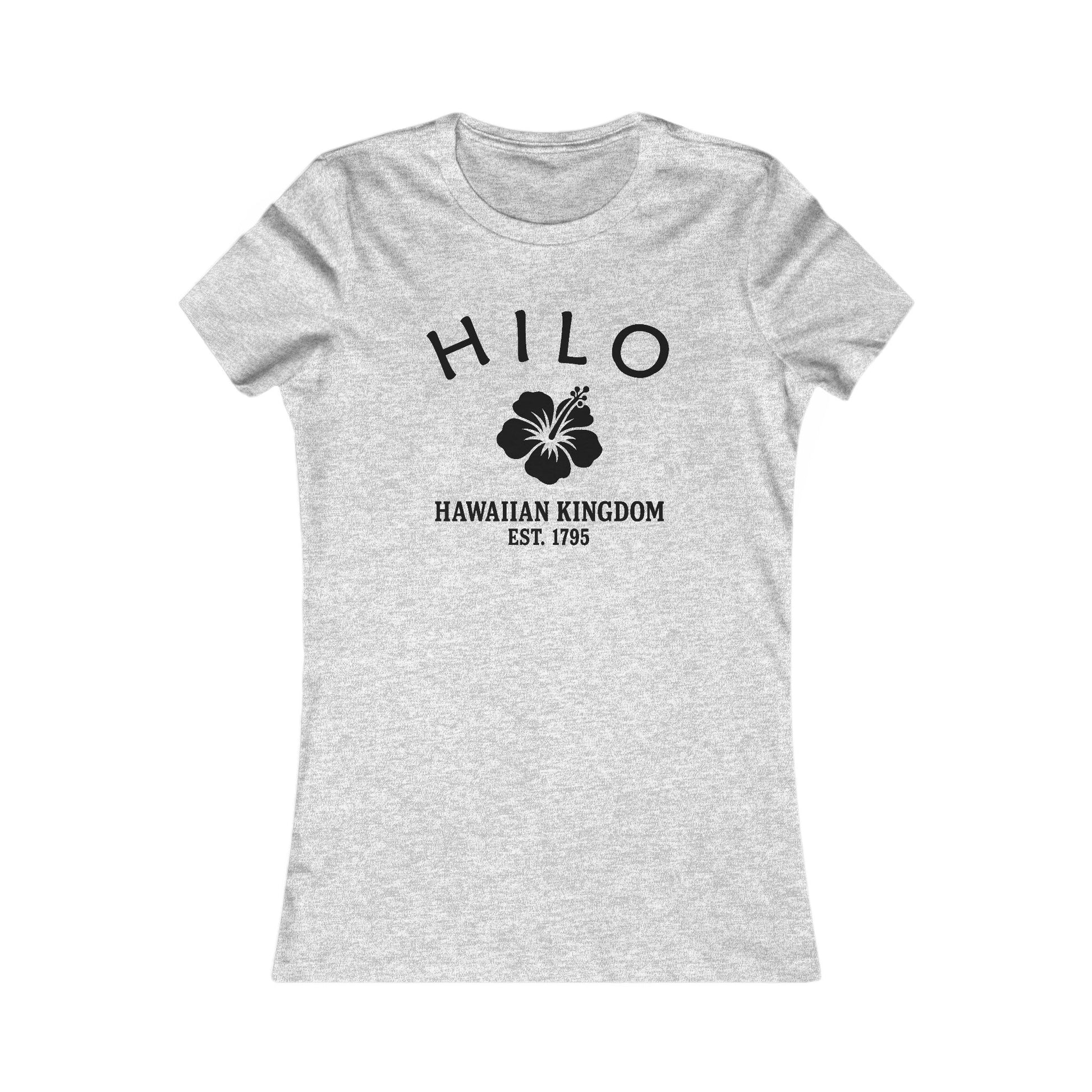
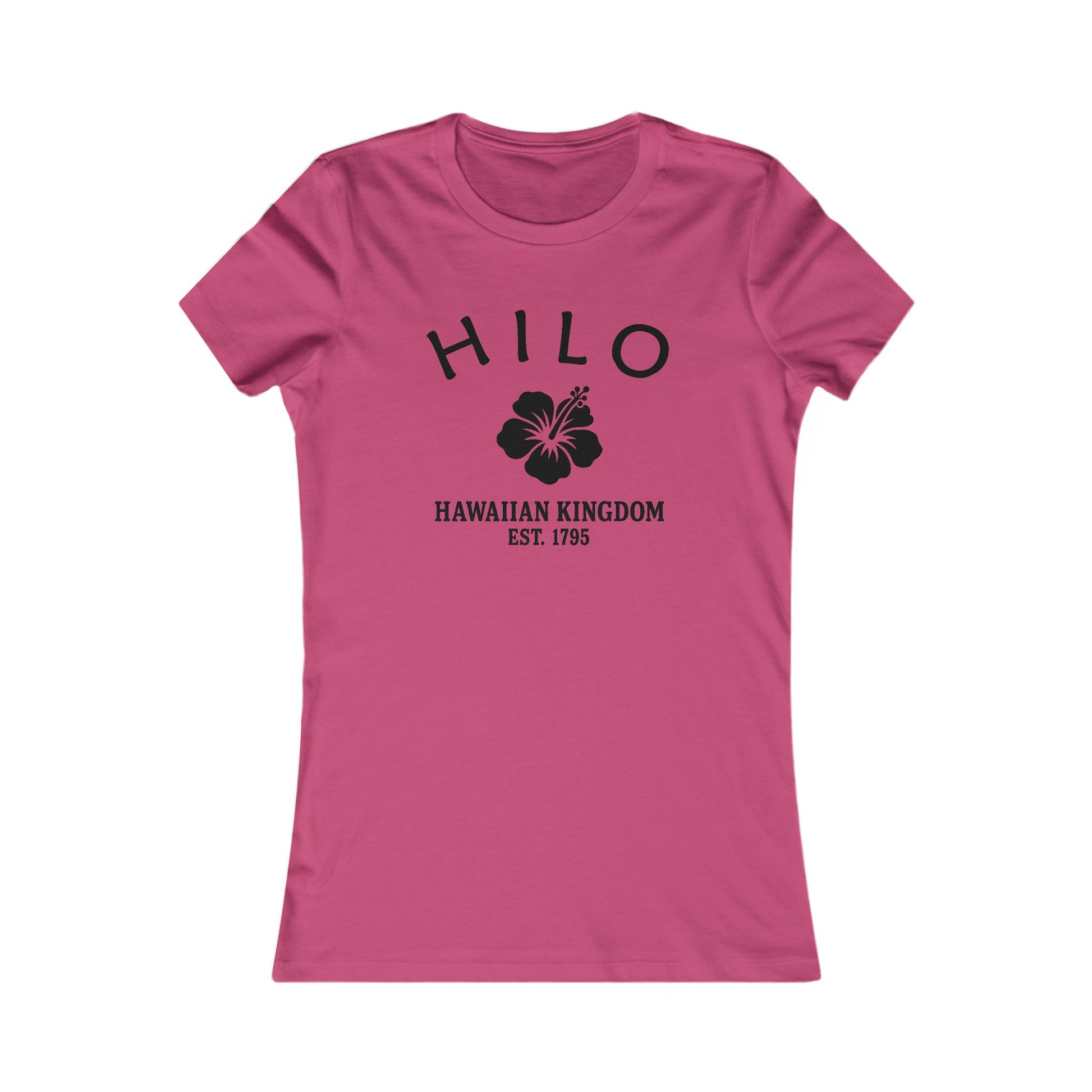
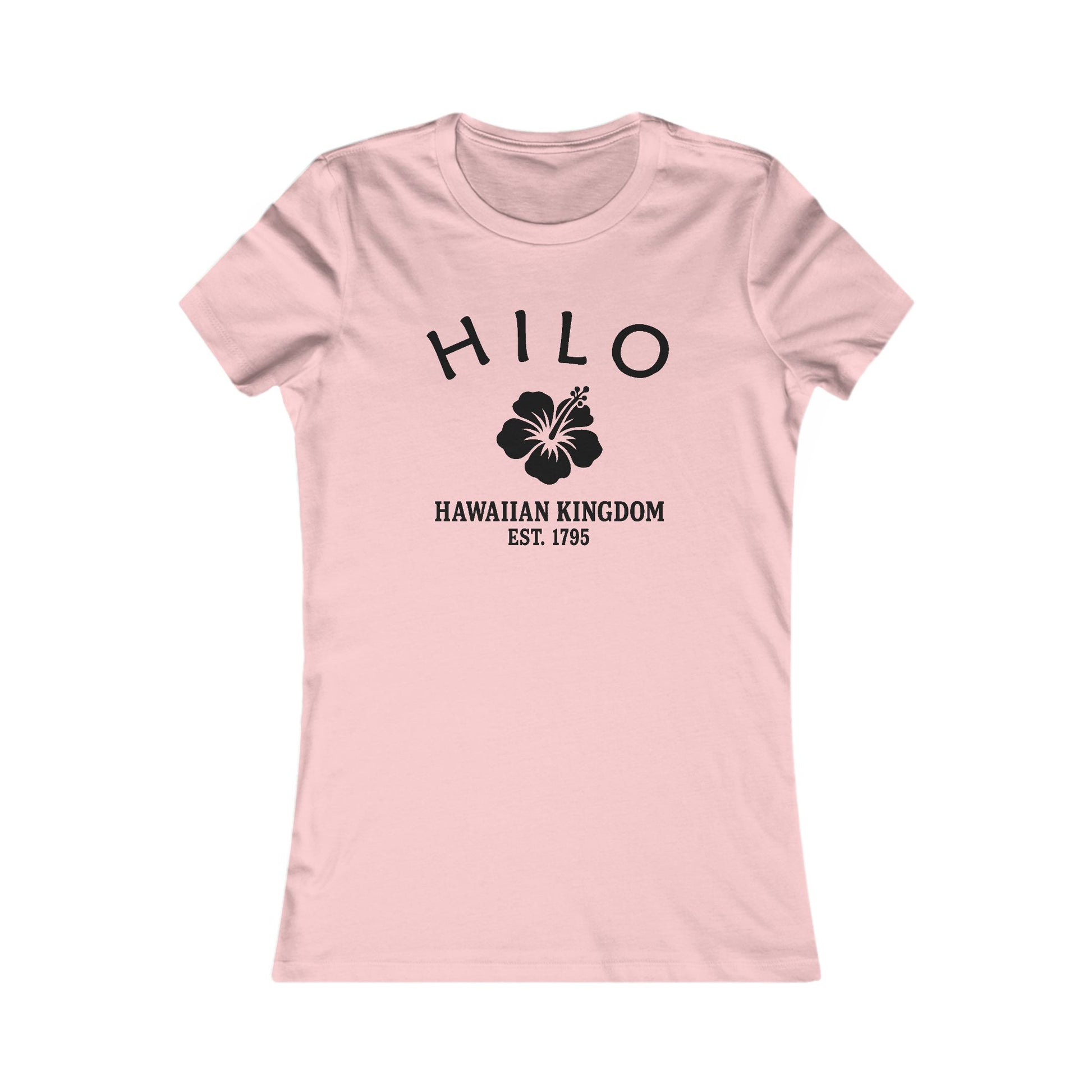
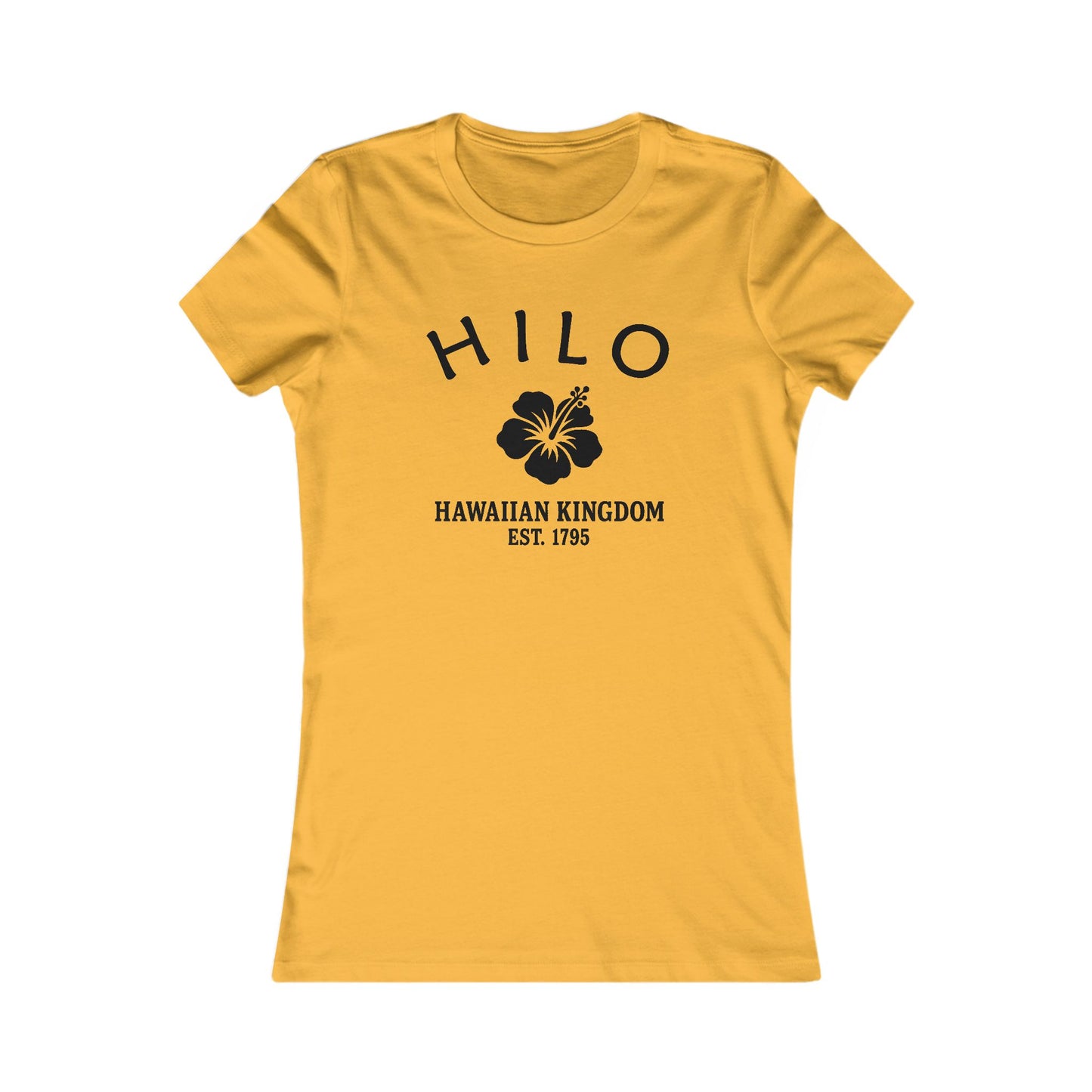
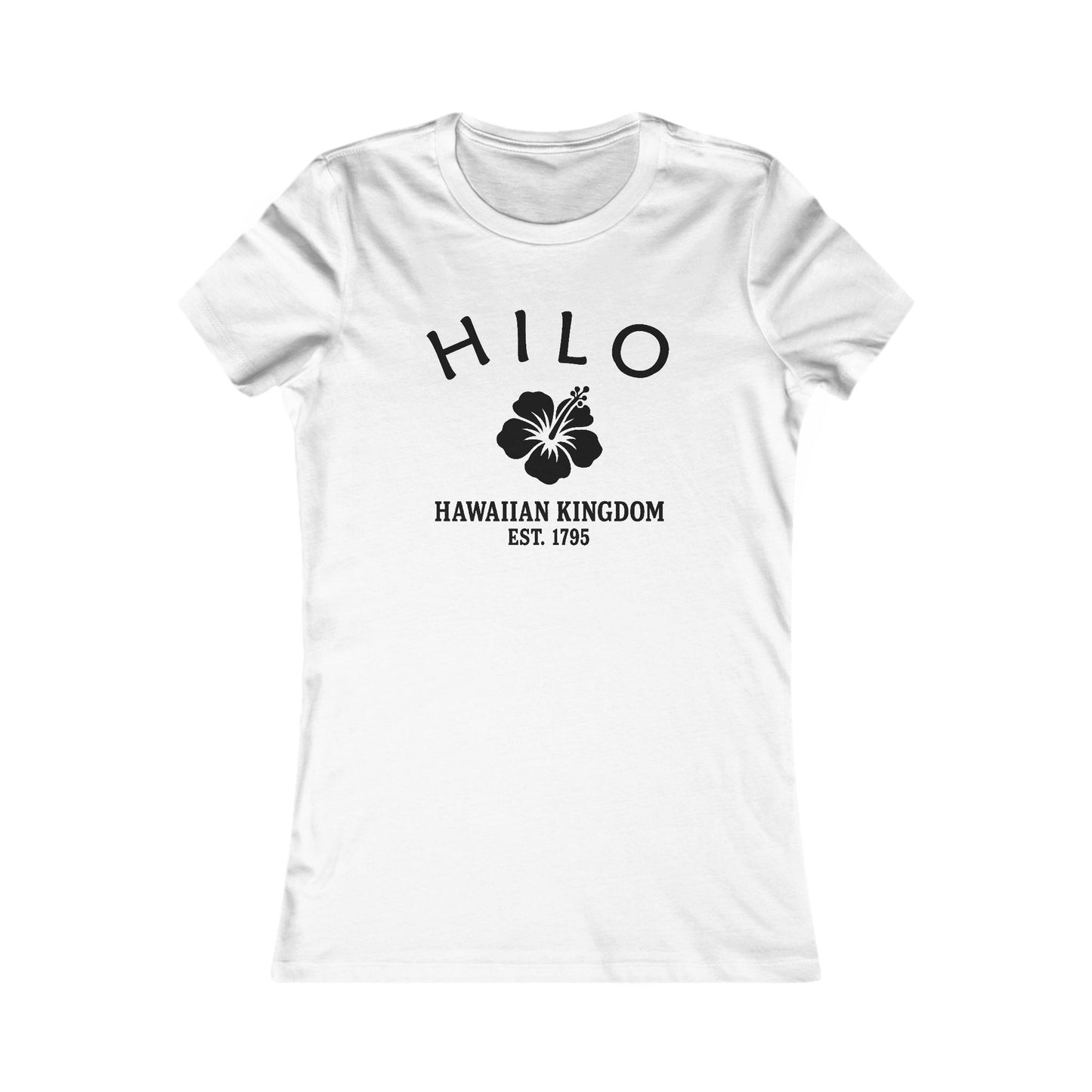
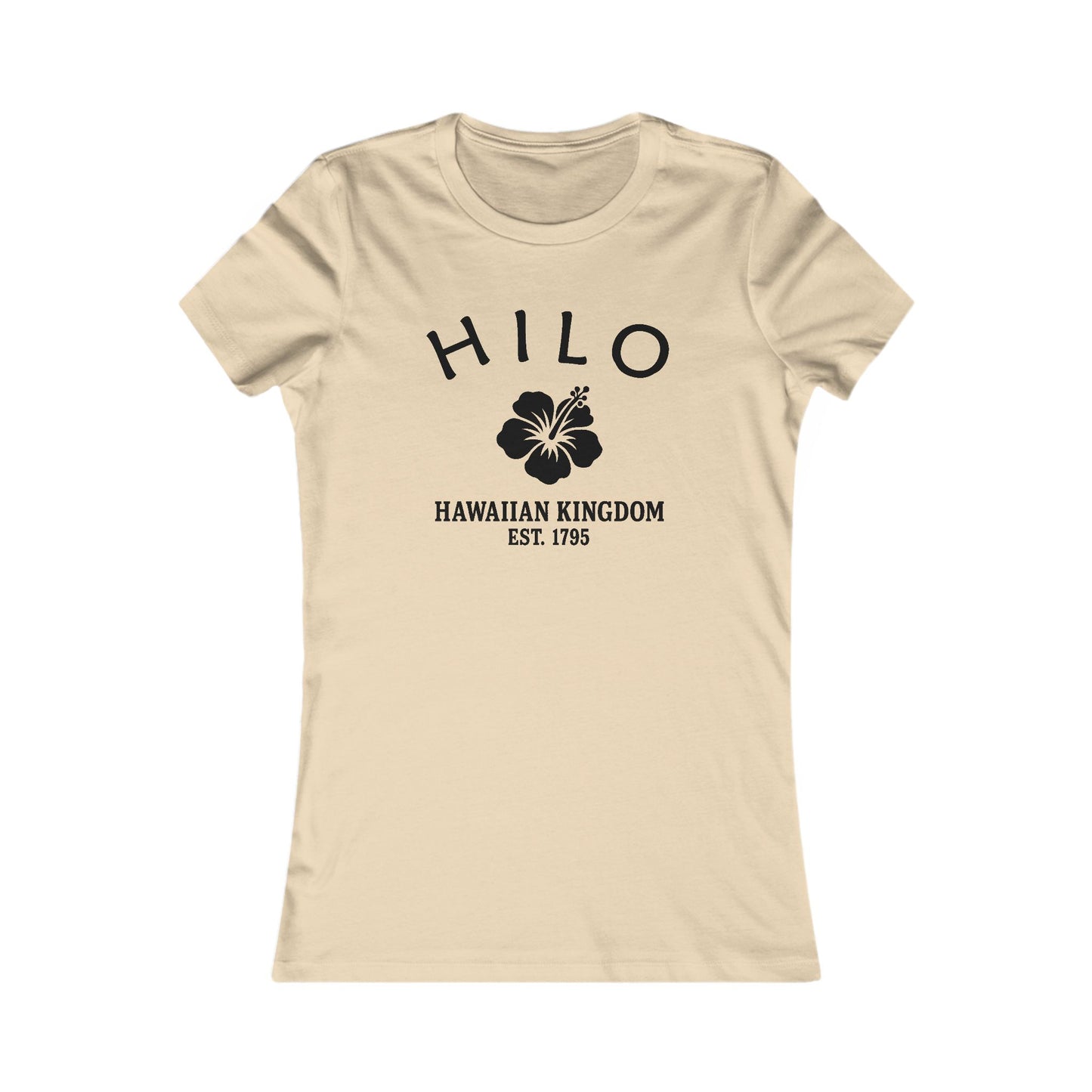
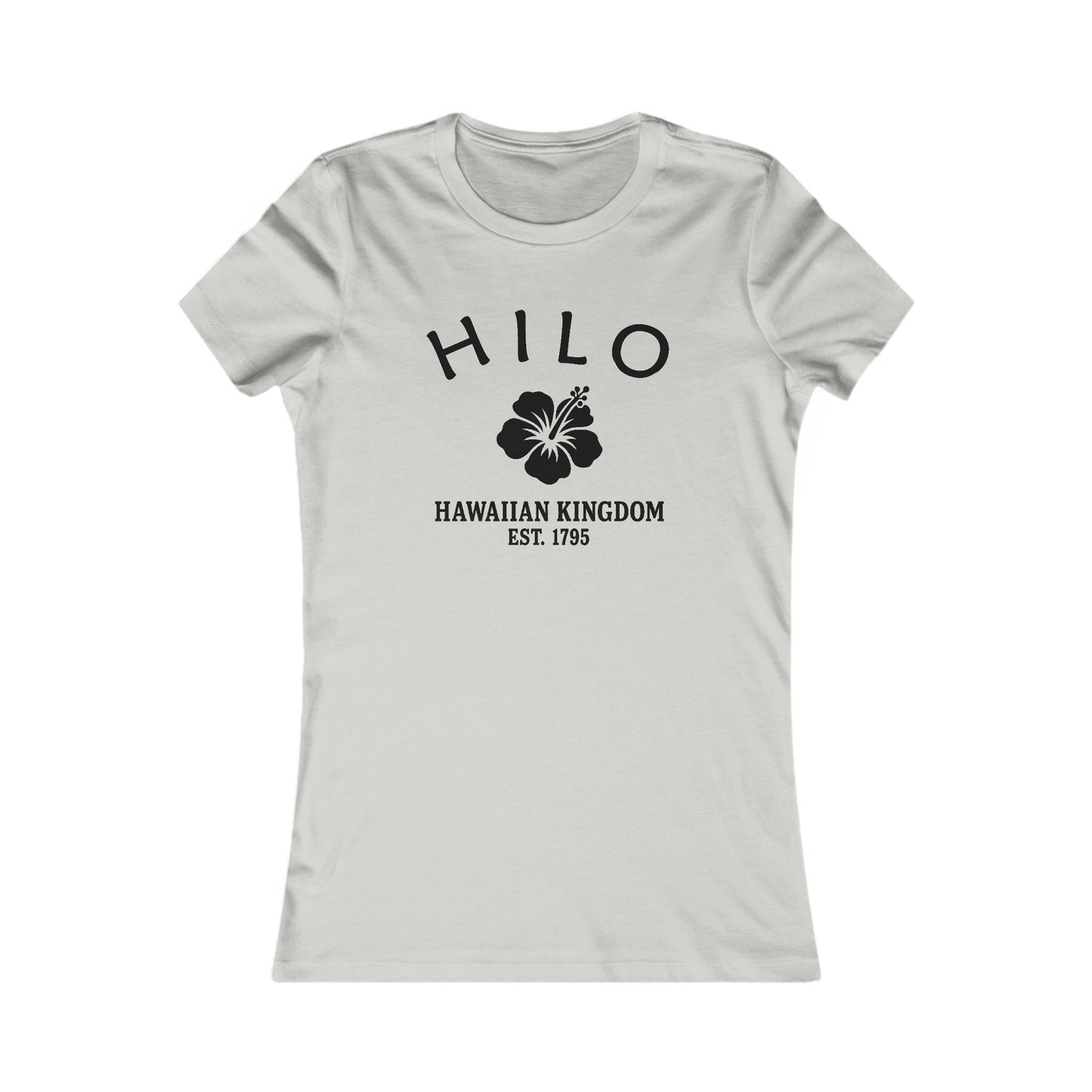
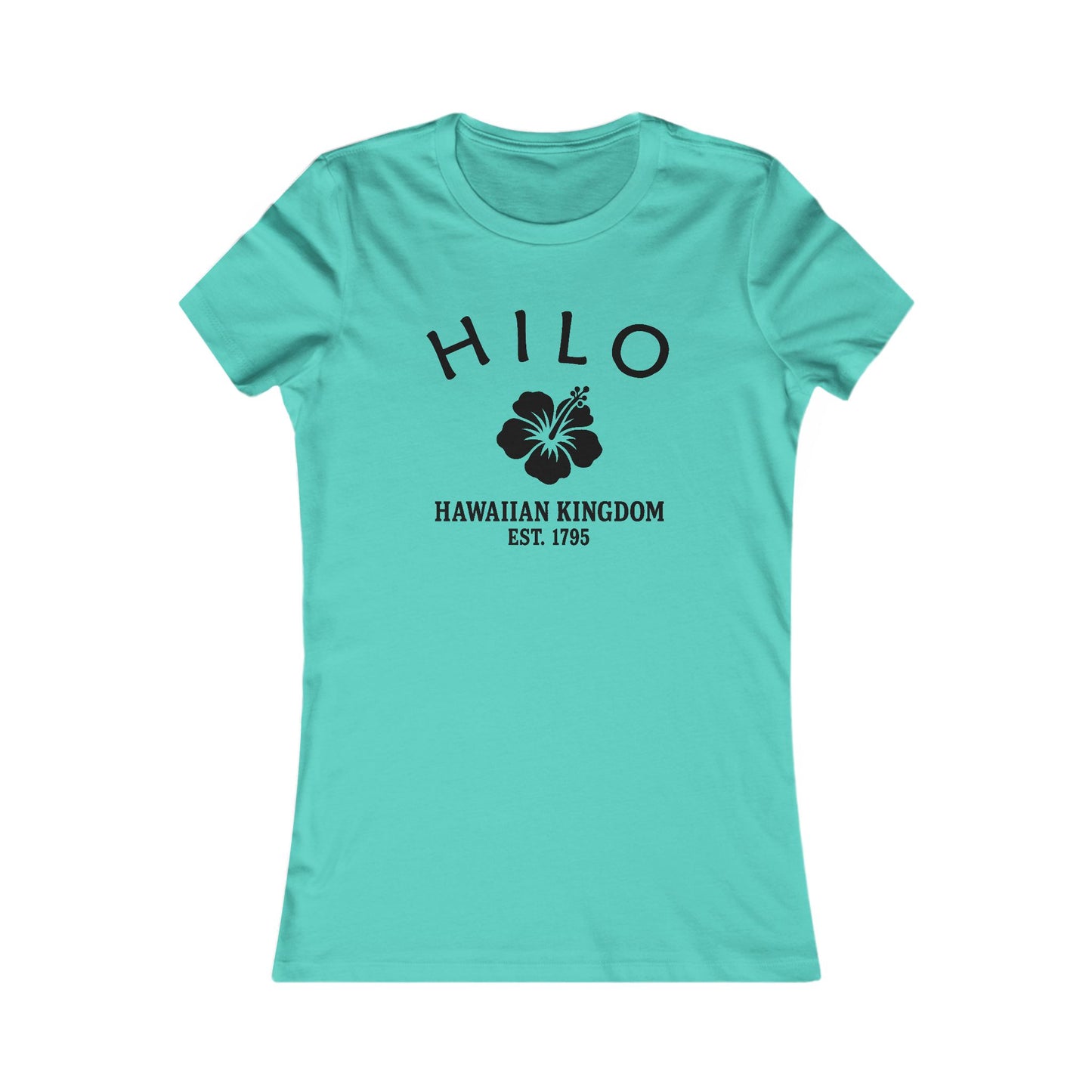
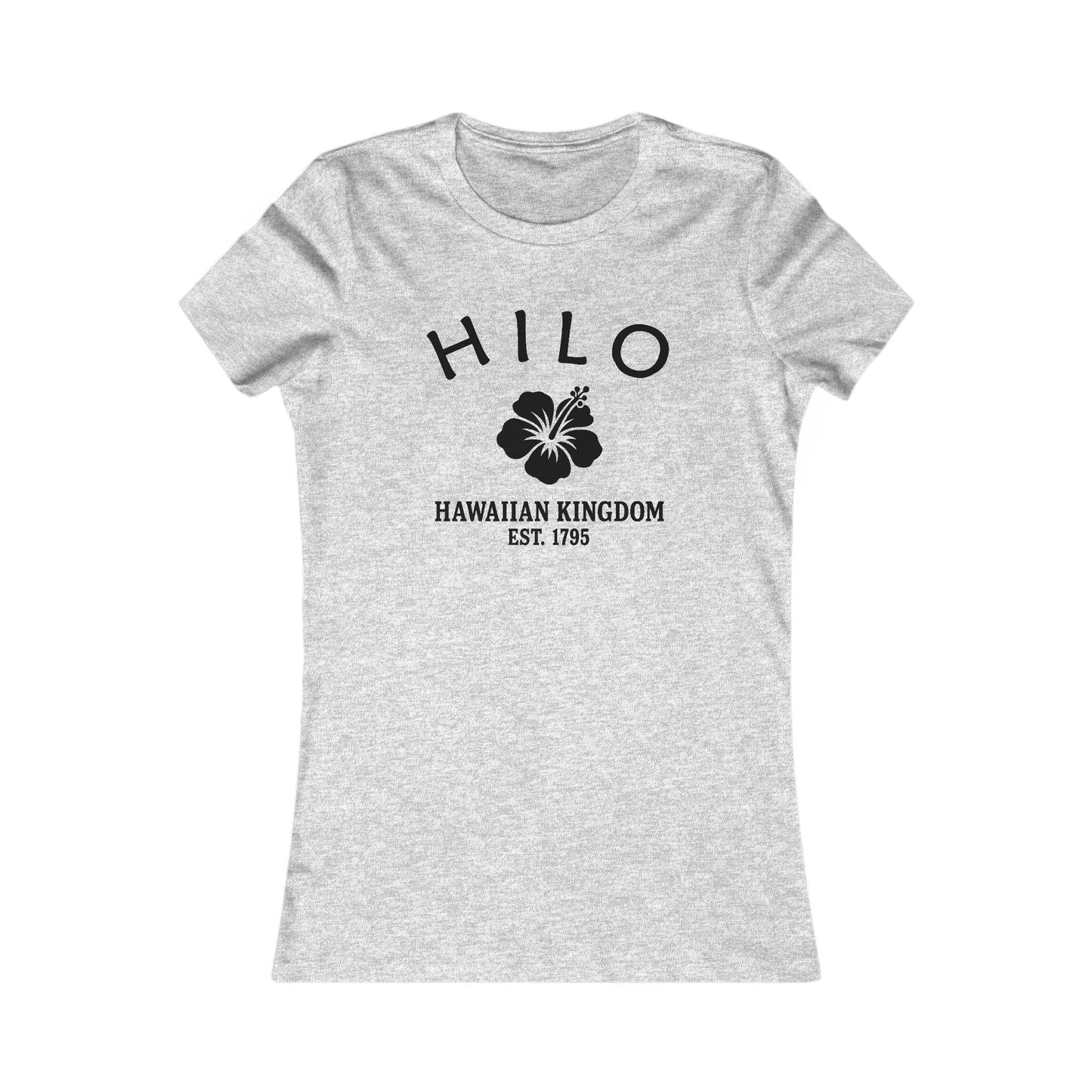
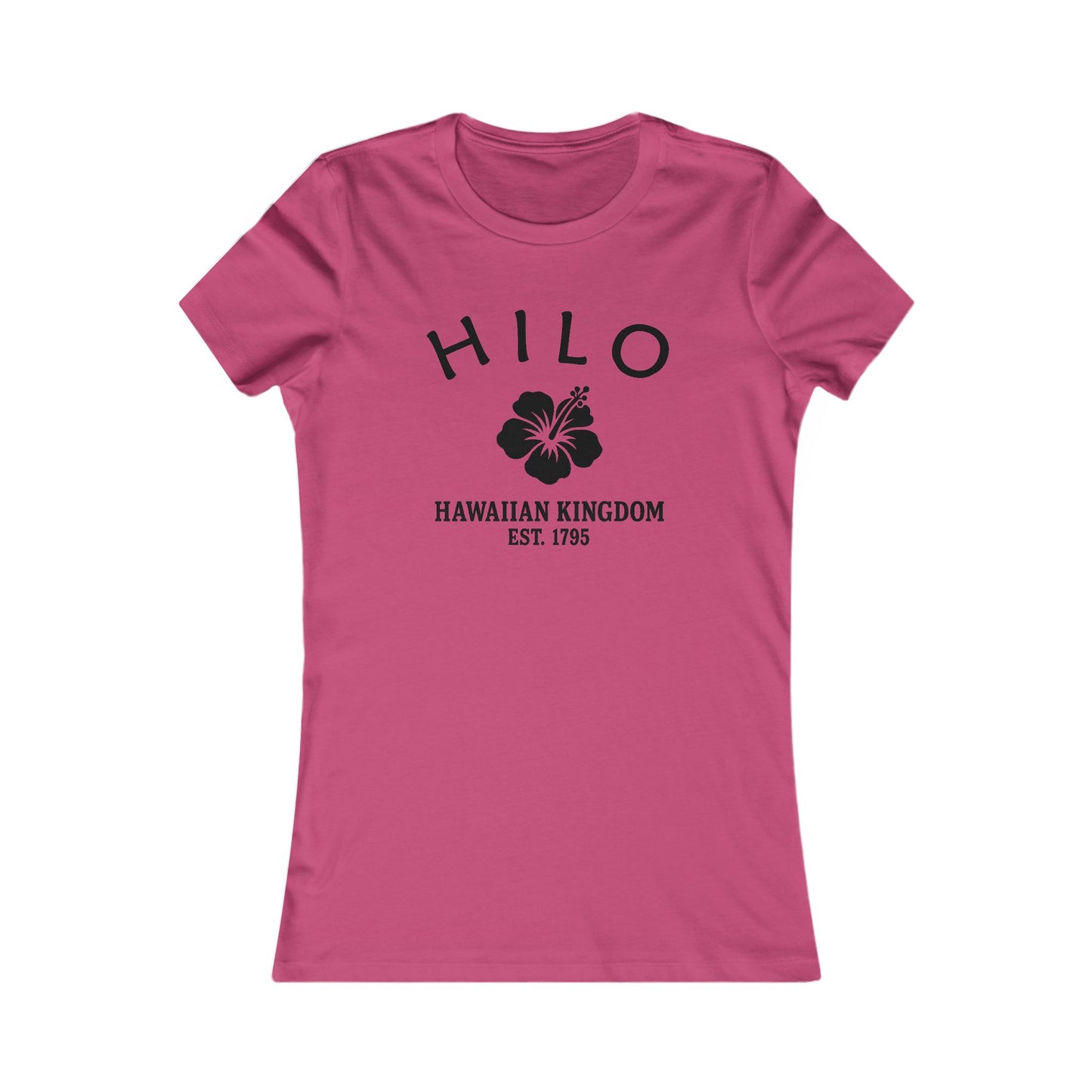
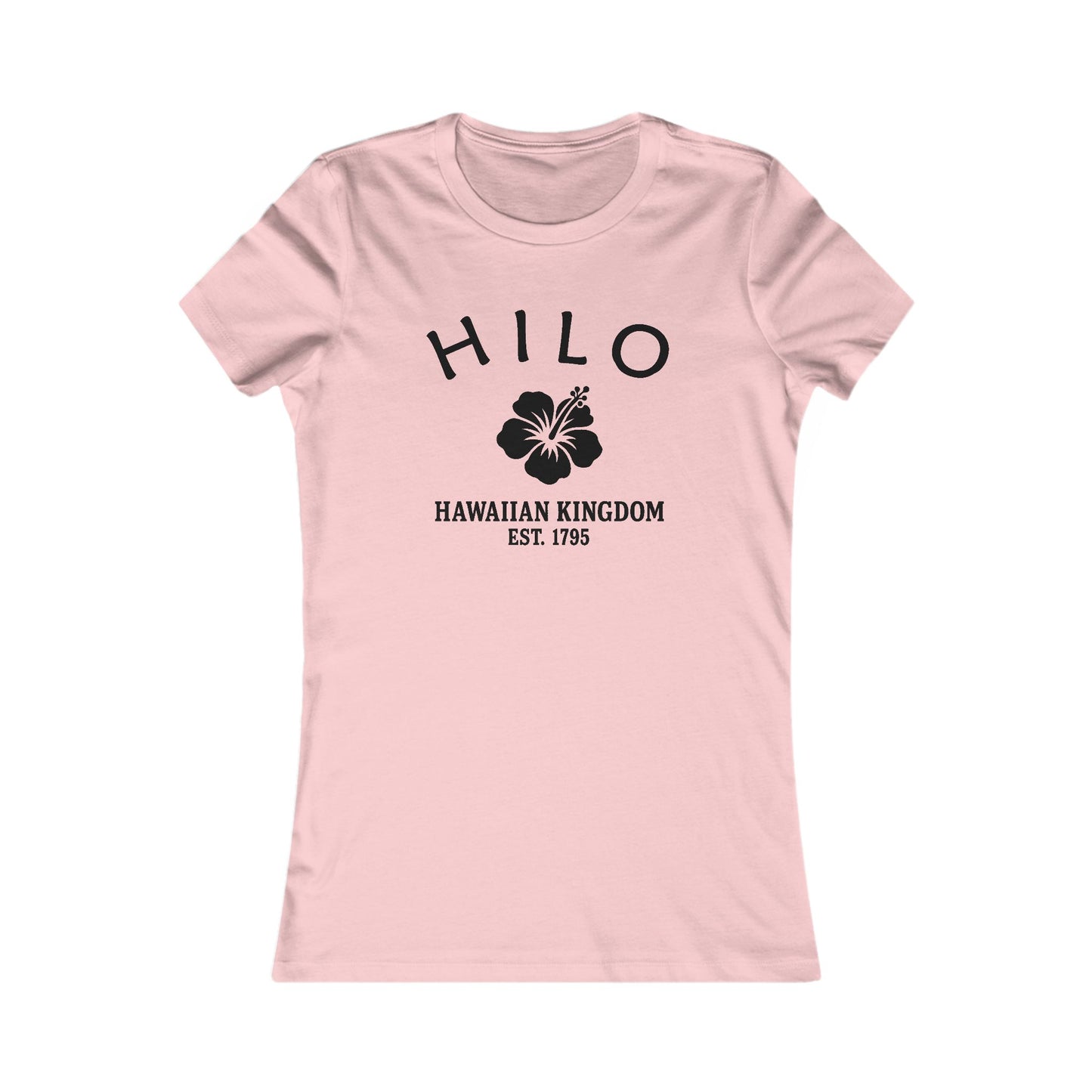
Our Hilo logo carries the same emblem every Merlin Classics Hawaiʻi place wears — the hibiscus, above “Hawaiian Kingdom · Est. 1795,” the year of unification under Kamehameha, printed in a worn, hand-pressed black and white. The hibiscus is the islands' mark, the through-line that ties Hilo to every other Hawaiʻi place we make — a nod to the aloha that defines them. What makes this one Hilo is everything around it: the bay, Rainbow Falls on the Wailuku, and the rain-green mountains behind the town.
Why People Visit Hilo
Hilo offers the most authentic, culturally rich side of Hawaiʻi Island — waterfalls, gardens, markets, and deep Hawaiian heritage, all in a relaxed bayfront town. Visitors come for the rainforest scenery and the easy access to volcanoes and coast, and stay for the unhurried, welcoming feel of a real town rather than a resort strip. From the morning rainbows at Waiānuenue to the gardens along the bay, it rewards a slow pace. It is green, genuine, and beautiful in every season on the bay.
