

Today the deep harbor that drew the shipwrights and the Navy still defines Groton. The Submarine Force Museum berths the Nautilus on the Thames; Fort Griswold Battlefield State Park keeps the monument and the memory; and the coast opens out at Bluff Point, Eastern Point Beach, and Avery Point, where the last lighthouse built in Connecticut still stands above Long Island Sound. Groton is Connecticut's hard-edged maritime soul — monuments, harbors, and the deep water that made all of it possible.
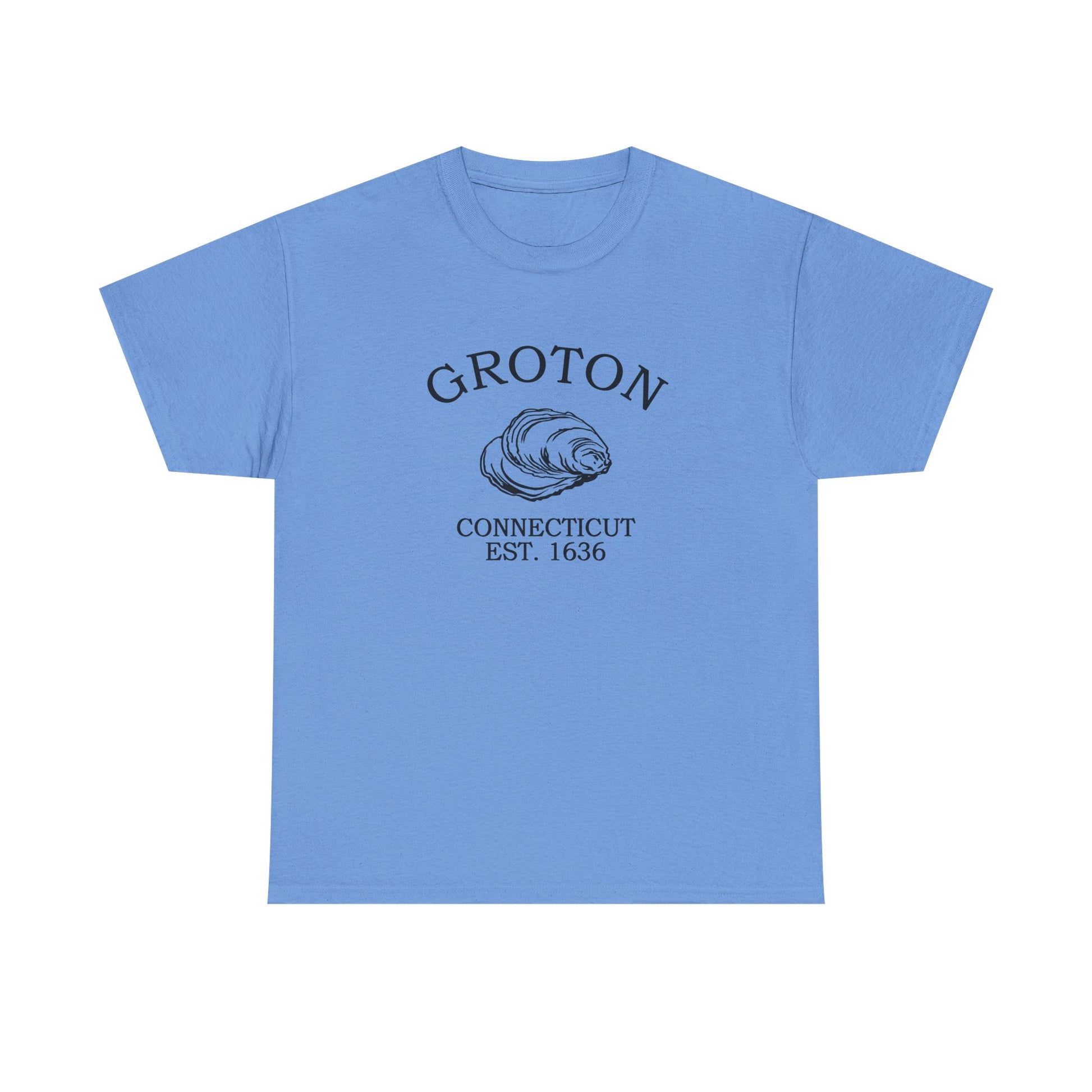
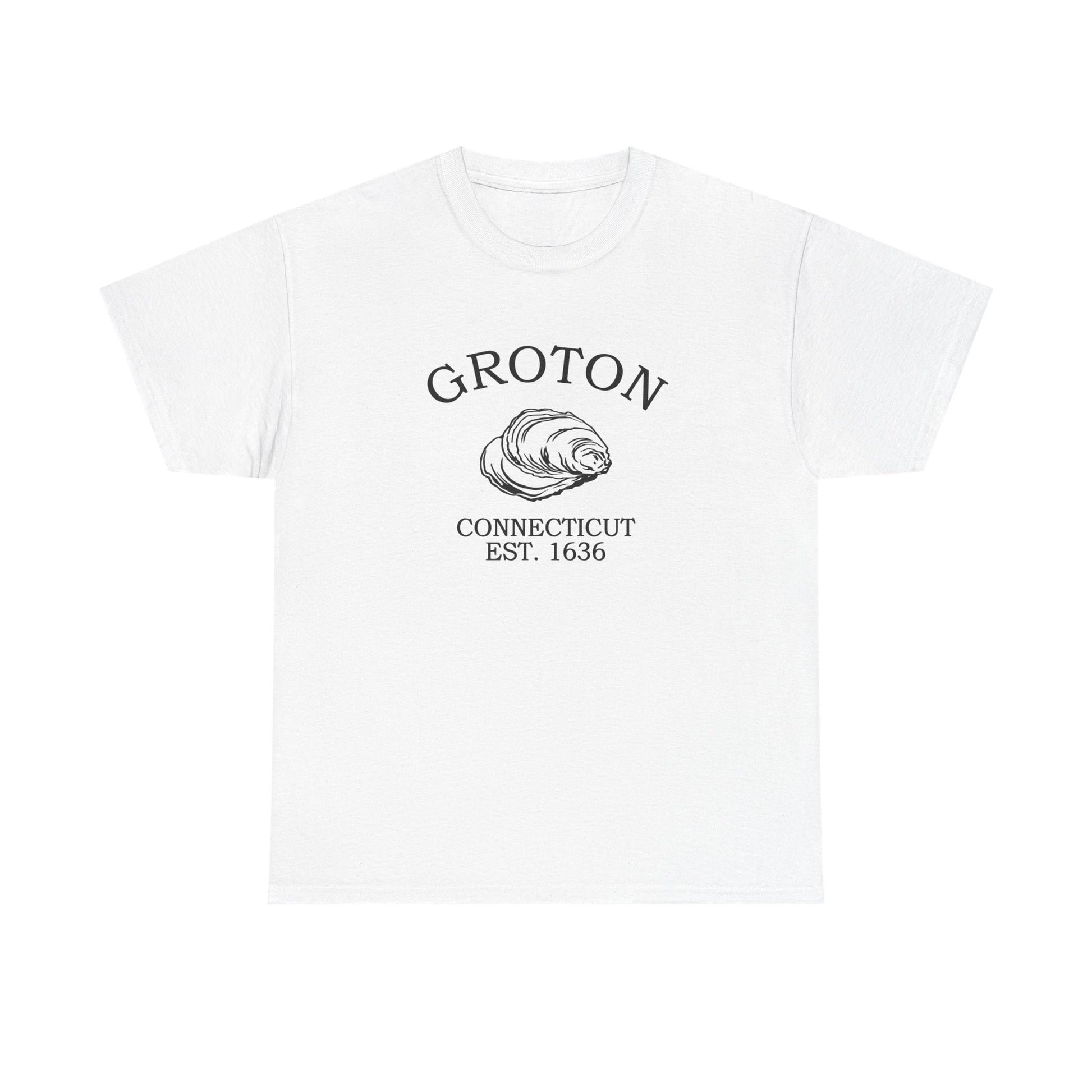
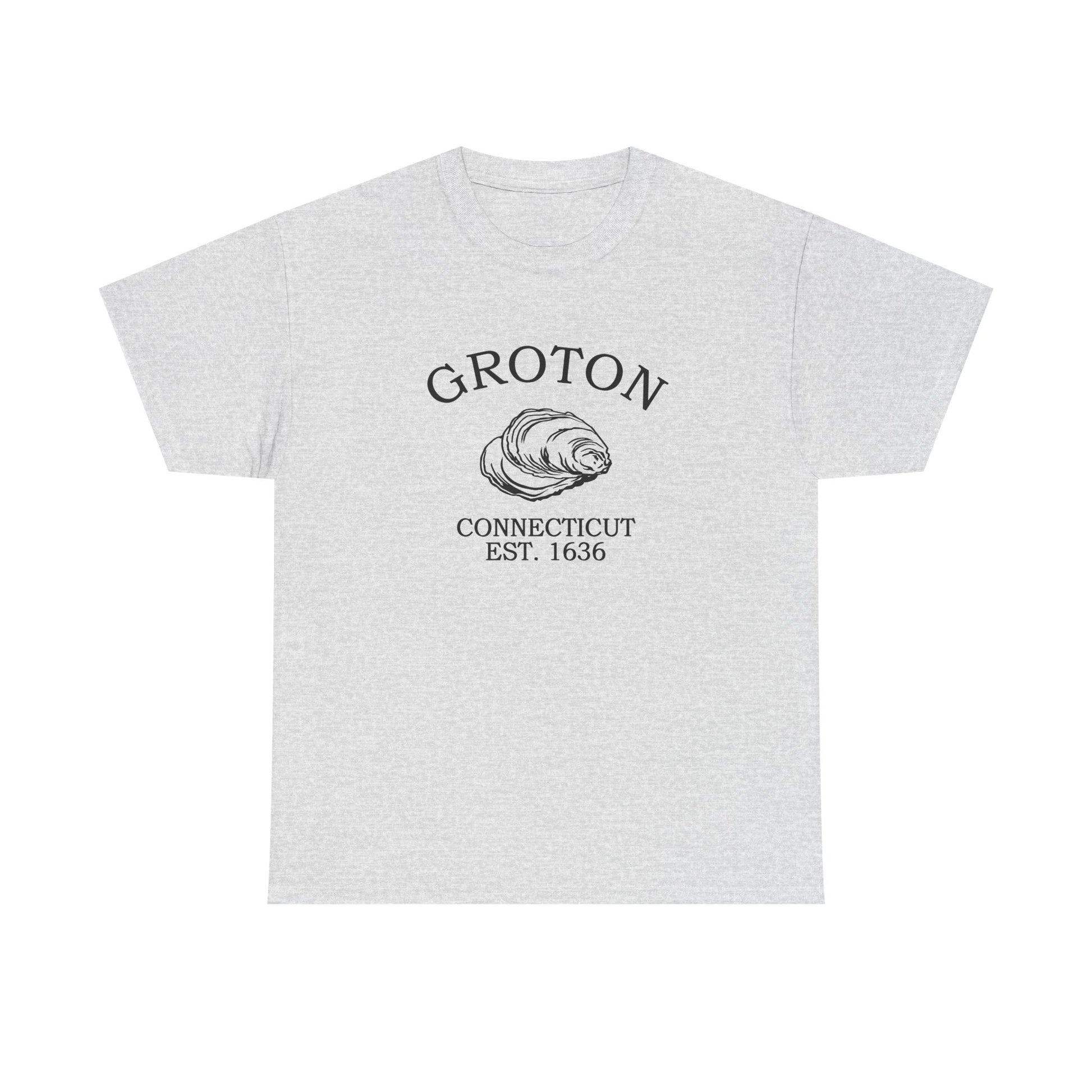
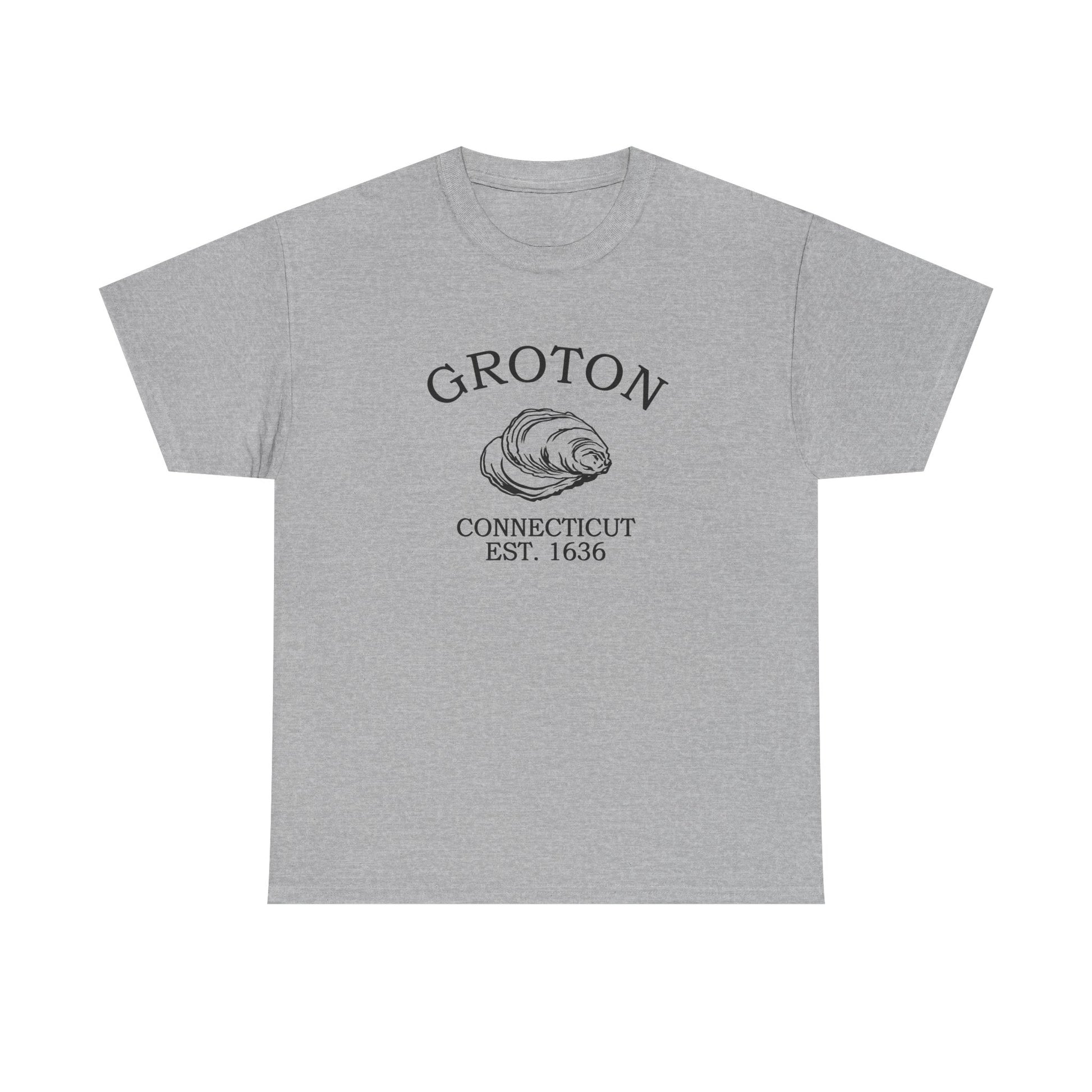
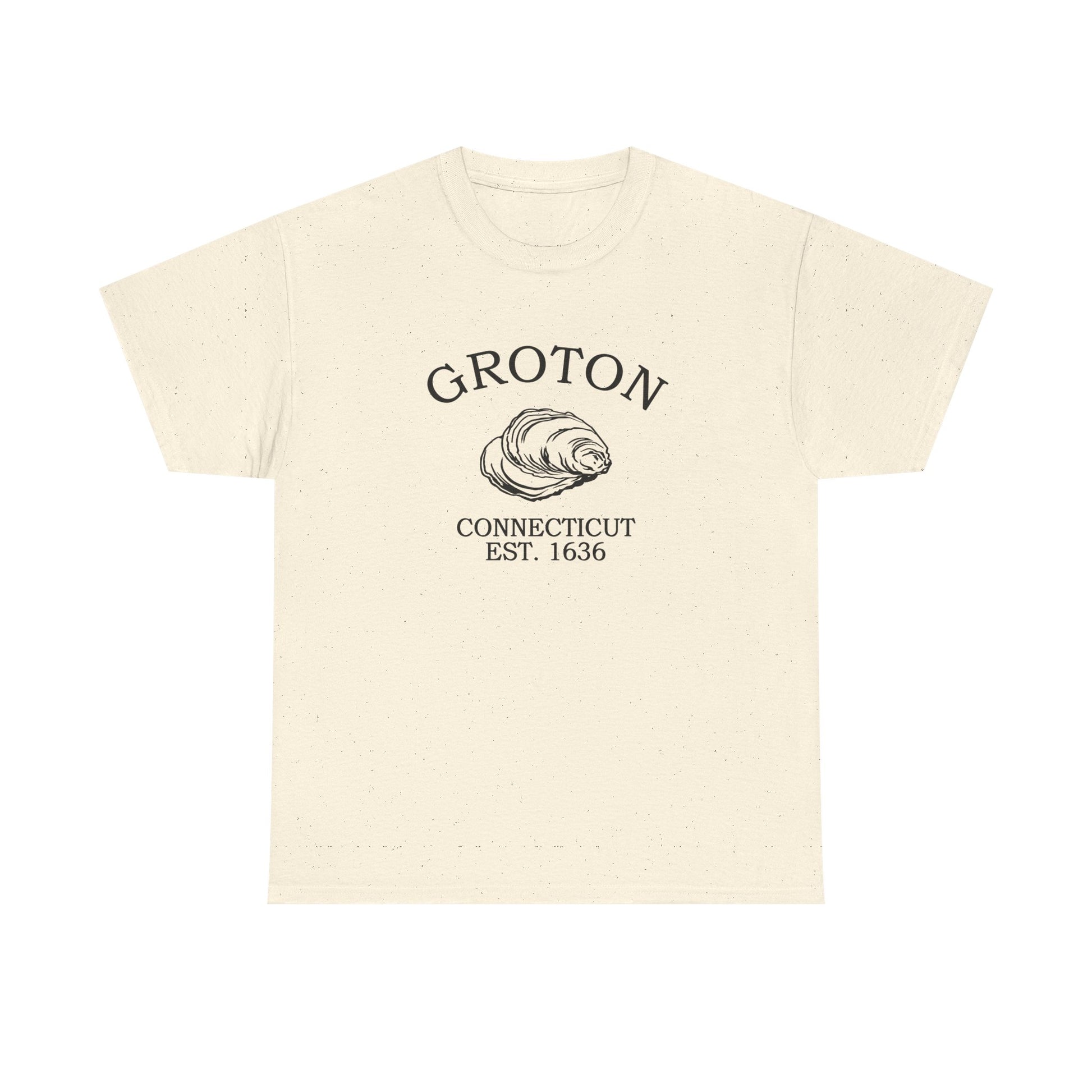
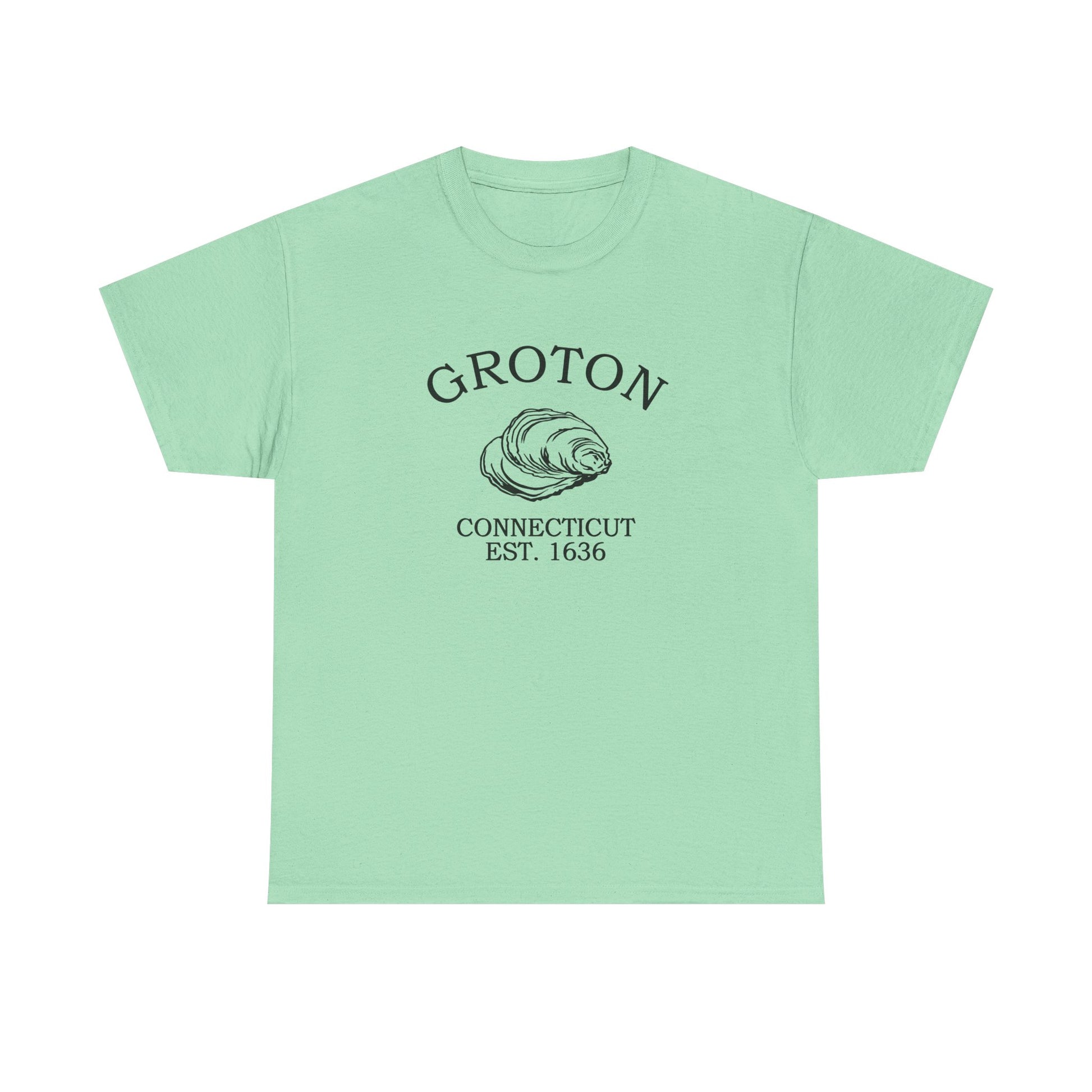
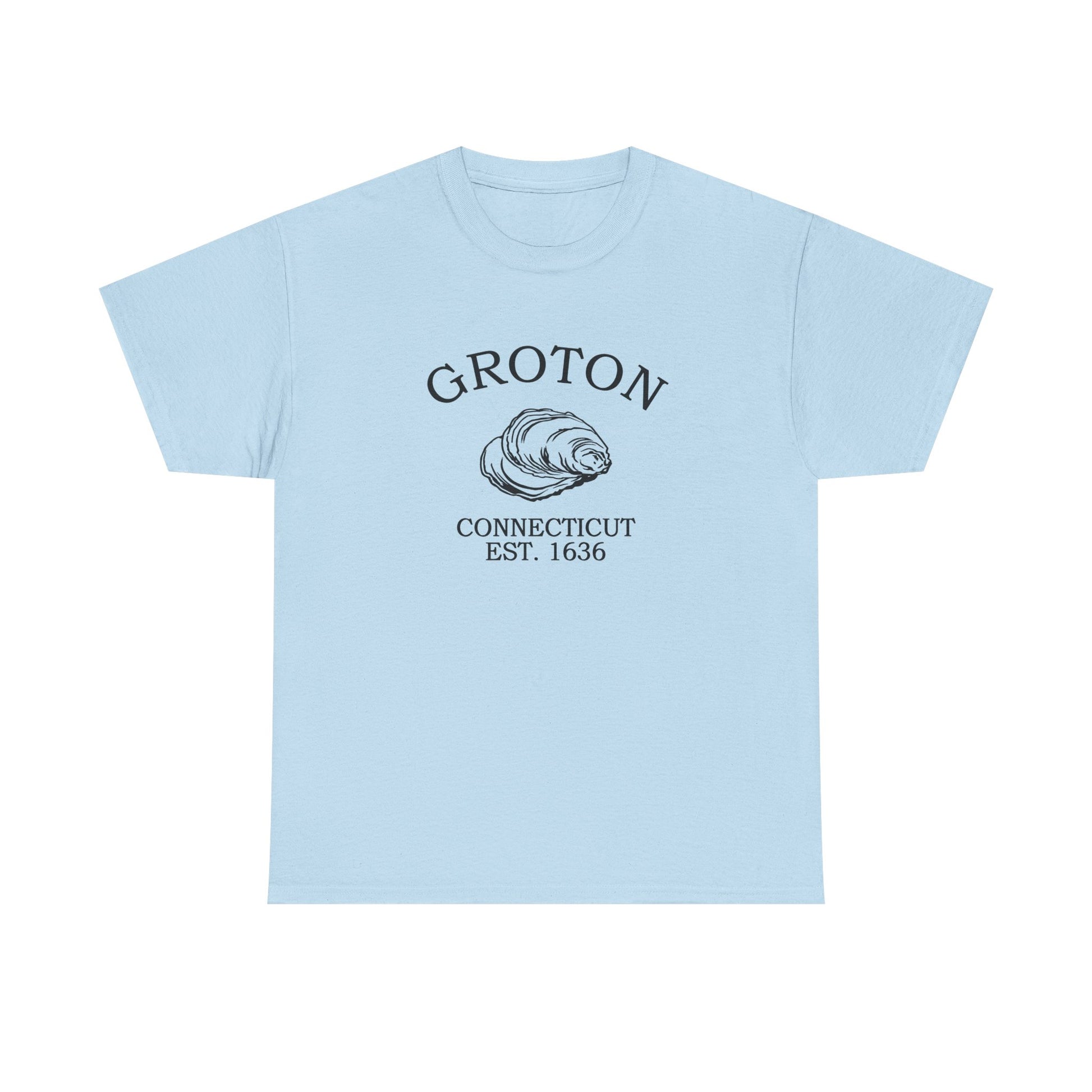
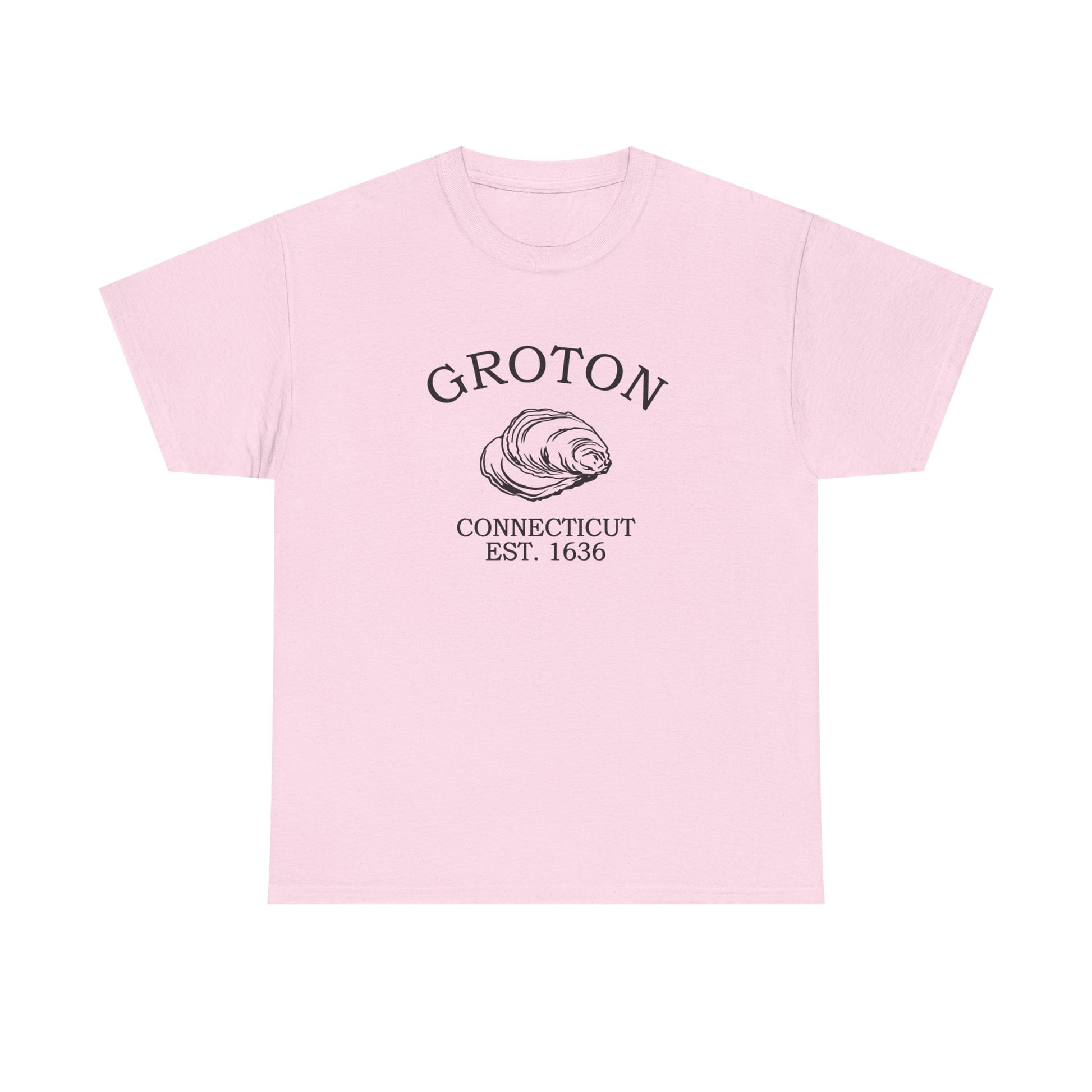
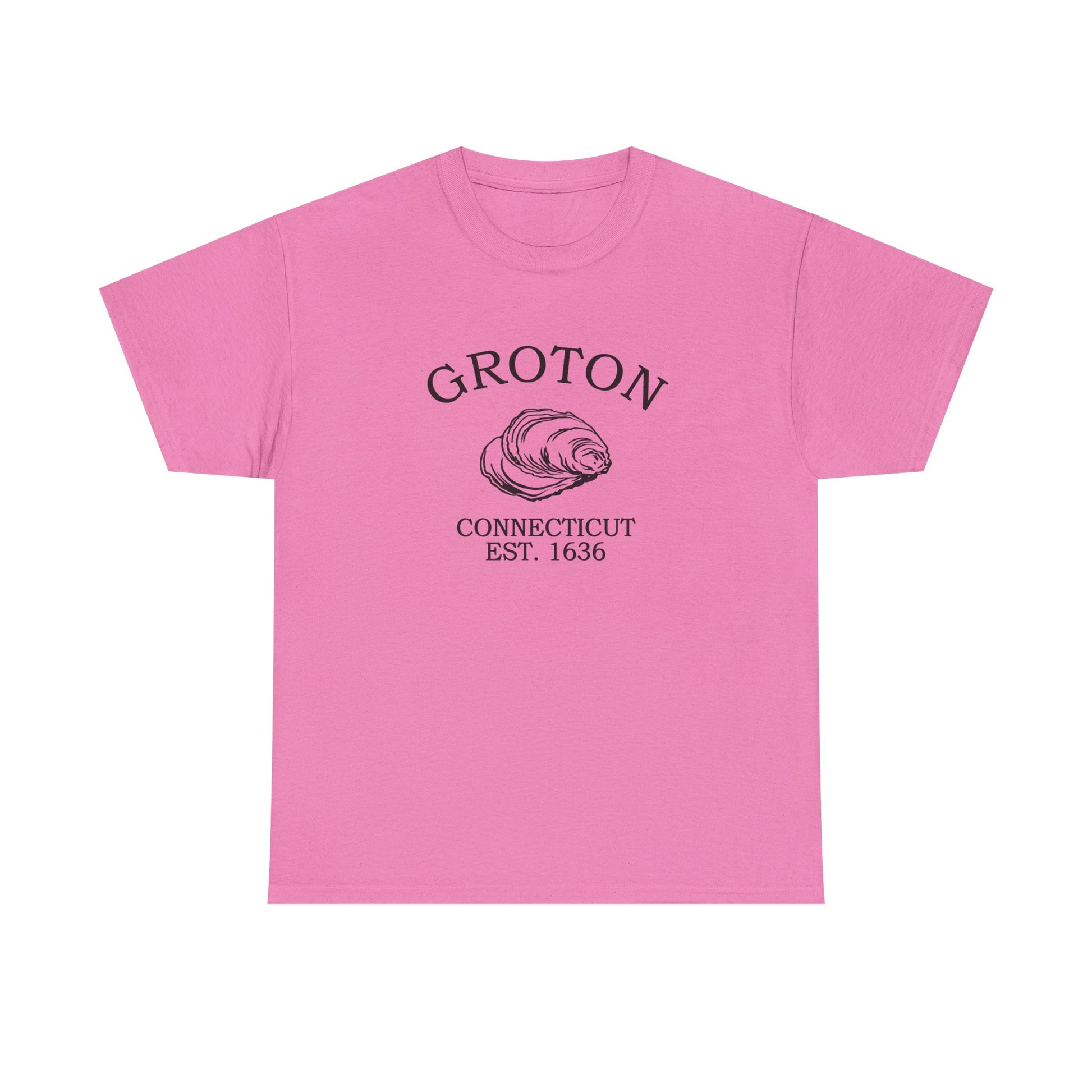
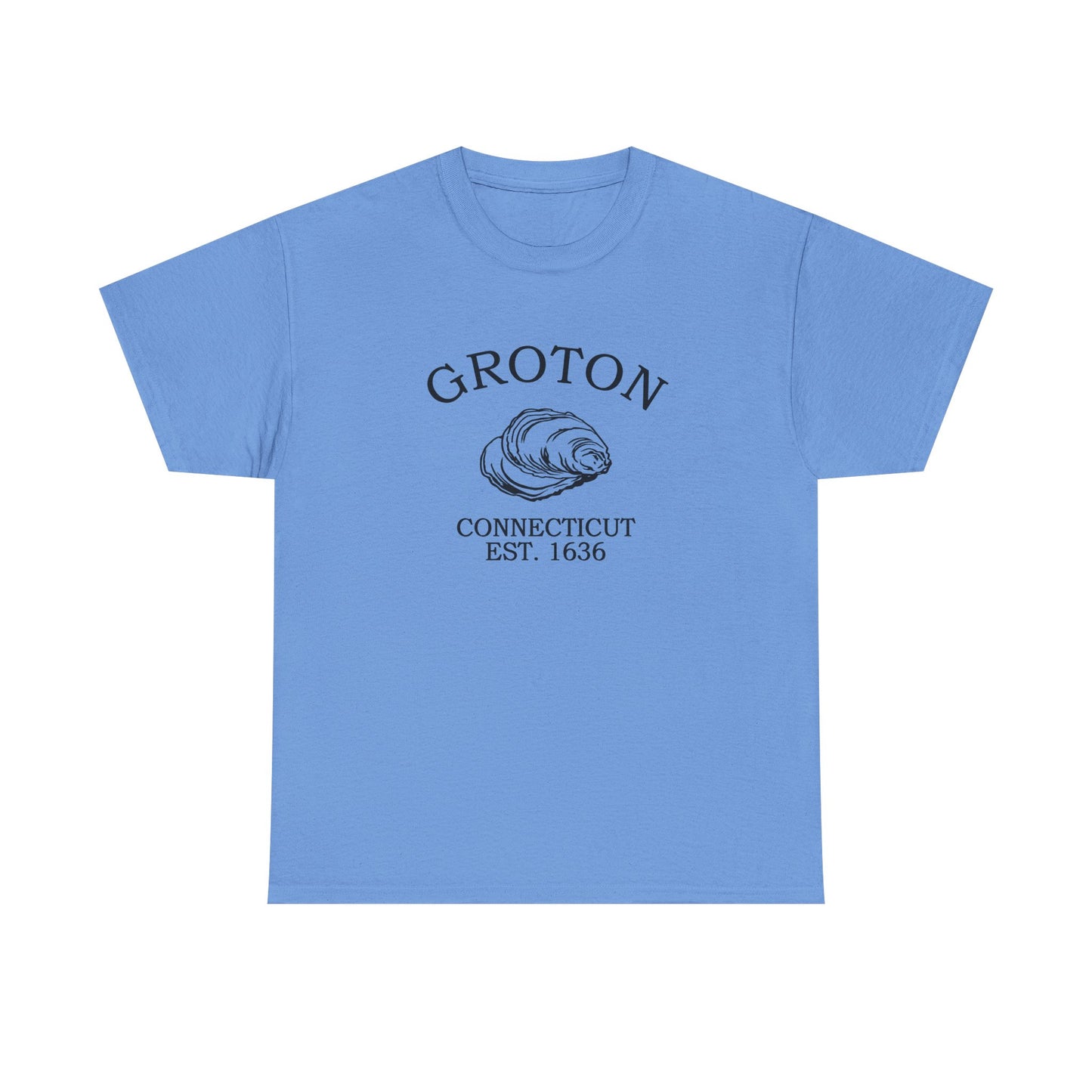
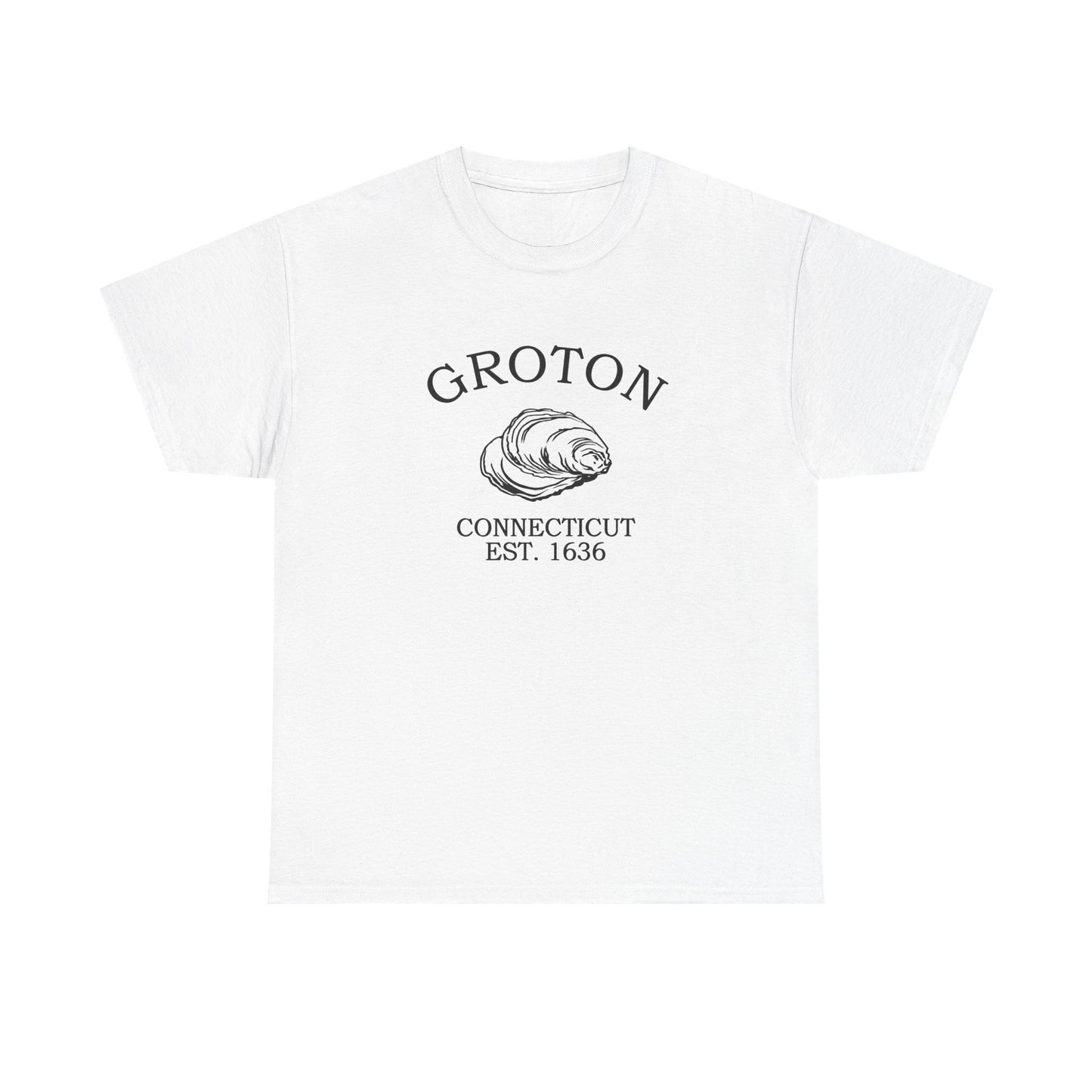
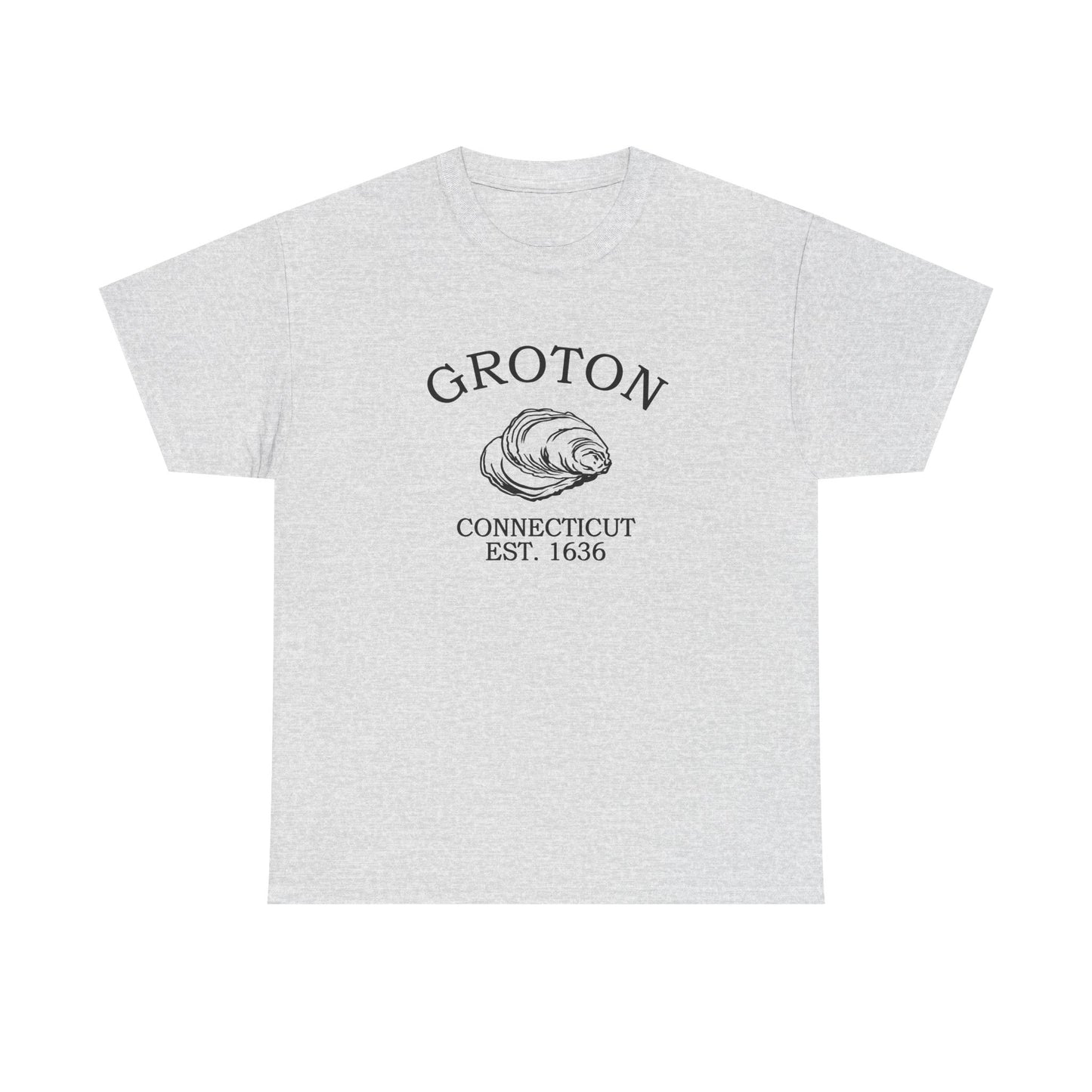
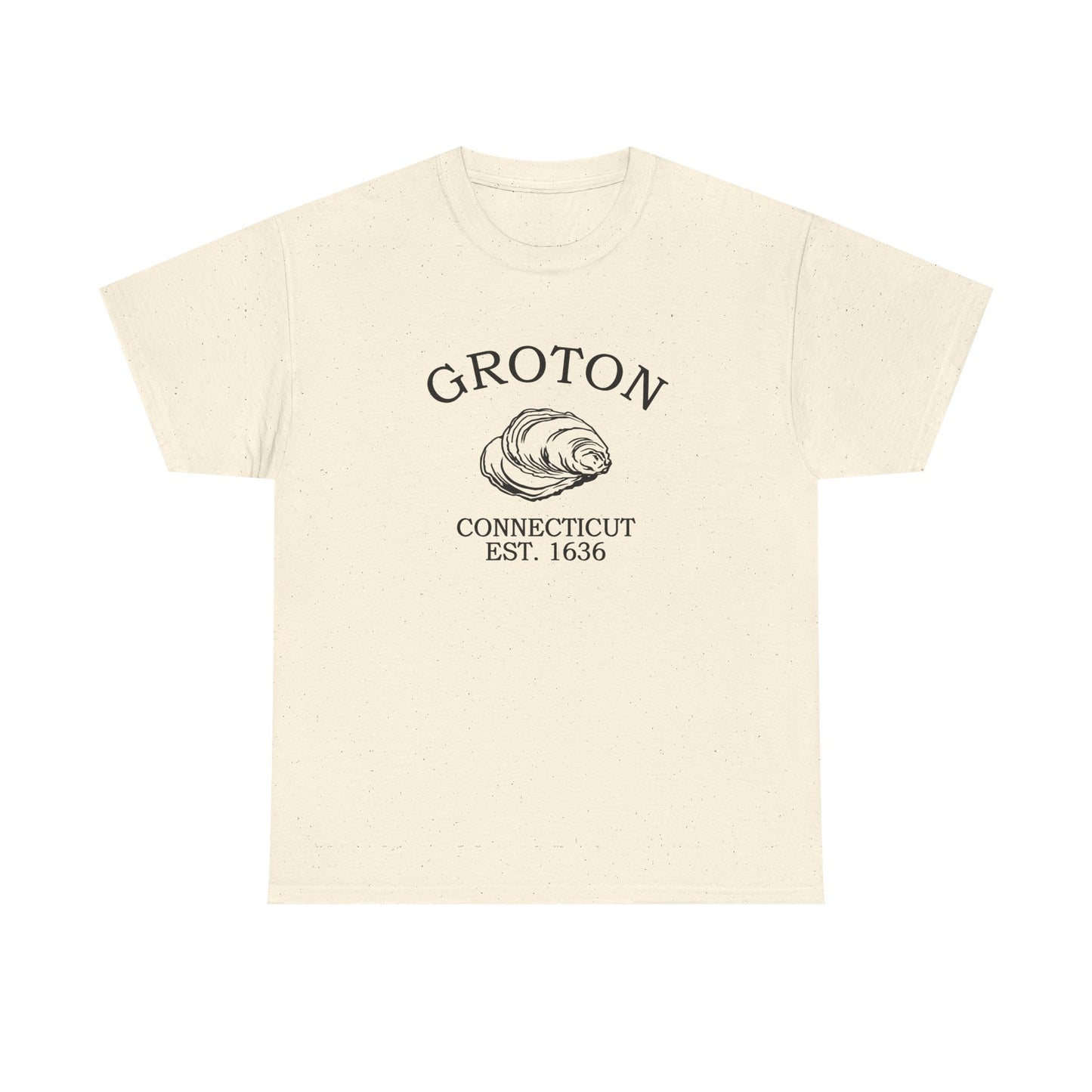
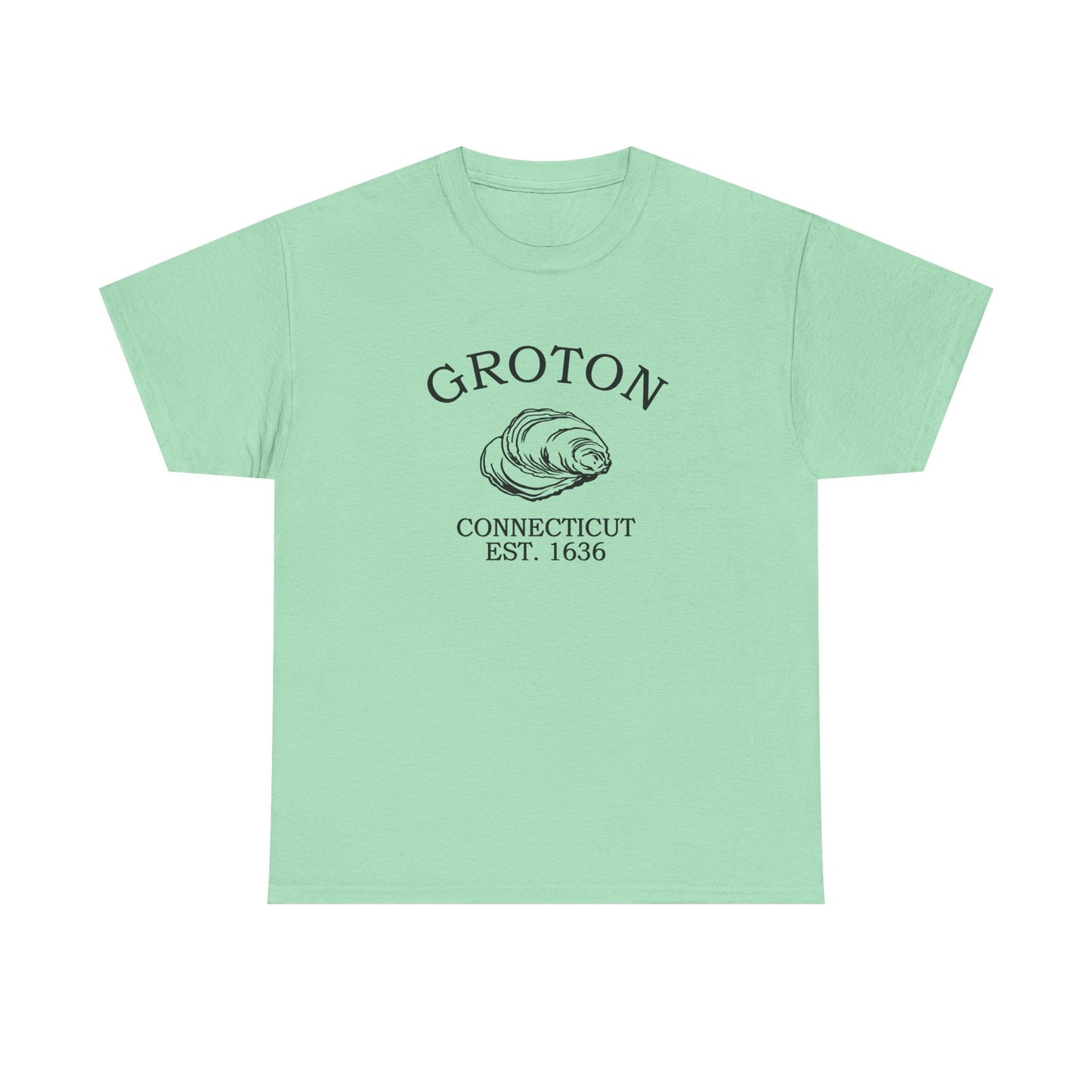
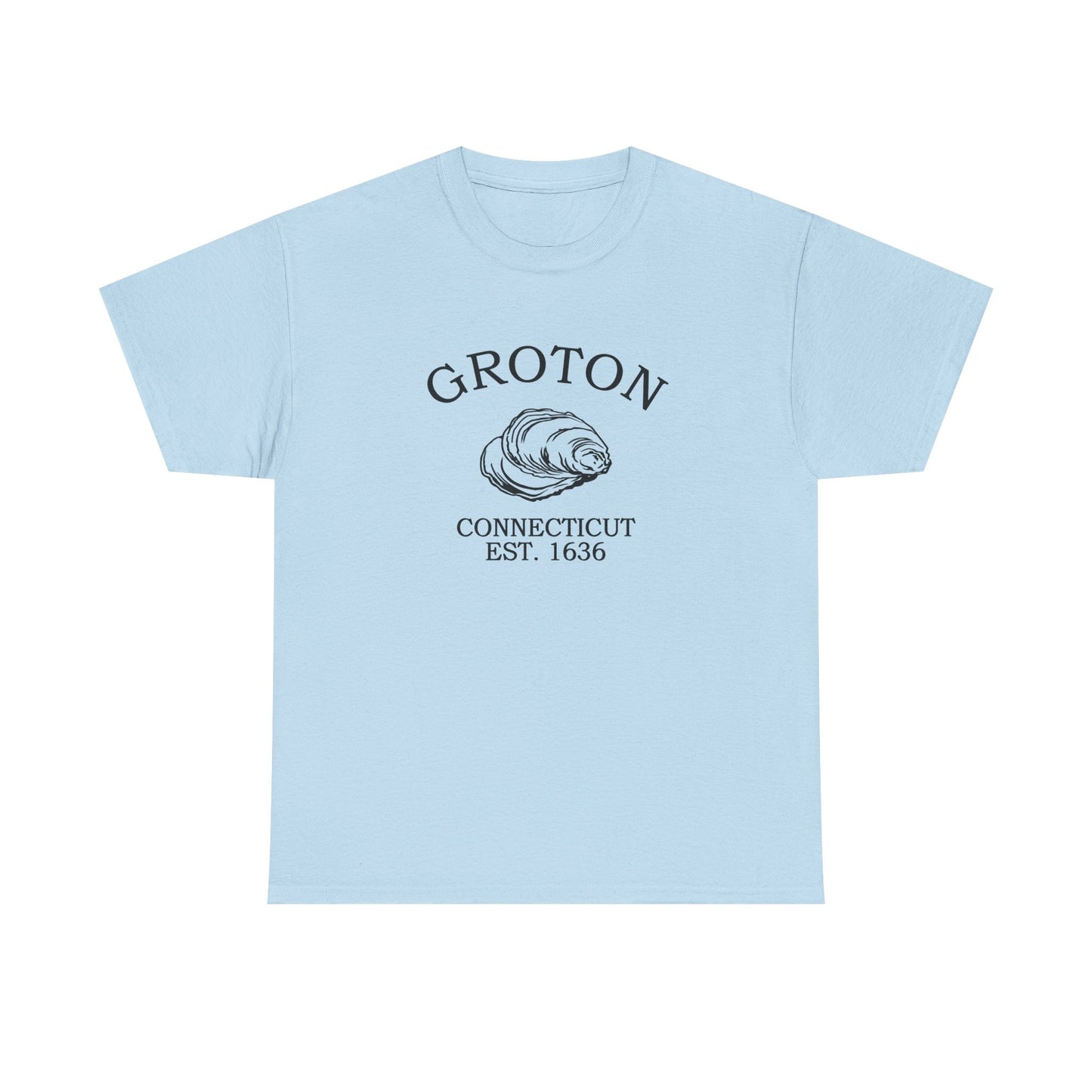
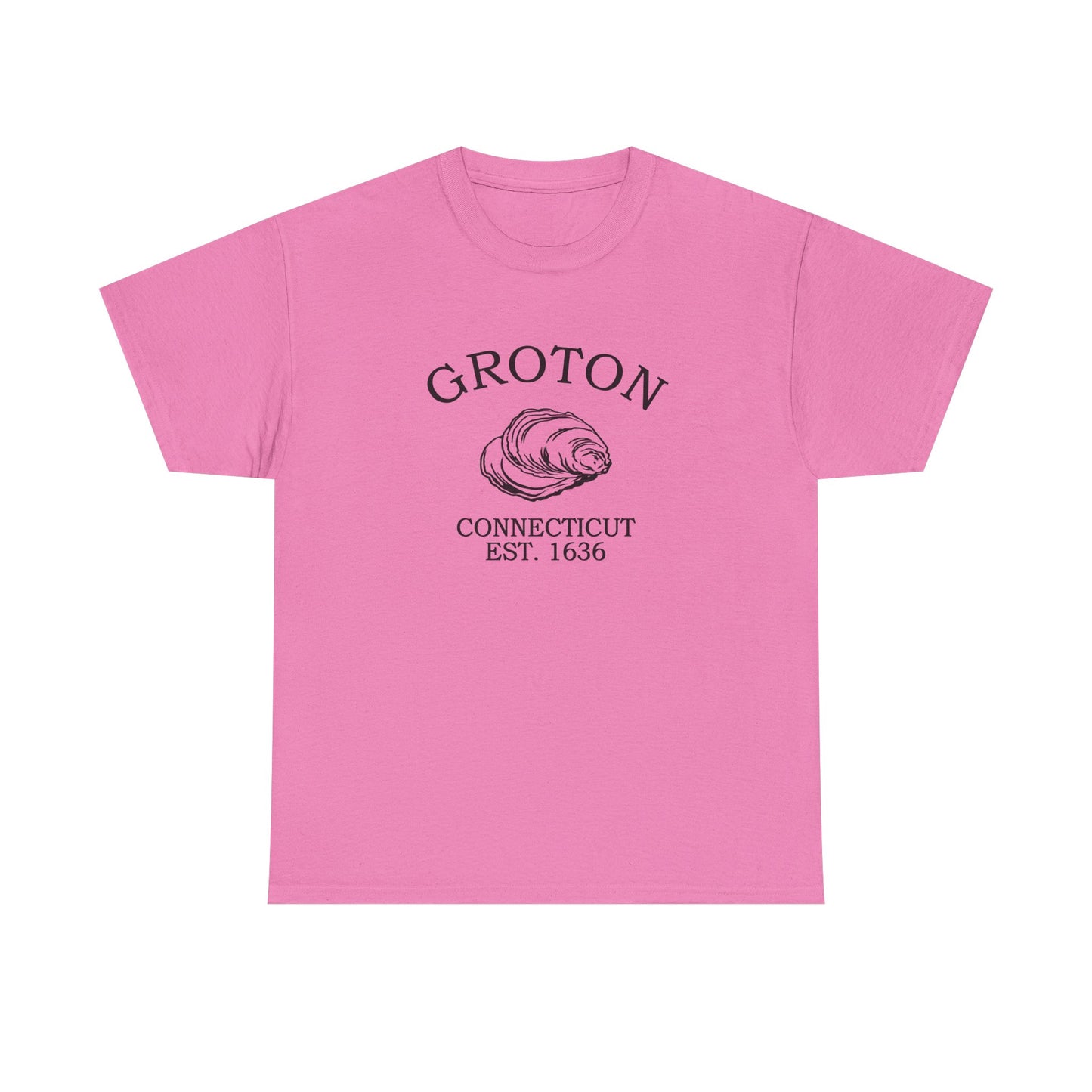
Our Groton logo carries the same emblem every Merlin Classics Connecticut town wears — an oyster above "Connecticut, Est. 1636," the colony's founding year, rendered in hand-printed black and white with a worn, vintage feel. The oyster is the shoreline state's mark, the through-line that ties Groton to every other Connecticut town we make. What makes this one Groton is everything around it: the submarine harbor, the monument on the heights, the deep Thames water. On a tee or a cap it reads less like a souvenir and more like a small piece of the Connecticut coast — Est. 1636, worn plain.
Why People Visit Groton Connecticut
Groton draws people who love the sea and the stories that come with it. It is the Submarine Capital of the World, with the first nuclear submarine open to walk through; it is a Revolutionary battlefield with a monument to its fallen; and it is a working shoreline of deep harbor, forts, beaches, and lighthouse points. Visitors come for the rare combination — naval history you can stand inside, colonial history you can climb, and a Connecticut coast you can walk all in one town on the Thames.
