


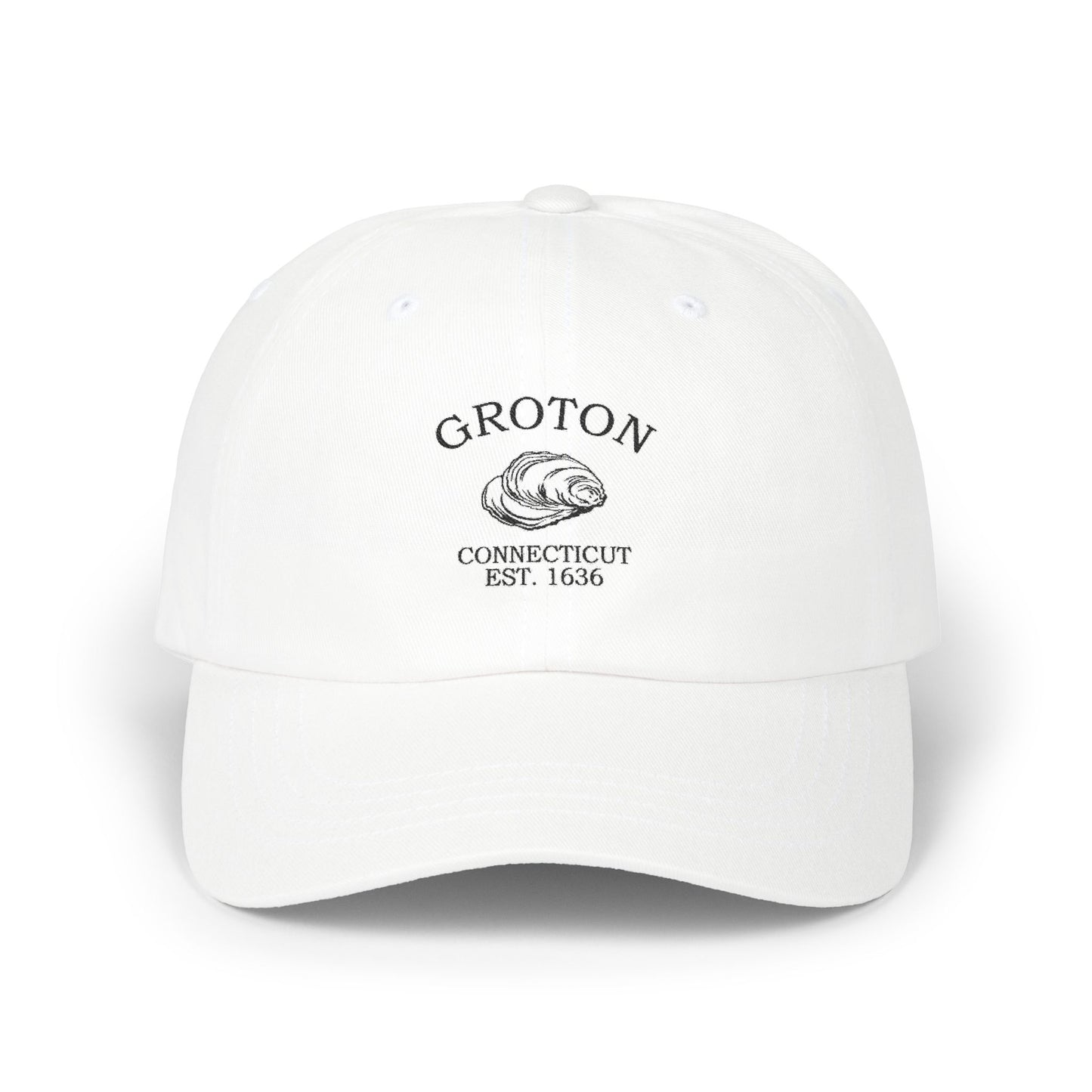
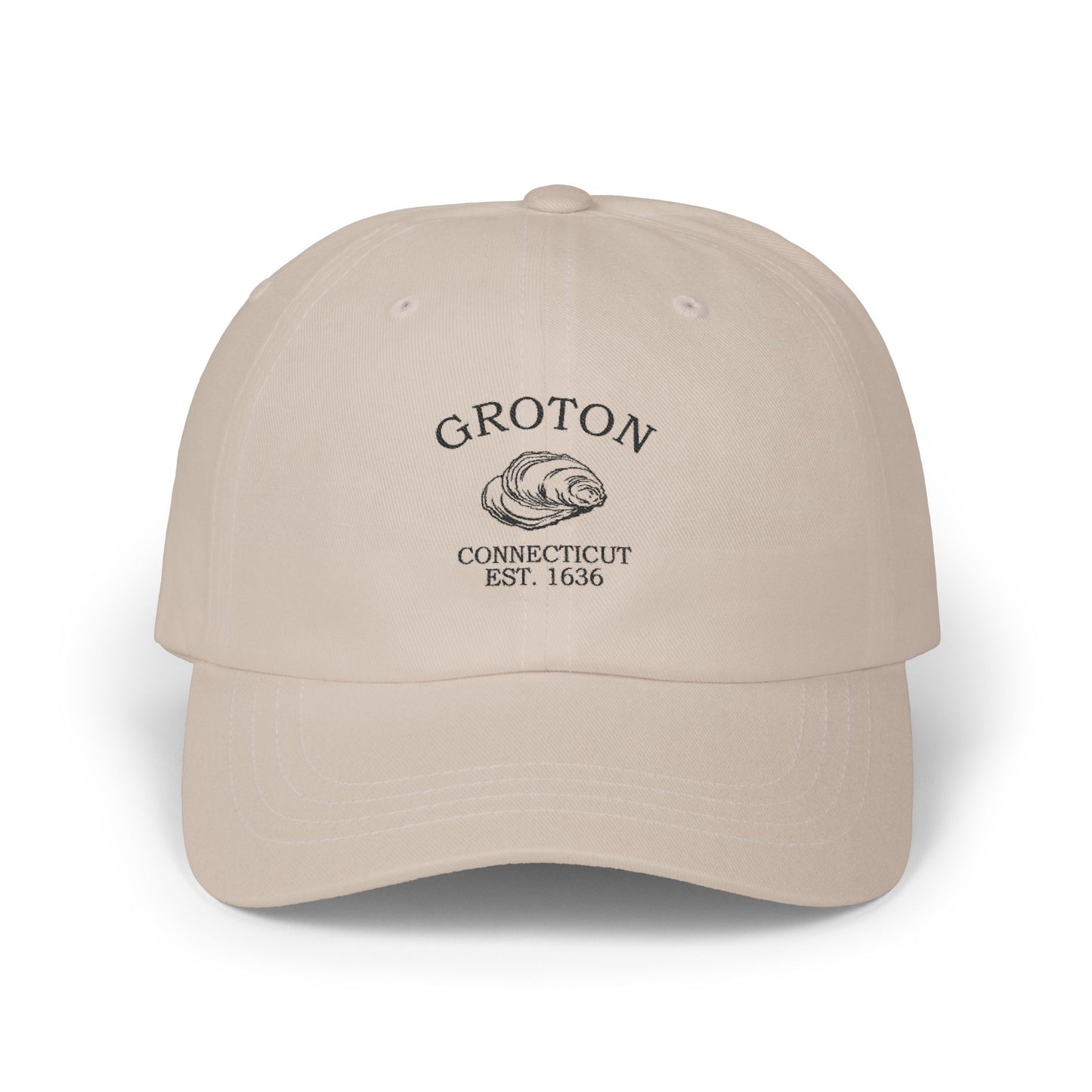
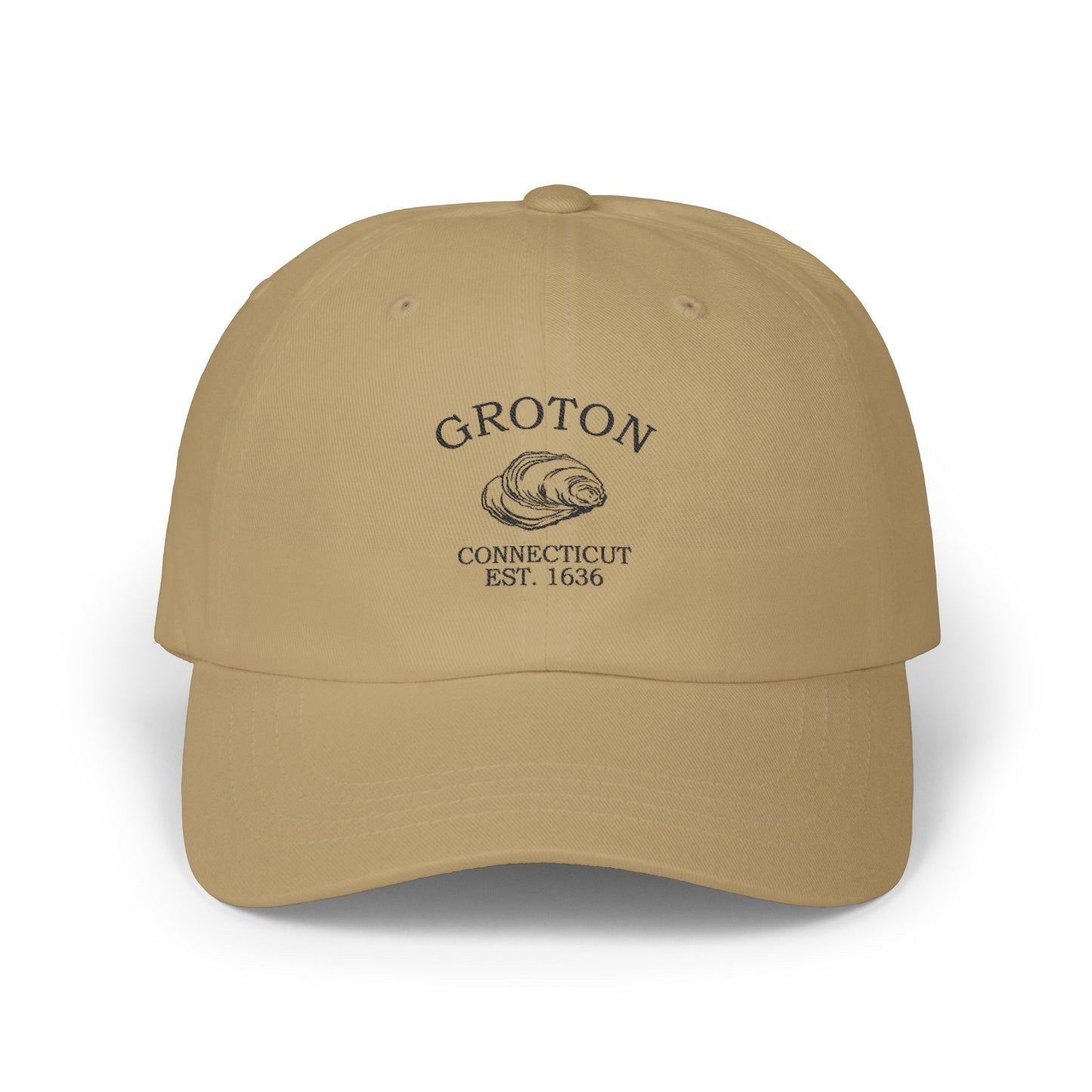
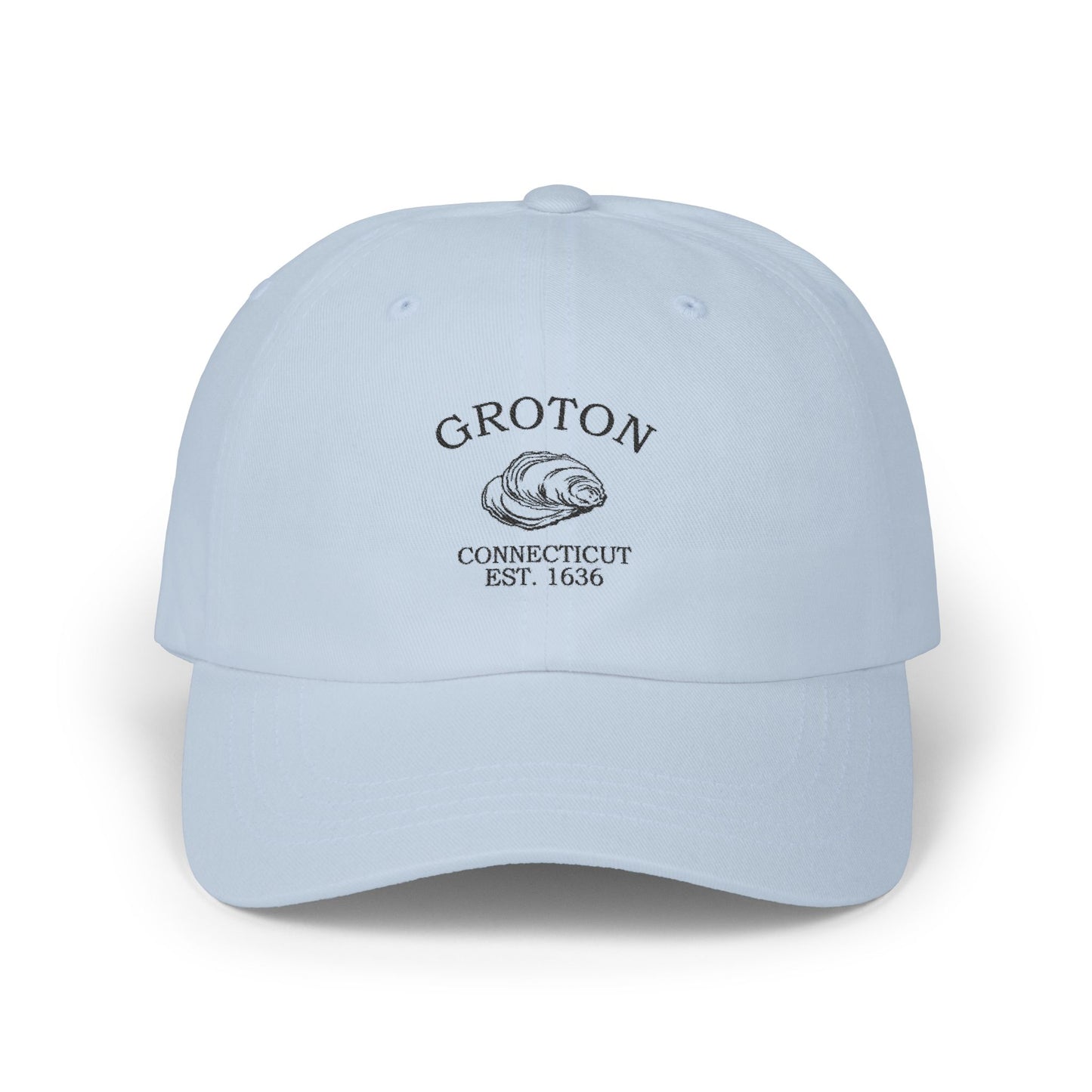
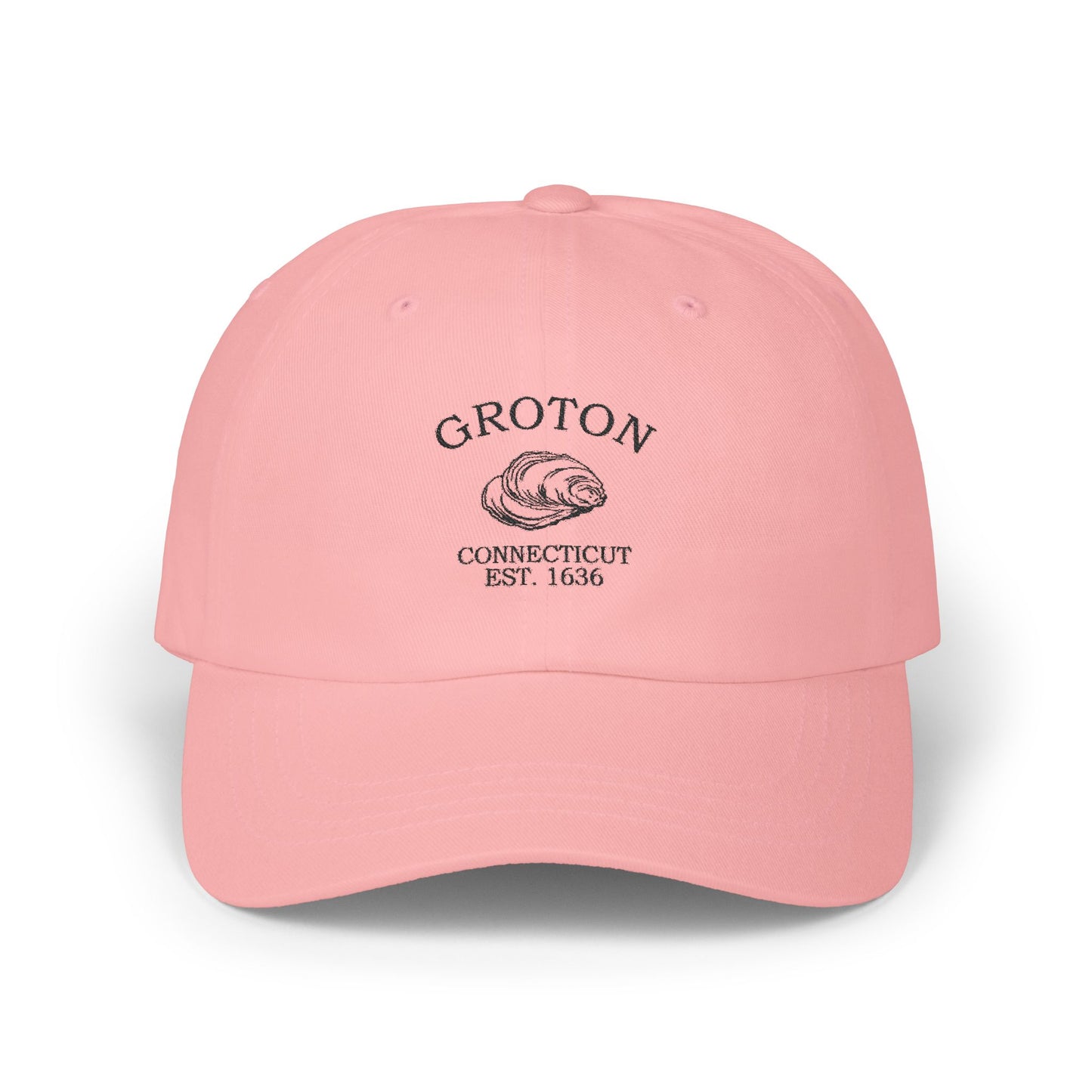
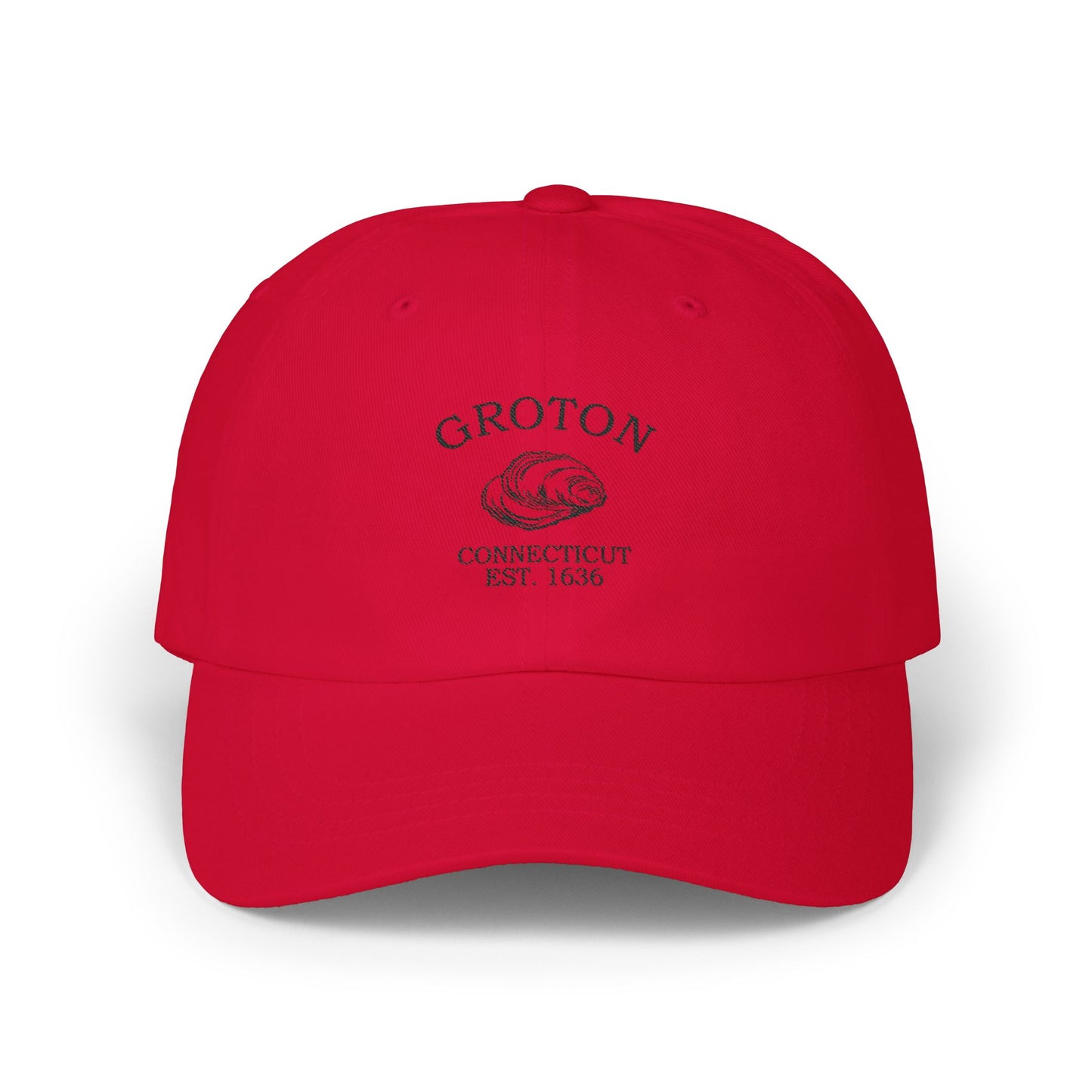
Today Groton is known the world over for its submarines, and at home for its monument, its harbor, and its shoreline parks. Its story blends Pequot beginnings, colonial shipbuilding, Revolutionary sacrifice, and the nuclear age that began on its waterfront. Our Groton designs gather that identity into wearable form — the Submarine Capital, the Thames, the Connecticut coast. Explore the collection and carry a little of Groton's depths with you.
And that's only half of it. This one patch of ground has lived four industrial lives. It built steel cargo ships in the First World War. It became one of the most advanced fish plants in America in 1927. It launched submarines in the Second World War — the boats that made Groton the Submarine Capital of the World. And in 1946 it started brewing penicillin by the ton. Ships, fish, submarines, medicine — the same riverbank, reinvented again and again.
Why People Visit Groton Connecticut
- Tour the free Submarine Force Museum and step aboard the Historic Ship Nautilus, the world's first nuclear submarine, berthed on the Thames.
- Walk the ramparts of Fort Griswold Battlefield State Park and climb the 135-foot Groton Monument for views over the harbor.
- Hike or bike the wooded trails of Bluff Point State Park out to its tidal coves and rocky point.
- Visit Avery Point — the Branford House mansion, the University of Connecticut campus lawns, and Avery Point Light, the last lighthouse built in Connecticut.
- Relax at Eastern Point Beach, a small family cove with breakwater views across the river mouth.
- Take a guided tour of the Gungywamp State Archaeological Preserve to see its colonial stone chambers and double stone circle.
