



The Siwanoy, a Munsee-Lenape people, lived along this shore long before the colonists, with a summer fishing camp out on the point that is now Greenwich Point. In 1640 English settlers established the town on land purchased from the Siwanoy, in the area first called Horseneck. Greenwich grew slowly through the colonial era as a farming and coastal-trade town until the Revolution put it on the map: on February 26, 1779, during the Battle of Horse Neck, General Israel Putnam was cut off from his men by British cavalry and — by the celebrated account still carried on the Town of Greenwich seal — escaped by riding his horse straight down the steep, rocky face of Put's Hill, where no dragoon dared follow. The railroad arrived in 1848 and changed everything, turning Greenwich into a wealthy New York summer retreat. It was that summer-resort era, and the luminous coastal landscape, that drew the artists.
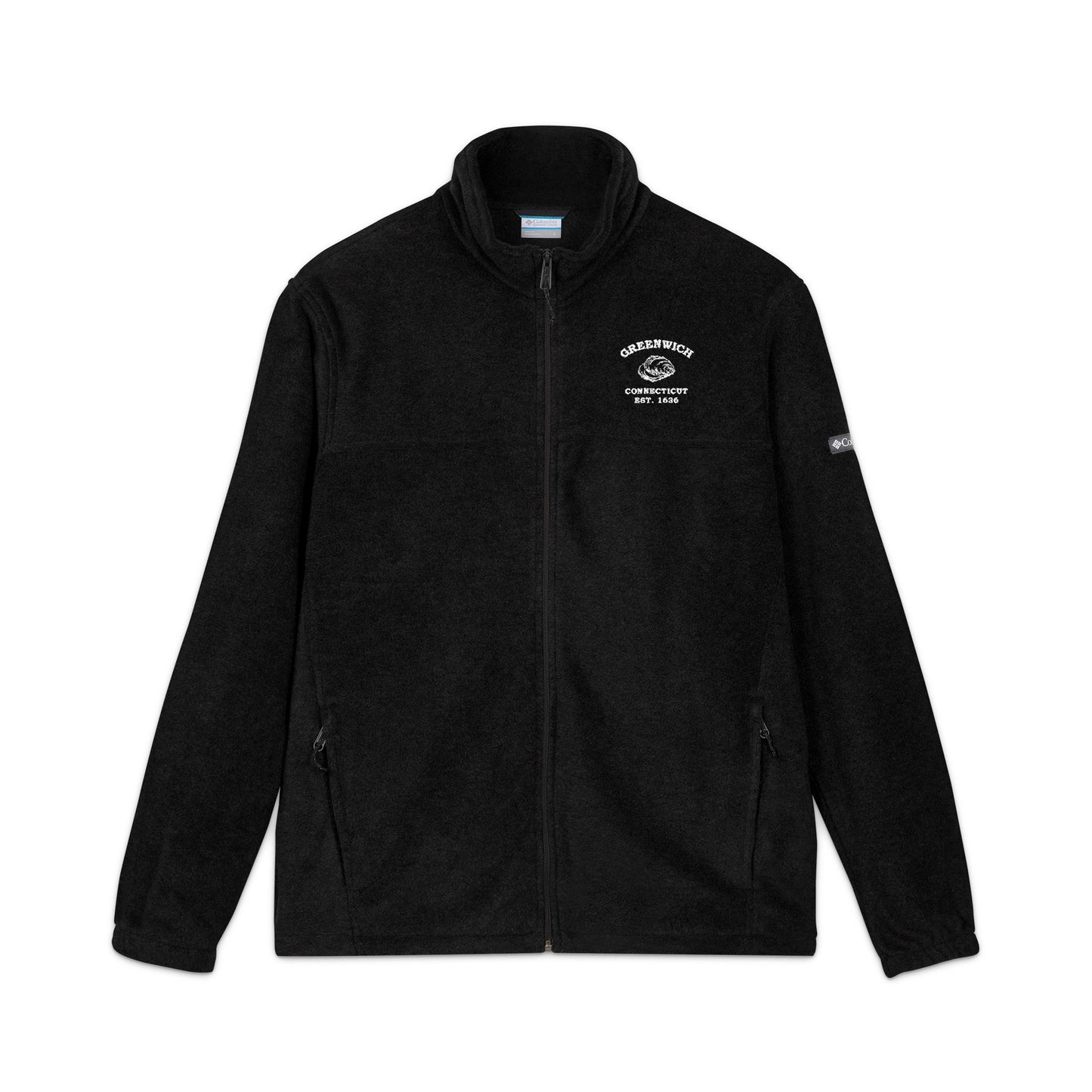
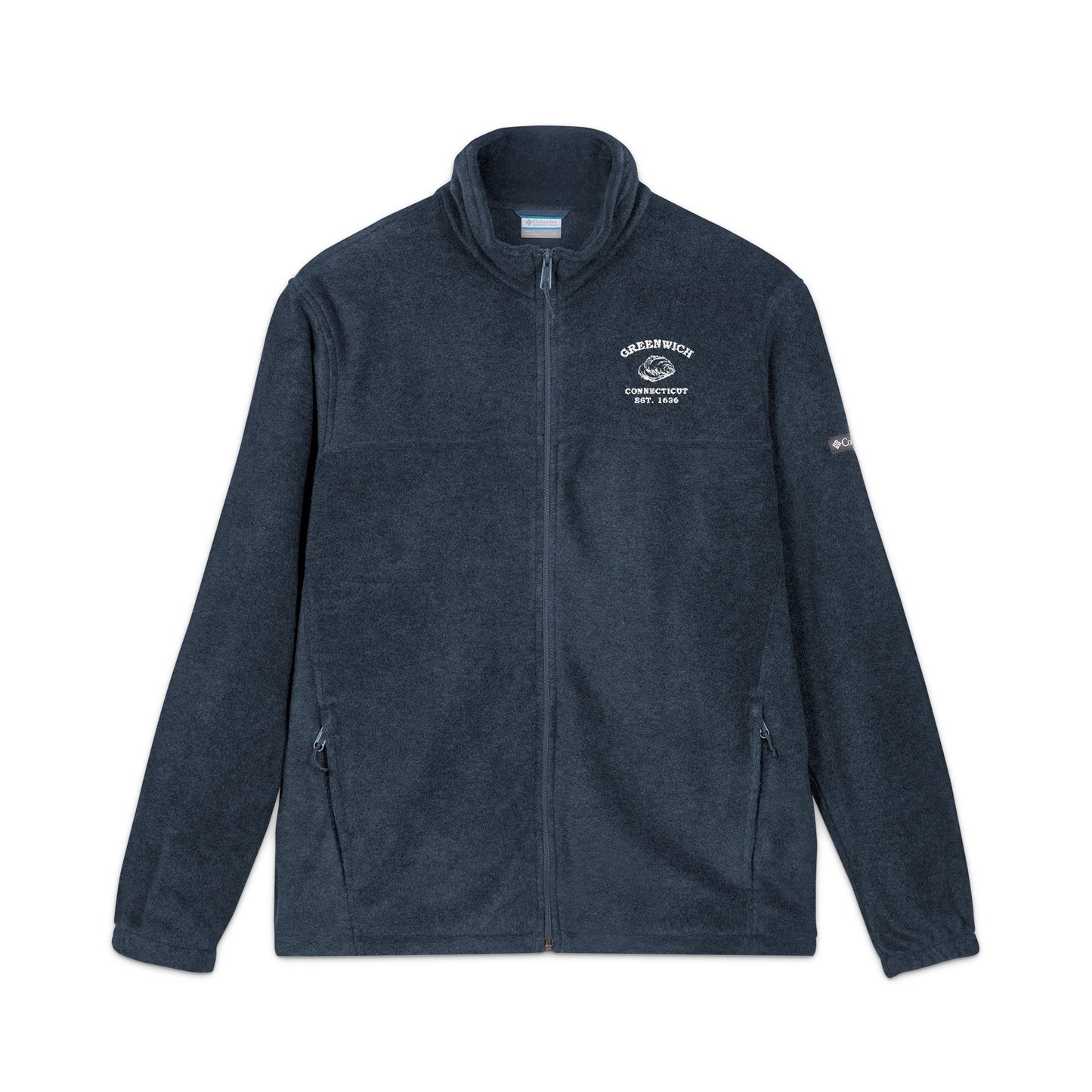
Our Greenwich logo carries the same emblem every Merlin Classics Connecticut town wears — an oyster above "Connecticut, Est. 1636," the colony's founding year, rendered in hand-printed black and white with a worn, vintage feel. The oyster is the shoreline state's mark, the through-line that ties Greenwich to every other Connecticut town we make. What makes this one Greenwich is everything around it: the Impressionists' harbor light, the ride down Put's Hill, the Gold Coast shore. On a tee or a cap it reads less like a souvenir and more like a small piece of the Connecticut coast — Est. 1636, worn plain.
Why People Visit Greenwich Connecticut
Greenwich draws people who love art, history, and the coast in equal measure. It is the birthplace of an American art movement, a Revolutionary-era town with its founding legend on the seal, and a Gold Coast shoreline of harbors, marshes, and beaches on Long Island Sound. Visitors come for the rare combination — fine-art heritage you can walk through, colonial history you can stand on, and a refined coastal town that wears its wealth quietly, all an easy train ride from New York.
