In 1648, five English families — the Bankside Farmers, as the records call them — settled along this shore under Fairfield's wing, drawn by the fertile meadows and the salt hay. Their settlement became the oldest neighborhood of what is now Westport, and their farms gave the place its eventual name: the lands of John Green among them. They laid out a Common south of Clapboard Hill, built the area's first schoolhouse there in 1703, and in 1711 raised the first meeting house of the West Parish of Fairfield — a congregation that has continued unbroken for more than three centuries.
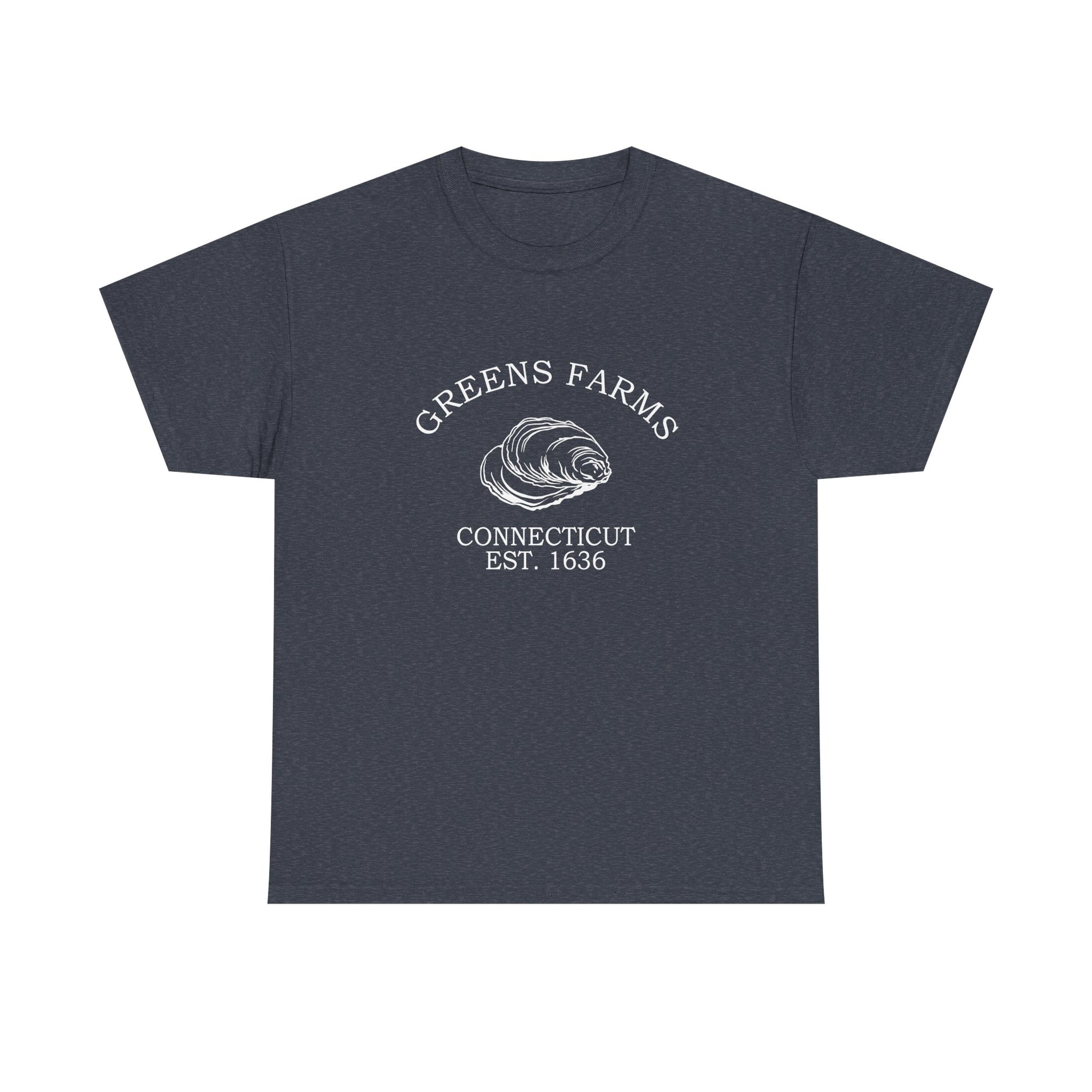
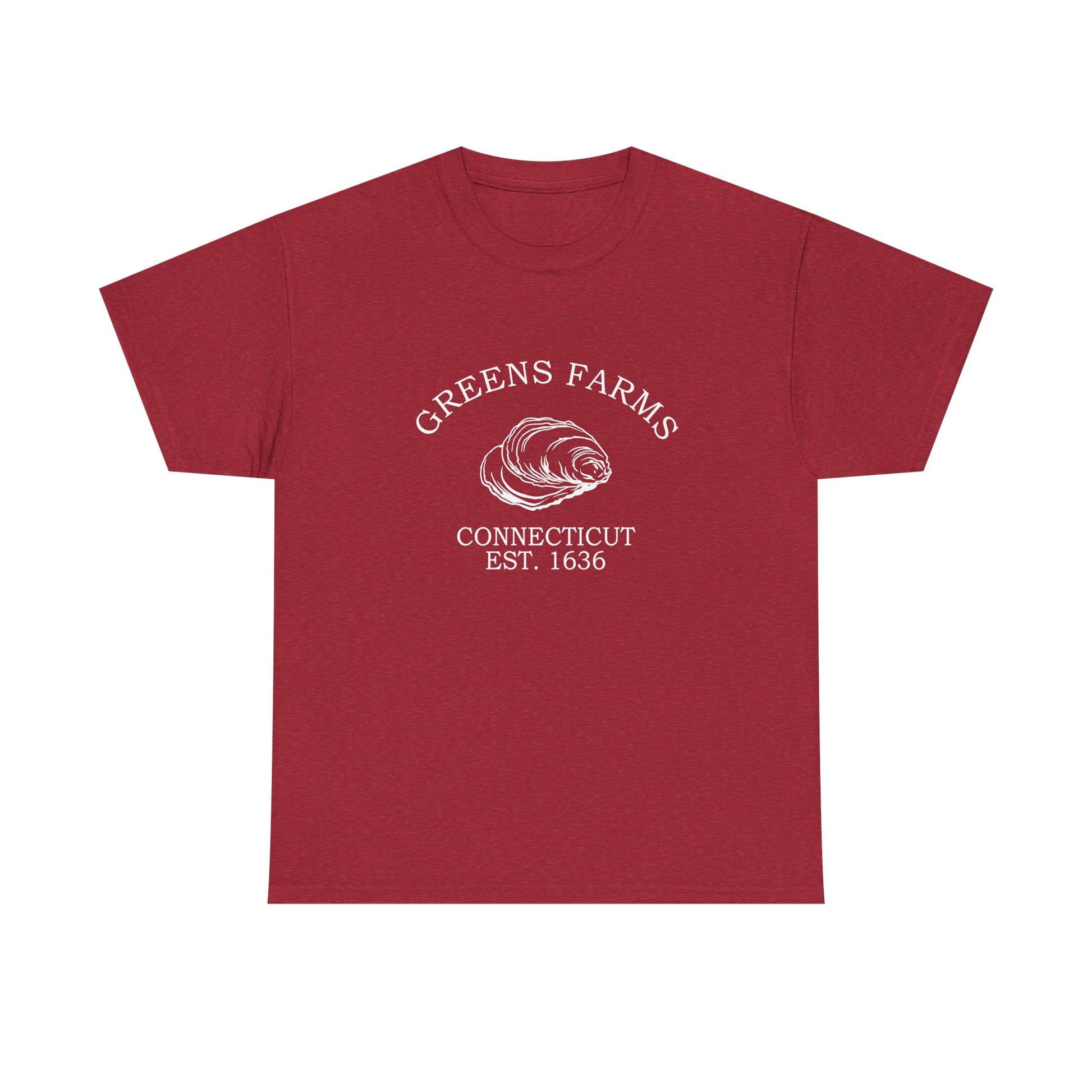
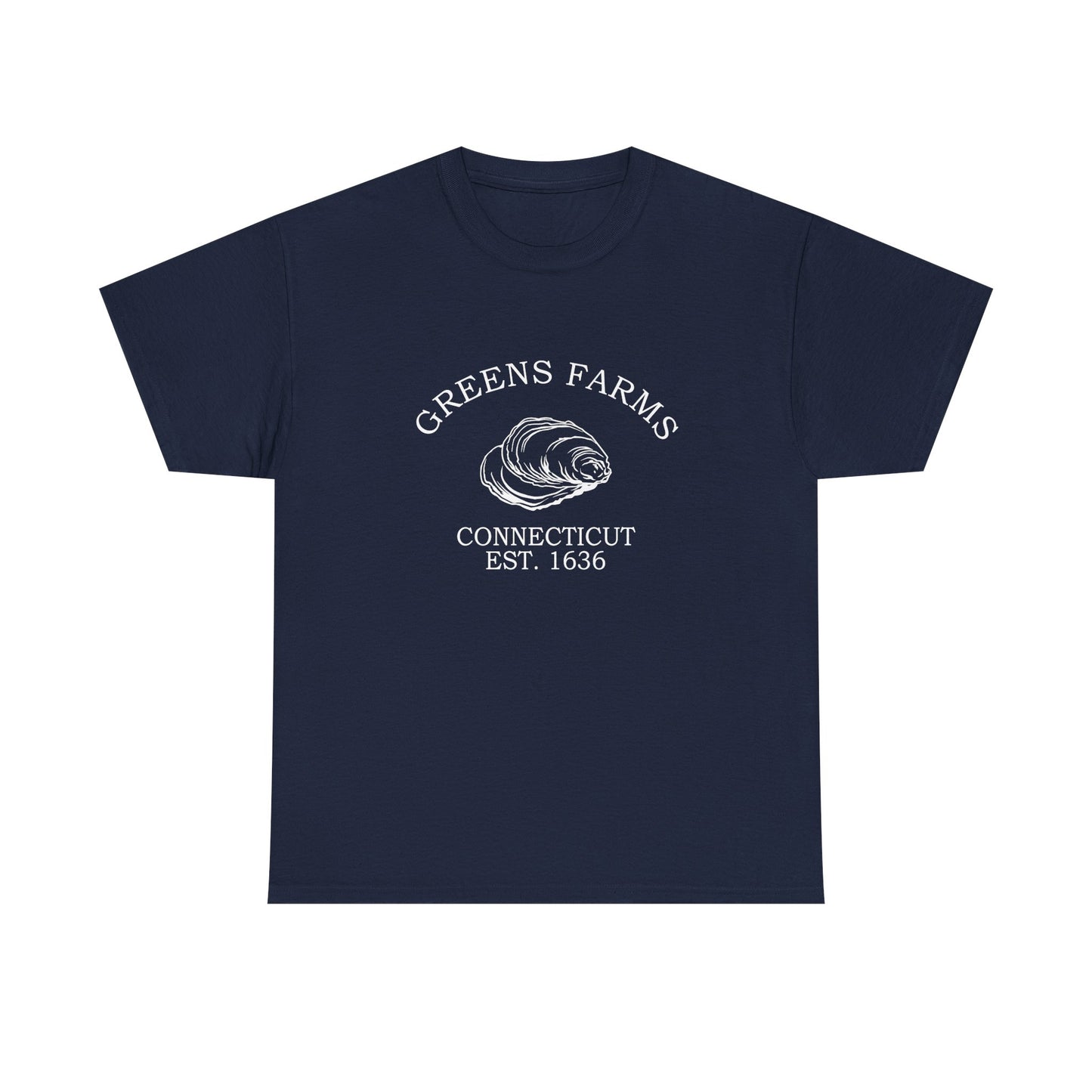
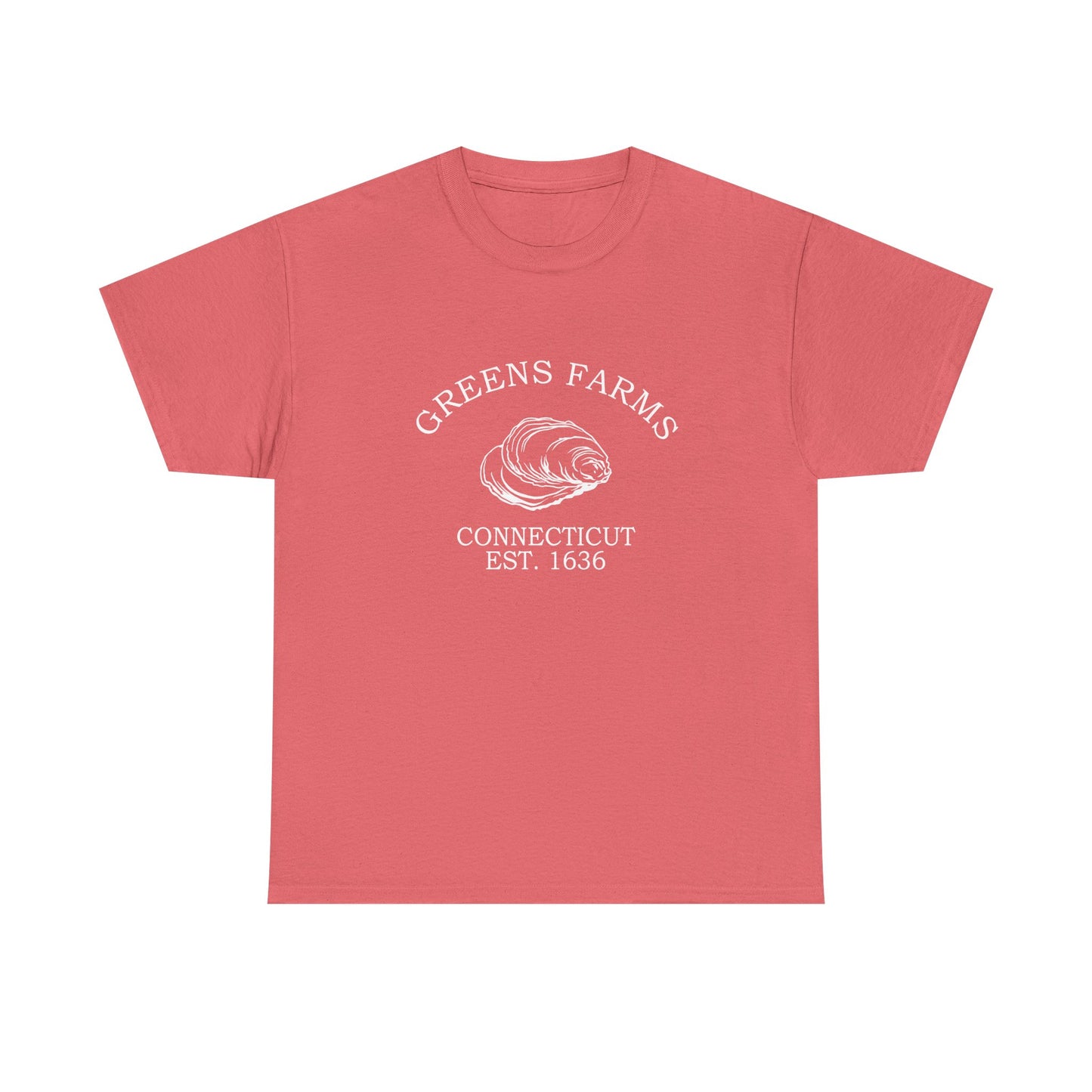
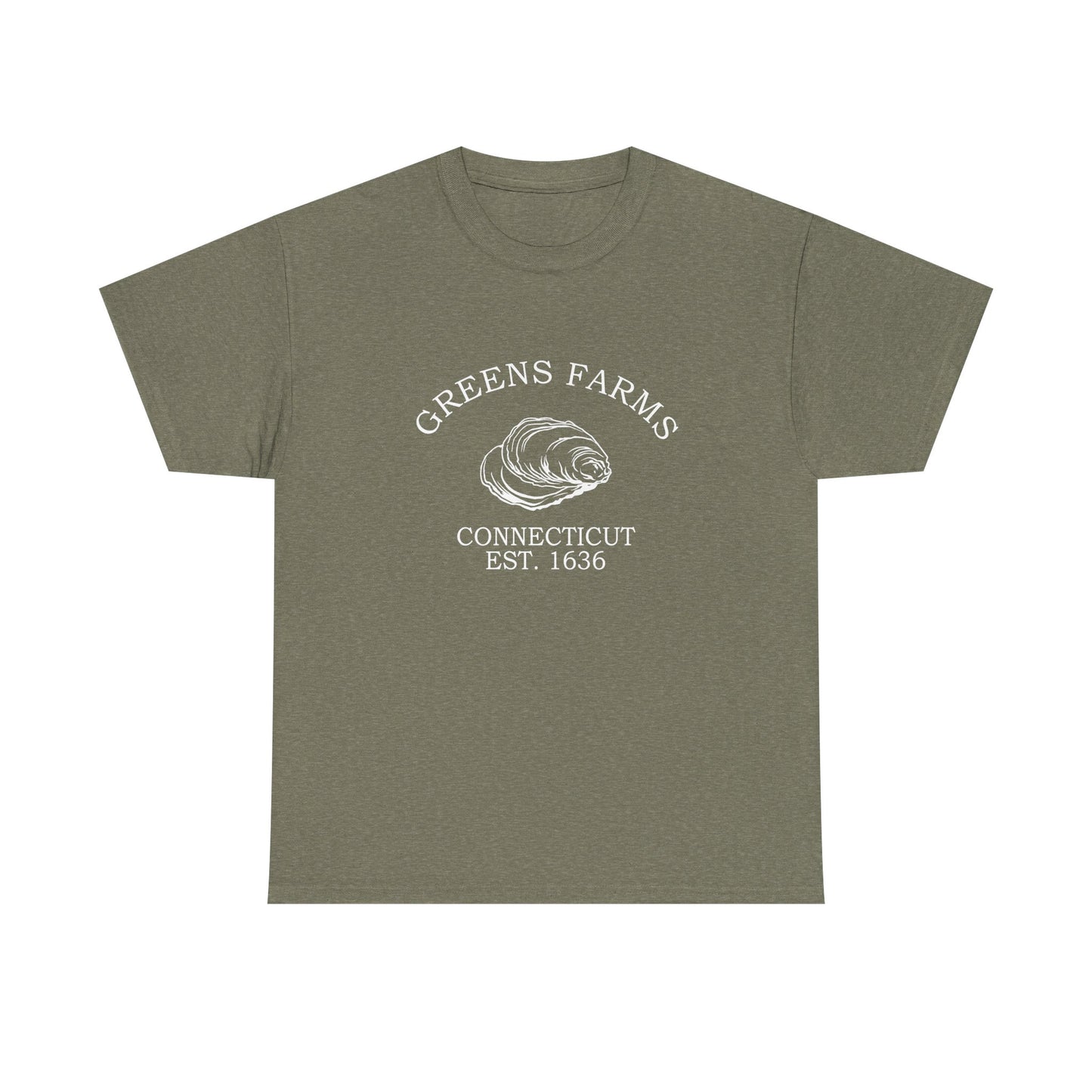
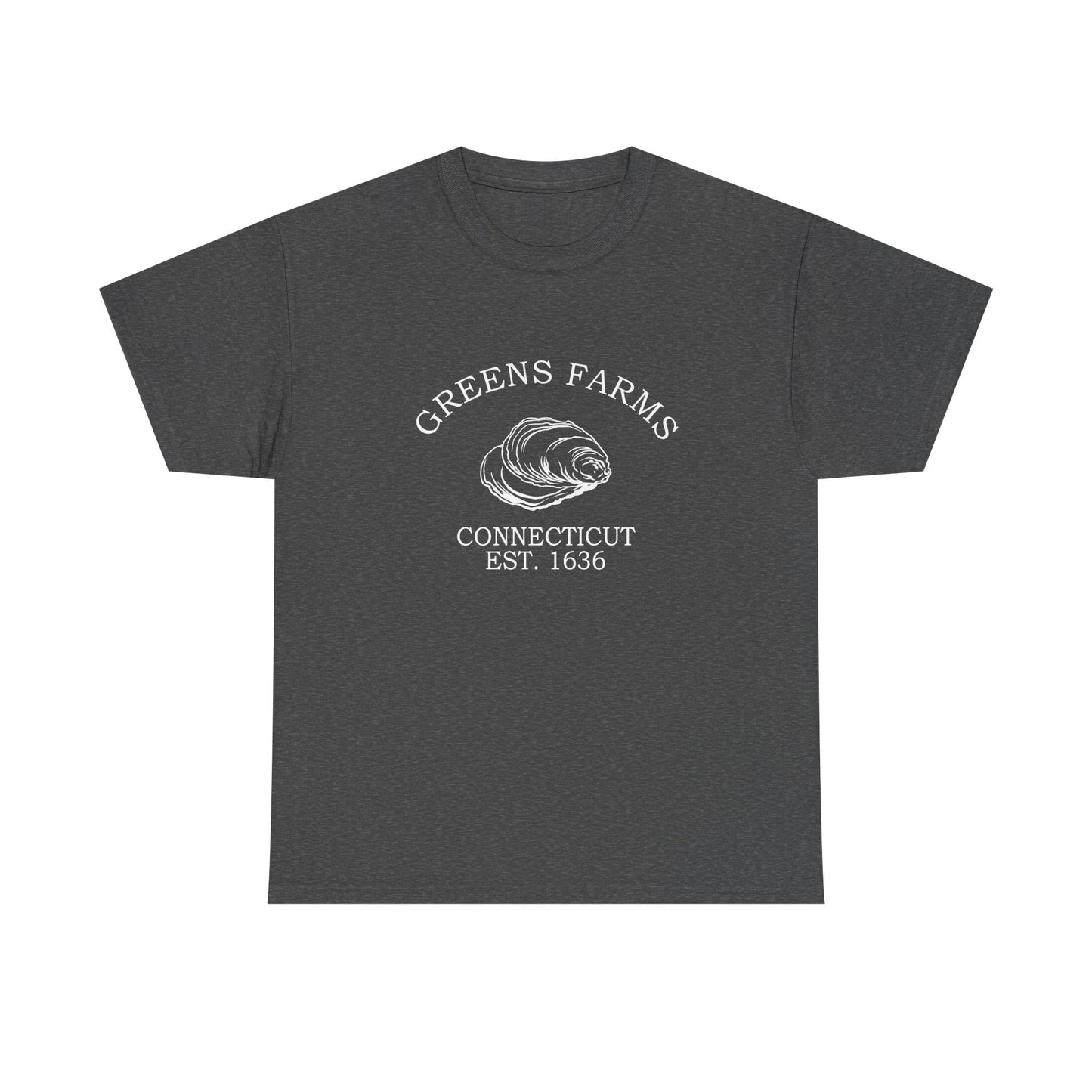
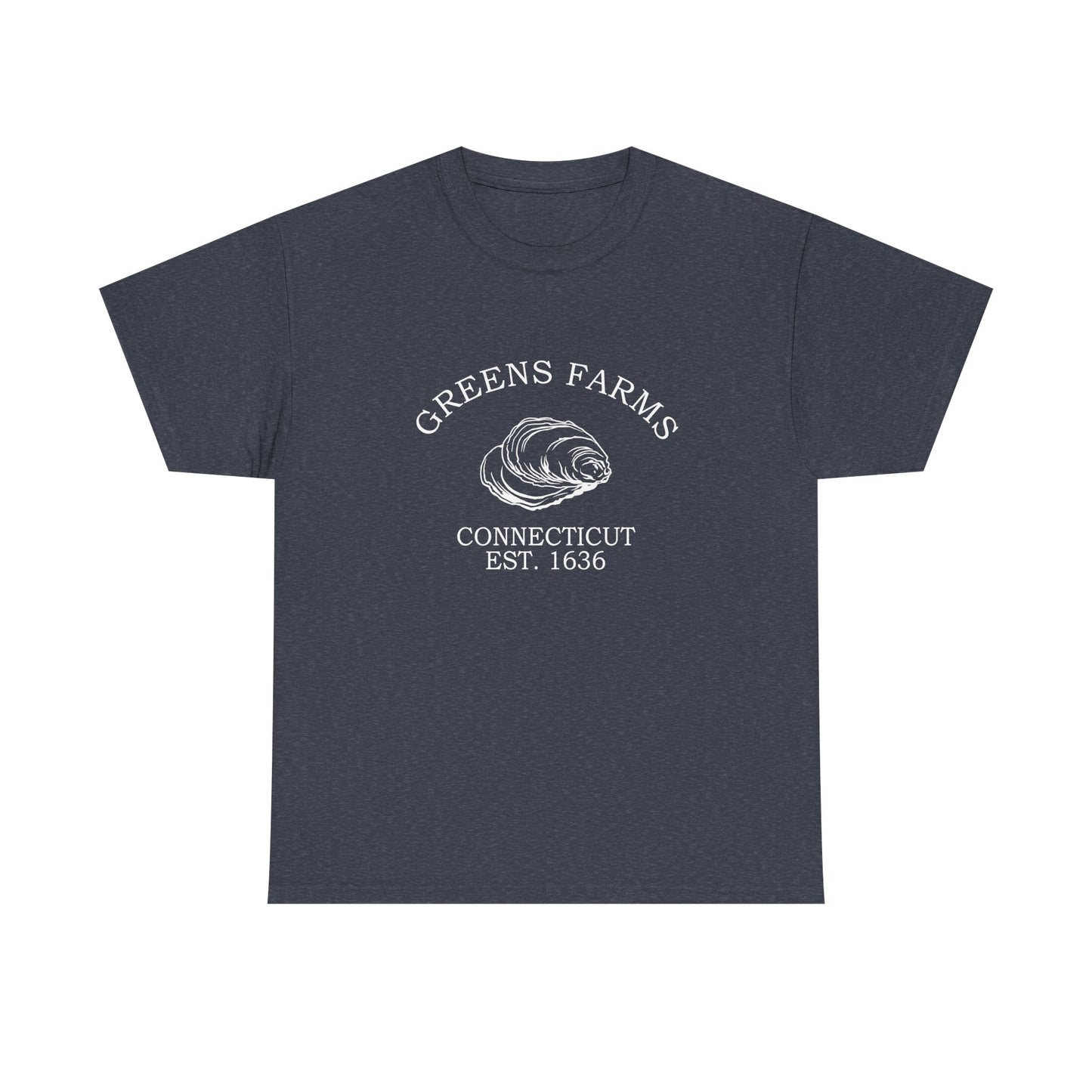
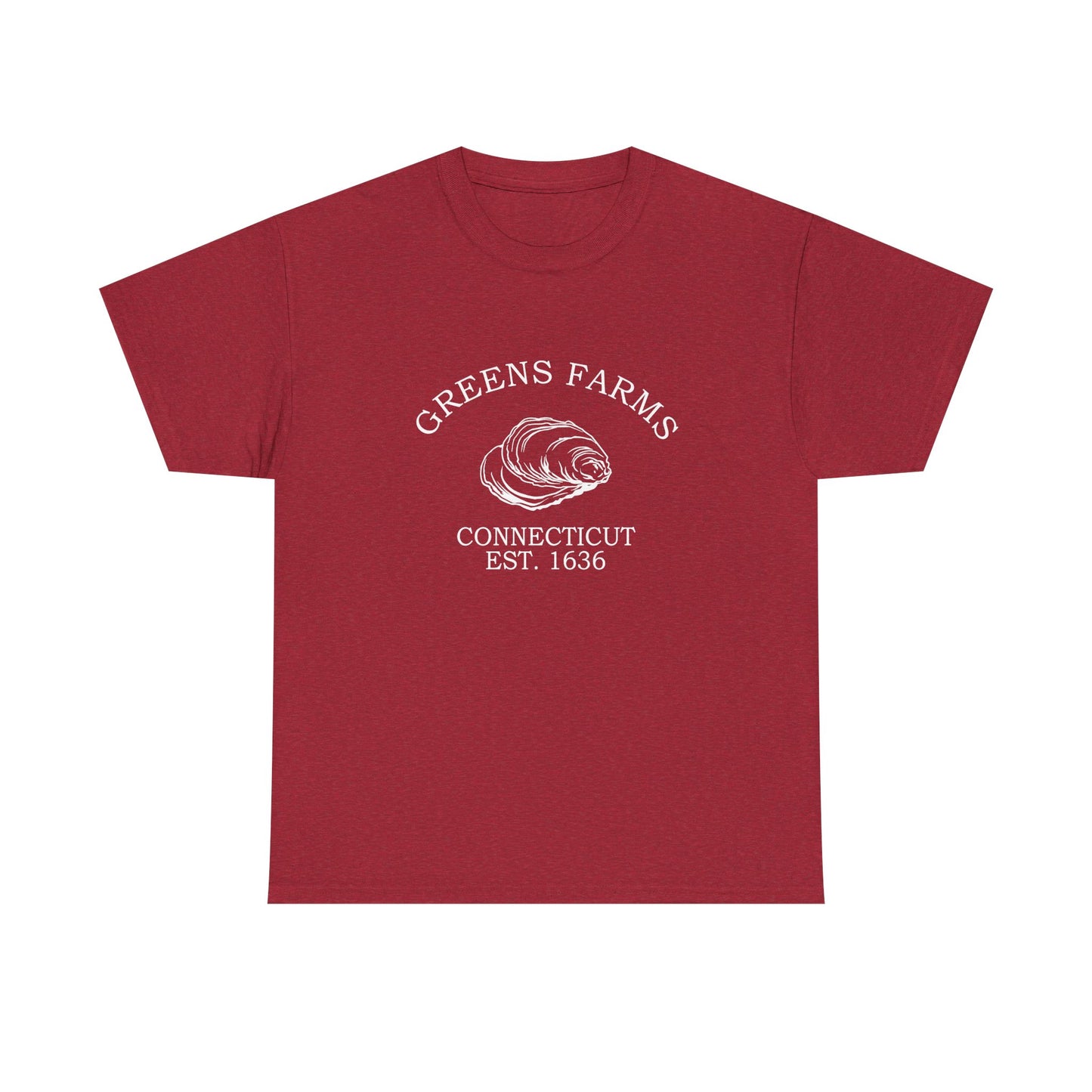
Our Greens Farms retro logo features the oyster shell above "Est. 1648" — a fitting emblem for a shoreline that has lived by the salt marsh and the Sound since the Bankside landing. The shell speaks to abundance, maritime heritage, and the fertile coast the Bankside Farmers chose; printed in worn, hand-pressed black and white, it wears like something found in a tack room. What makes it Greens Farms is everything around it — the boulder, the marsh, and the beautiful land. And the name still travels: our own Machamux Farm collection carries it north to Redding, where the beautiful land keeps a second address — and where the name's own four-century story, 1714 deed and all, is told in full.
Why People Visit Greens Farms
- Spend a beach day at Sherwood Island State Park — Connecticut's first state park — and walk out to the point for the 9/11 Living Memorial's long view down the Sound.
- Find the Machamux Boulder on the old Common along Green's Farms Road — the 1648 settlement marked in stone.
- See the Greens Farms Congregational Church, the parish that rebuilt after 1779 and never broke its line.
- Swim the town side at Burying Hill Beach, the small crescent with the big history in its name.
- Walk or fish the marsh edges where the onion boats once loaded, and watch the ospreys work New Creek.
- Ride the New Haven Line to the little Green's Farms station and arrive the way a century of villagers did.
