


Fort Lauderdale incorporated as a city on March 27, 1911, a small riverfront town of a few hundred people. What transformed it came in the 1920s, when developers dredged the low, wet land behind the beach into a lattice of canals and finger islands, selling waterfront lots where there had been mangrove and marsh. The dredging gave the city its identity and its nickname — the “Venice of America,” a place where the streets were matched by water and nearly every house could keep a boat at its back door. The 1926 hurricane and the collapse of the Florida land boom ended the frenzy, but the canals remained.
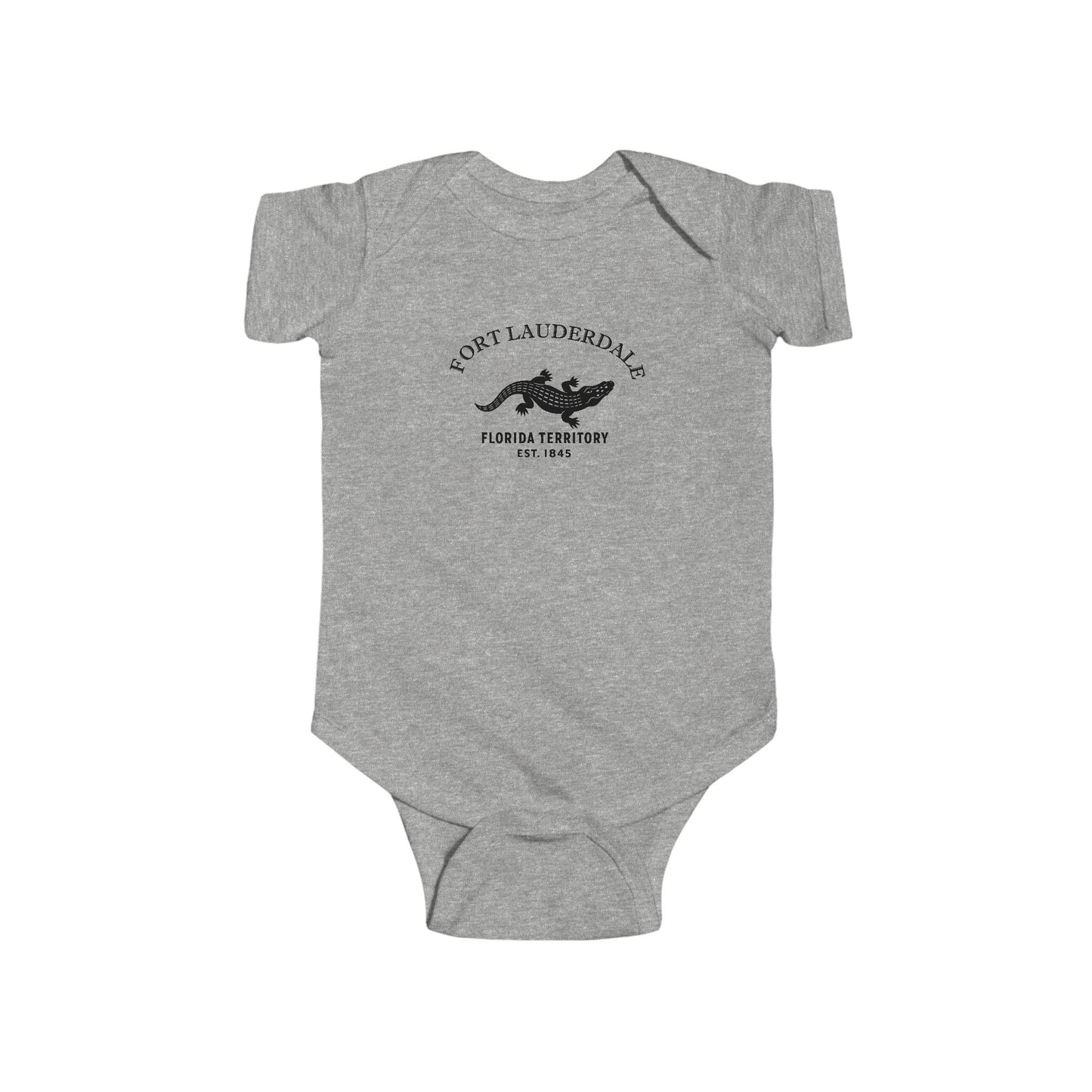
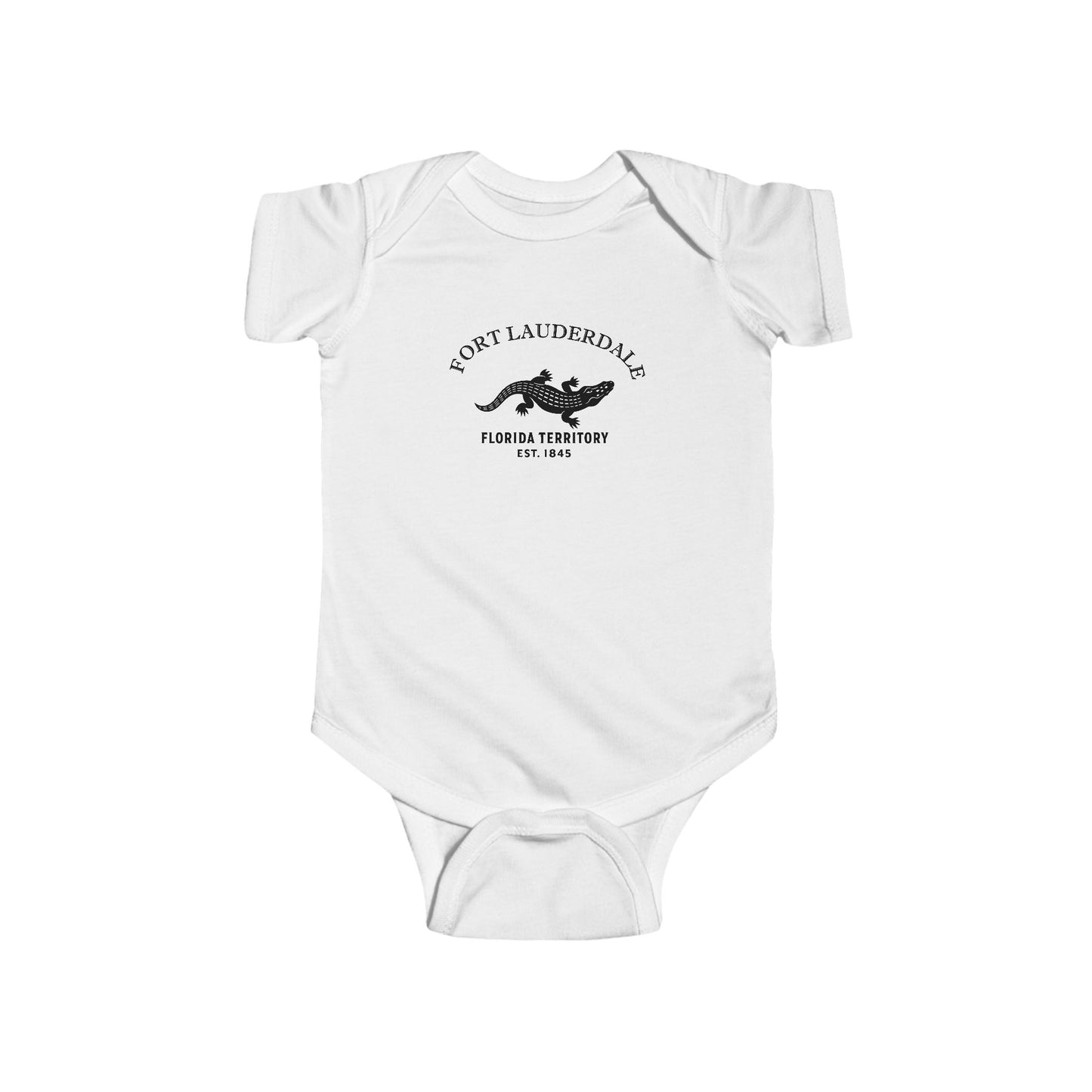
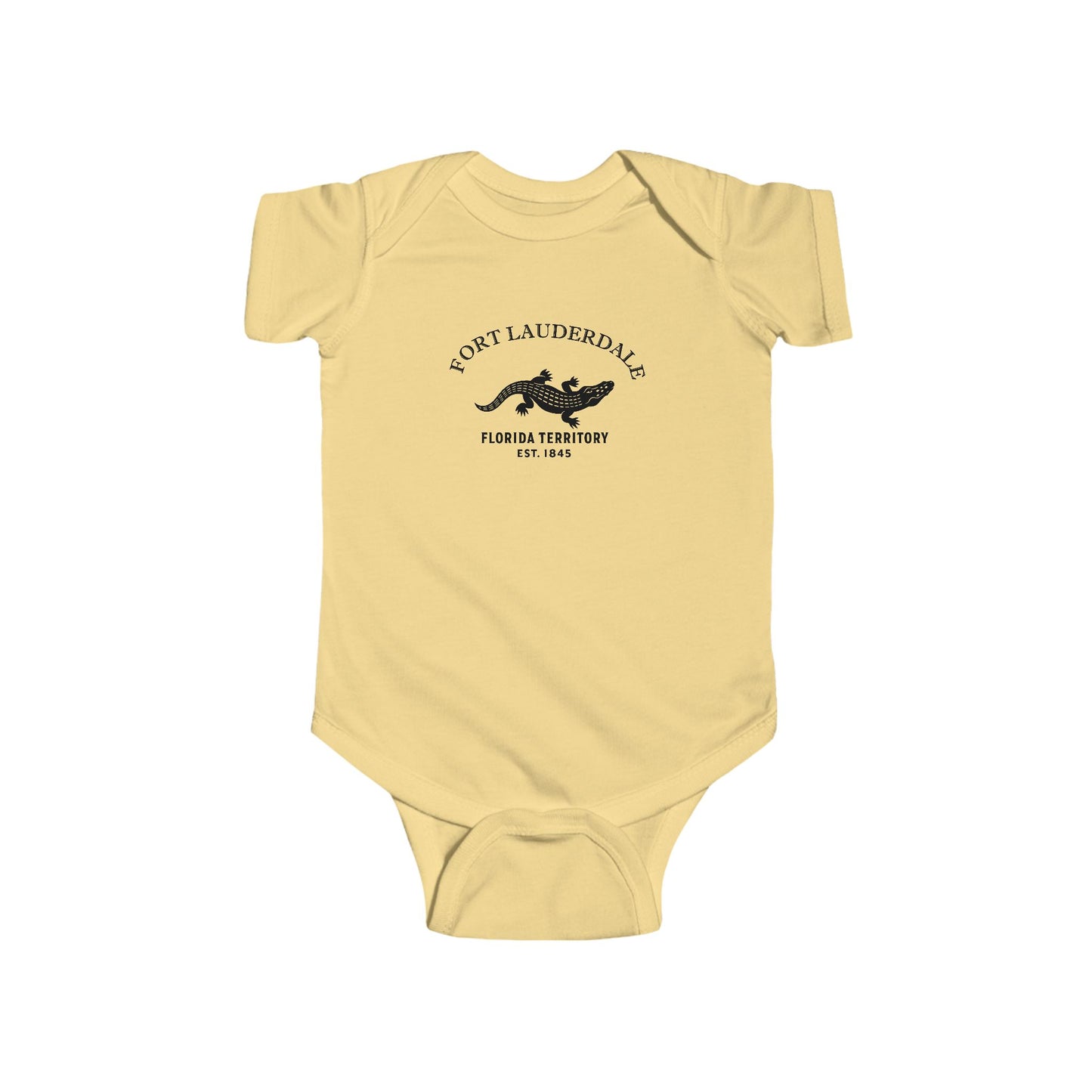
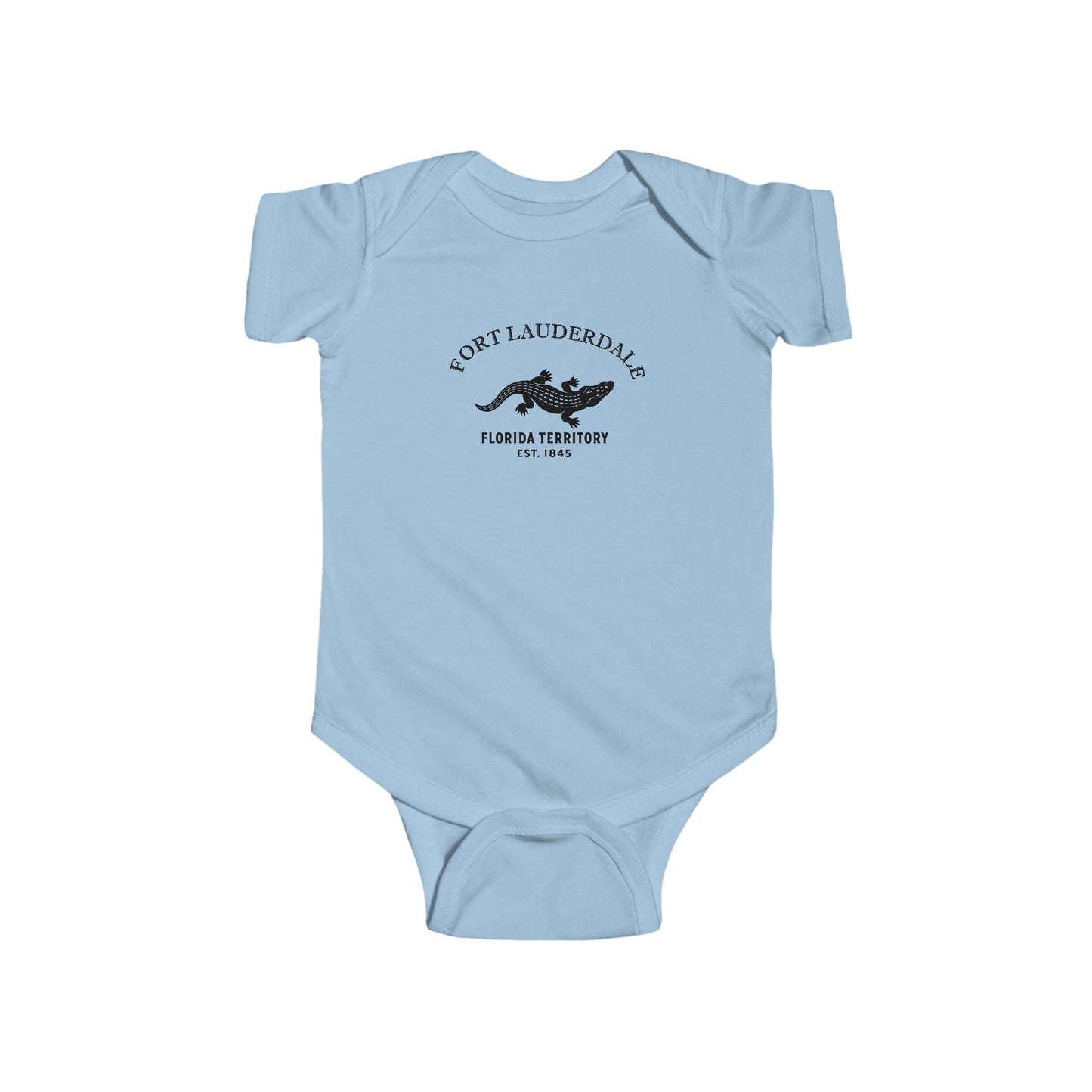
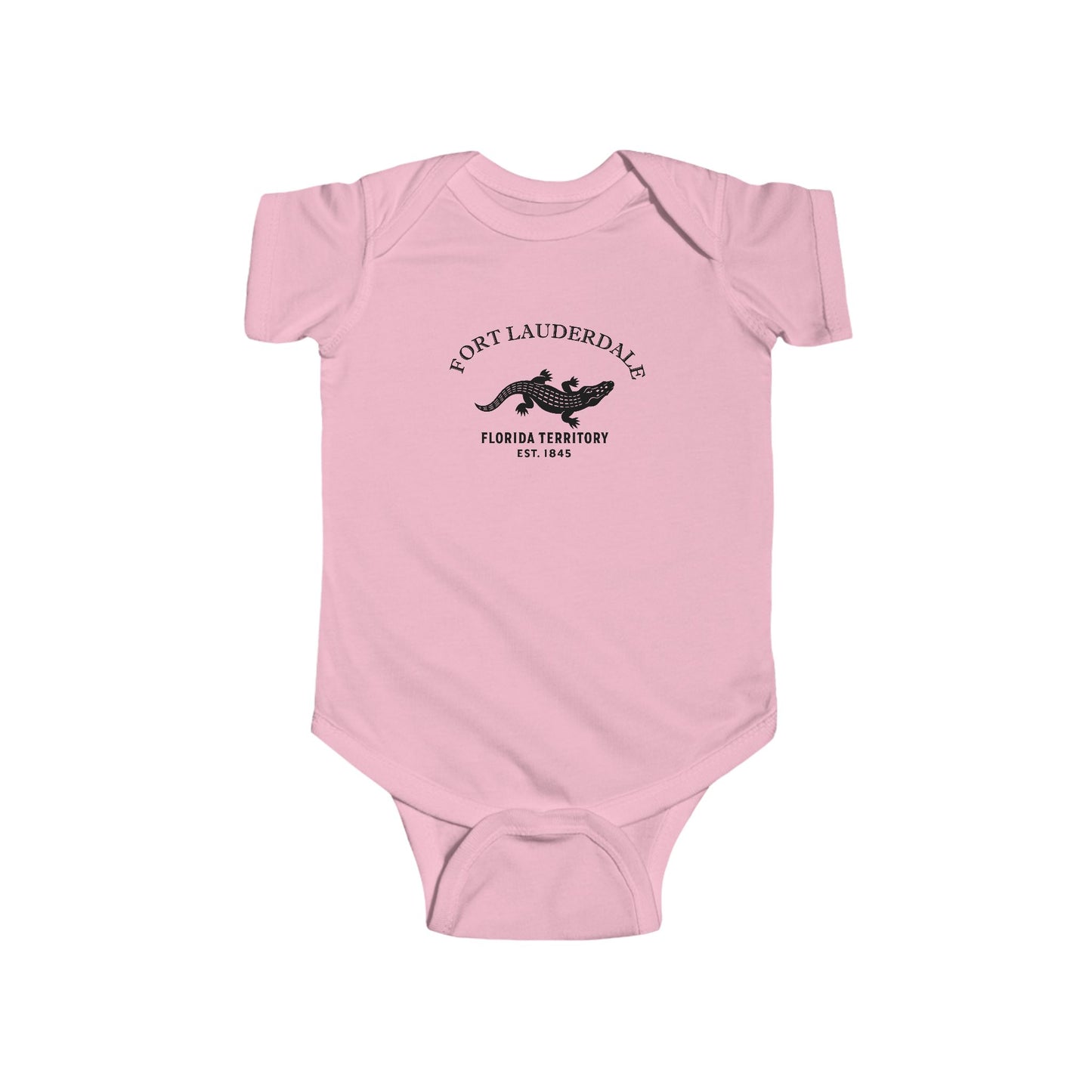
Our Fort Lauderdale logo carries Florida's alligator, above “Est. 1845,” the year of Florida statehood — the shared emblem of every Merlin Classics Florida place. Printed in a worn black-and-white that recalls an old crate stamp, the alligator is Florida in shorthand: tough, native, and at home in the water. The alligator is the through-line that links Fort Lauderdale to every other Florida town we make. What makes this one Fort Lauderdale is everything around it — the New River, the 165 miles of canals, Las Olas, and the Venice of America.
Why People Visit Fort Lauderdale
Fort Lauderdale offers South Florida at its most nautical — a real beach city laced with canals, with a historic river downtown, a great cruise port, and the yachting world's calendar built around it. Visitors come for the water, the beaches, and the Venice-of-America canals, and stay for Las Olas, the Riverwalk, and the easy coastal pace. From the New River to the sand, it rewards a day or a week. It is bright, nautical, and genuinely South Florida.
