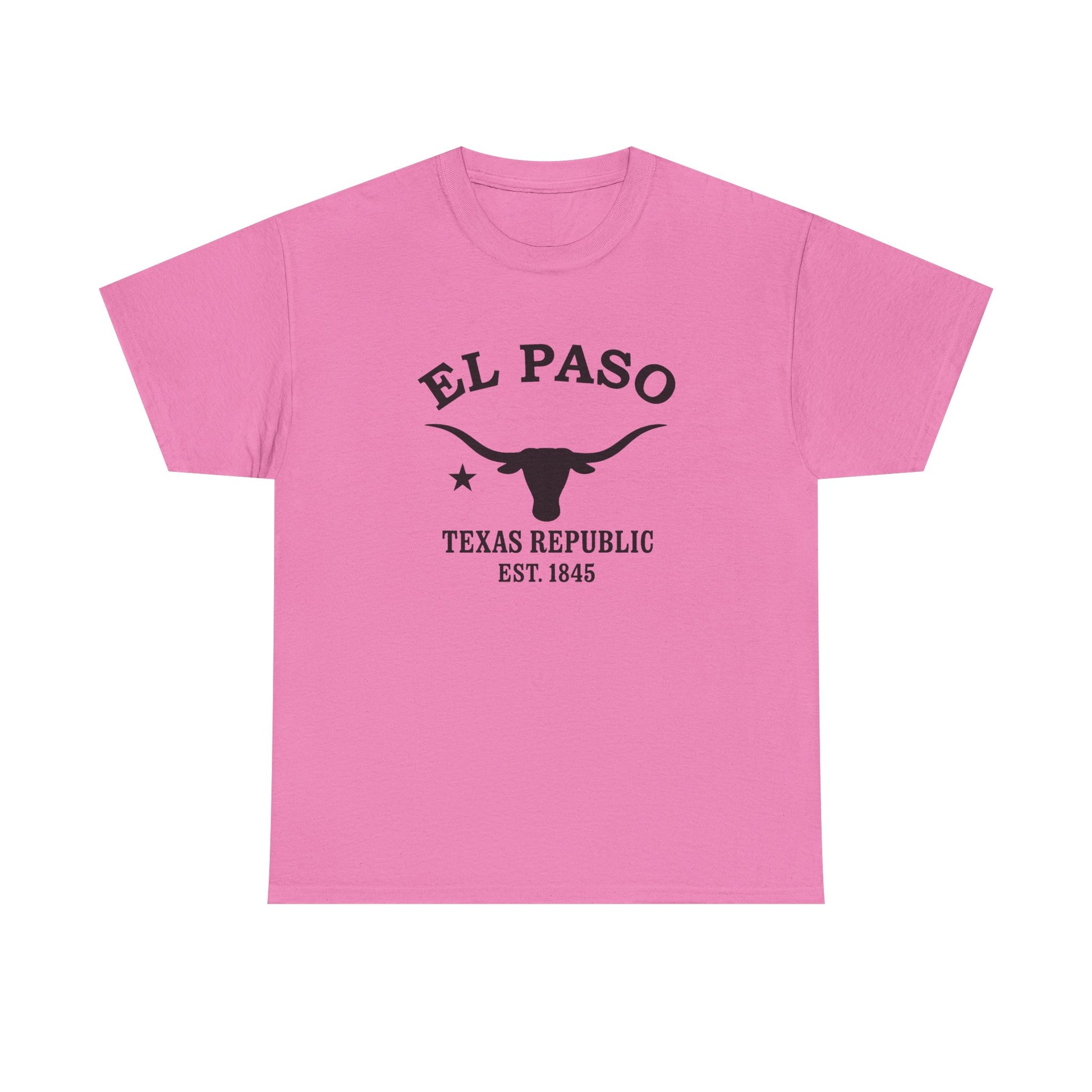
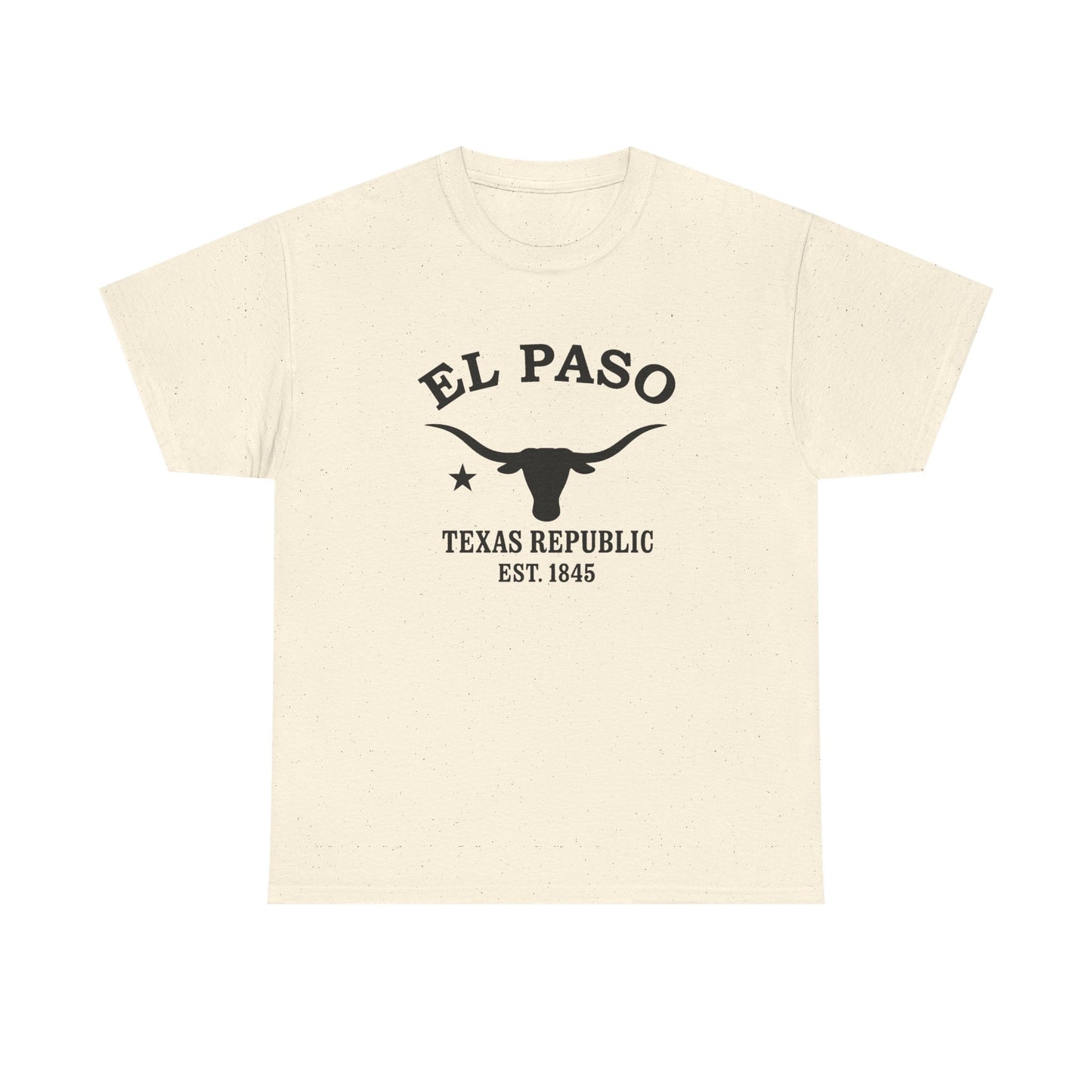
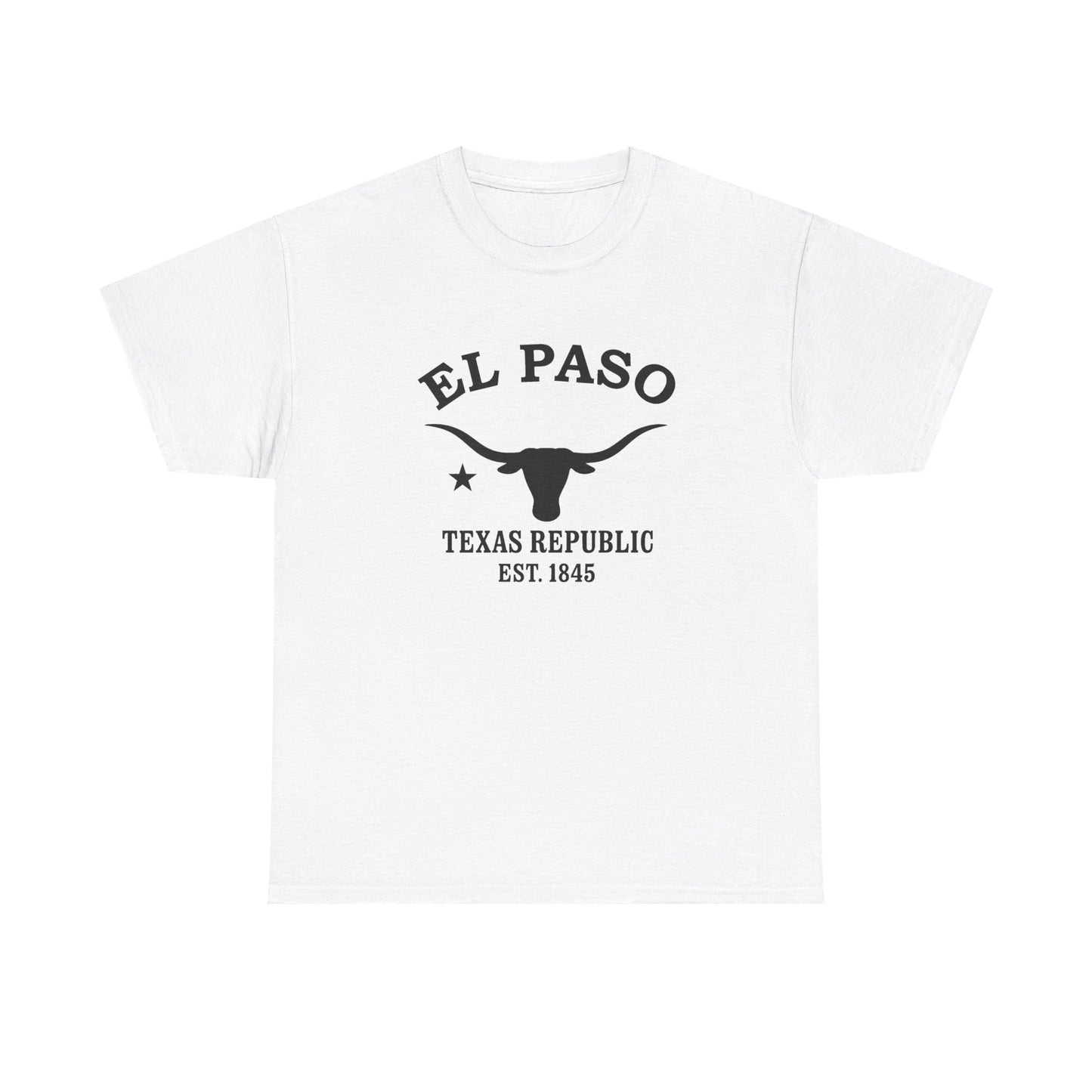
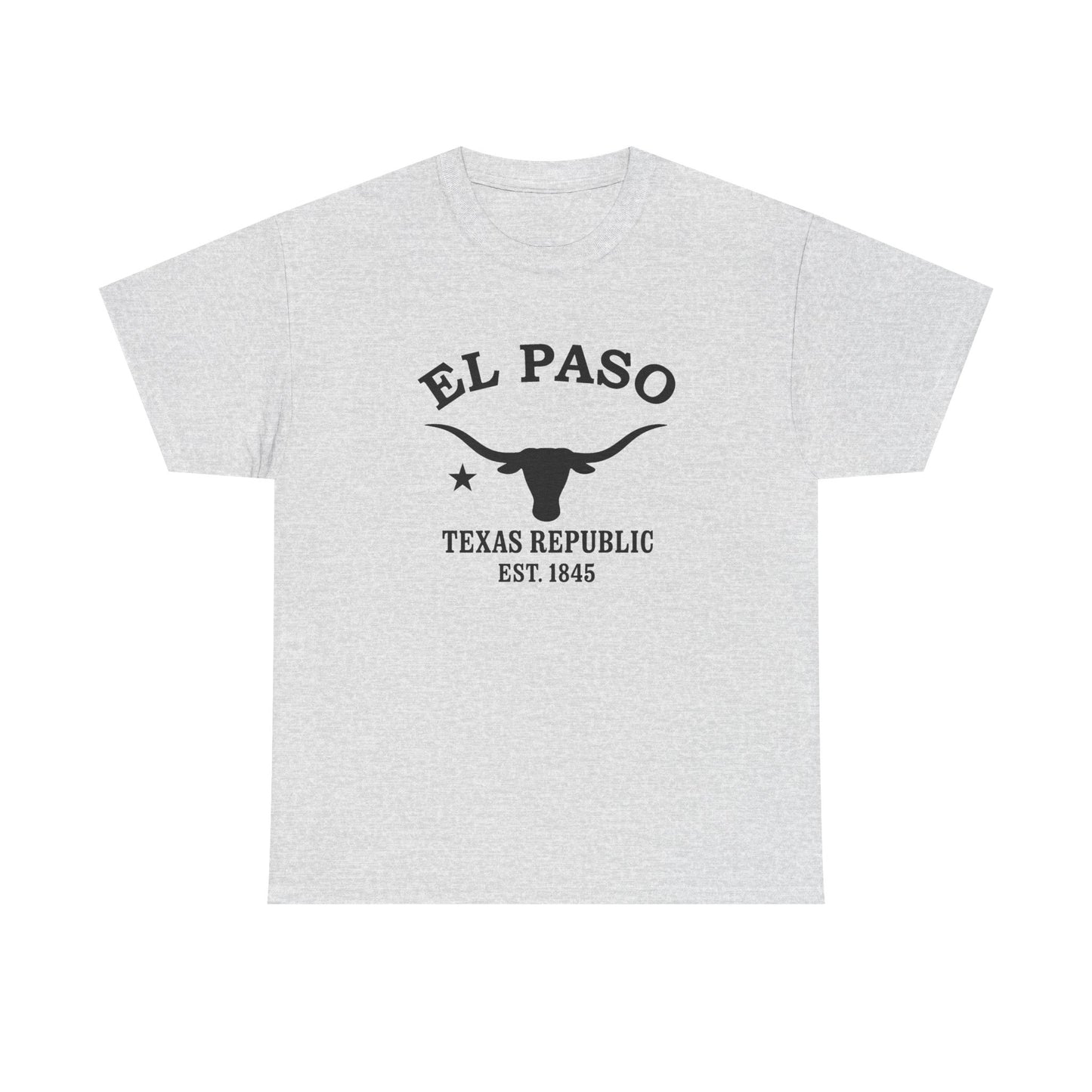
The north bank settlement that became modern El Paso took shape after 1827, and in 1848 the Treaty of Guadalupe Hidalgo placed it in United States territory, with Fort Bliss established the same year. When the railroad arrived in 1881, El Paso boomed into a wide-open crossroads of the Old West. Through all of it the city kept the identity the Spanish had named: the Pass — a place defined by the crossing itself, by two languages and two countries sharing one desert valley, and by the mountains that frame it.
The Pass of the North — a crossing in the mountains that has carried four centuries of history. El Paso sits in the gap where the Rio Grande breaks out of the southern Rockies, the natural pass that everything moving between Mexico and the American Southwest funneled through for four hundred years. A Spanish expedition named it "El Paso del Norte," the Pass of the North, in 1598; the oldest mission in Texas rose nearby a few generations later. Today it is the Sun City, set at the foot of the Franklin Mountains, with a star lit on the slope above it and a sun that almost never quits. This page tells the story of the Pass.
Why People Visit El Paso Texas
People come to El Paso for the desert light and the layered history — the Pass of the North, the oldest mission in Texas, the star on the mountain — and for the mountains, the Mission Trail, and the bicultural energy of a Sun City that shares one valley with its neighbor across the river. It is sunny, spacious, and deep: four centuries of the Southwest at the Pass.
