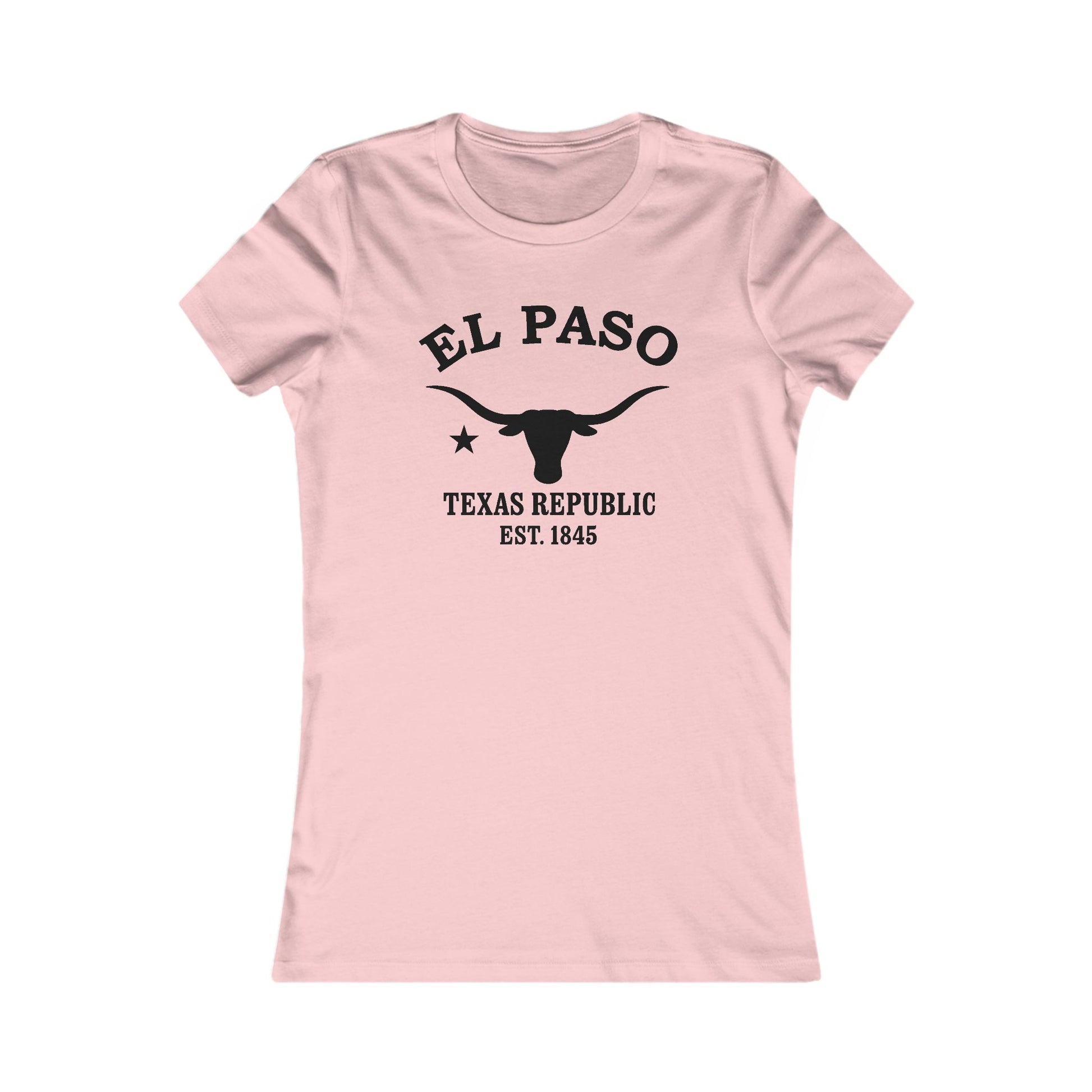
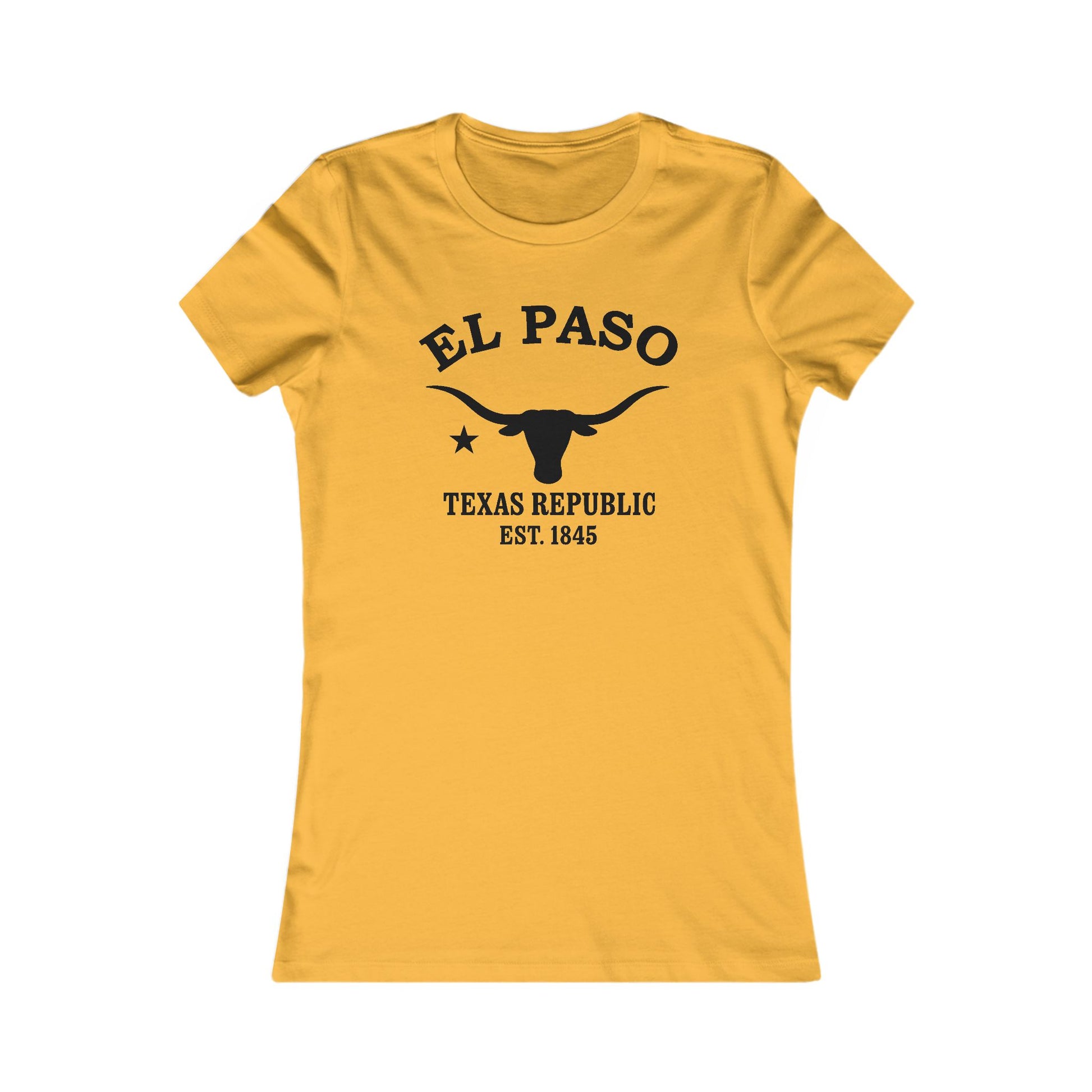
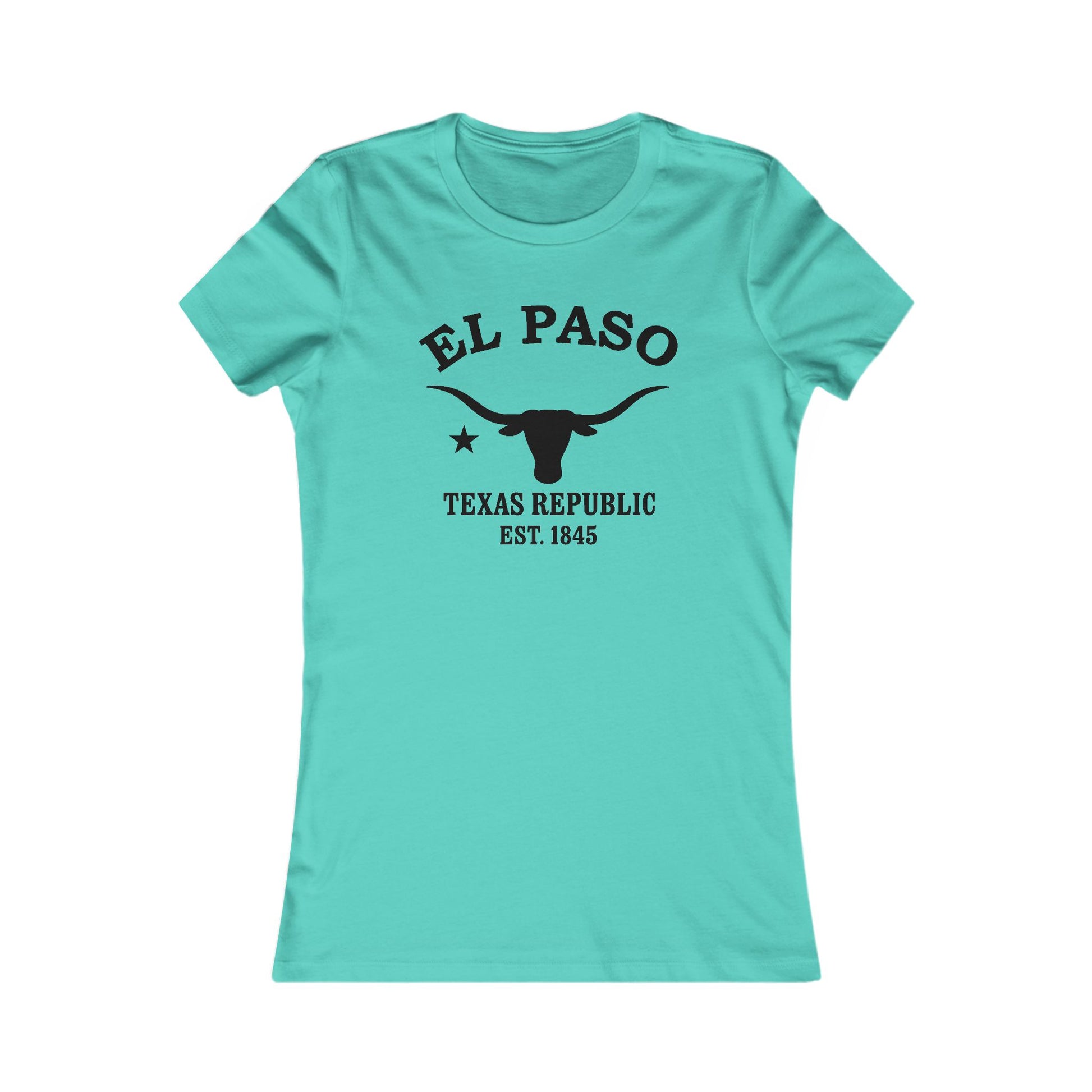
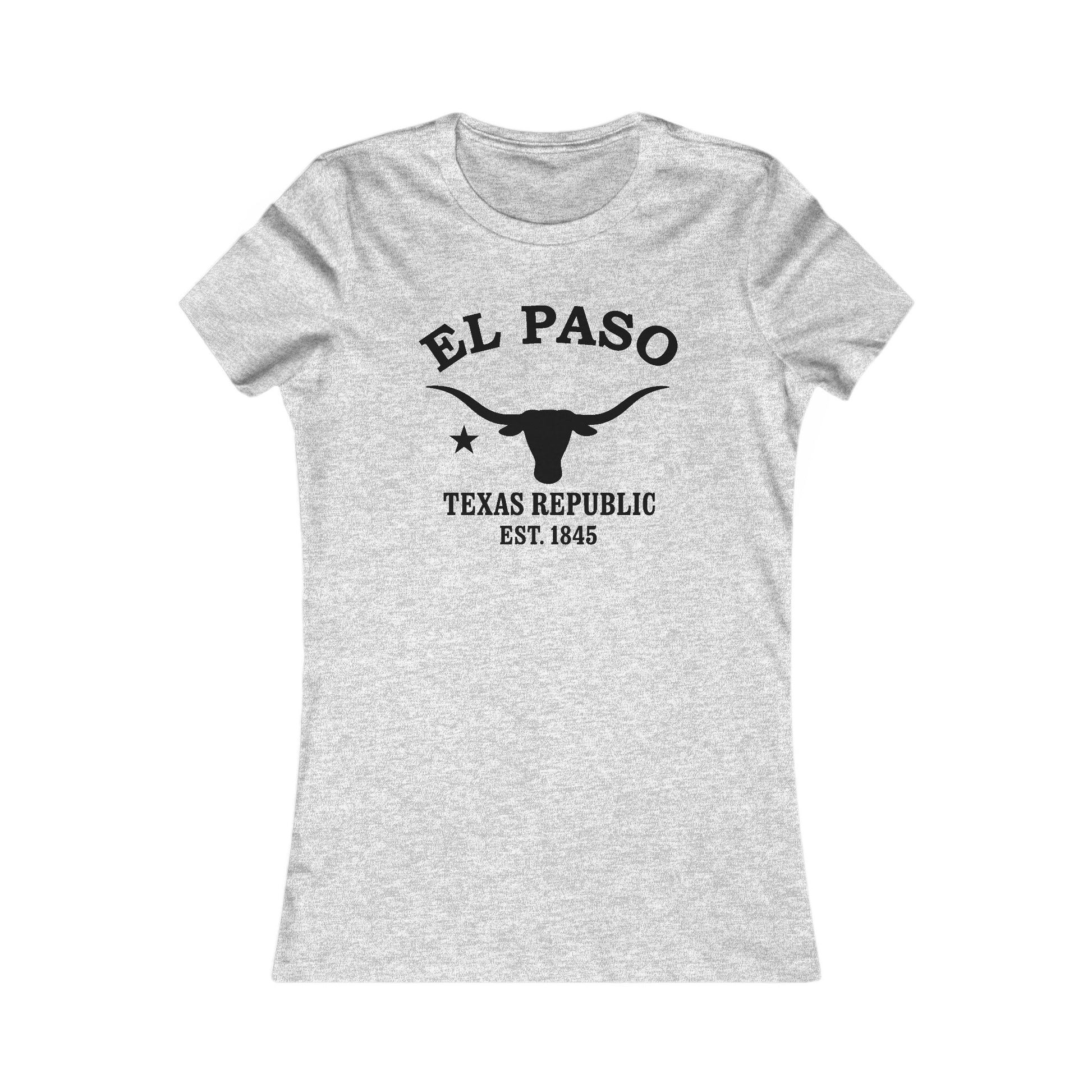
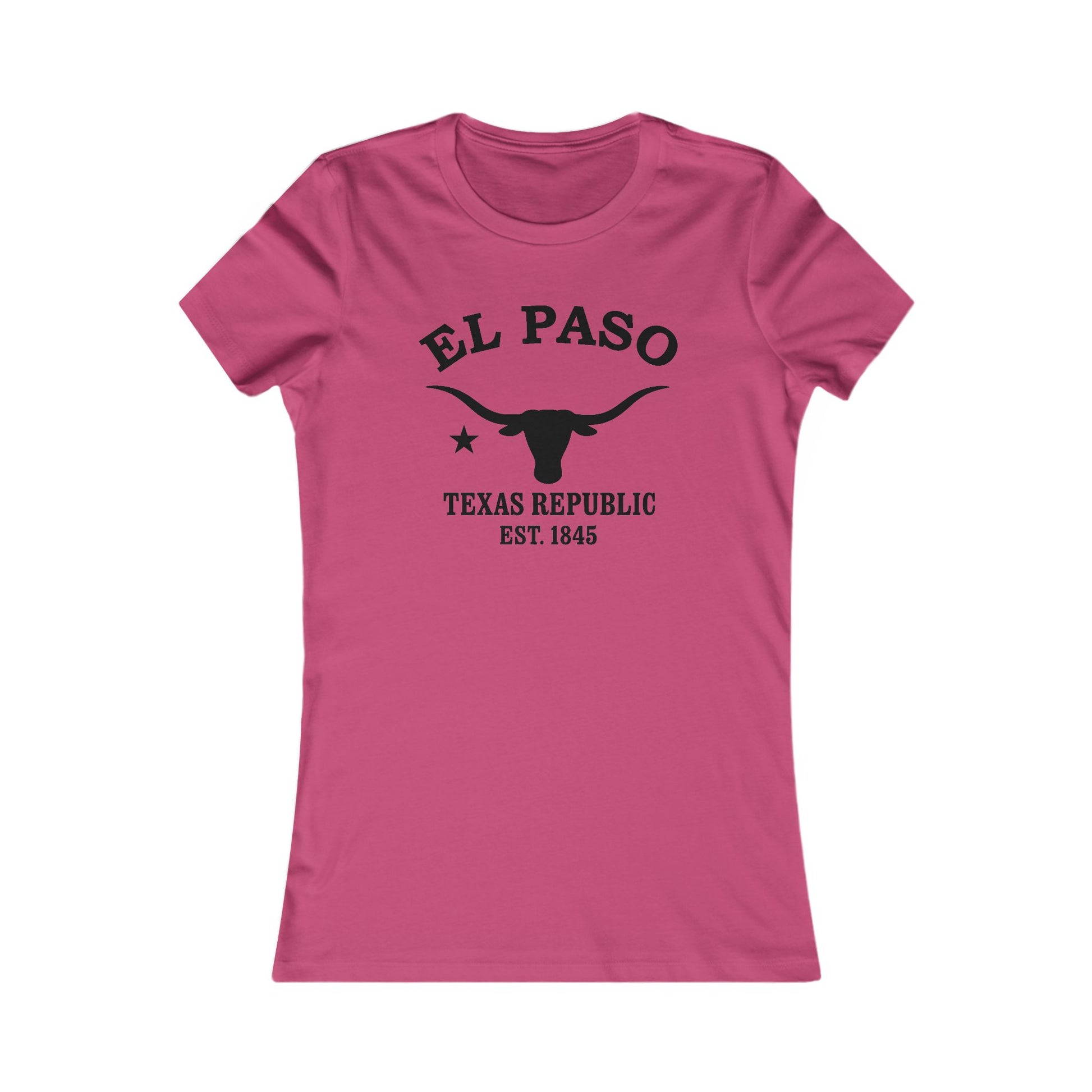
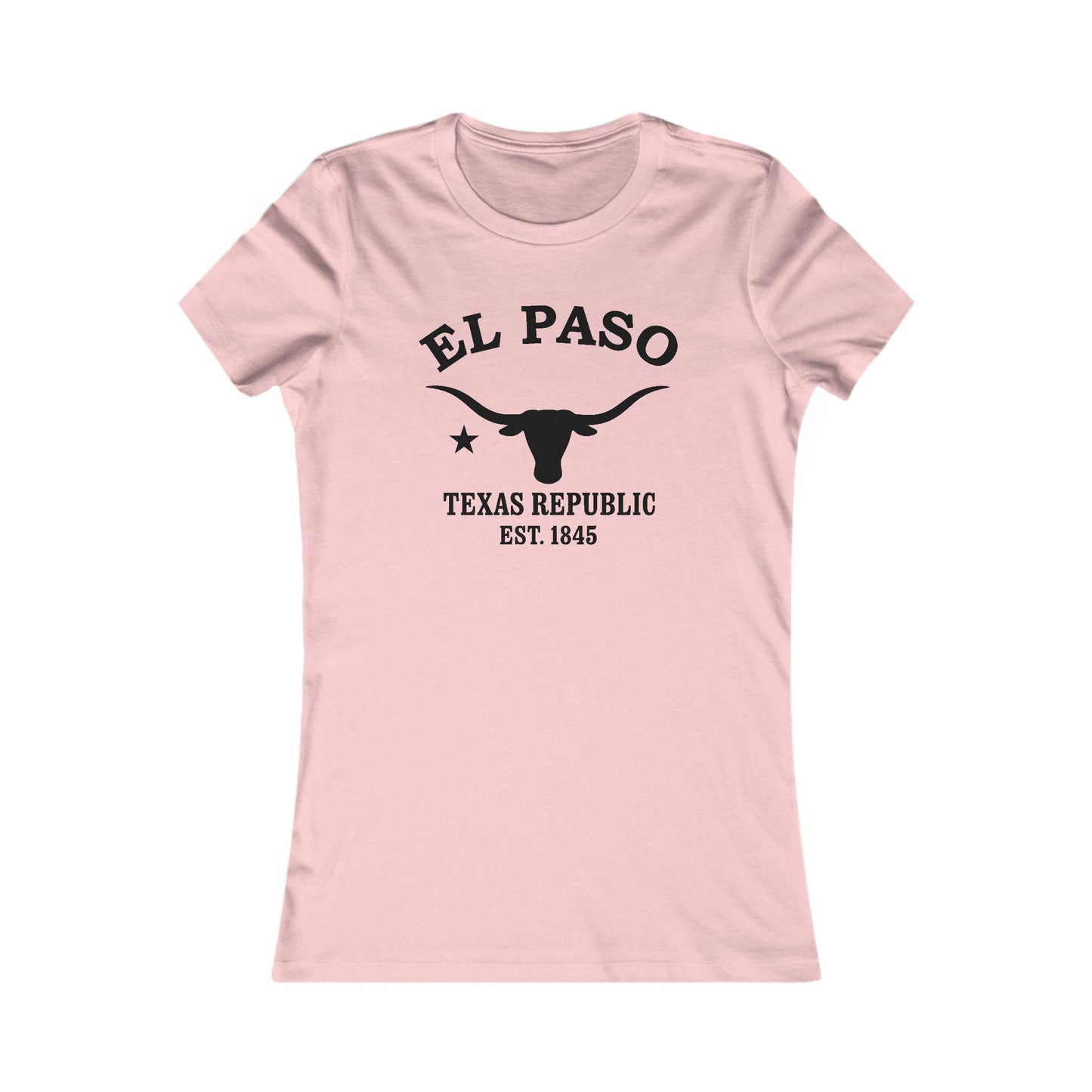
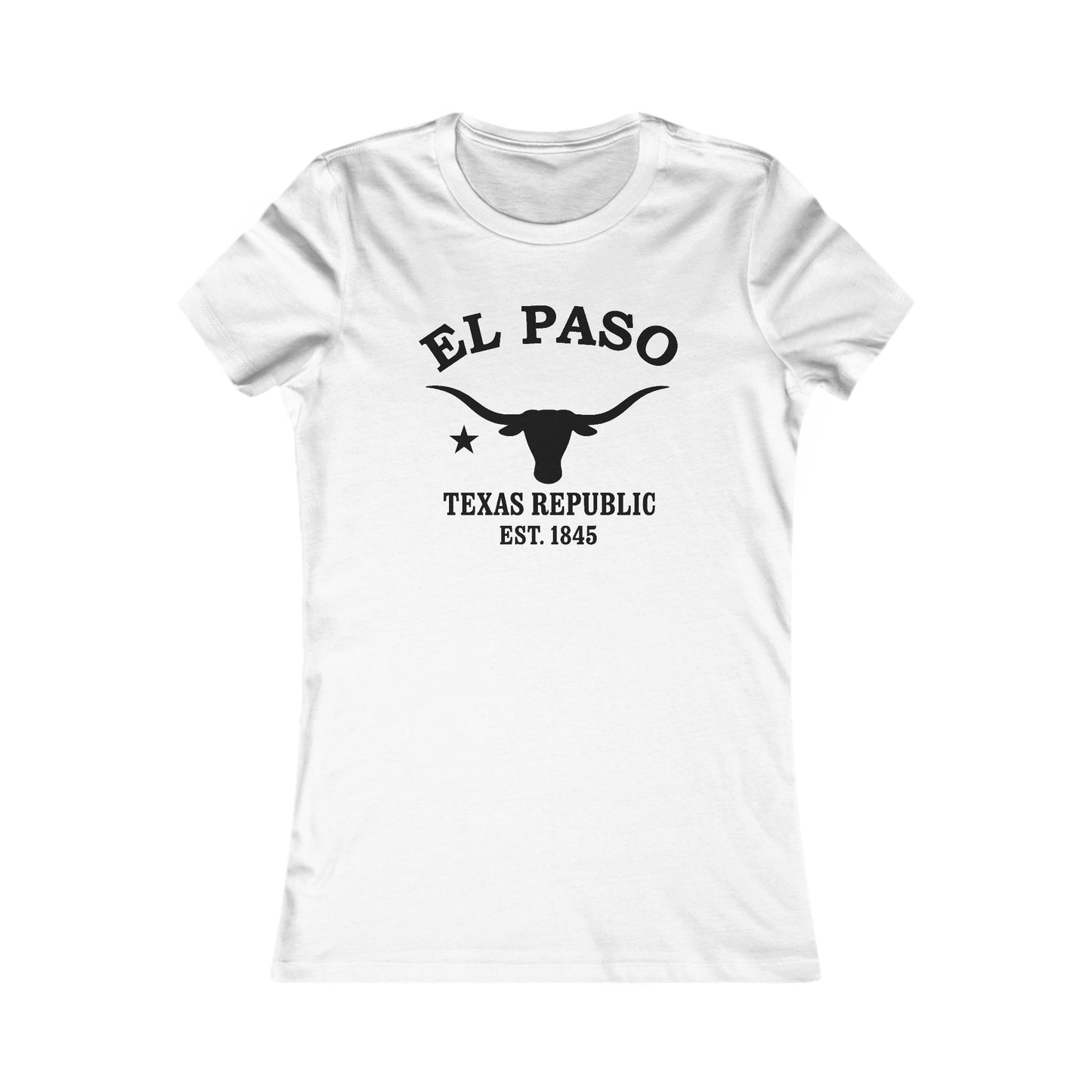
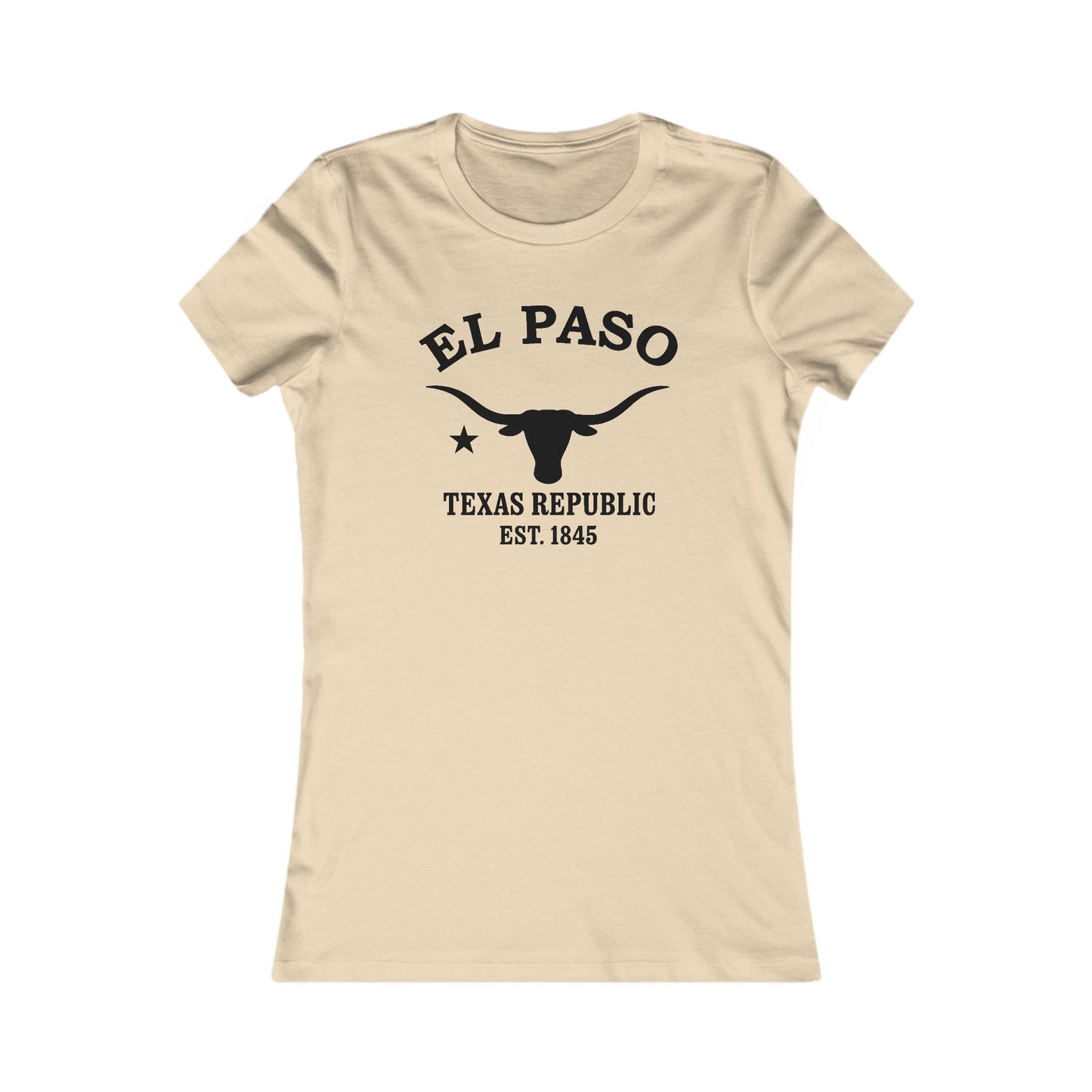
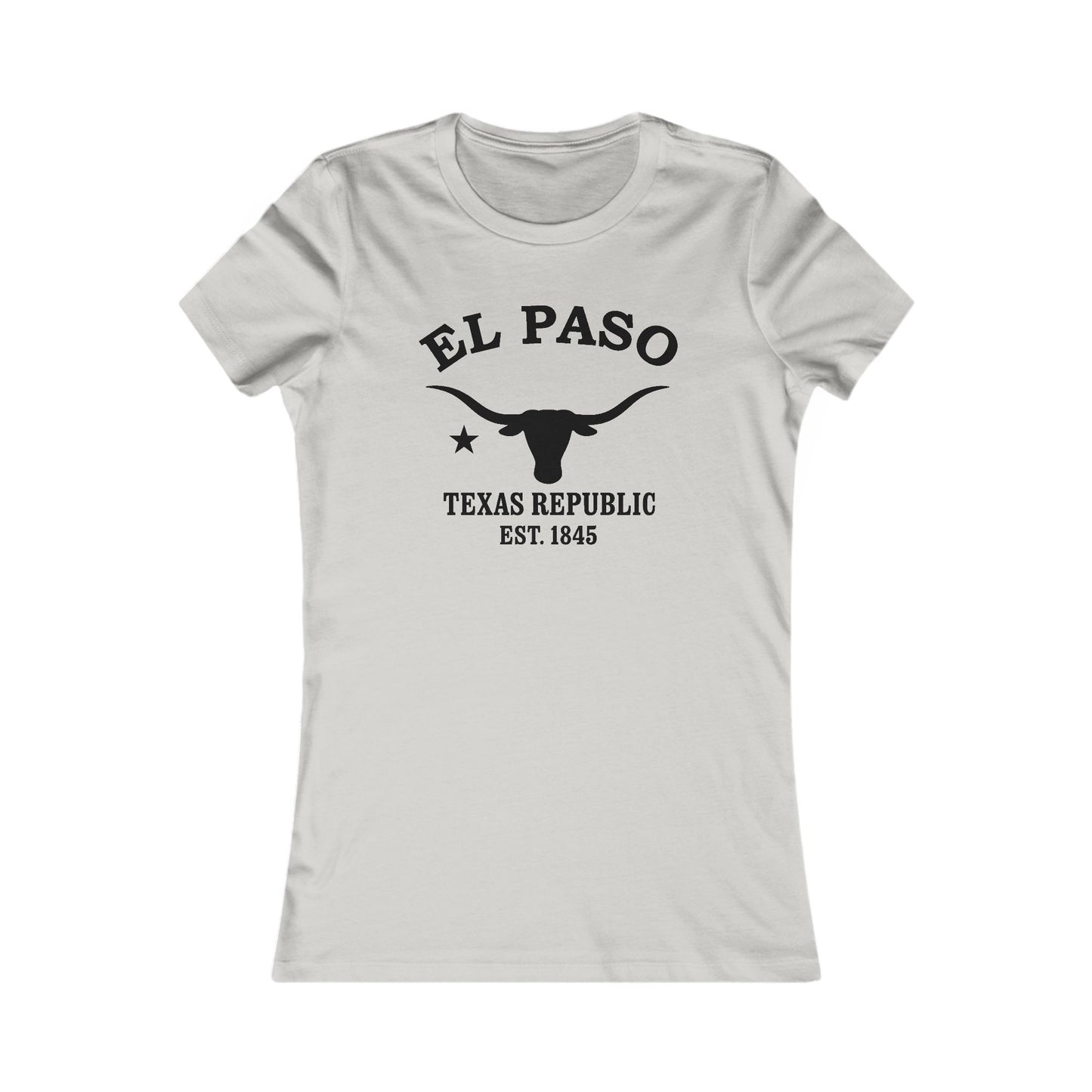
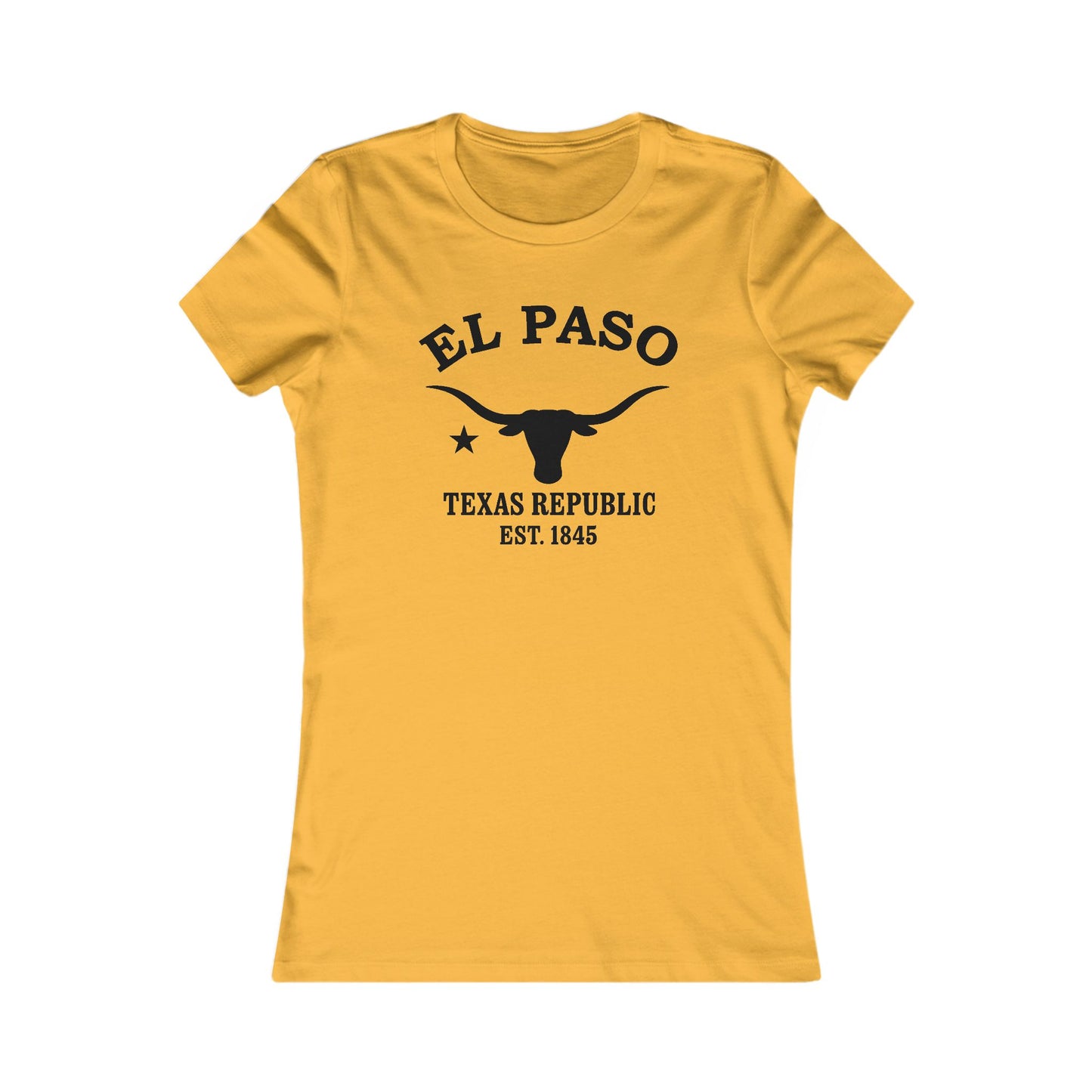
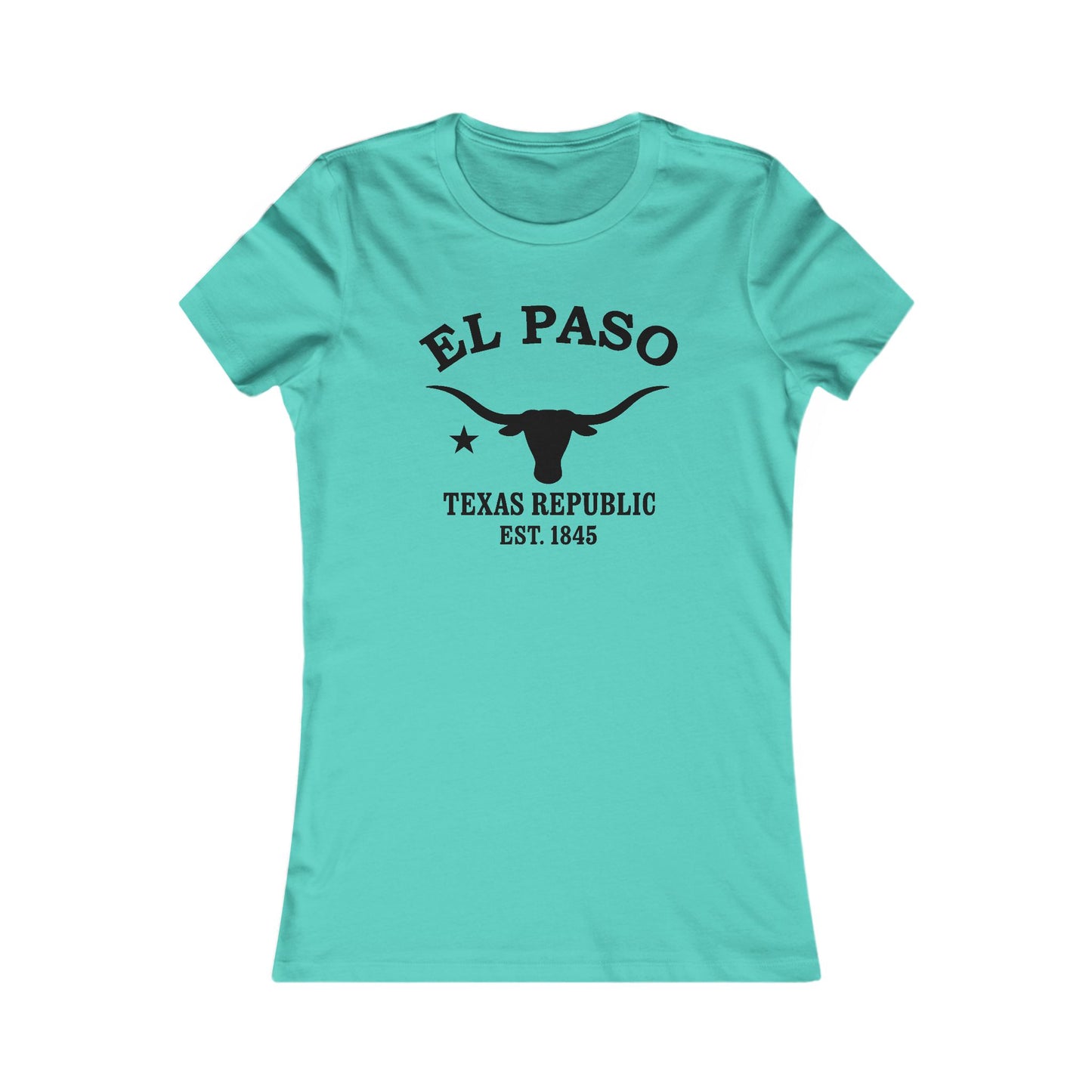
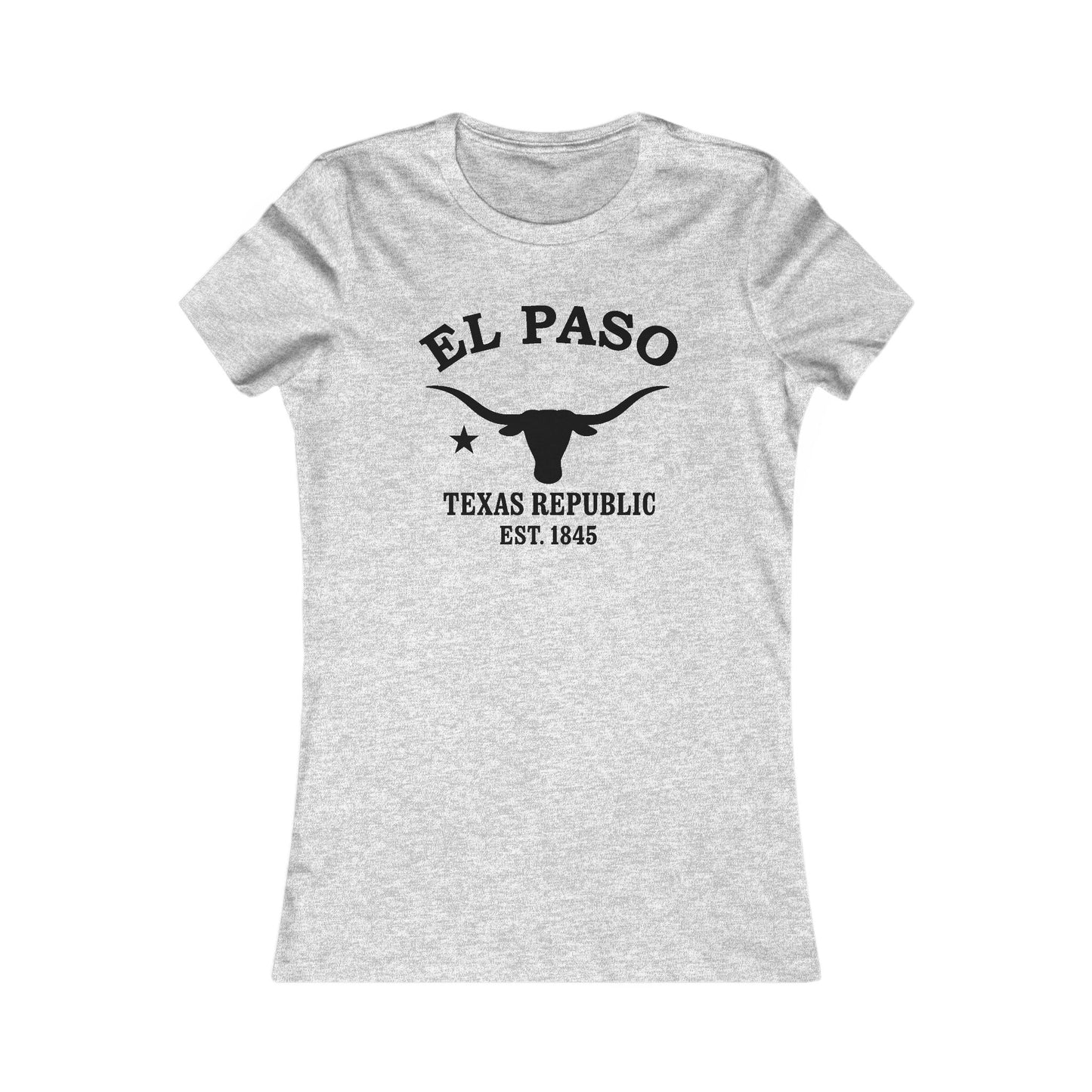
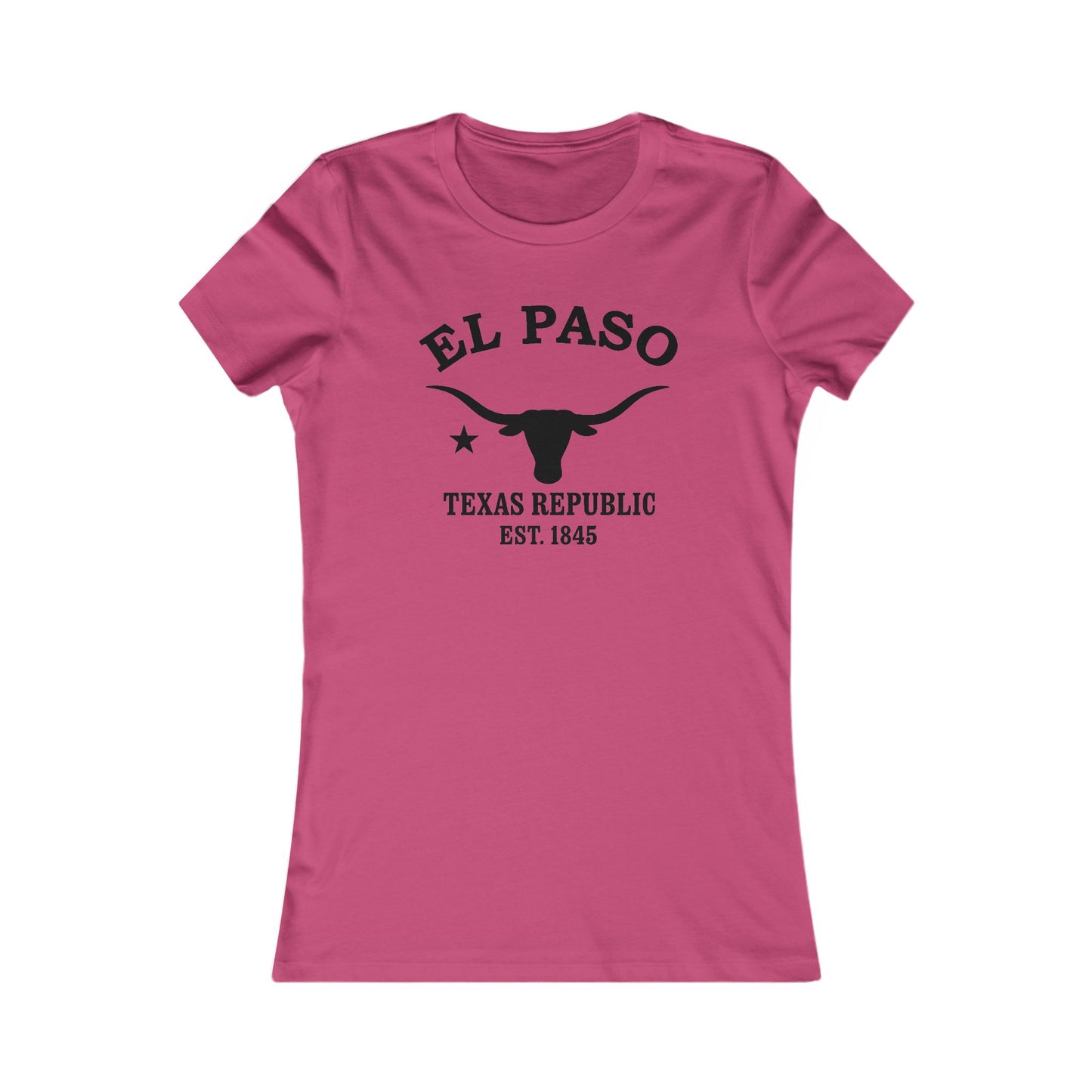
Our El Paso logo carries the Texas longhorn and Lone Star, the same emblem every Merlin Classics Texas place wears, set over "Texas Republic, Est. 1845." The longhorn and star are the Lone Star State's shorthand — toughness, independence, the open range — printed black-and-white with the worn look of an old cattle brand or a rodeo poster. What makes this one El Paso is the place behind it: the Pass of the North, the Franklin Mountains, the desert sun. On a tee or a cap it reads less like a souvenir and more like a piece of West Texas — Est. 1845, worn plain.
The Pass of the North — a crossing in the mountains that has carried four centuries of history. El Paso sits in the gap where the Rio Grande breaks out of the southern Rockies, the natural pass that everything moving between Mexico and the American Southwest funneled through for four hundred years. A Spanish expedition named it "El Paso del Norte," the Pass of the North, in 1598; the oldest mission in Texas rose nearby a few generations later. Today it is the Sun City, set at the foot of the Franklin Mountains, with a star lit on the slope above it and a sun that almost never quits. This page tells the story of the Pass.
Why People Visit El Paso Texas
People come to El Paso for the desert light and the layered history — the Pass of the North, the oldest mission in Texas, the star on the mountain — and for the mountains, the Mission Trail, and the bicultural energy of a Sun City that shares one valley with its neighbor across the river. It is sunny, spacious, and deep: four centuries of the Southwest at the Pass.
