


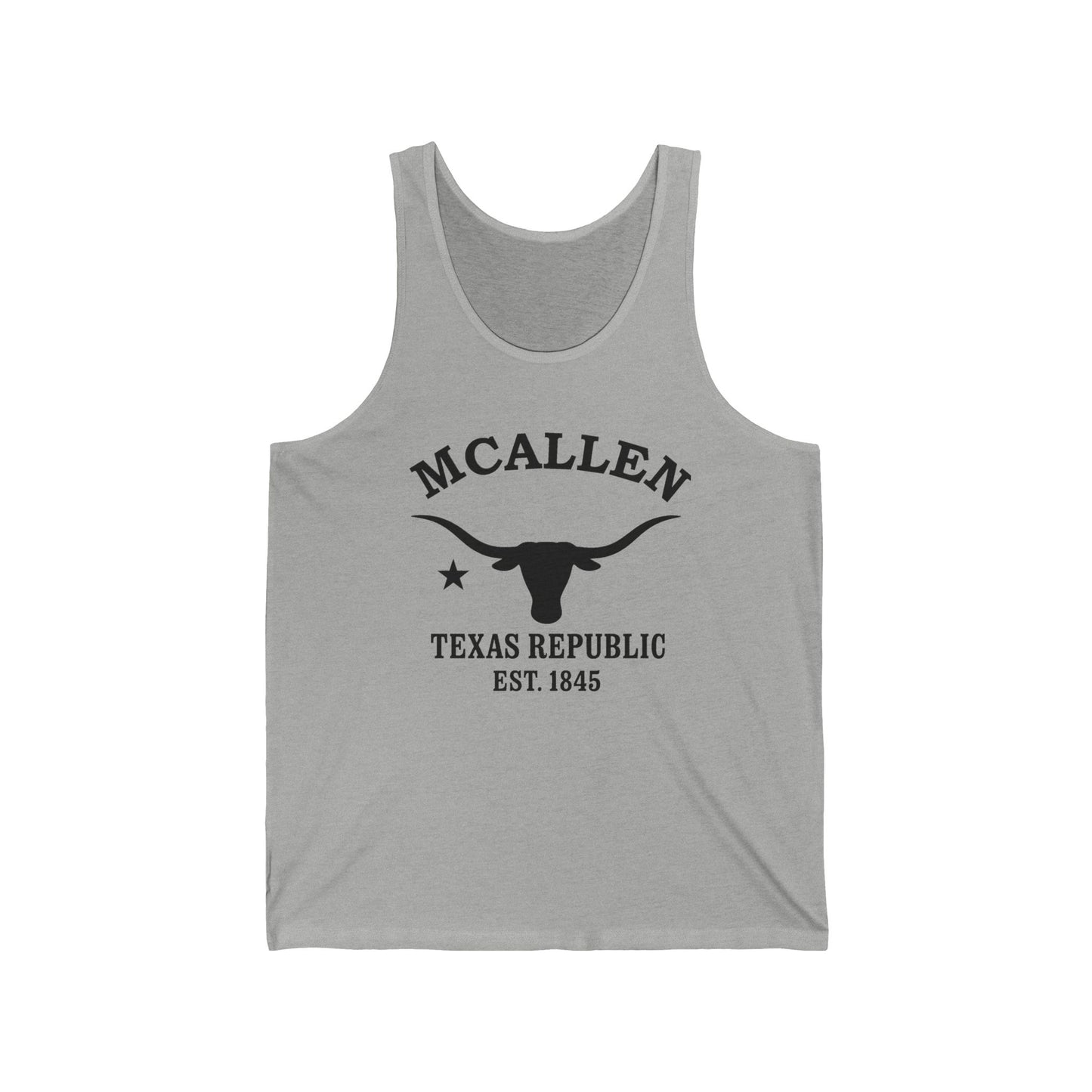
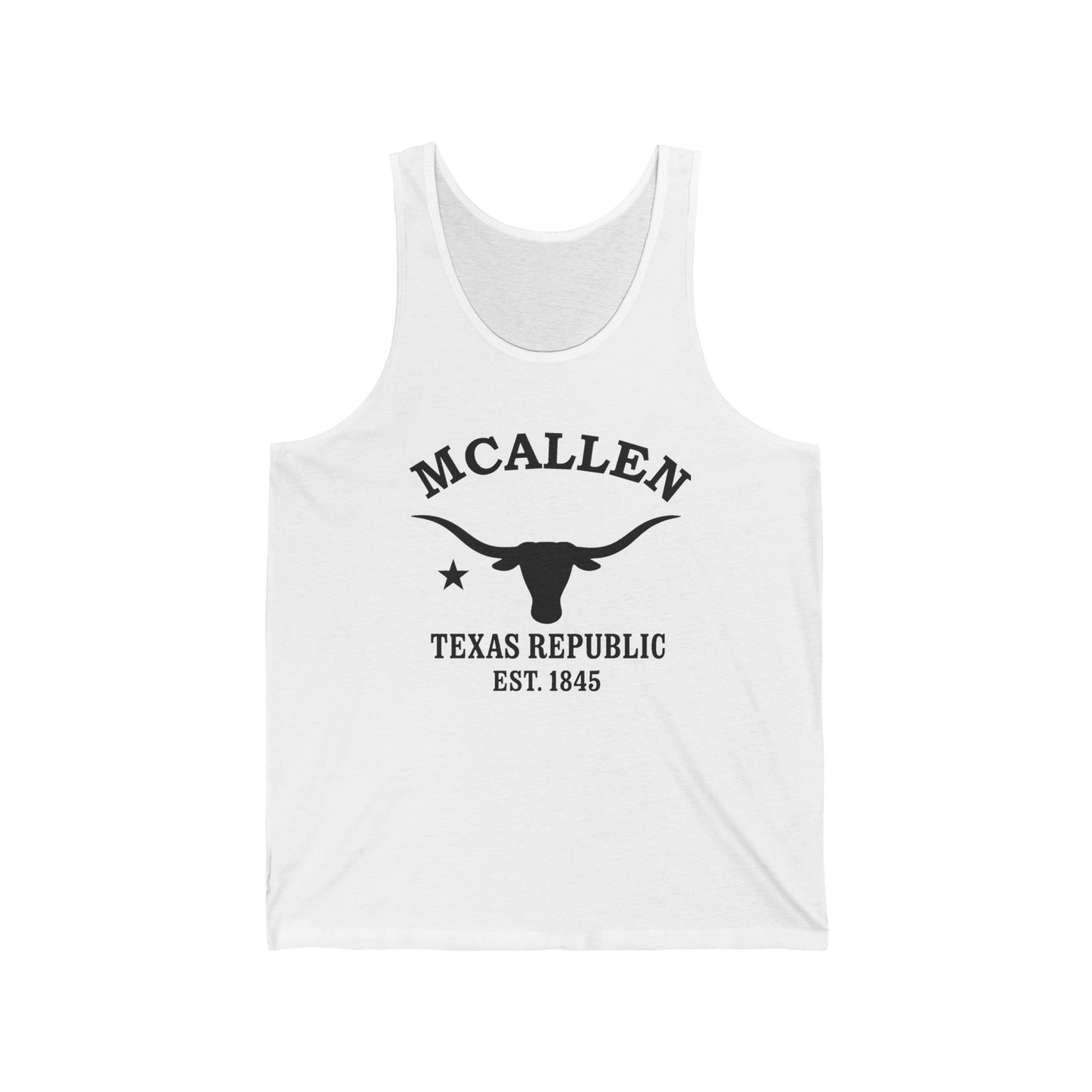
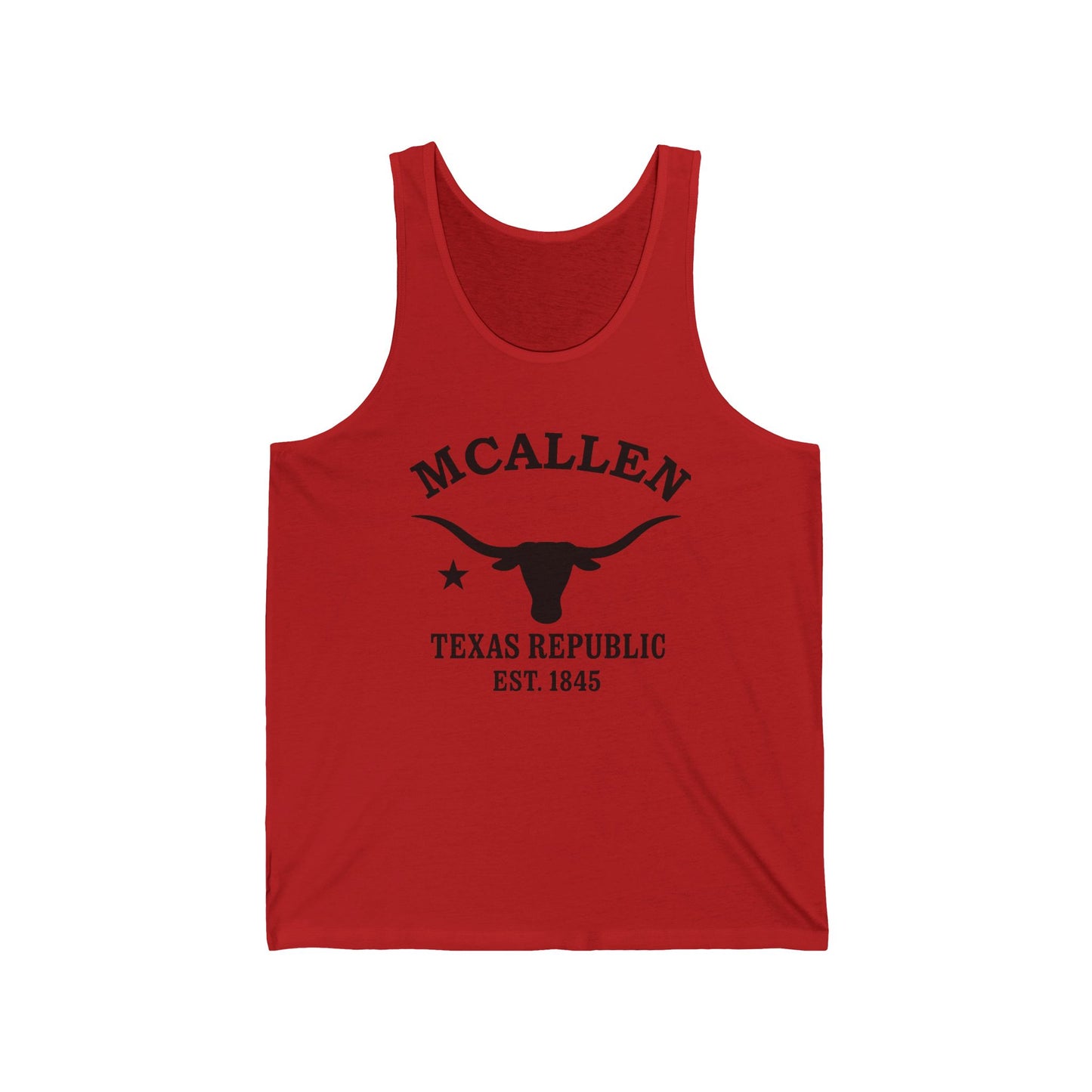
Today McAllen is the commercial heart of the Rio Grande Valley — a fast-growing city of palms, plazas, and parks that still measures its seasons by citrus and migration. Its landmarks run from Quinta Mazatlán's gardens to the much-loved McAllen Public Library, and it has grown into the Valley's center for retail, healthcare, and cross-border commerce. Through all of it the character stays what it has always been: warm, unhurried, and proudly of the Valley.
McAllen is the City of Palms, the heart of the Rio Grande Valley — a railroad town turned border city where Texas turns tropical and two countries share one valley. Our McAllen designs gather that into wearable form. Wear the City of Palms. Heart of the Rio Grande Valley.
Why People Visit McAllen
McAllen offers something rare — a subtropical Texas city where world-class birding, citrus country, and a living bi-national culture all sit within easy reach. Visitors come for the palms and the birds, stay for the food and the warmth, and leave understanding why this corner of Texas calls itself the City of Palms.
