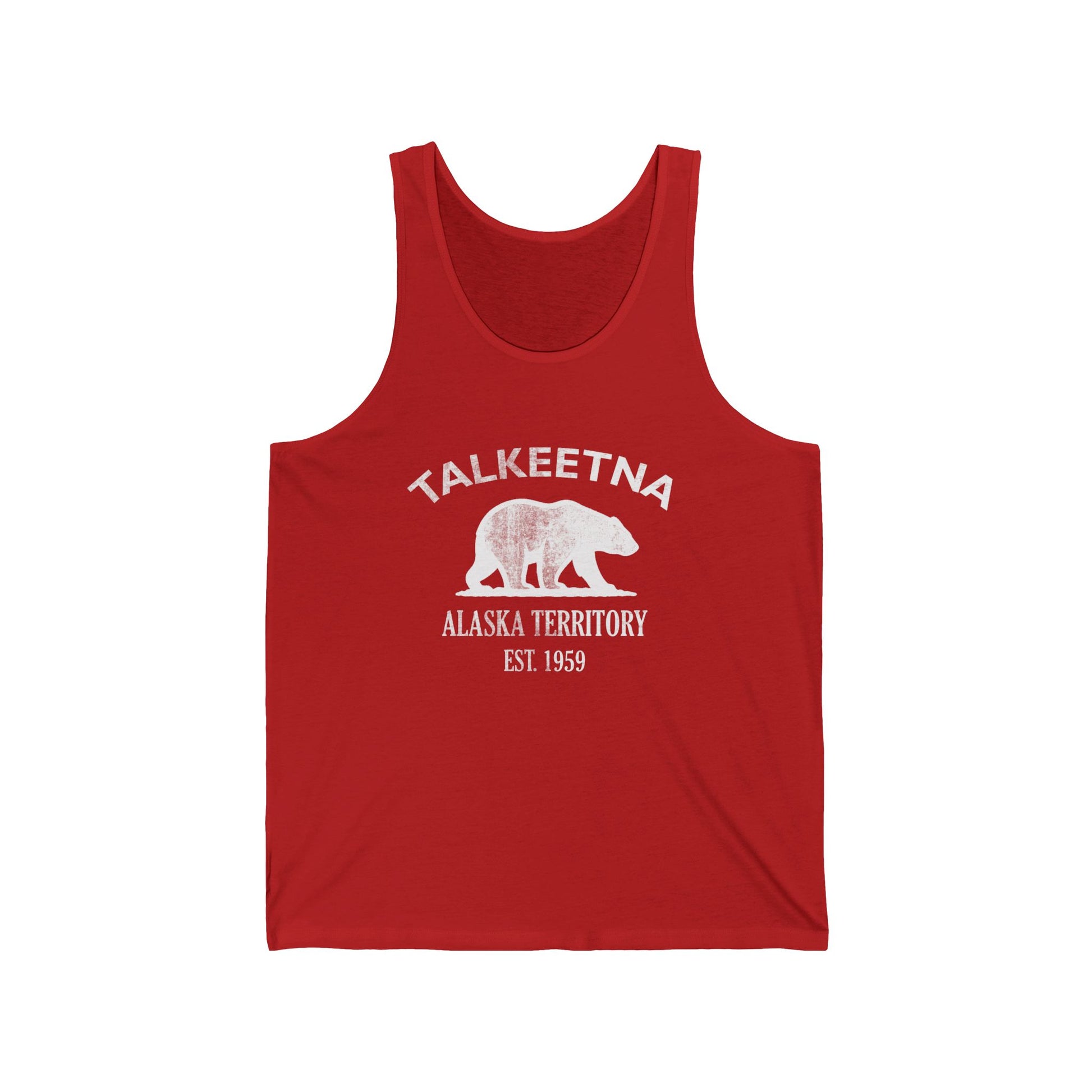
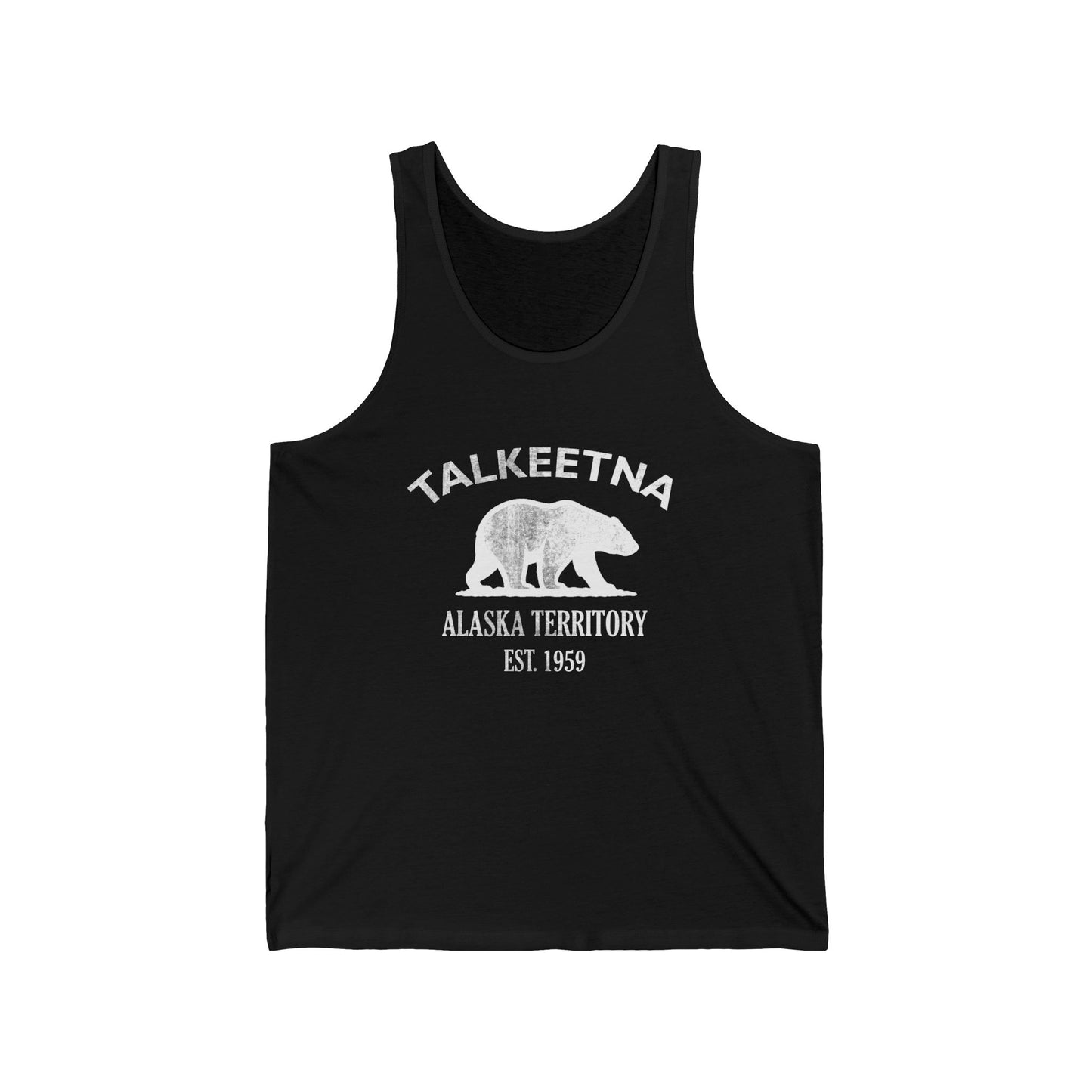
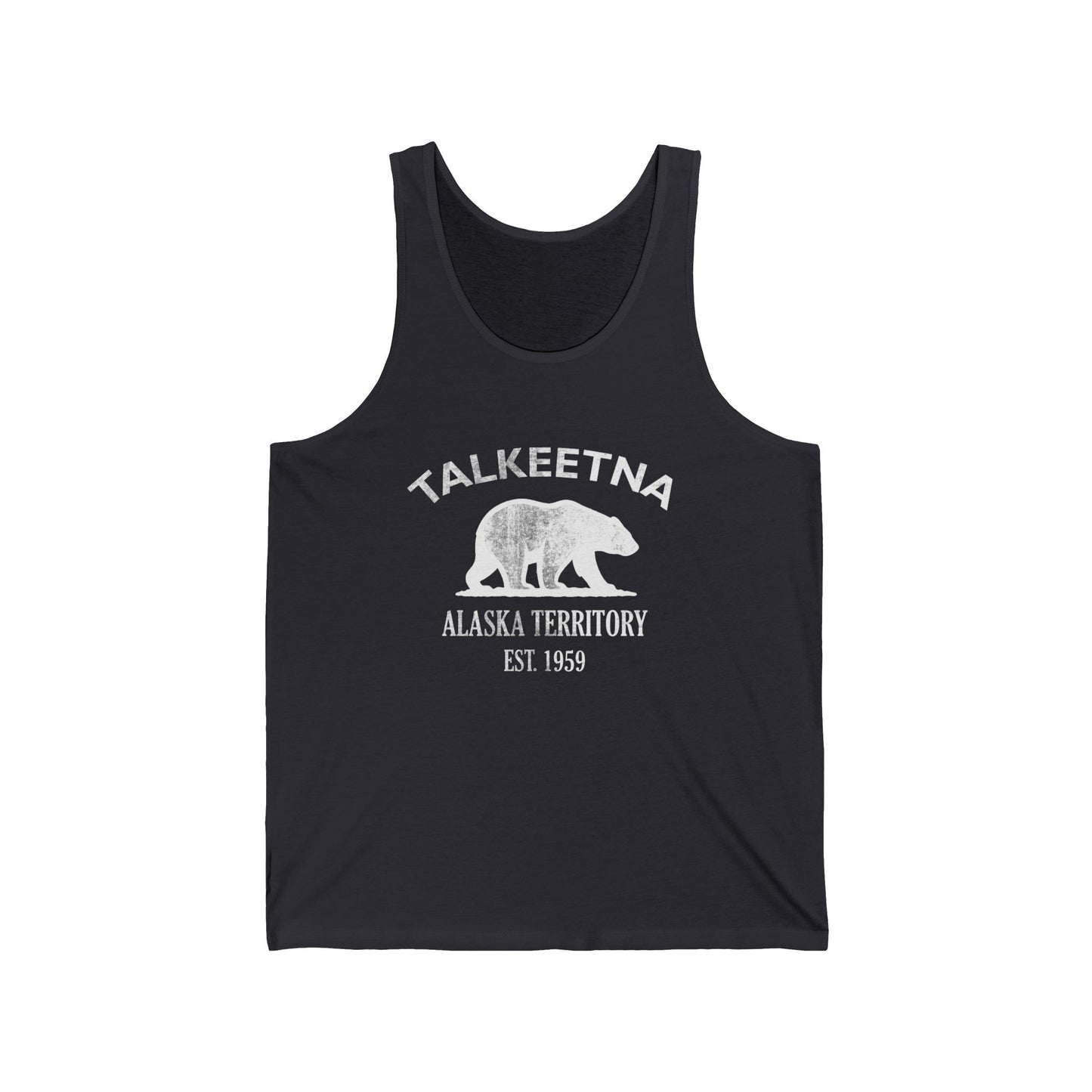
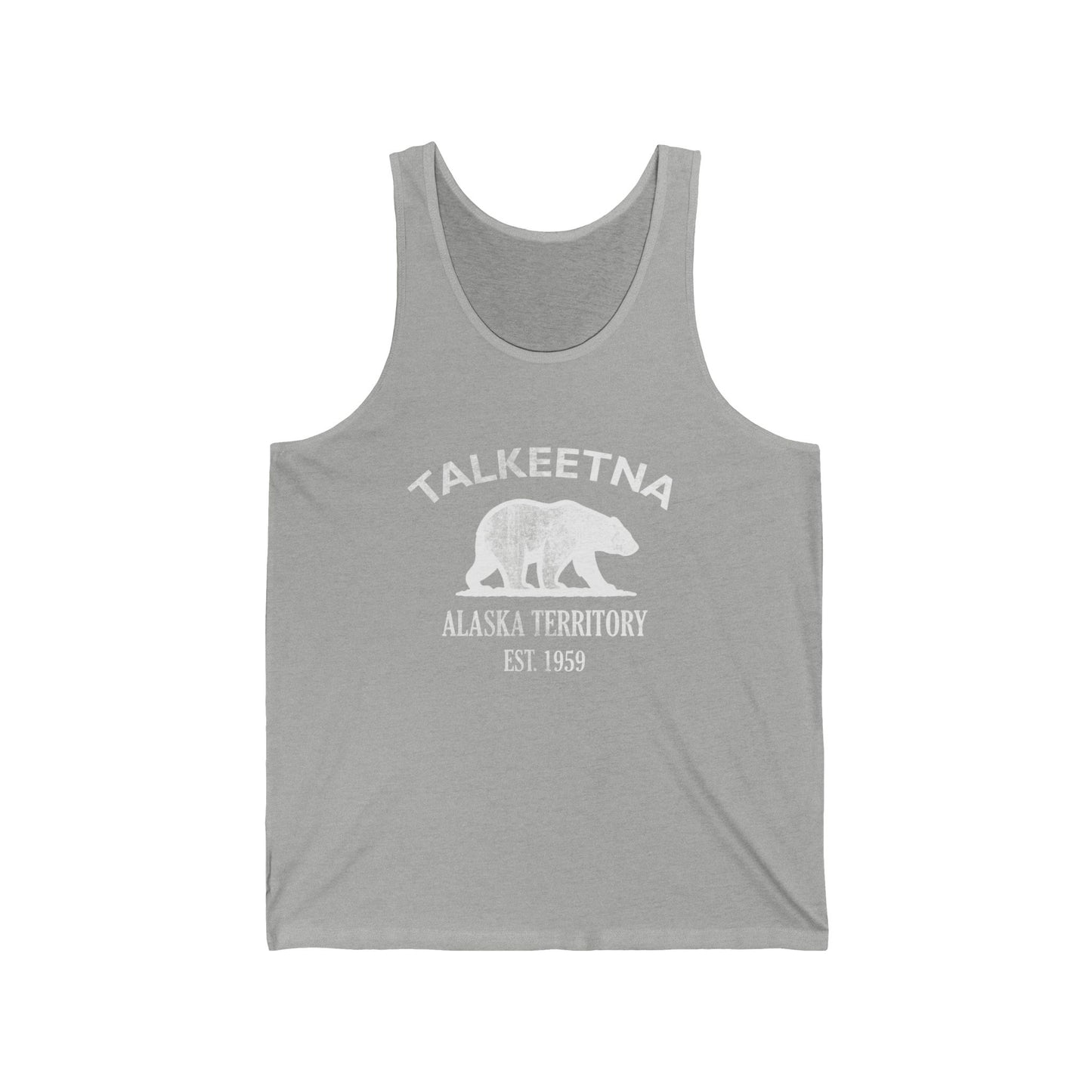
Talkeetna’s lore is river lore and pilot lore: gold colors flashing in the gravel bars, bush pilots who could set a plane down on a glacier shelf in weather that grounded everyone else, and a Main Street where climbers from every continent trade summit stories over sourdough. For thirty-seven years the town threw the Moose Dropping Festival — exactly what it sounds like, retired in 2009 at the height of its fame — and television once borrowed the town’s spirit outright: Talkeetna is widely cited as the inspiration for the fictional Alaska town in the 1990s series Northern Exposure. The town took the compliment and went back to breakfast.
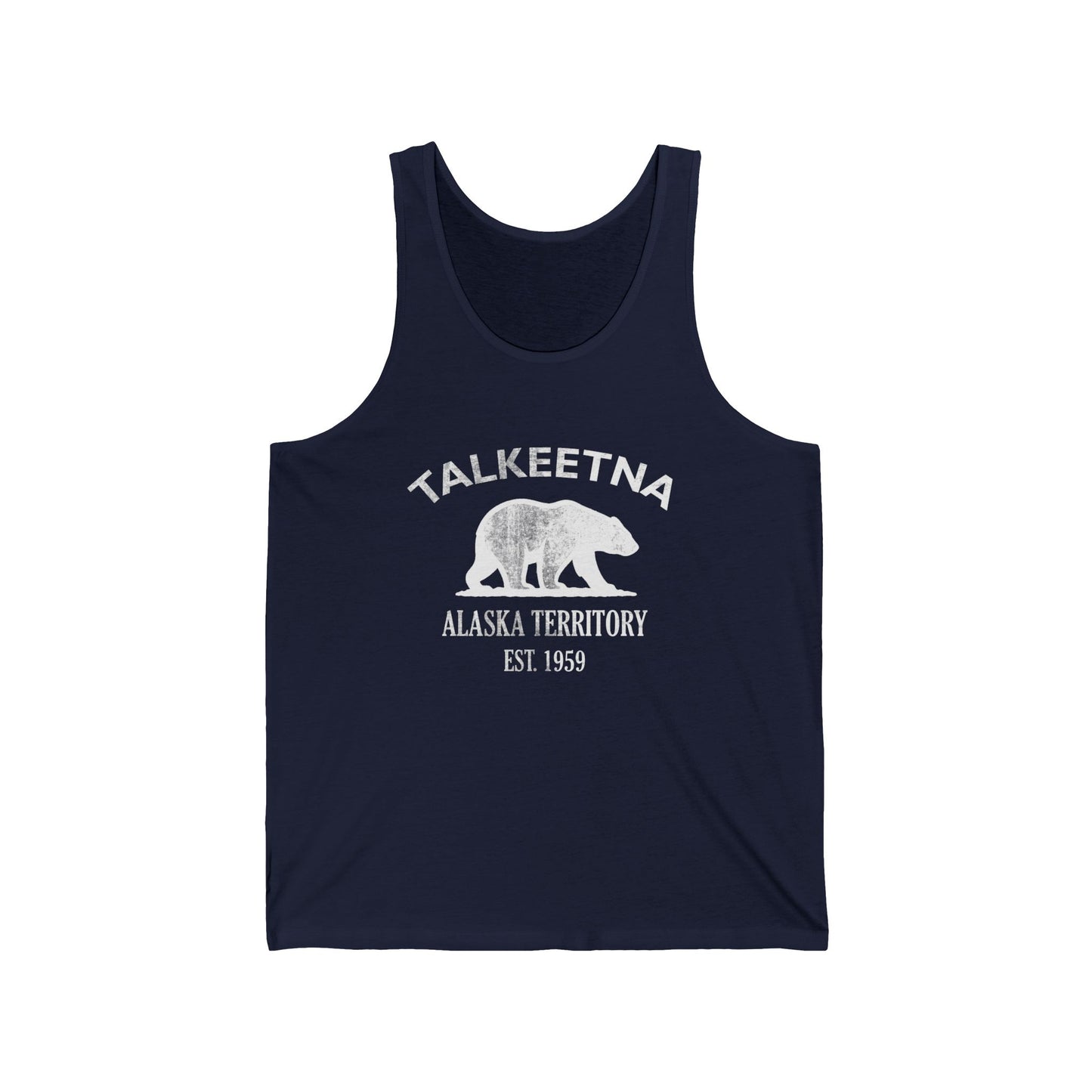
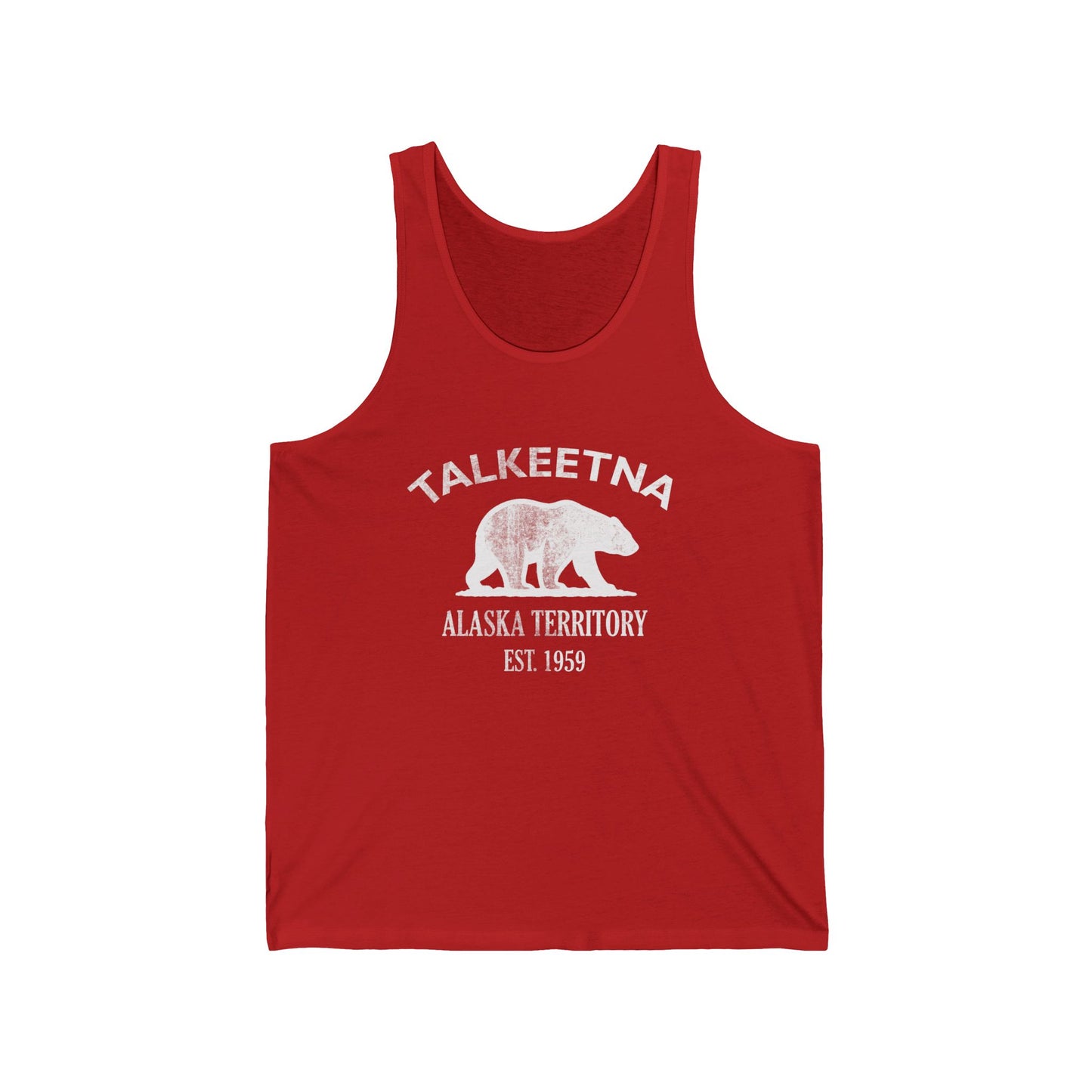
So Talkeetna gathers a Dena’ina name for joining rivers, a gold-rush landing, an eighty-lot railroad auction, a log Main Street on the National Register, the ranger station where every Denali expedition begins, ski-planes bound for a glacier, and a mayor who purrs — and our Talkeetna designs pack all of it into wearable form. Whether Talkeetna is your hometown, your basecamp, your flag-stop, or the town you promised yourself you’d get back to, wear the history. Below Denali since 1896.
Why People Visit Talkeetna Alaska
Talkeetna offers the three-rivers confluence the Dena'ina have gathered at for centuries, the National Register downtown with the Roadhouse and Nagley's and the Fairview Inn intact and operating, the Walter Harper Ranger Station that every Denali climber walks through, the long view of the highest mountain in North America rising at the head of the Susitna Valley, the Alaska Railroad Denali Star at the depot daily, and the small-plane glacier-landing tradition that opened the mountain to the world. It is a small town at the end of a fourteen-mile spur road, and almost every climber on Denali has stood on its one main street first. Below Denali since 1896.
