Through the World Wars the harbor turned San Diego into a Navy city. The deep bay and mild weather made it an ideal homeport, and the fleet, the air station on North Island, and the Marine recruit depot grew into the economic backbone of the region — the Pacific Fleet's principal home and one of the largest naval concentrations anywhere. The bay fed the city too: by mid-century the tuna fleet, crewed largely by Portuguese and Italian fishing families, had made San Diego the tuna capital of the world, and the old Naval Training Center on Point Loma lives on today as Liberty Station. The city built airplanes as well: Charles Lindbergh's Spirit of St. Louis was designed and assembled in San Diego in 1927. For generations of sailors and Marines, 'stationed in San Diego' has been a line in countless life stories, and the phrase still carries the salt air, the gray ships, and the harbor that taught them the Pacific.
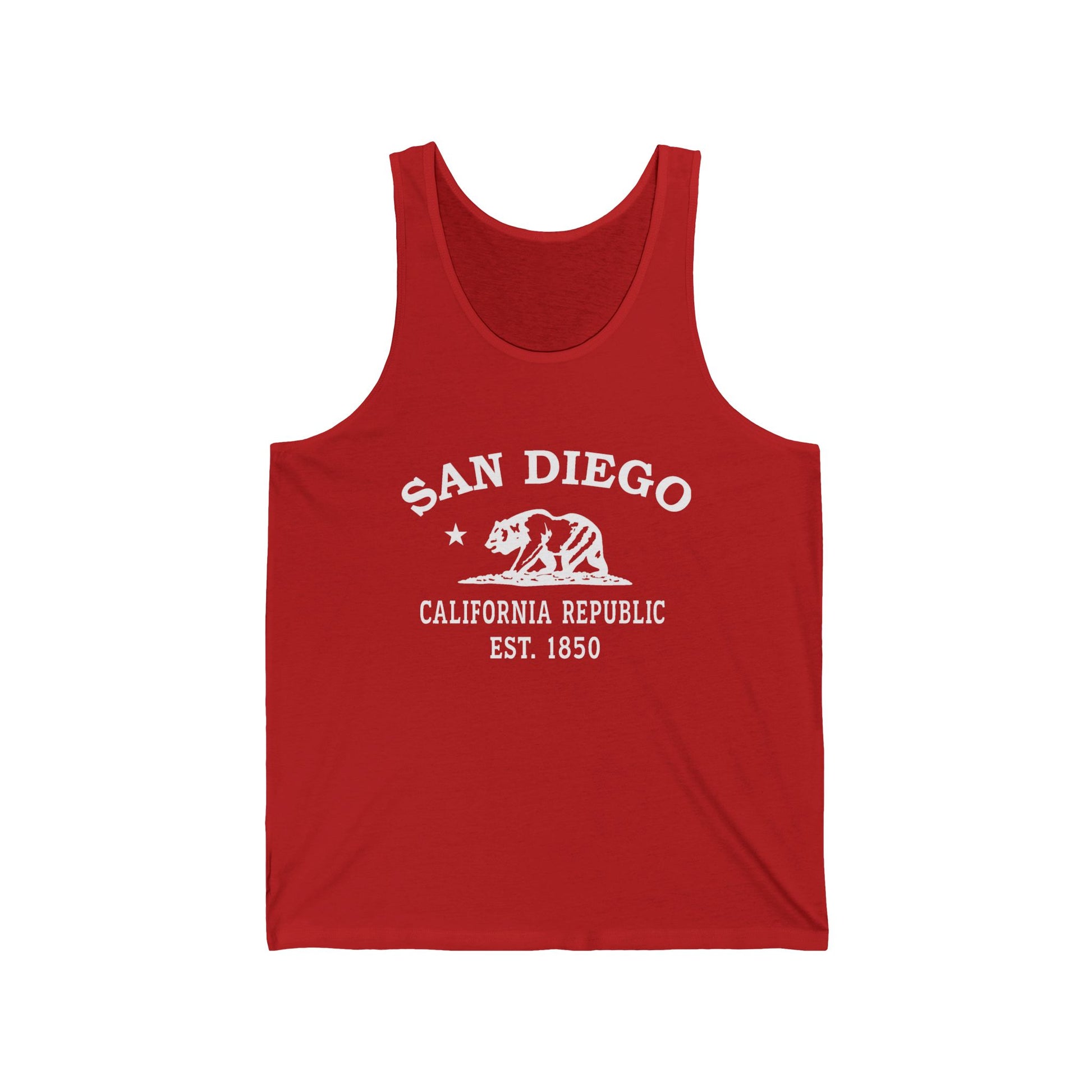
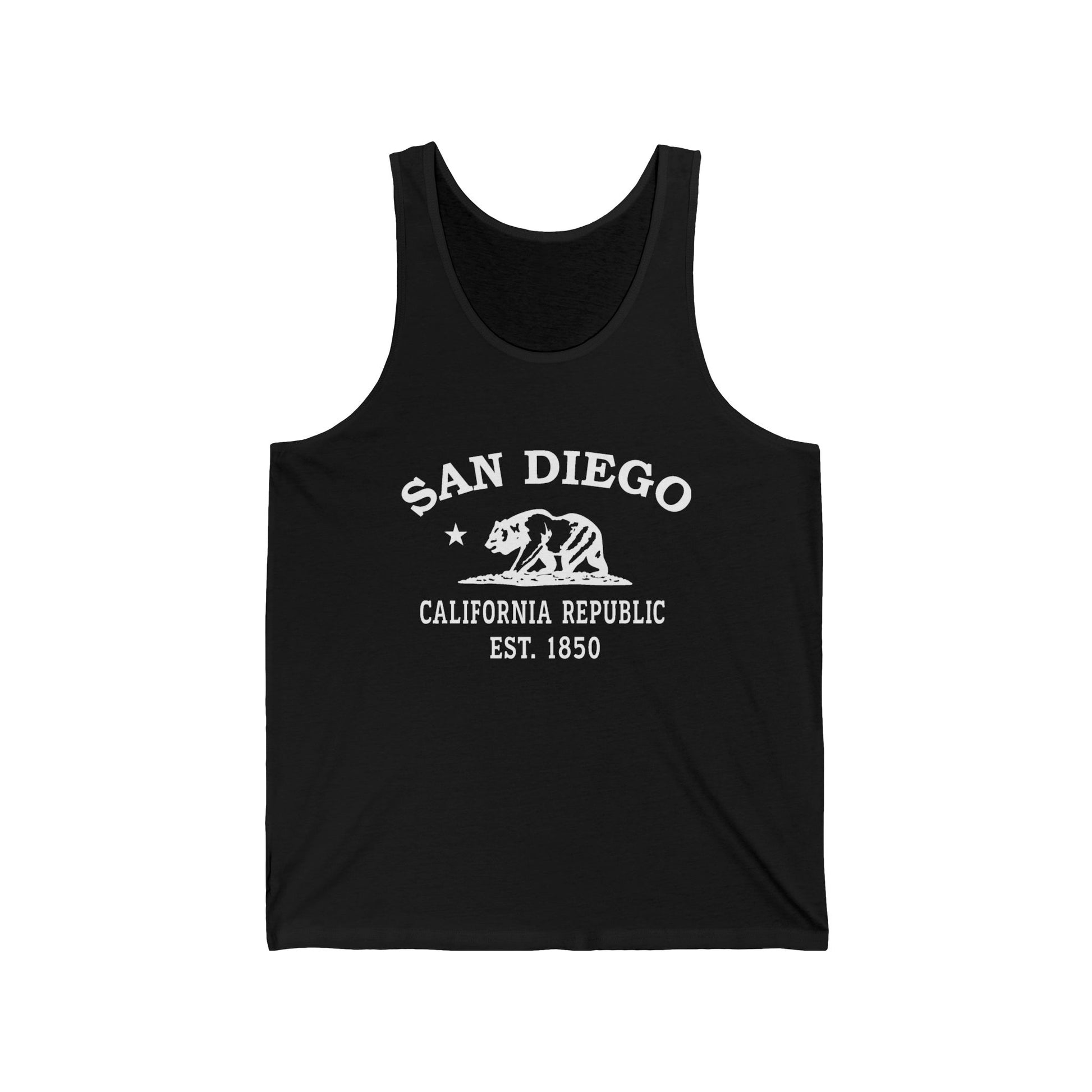
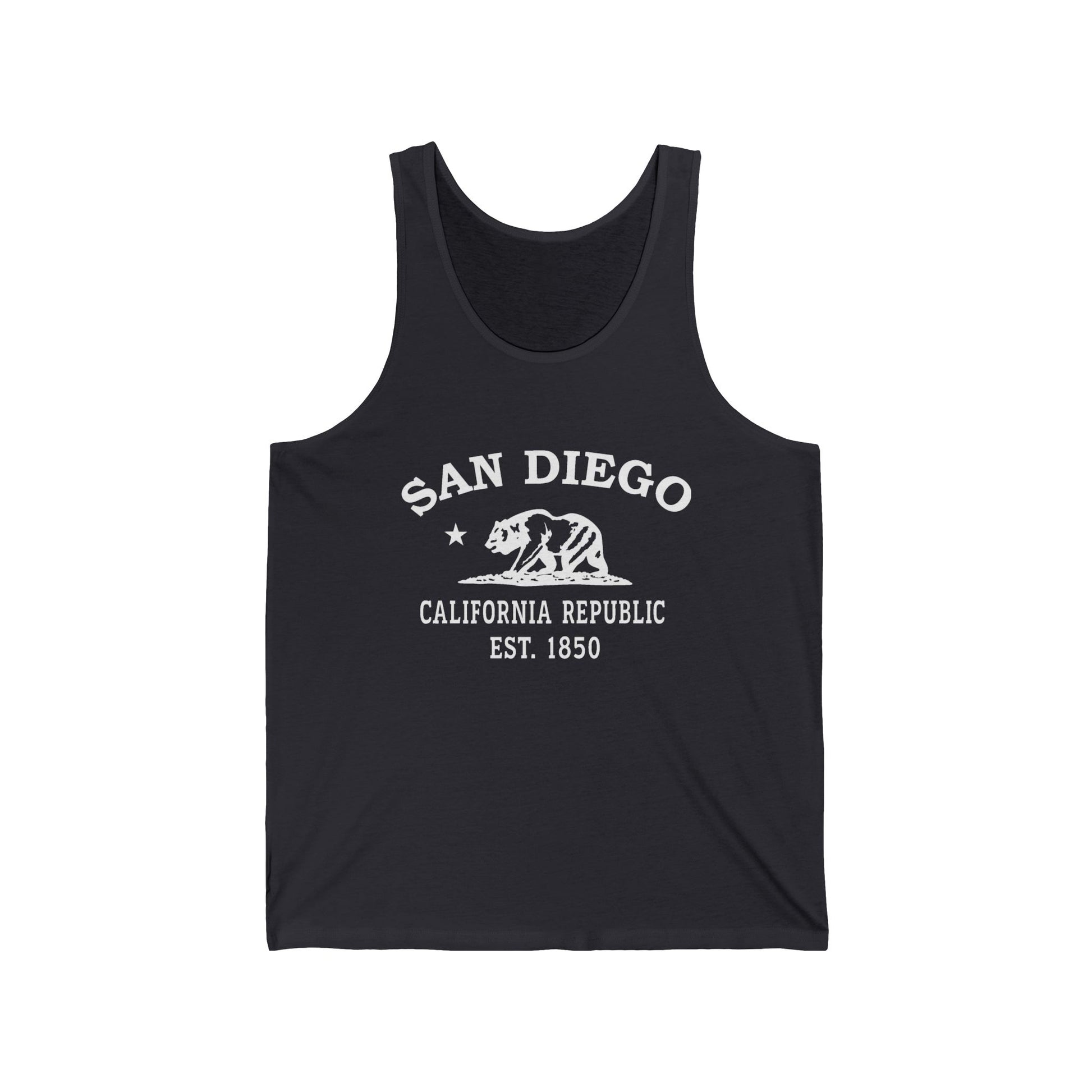
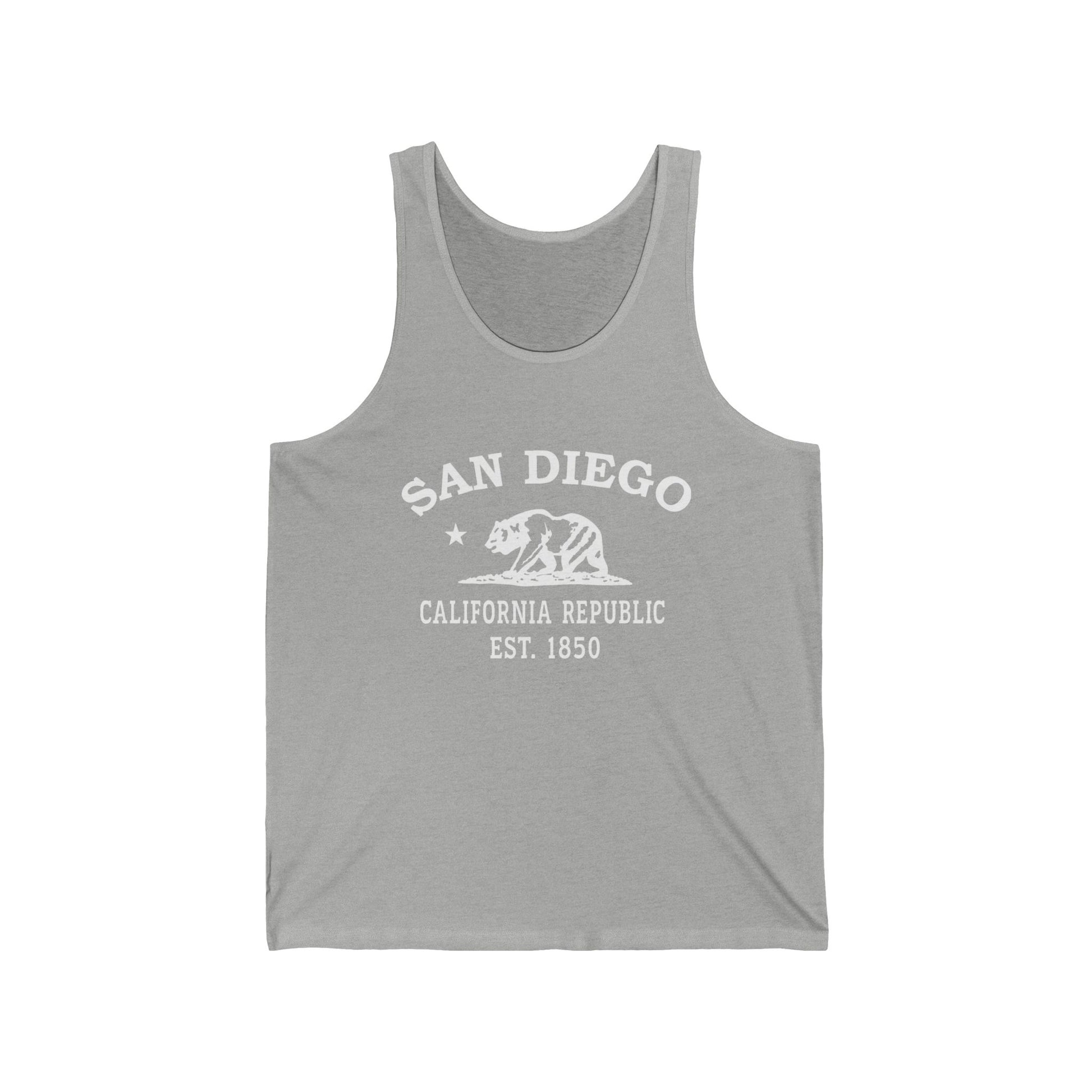
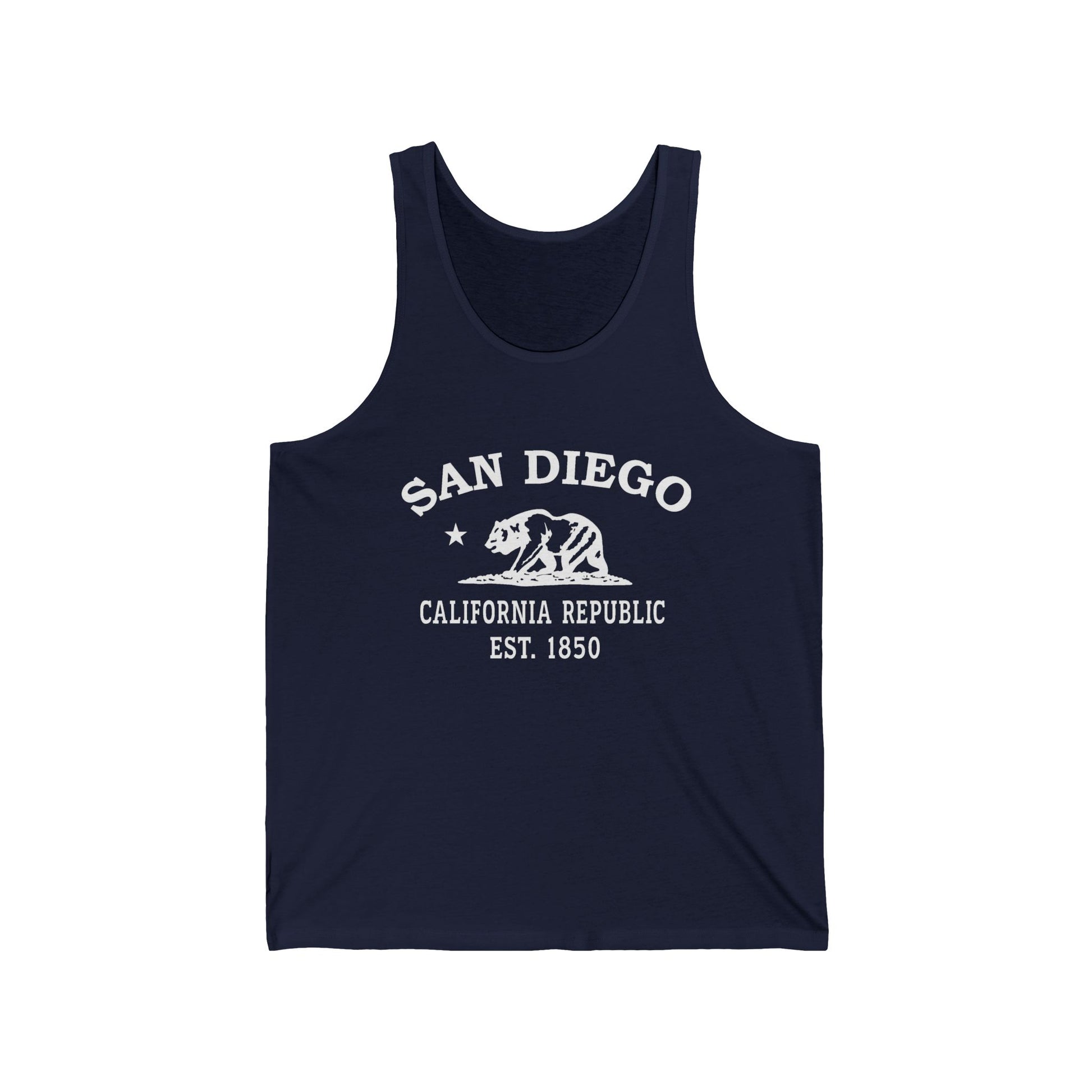
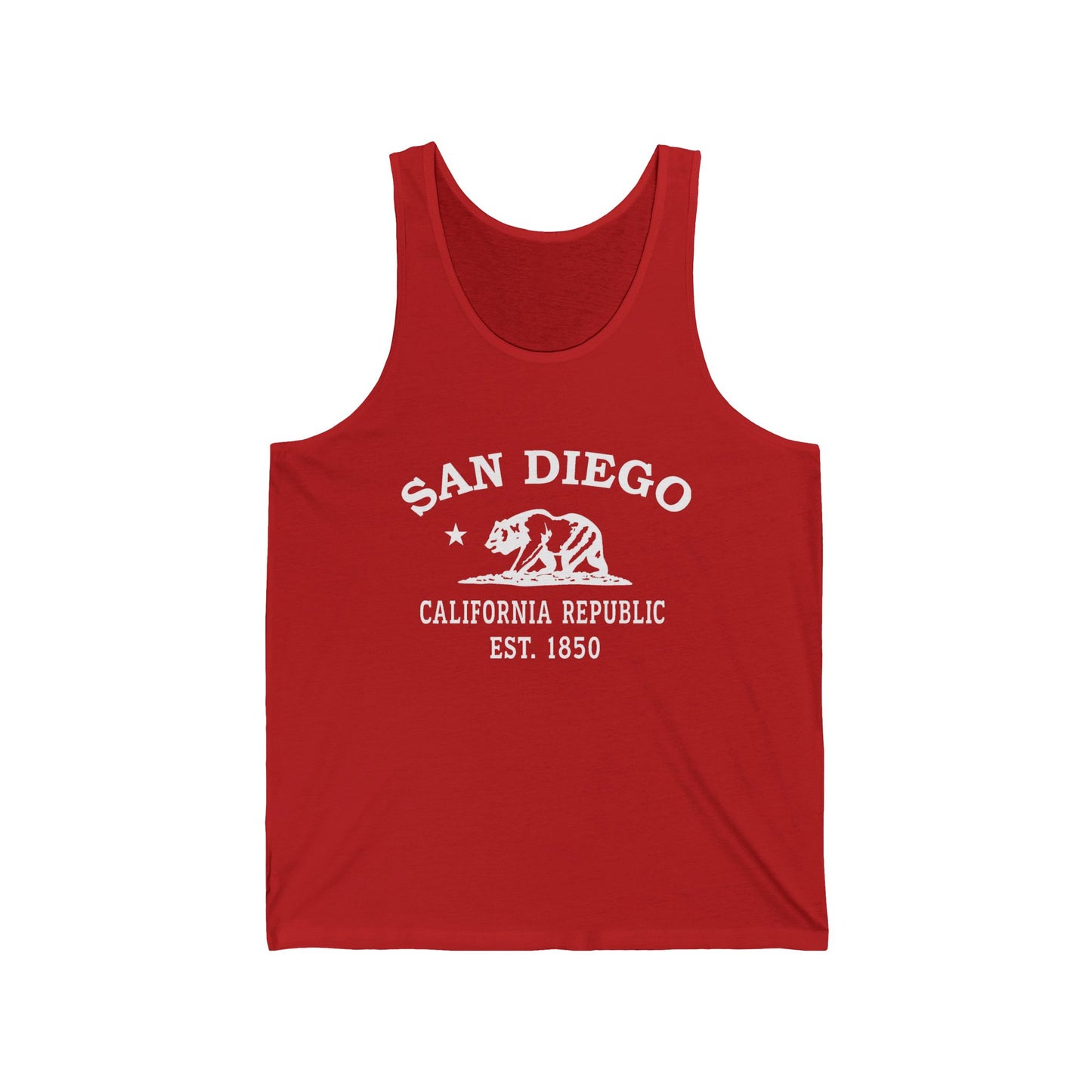
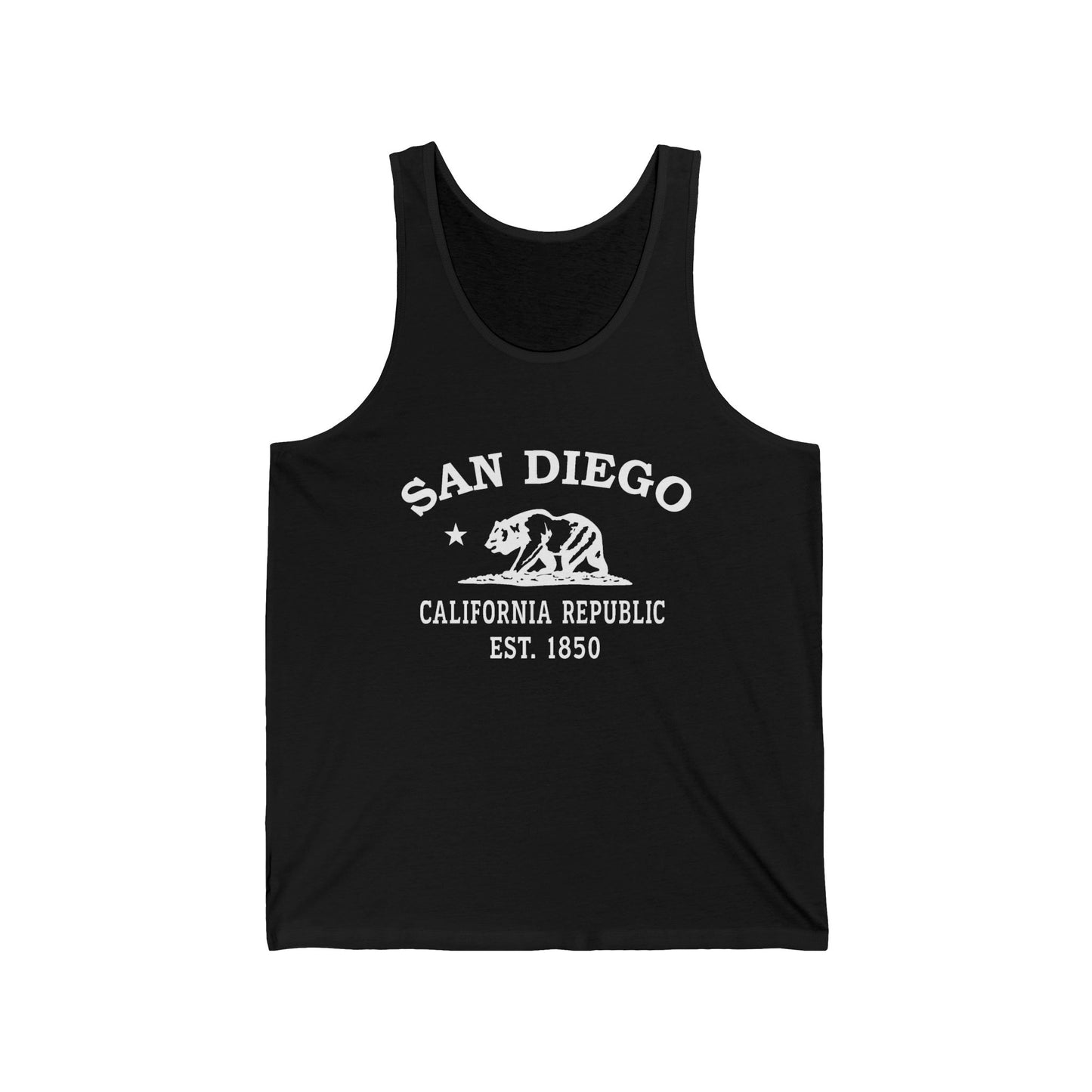
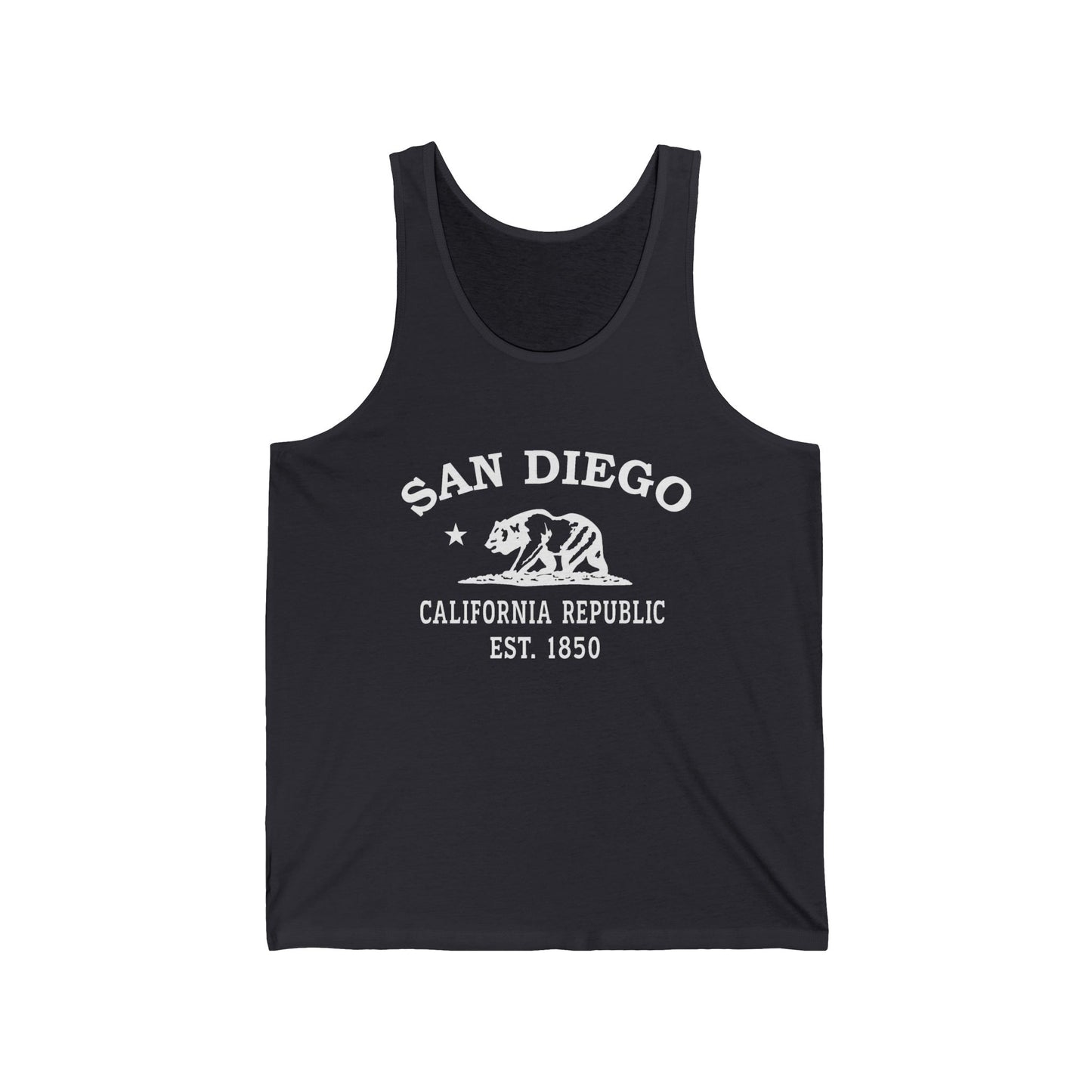
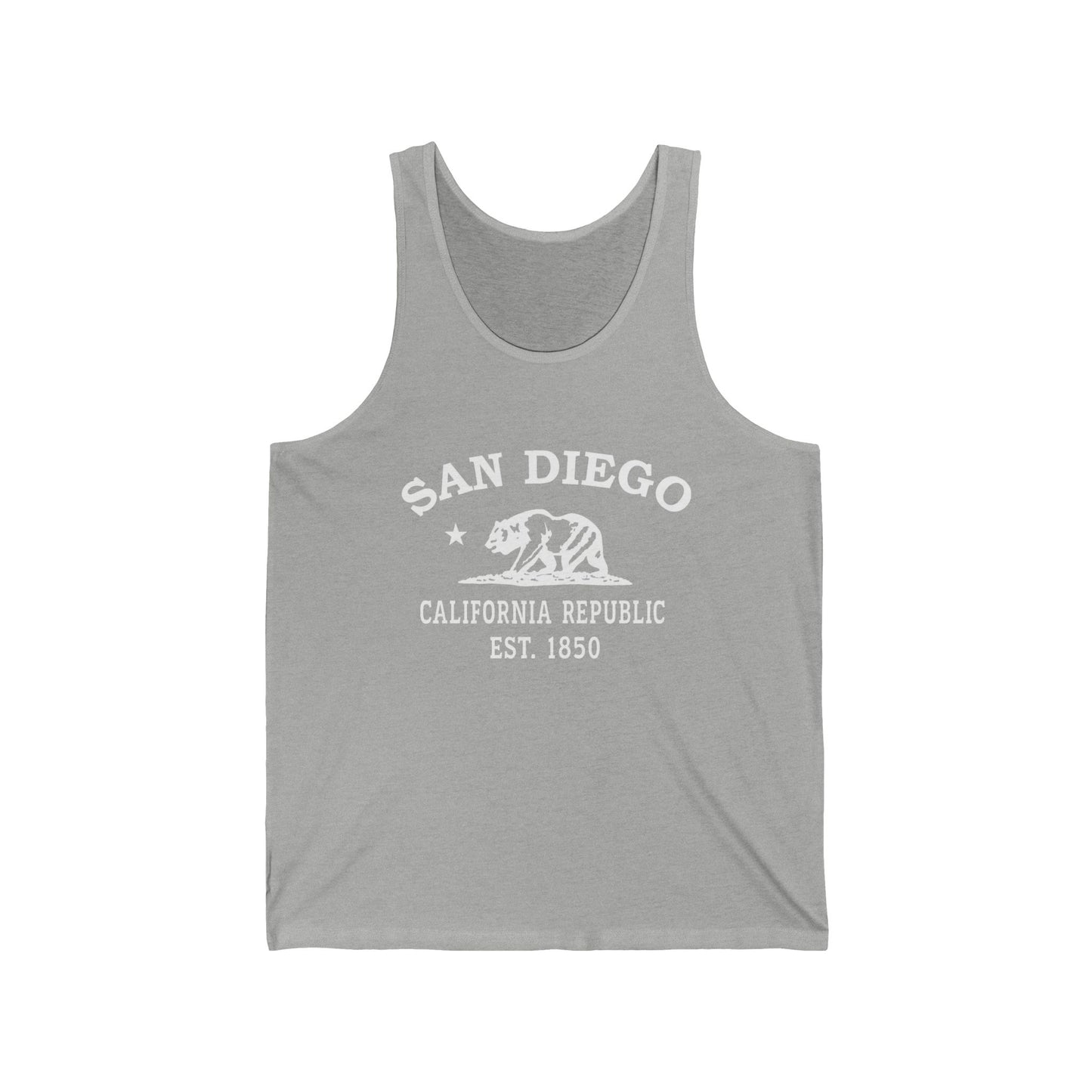
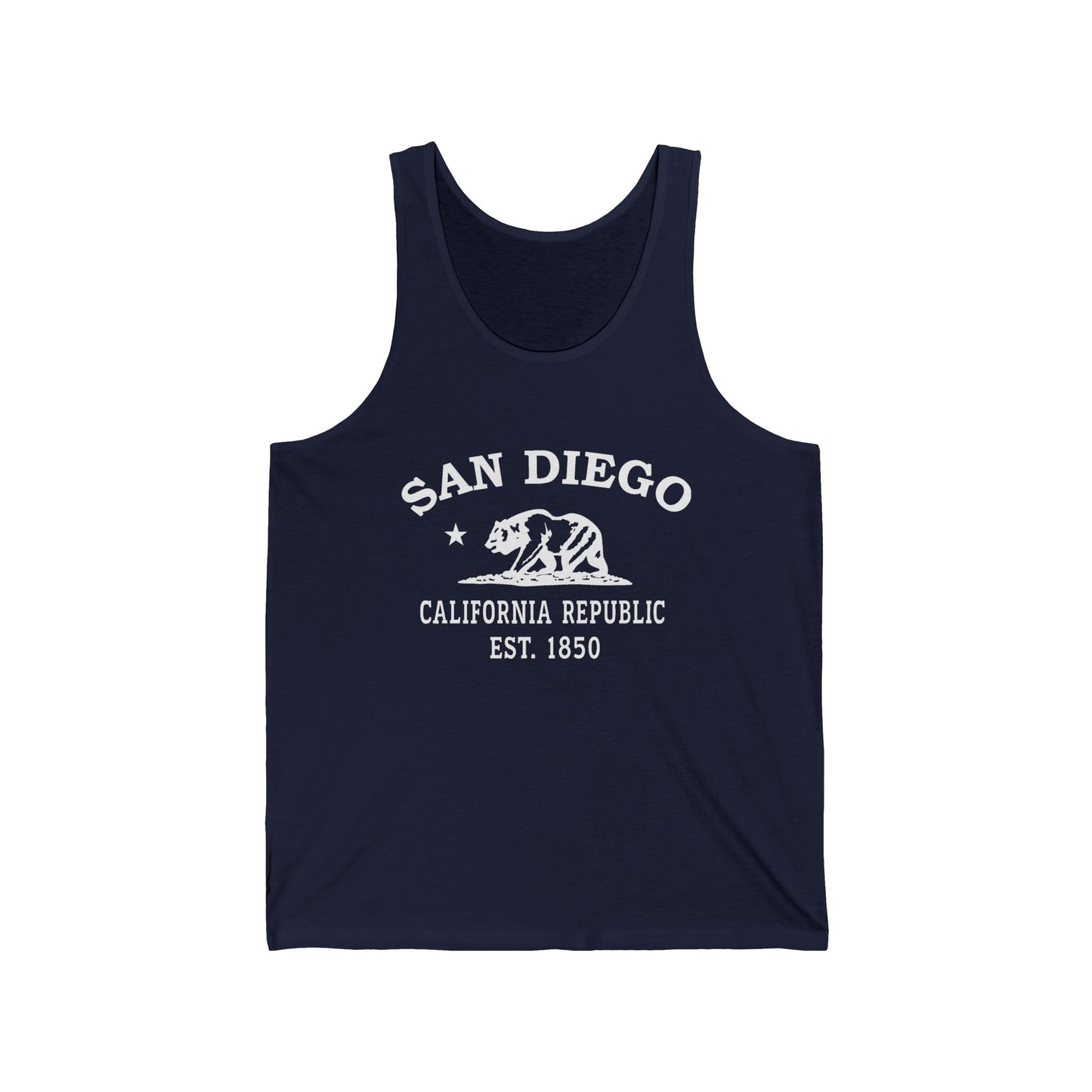
Our San Diego logo carries the California Republic bear and star above '1850,' the year of statehood — the shared retro emblem of every Merlin Classics California place. Rendered in a worn black-and-white that recalls a WPA poster or an old crate label, the bear-and-star is California in shorthand: tough, independent, and sun-bleached. The bear is the through-line that links San Diego to every other California place we make. What makes this one San Diego is everything around it — the bay and the fleet, Balboa Park's towers, the mission and the presidio, and the Coronado roofline across the water.
Why People Visit San Diego
San Diego rewards visitors with a rare mix: deep early-California history, a working Navy harbor, great parks, and miles of Pacific coast under a famously mild sky. People come for Balboa Park and the bay, the beaches and Point Loma sunsets, and the story of the city where California began — historic, easygoing, unmistakably Californian.
