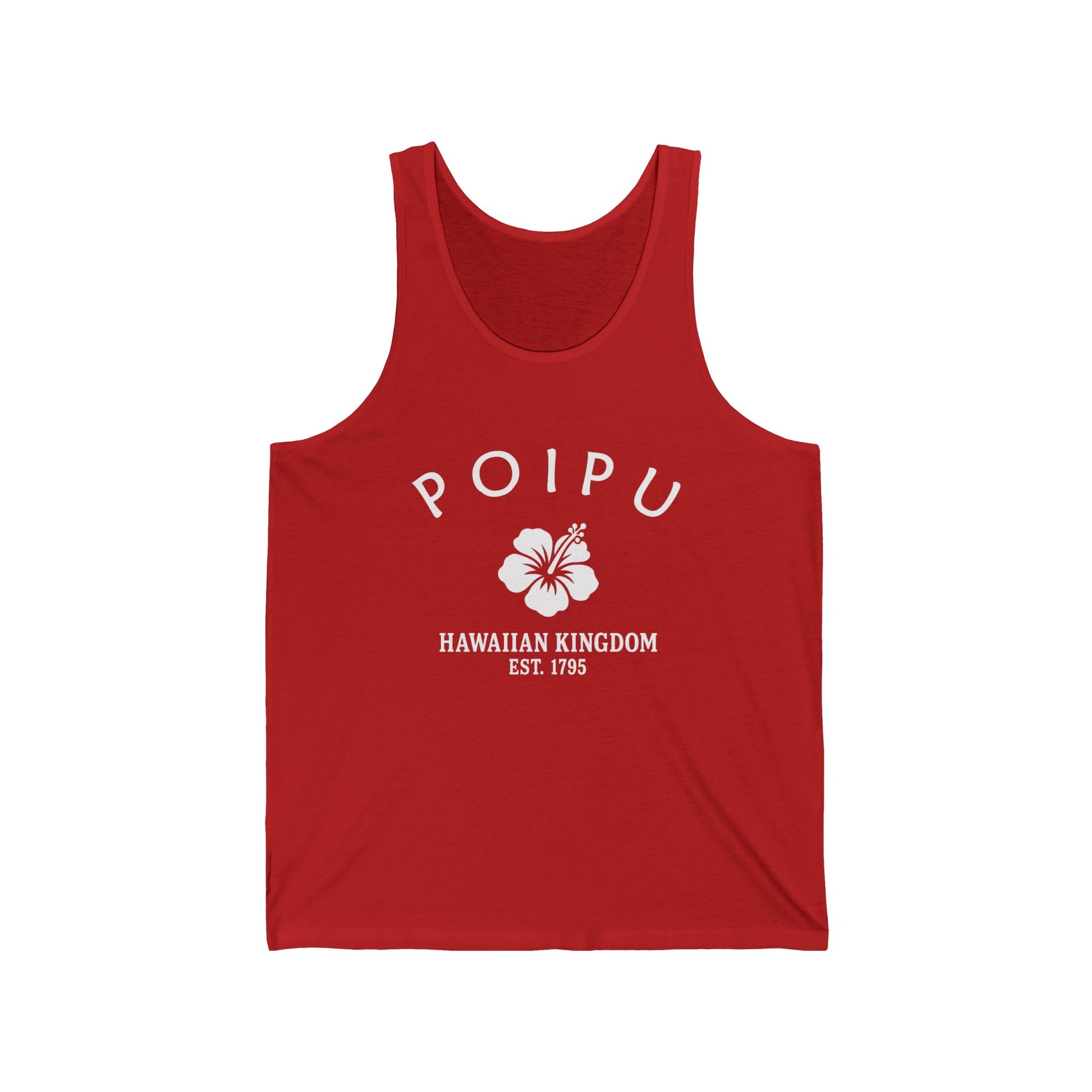
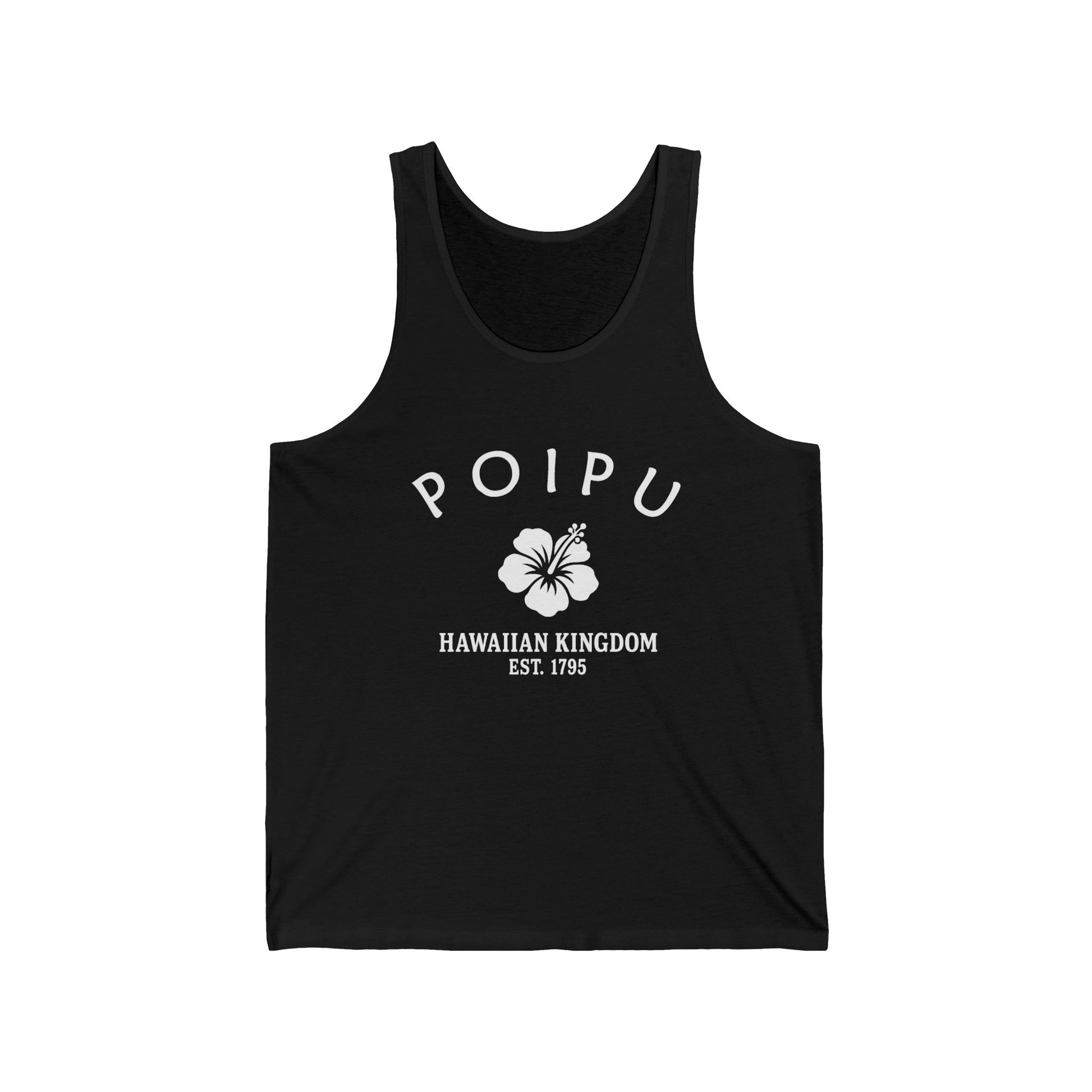

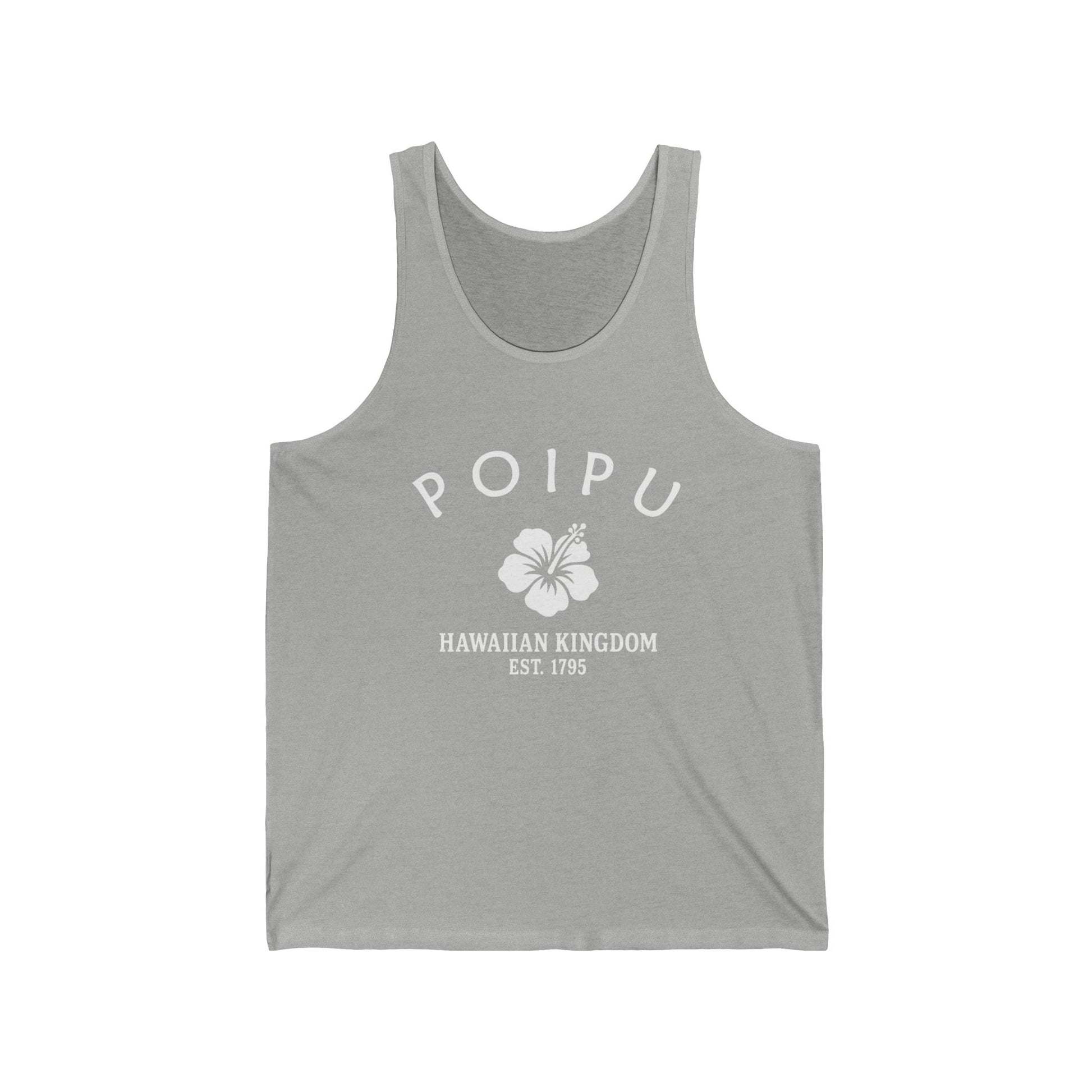

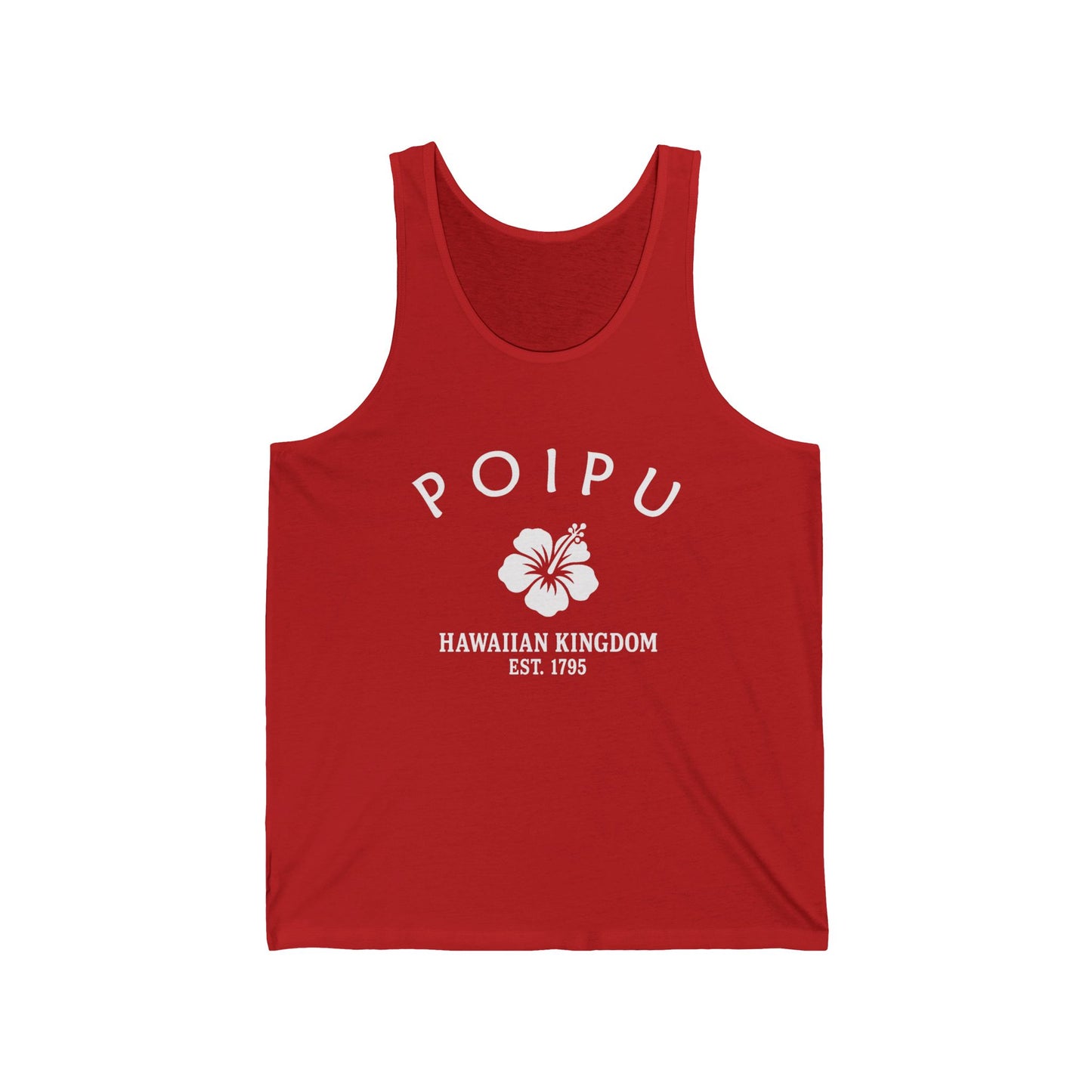


Native Hawaiians lived along this shore for centuries before any mill or resort, drawn by sheltered coves, reef fisheries, and fertile land inland — and the shore kept its royal thread: Prince Jonah Kūhiō Kalanianaʻole, "the People's Prince," was born at Poʻipū in 1871, and his birthplace is marked today at Prince Kūhiō Park in Lāwaʻi. His holiday, March 26, is one of only two U.S. state holidays honoring royalty. Kauaʻi was also the first Hawaiian island Europeans reached — Captain James Cook landed at Waimea, west of here, in 1778 — and the island entered the Hawaiian Kingdom on its own terms, when King Kaumualiʻi ceded it peacefully to Kamehameha in 1810.
What's with Poʻipū? Poipu is Kauai's sunny south shore — a resort coast around a beach once named the best in America, with Old Koloa Town's plantation history inland. The name means "crashing waves," and the geography explains the sunshine: the trade winds drop their rain on Mount Waiʻaleʻale — among the wettest places on Earth — leaving this southern tip in a bright rain shadow. Kauaʻi at its warmest and most easygoing, with a century and a half of plantation history a mile up the road.
Why People Visit Poʻipū
Because it is Hawaiʻi at its sunniest and most easygoing — a warm, protected coast where the turtles share the sand, the blowhole keeps time, and the Garden Isle's plantation past sits a mile inland under a monkeypod tree. Beach by day, Kōloa by golden hour.
