At the mouth of the Connecticut River since 1635. The river that runs the length of New England — 410 miles from the Canadian border — ends here, at a quiet point of land where Long Island Sound finally takes it in. In the autumn of 1635, a 36-year-old English engineer named Lion Gardiner sailed up to that point with a commission from two English lords, William Fiennes (Lord Saye and Sele) and Robert Greville (Lord Brooke), to build a fortified settlement at the river's mouth. He built Saybrook Fort that winter — the town's name is a contraction of the two lords' titles — and the colony he founded became the first officially-chartered English settlement in Connecticut, predating Hartford by a year. Sixty-six years later, in 1701, ten Congregationalist ministers met at a Saybrook parsonage to charter a Collegiate School for the colony — the institution that would be renamed Yale College in 1718 and would hold its first commencements at Saybrook before moving to New Haven in 1716. David Bushnell was born in Saybrook in 1740 to a farming family. He entered Yale late, at thirty, graduated in July 1775 just as the Revolutionary War began, and went straight home to his brother Ezra's Saybrook farm to build a boat. By that fall he had finished the Turtle — a seven-foot oak-hulled, hand-cranked, screw-propelled, one-man submersible designed to attach a gunpowder mine to the keel of a British warship. He tested it that summer in the Connecticut River off what is now Ayer's Point. It was the world's first combat submarine. George Washington called Bushnell's work "an effort of genius." Lynde Point Lighthouse went up at the river's mouth in 1803 — the oldest in Connecticut, still standing on the same outcrop today. The Saybrook Breakwater Light followed in 1886, marking the navigable channel from offshore. The Fenwick borough — named for George Fenwick, Lion Gardiner's Saybrook Colony co-founder — became a quiet shoreline retreat in the late nineteenth century, the kind of small community where a single family could live in the same house for ninety years. The colony, the college, the submarine, the two lighthouses, the borough. One point of land. One mouth of one river. Almost four hundred years.
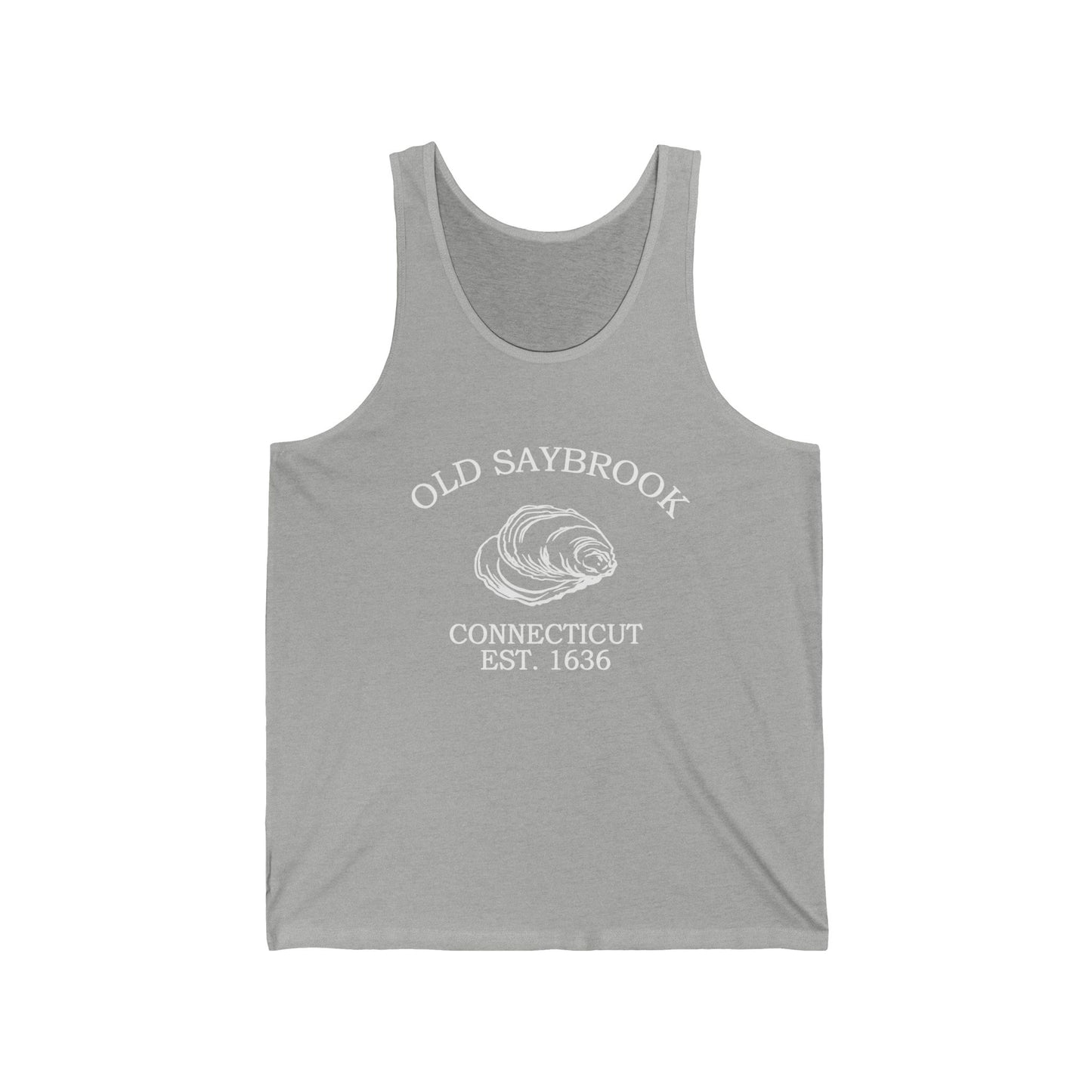
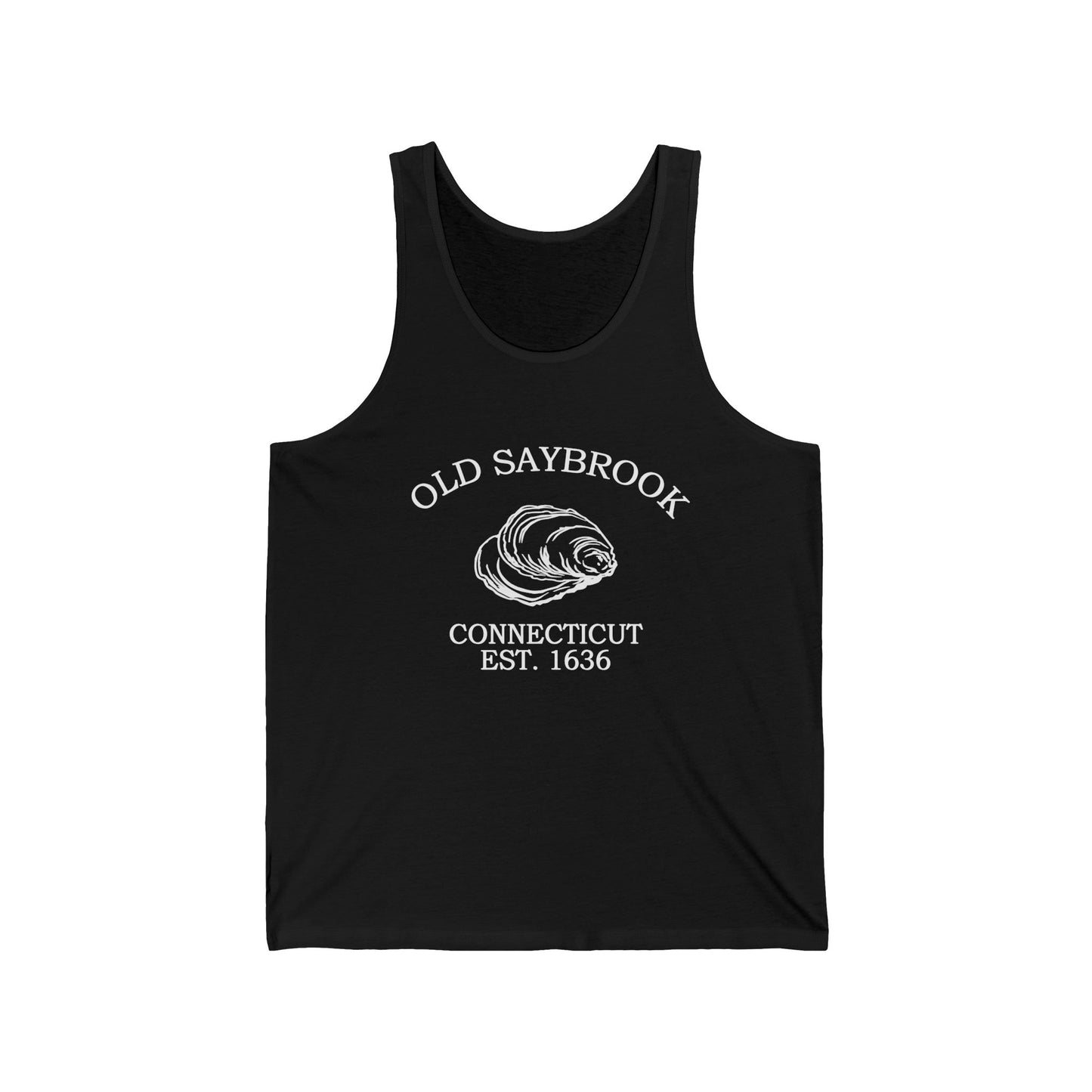
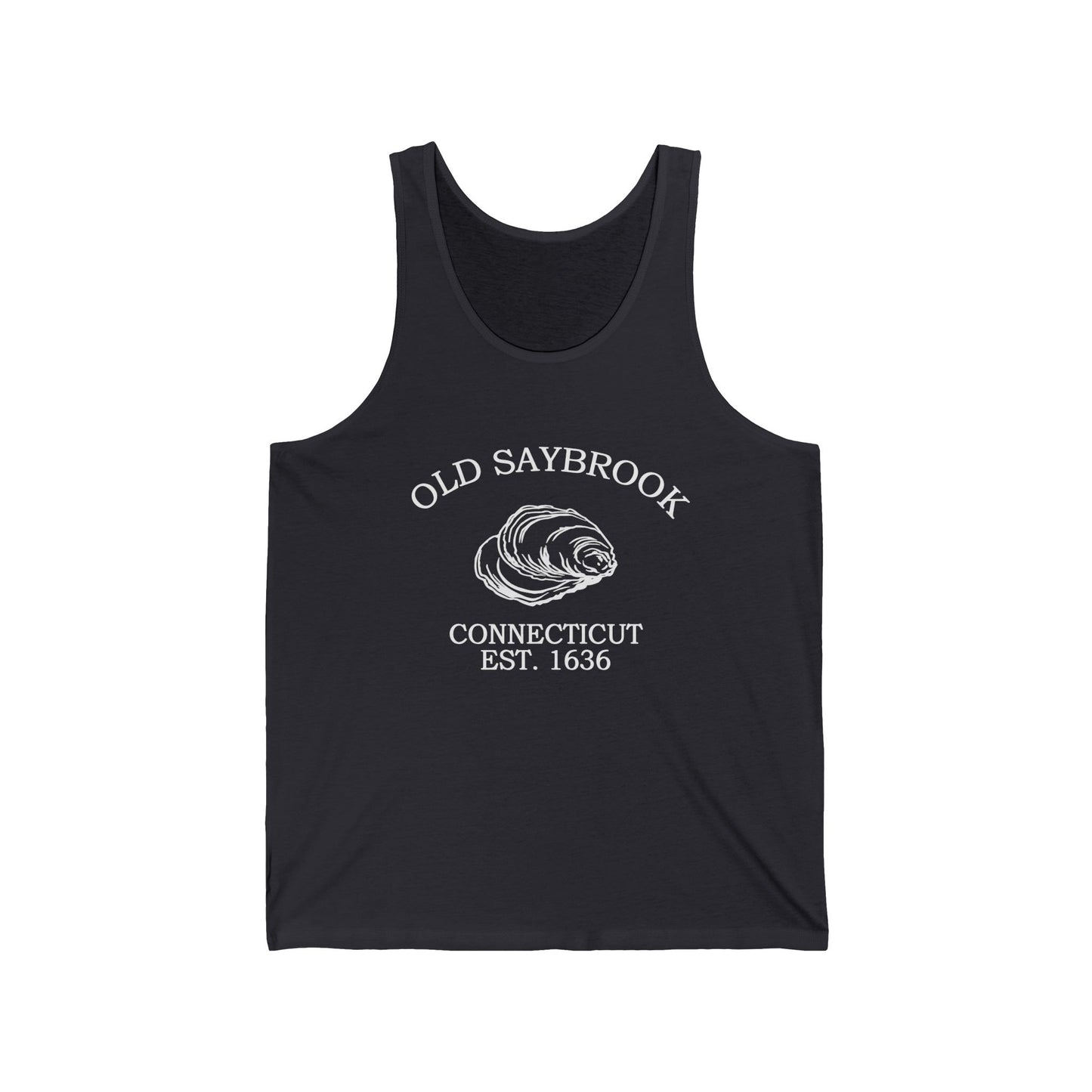
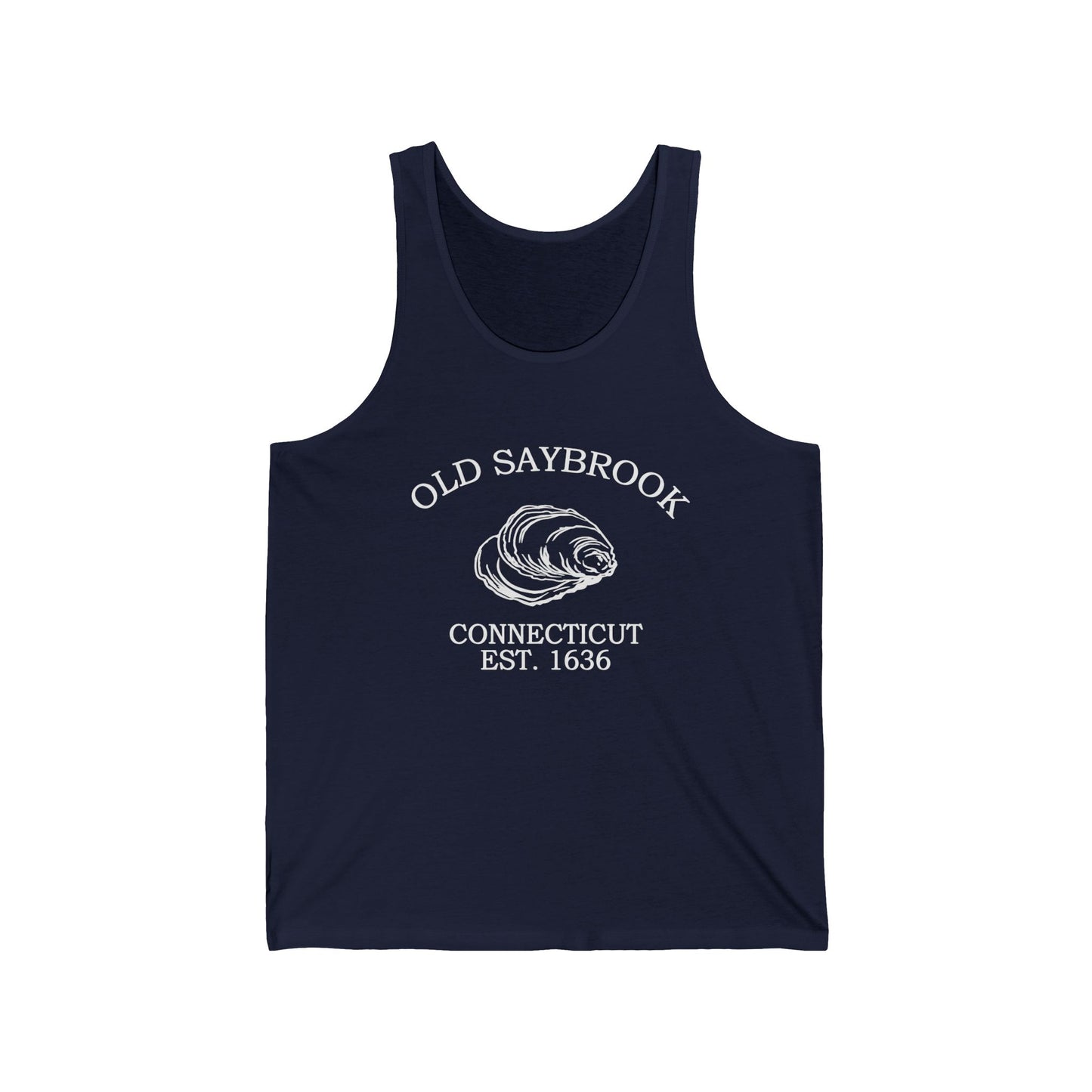
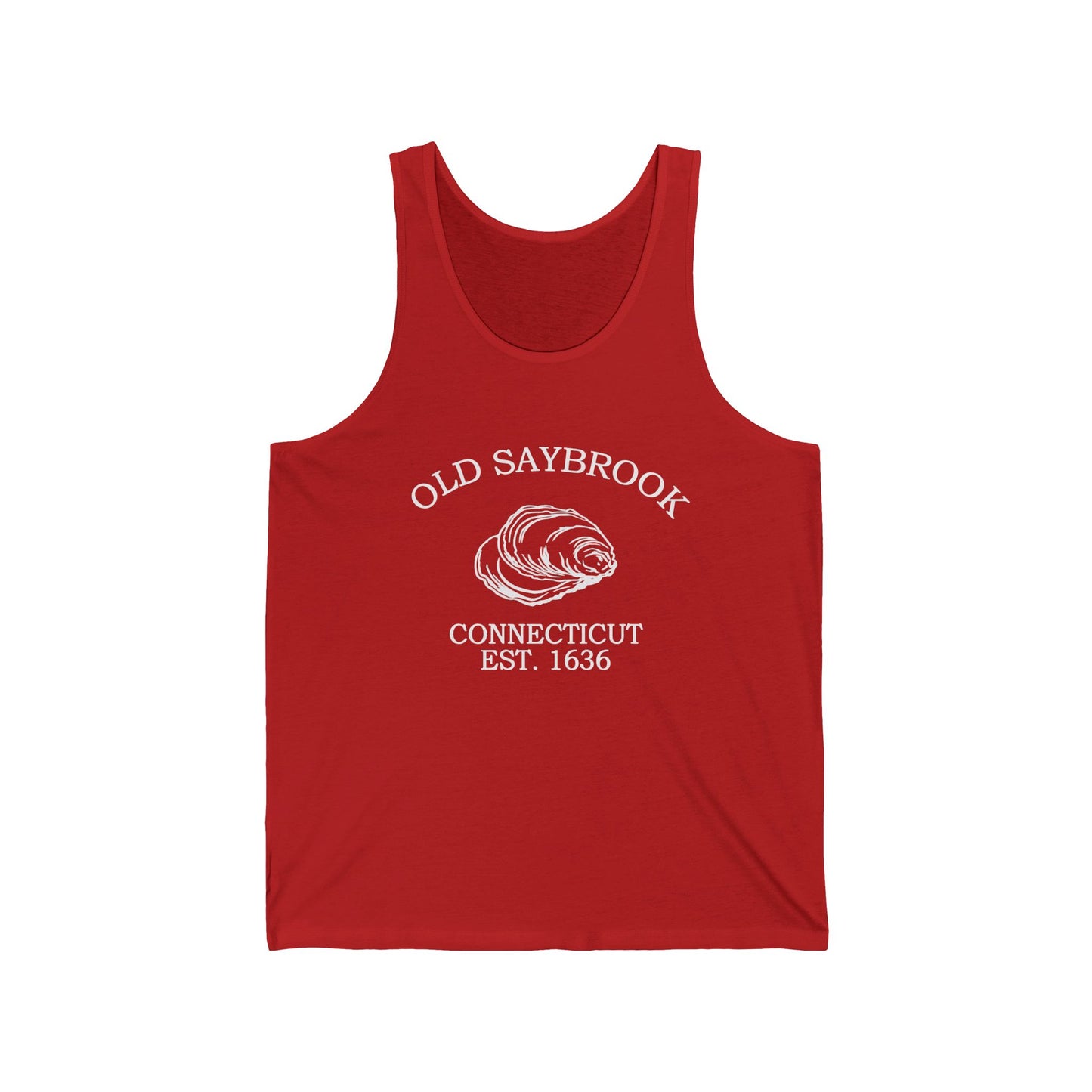
Today Old Saybrook is celebrated for its beaches, suburban neighborhoods, and historic sites. Its story blends Indigenous presence, colonial resilience, and suburban optimism. Our Old Saybrook designs celebrate this layered identity, pairing the clam shell motif with vintage styling. They invite you to explore the Old Saybrook collection and carry forward a reminder of Connecticut's resilience. Retro in tone, the logo reflects authenticity, heritage, and pride. Old Saybrook's emblem honors both colonial and suburban identity, making it a vintage symbol of shoreline tradition. Explore the collection and share in Old Saybrook's story of resilience and pride.
Why People Visit Old Saybrook Connecticut
Old Saybrook balances four centuries of colonial heritage with simple seaside walks. Visitors enjoy lighthouse views, marsh boardwalks, and quiet beaches at the mouth of New England's longest river. It is coastal, welcoming, and steeped in local pride. Travelers find year-round appeal in parks, paths, and the historic Main Street district. The setting combines natural beauty with accessible neighborhoods and landmarks. History and everyday culture sit side by side in a welcoming way.