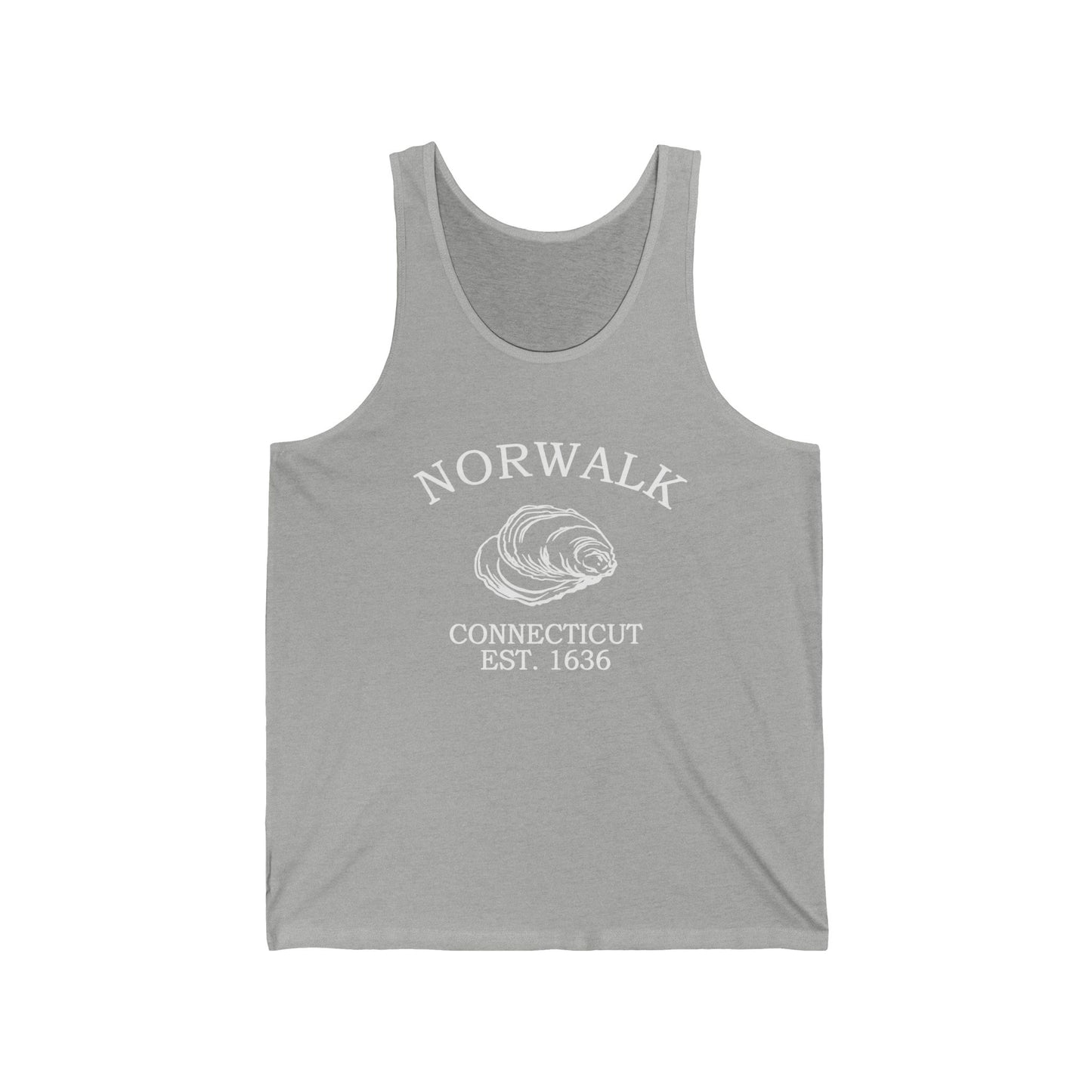
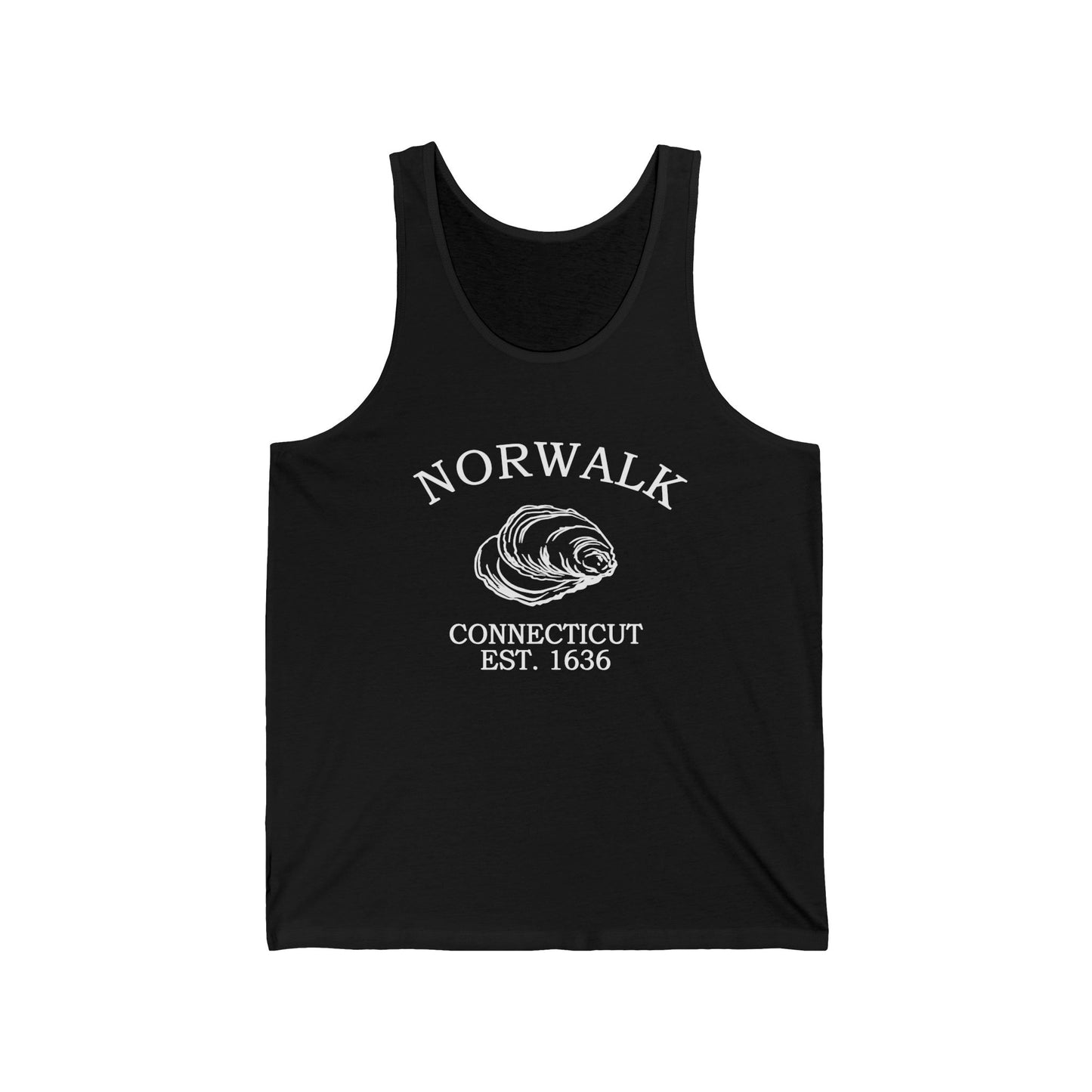
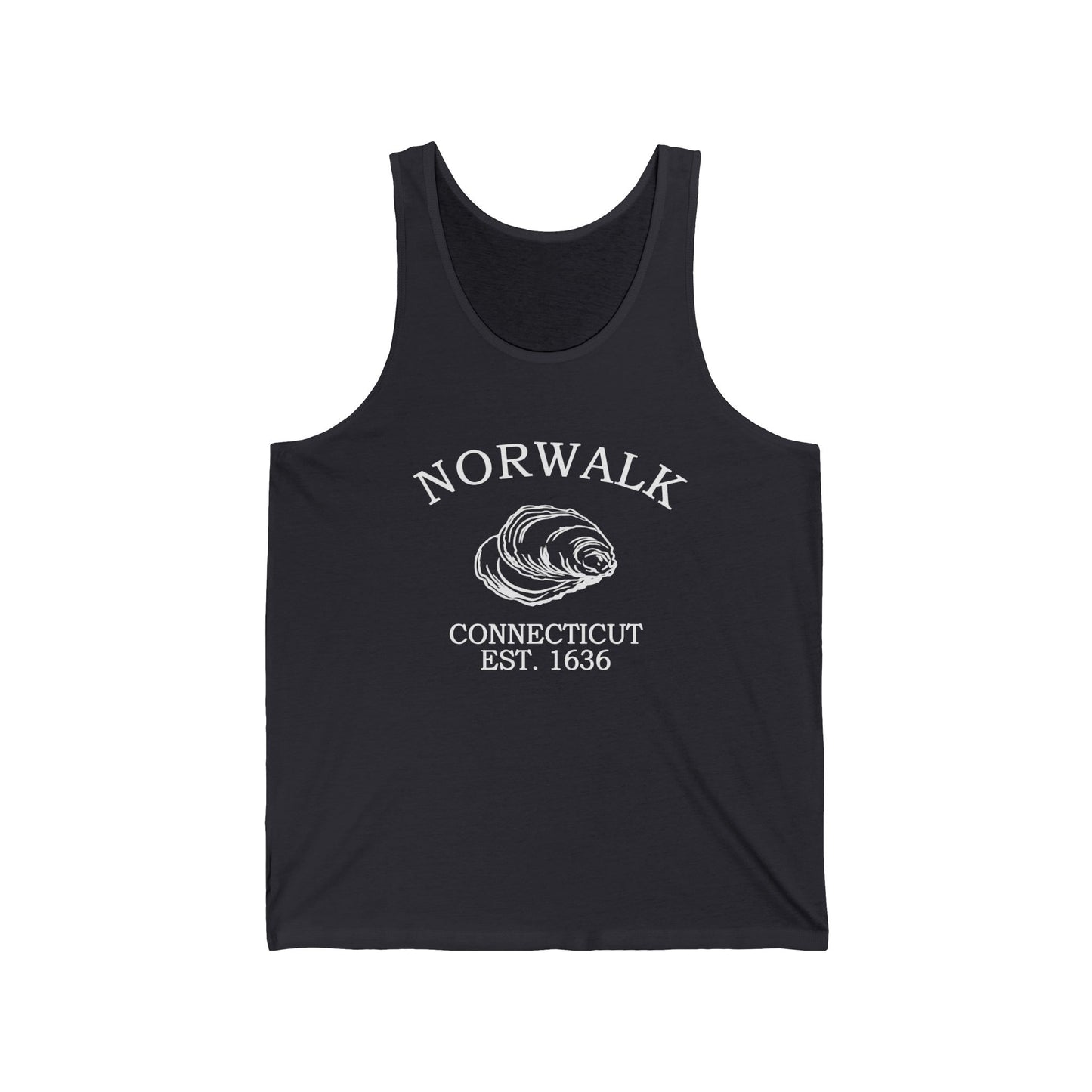
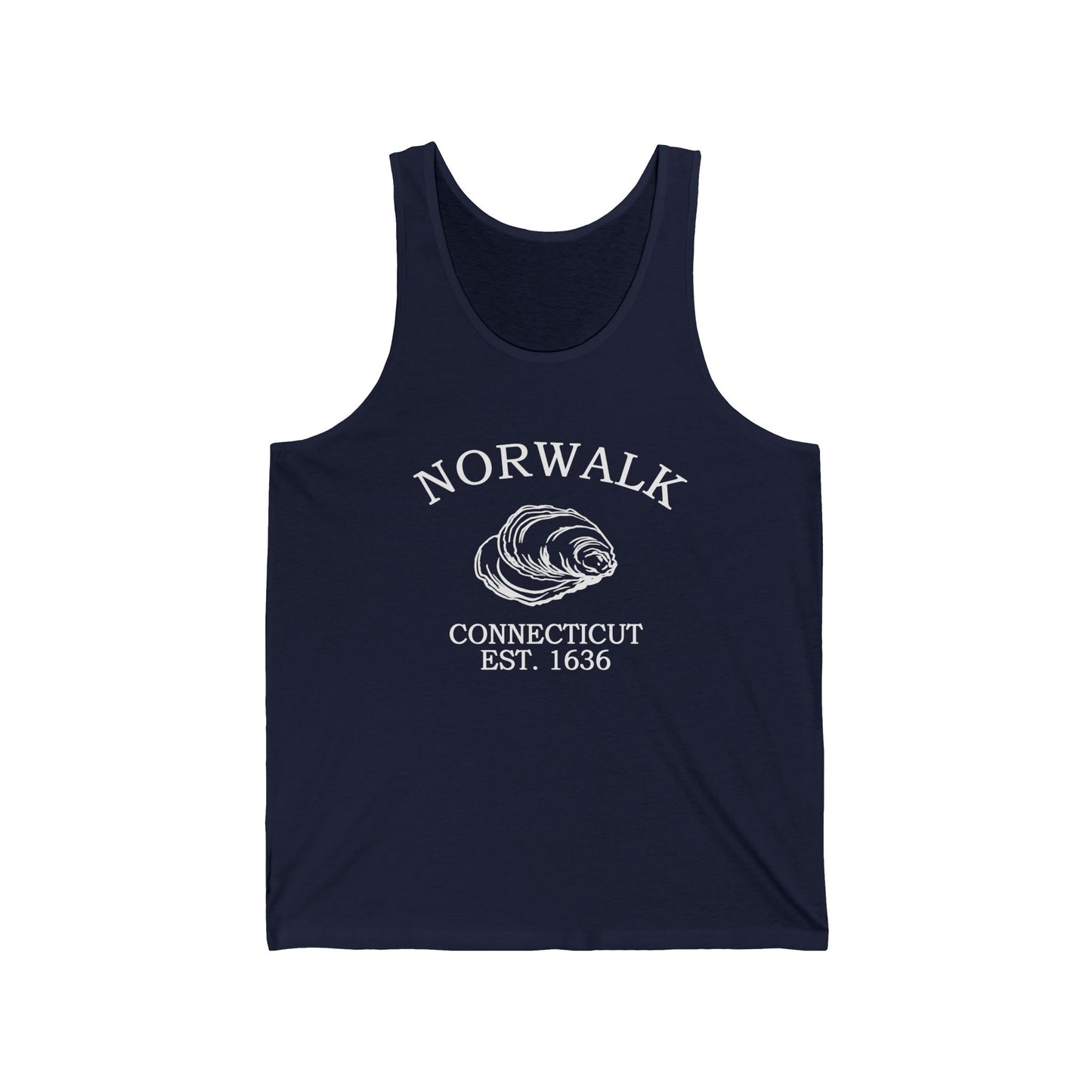
Norwalk made hats. From a small shop at the corner of North Main and Union Streets in South Norwalk in 1860, the firm of Crofut and Knapp produced the first American derby — the stiff, round-crowned, brim-curled hat that for the next sixty years sat on the head of every American who could afford one. The partnership of Andrew J. Crofut and James H. Knapp had begun two years earlier in 1858, and from that first shop Norwalk's hat industry climbed through the second half of the nineteenth century until, by 1885, twelve hat factories worked the South Norwalk waterfront and employed more than two thousand hatters — over a third of the entire South Norwalk workforce. In 1923 Crofut and Knapp finished a vast new plant on Van Zant Street with a thousand employees on the floor and capacity for fifteen million hats a year. In 1932 the company merged with the Knox Hat Company of Brooklyn to form the Hat Corporation of America, headquartered in Norwalk, where its derbies, fedoras, top hats, and the famous Dobbs line were made until the plant finally closed in 1970. For more than a century Norwalk was one of the two great American hatmaking cities — and for stiff hats, the one that made the original. The town itself was older: Roger Ludlow purchased the land from Chief Mahackemo of the Norwalke people of the Algonquian world in 1640, and the General Court of the Connecticut Colony incorporated Norwalk as a town on September 11, 1651. The Norwalke had fished the harbor and worked the shellfish beds along the Sound for generations before the purchase. On July 11, 1779 the British general William Tryon landed and burned much of the town to the ground; the rebuilt city was the same one that, two generations later, would invent the derby. The other working credential of Norwalk Harbor was the oyster. From the 1860s through the turn of the twentieth century, Norwalk's beds in the shallow flats of Long Island Sound were leased like land and worked like farms, and Norwalk oysters supplied a substantial share of the New York City trade — every restaurant on the Bowery and every saloon on Pearl Street served Sound oysters, and a great many of them came from Norwalk. Up on the hill above the harbor, the banker LeGrand Lockwood built his sixty-two-room sandstone country house between 1864 and 1868, one of the earliest Second Empire mansions in America and today a National Historic Landmark. Down at the harbor mouth, Sheffield Island Lighthouse was lit in 1868. The Maritime Aquarium opened on the South Norwalk waterfront in 1988 in a row of nineteenth-century iron-works buildings, and the old SoNo industrial blocks were reborn as a historic district through the 1980s and 1990s. The harbor still sets the line of the city. The derby, the oyster bed, the mansion on the hill — Norwalk on Norwalk Harbor since 1640.
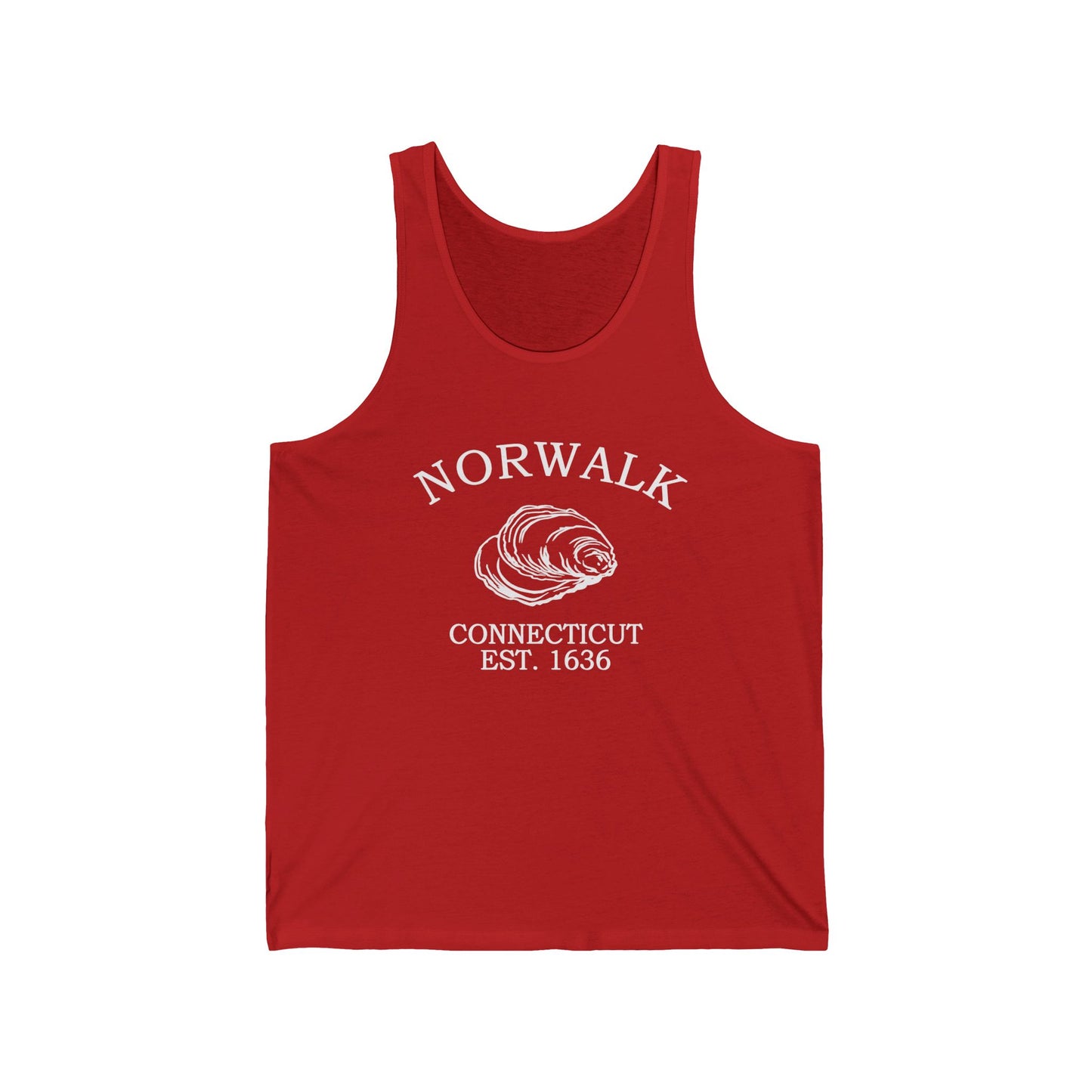
Today Norwalk is celebrated for its annual Oyster Festival in early September, its SoNo waterfront, the Maritime Aquarium, the Lockwood-Mathews Mansion, and the ferry to Sheffield Island Lighthouse. Its story reflects Indigenous presence, colonial endurance, a century of hatmaking, and a working oyster harbor. Our Norwalk designs embody this layered identity, pairing the oyster shell motif with vintage styling. They invite you to explore the Norwalk collection and carry forward a reminder of Connecticut's resilience. Retro in tone, the logo reflects toughness and authenticity. Norwalk's emblem honors both heritage and modern growth, making it a vintage symbol of Connecticut identity. Explore the collection and share in Norwalk's story of resilience, heritage, and community pride.
Why People Visit Norwalk Connecticut
Norwalk offers an authentic working harbor, one of America's earliest Gilded Age mansions, a major aquarium, an annual oyster festival, an offshore island ferry to an 1868 lighthouse, and a nineteenth-century industrial waterfront reborn as a historic district. Visitors come for the SoNo galleries and restaurants, the Maritime Aquarium with its harbor seals and Sound-habitat exhibits, the Lockwood-Mathews Mansion and its preserved Second Empire interiors, the September Oyster Festival, the Sheffield Island ferry, and the simple shoreline pleasures of Calf Pasture Beach. It is a Connecticut shoreline city built on the harbor, the hat, and the oyster, with all three still visible if you know where to look.