


South Norwalk — first known as Old Well, for the 1738 well where sailing ships filled their casks, then a city in its own right from 1870 until the 1913 consolidation — spent the twentieth century as hard-working brick and lost industry, then came back to life: the SoNo district’s nineteenth-century blocks were reborn as a waterfront destination in the 1980s, the Maritime Aquarium opened on the river in 1988, and Metro-North carries the city’s commuters to New York. Norwalk has stayed what it always was — a city that works for a living, with a harbor at the middle of it.
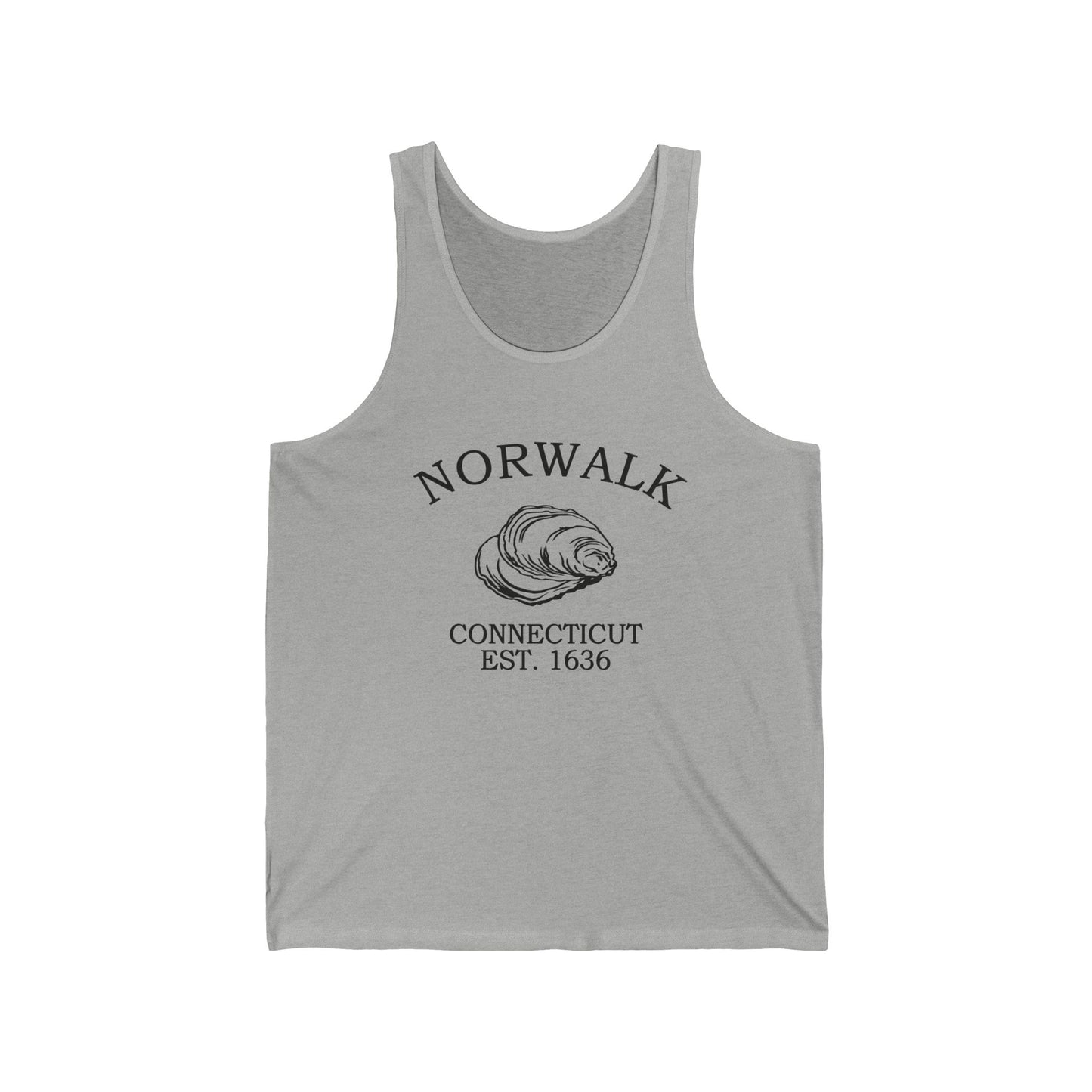
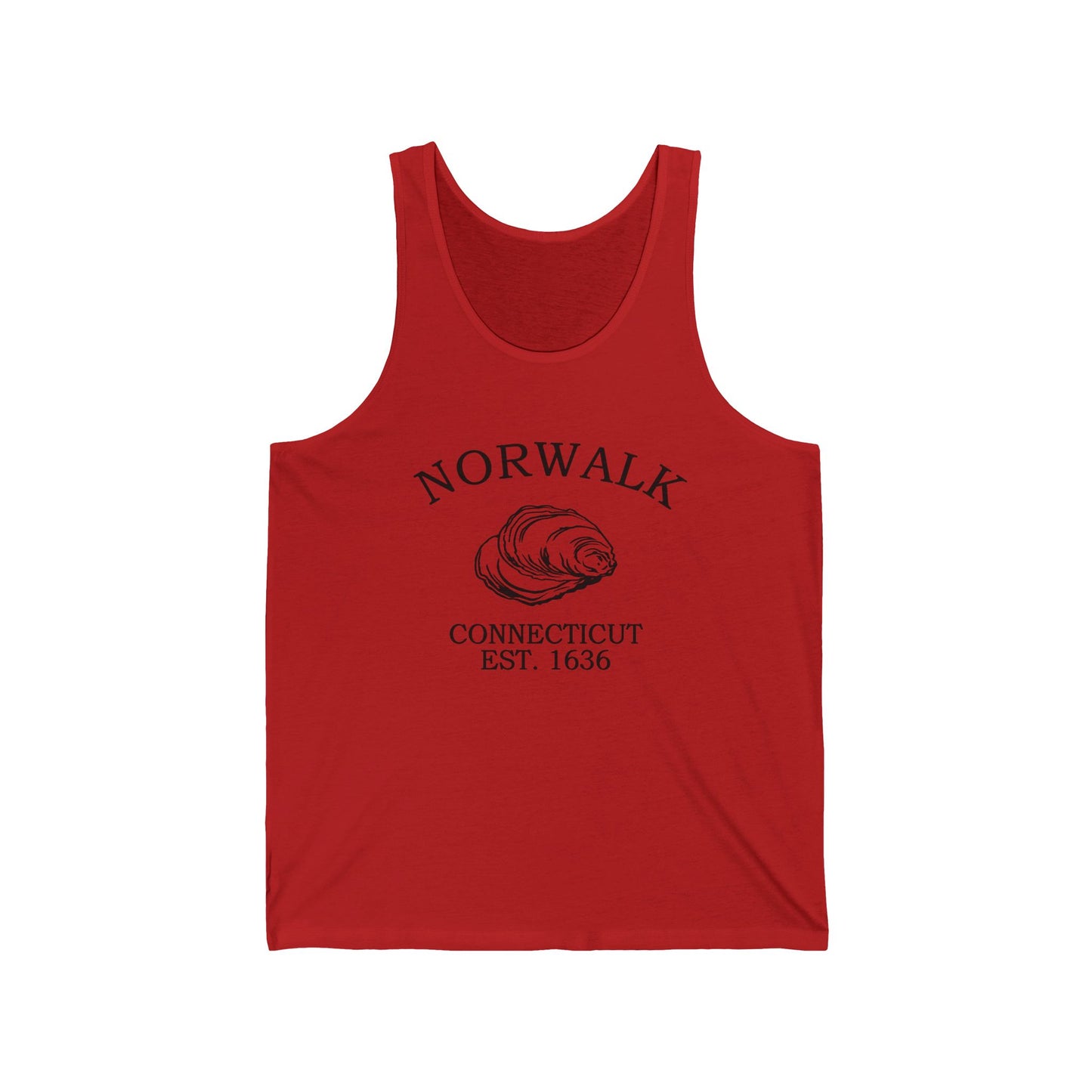
Our Norwalk retro logo uses the Connecticut shoreline oyster shell motif, symbolizing resilience, abundance, and shoreline pride. The oyster reflects maritime identity and Norwalk's long history of supplying the New York oyster trade, while "1640" ties the design to the colonial founding of Norwalk on the harbor. Its black-and-white styling is retro, resembling oyster crate labels and seaside signage. The motif bridges Norwalk's dual identity: colonial maritime hub and suburban community. On merchandise, it conveys authenticity and resilience, retro vintage in tone. The oyster shell emblem honors Norwalk's layered heritage, making it a vintage symbol of Connecticut shoreline pride. Retro in style, it reflects resilience, heritage, and authenticity, perfectly suited for cultural tradition.
Why People Visit Norwalk Connecticut
- Tour the Maritime Aquarium at Norwalk, exhibits on Long Island Sound habitats, IMAX films, and harbor seal and shark tanks set inside the repurposed nineteenth-century Norwalk Iron Works buildings on the South Norwalk waterfront.
- Tour the Lockwood-Mathews Mansion Museum, the sixty-two-room 1864-1868 Second Empire country house built by banker LeGrand Lockwood, a National Historic Landmark with ornate inlaid woodwork, frescoed ceilings, and rotating exhibits including the periodic exhibit on the history of the American hat.
- Ride the seasonal ferry to Sheffield Island Lighthouse, the 1868 stone lighthouse at the mouth of Norwalk Harbor, with island trails and views back across the Norwalk Islands toward the Sound.
- Walk Washington Street and the SoNo historic district, brick nineteenth-century commercial blocks now lined with galleries, restaurants, and public art.
- Relax in Oyster Shell Park, riverfront lawns and walking paths along the Norwalk River with views toward the SoNo skyline.
- Walk Calf Pasture Beach, the city's public Sound-front beach with boardwalks, picnic groves, and clear views to the Norwalk Islands.
- Walk Cranbury Park, the inland 227-acre municipal park with hiking trails, gardens, and a historic 1922 estate house.
- Visit Mill Hill Historic Park, the original 1740s burial ground and historic district preserved by the Norwalk Historical Society.
- Attend the Norwalk Oyster Festival, the city's signature annual event held every September at Veterans Memorial Park since 1978 — oyster shucking competitions, tall ships, music, and harbor pageantry.
- Explore the Norwalk Islands by kayak from the public launches, the small low-lying island chain of Sheffield, Chimon, Cockenoe, and others stretching east across Norwalk Harbor.
