The Iñupiat were here first, and they are here still. The coast around Sitŋasuaq — the Iñupiaq name for the Nome area — had been fished and hunted for centuries before any prospector arrived, part of a network of Seward Peninsula communities living by salmon, seal, walrus, and caribou. Roughly half of Nome’s people today are Alaska Native, and the town remains a hub for the surrounding Iñupiat villages of the region. Whatever gold built here, the deeper story of this coast is continuity — a homeland that long predates the stampede and outlasts it.
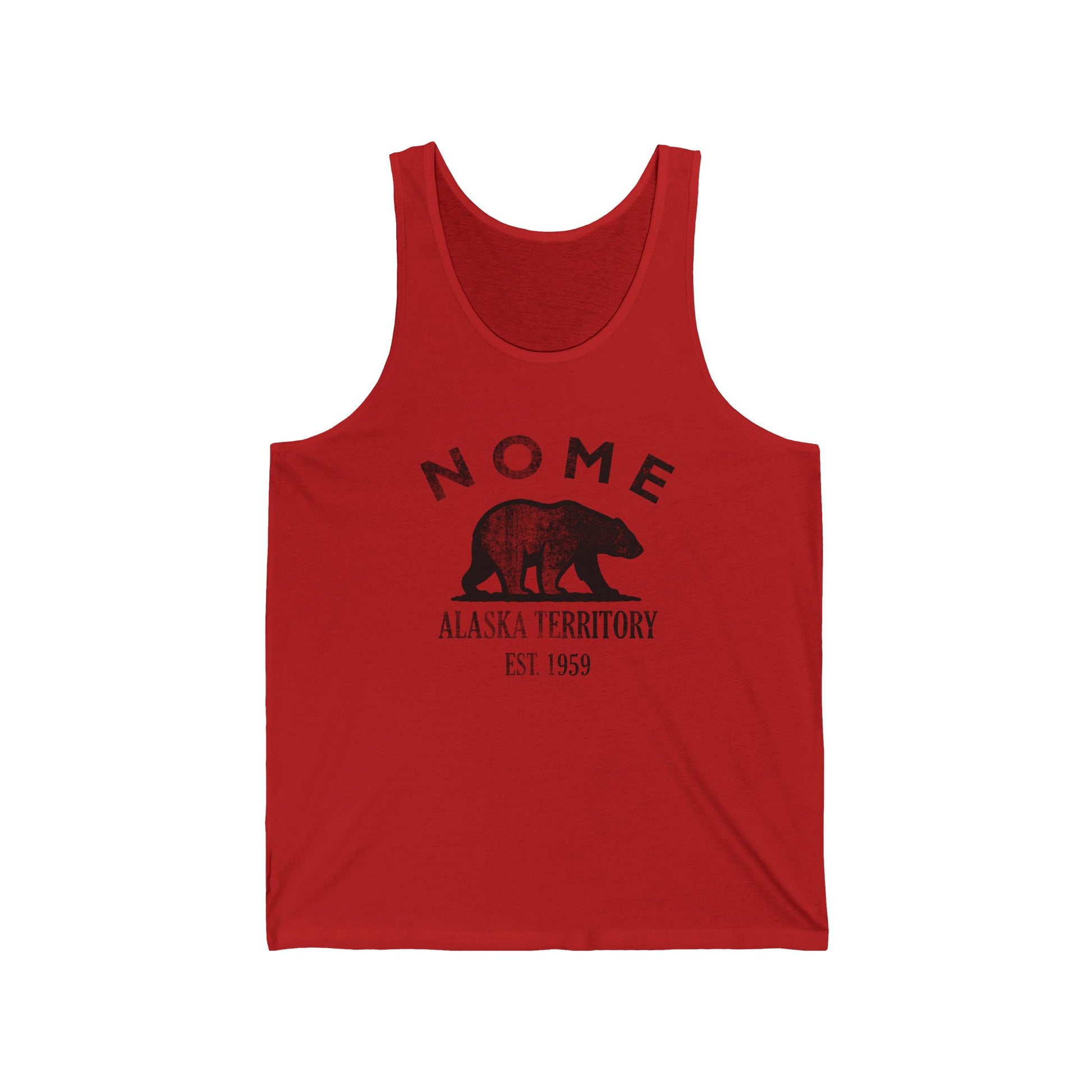
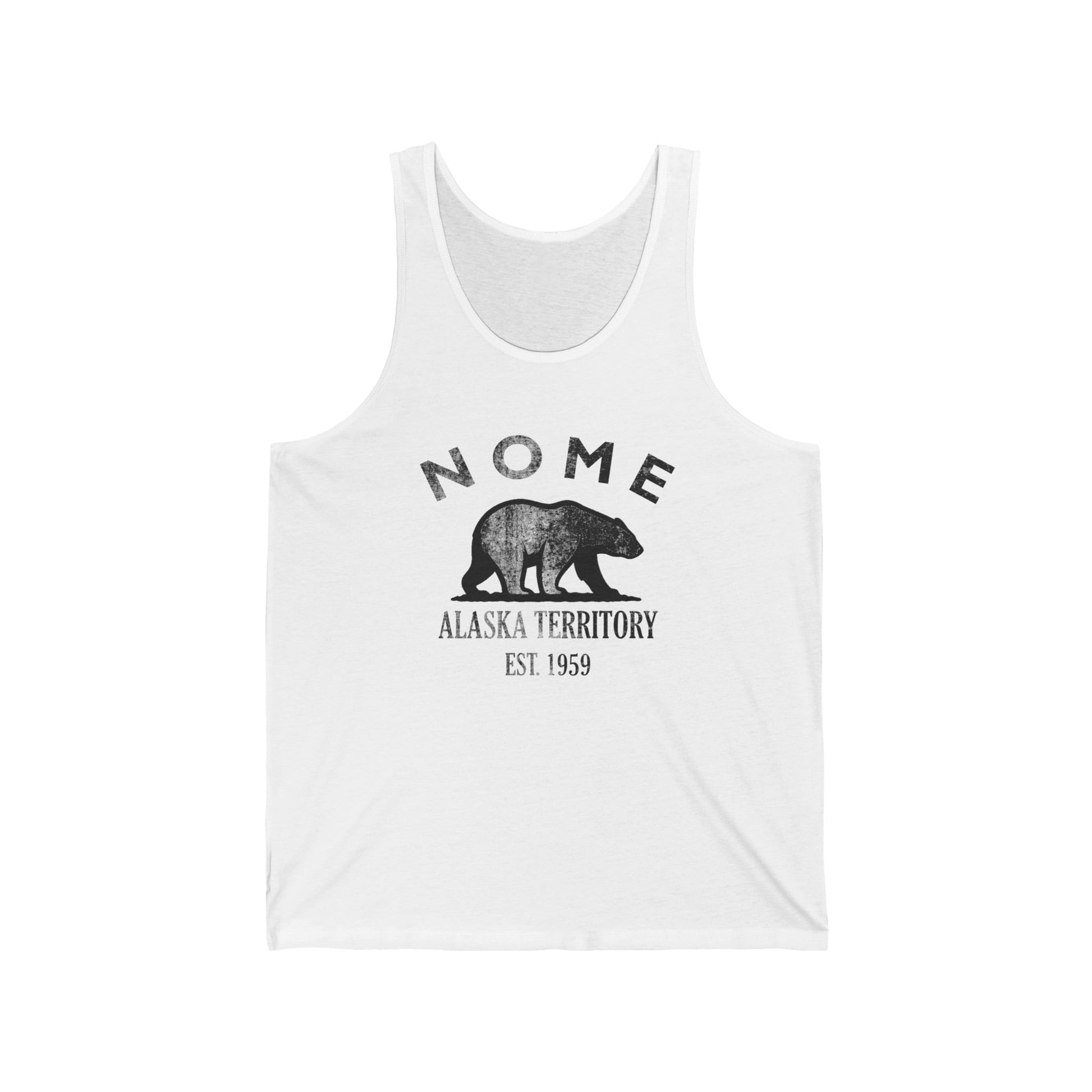
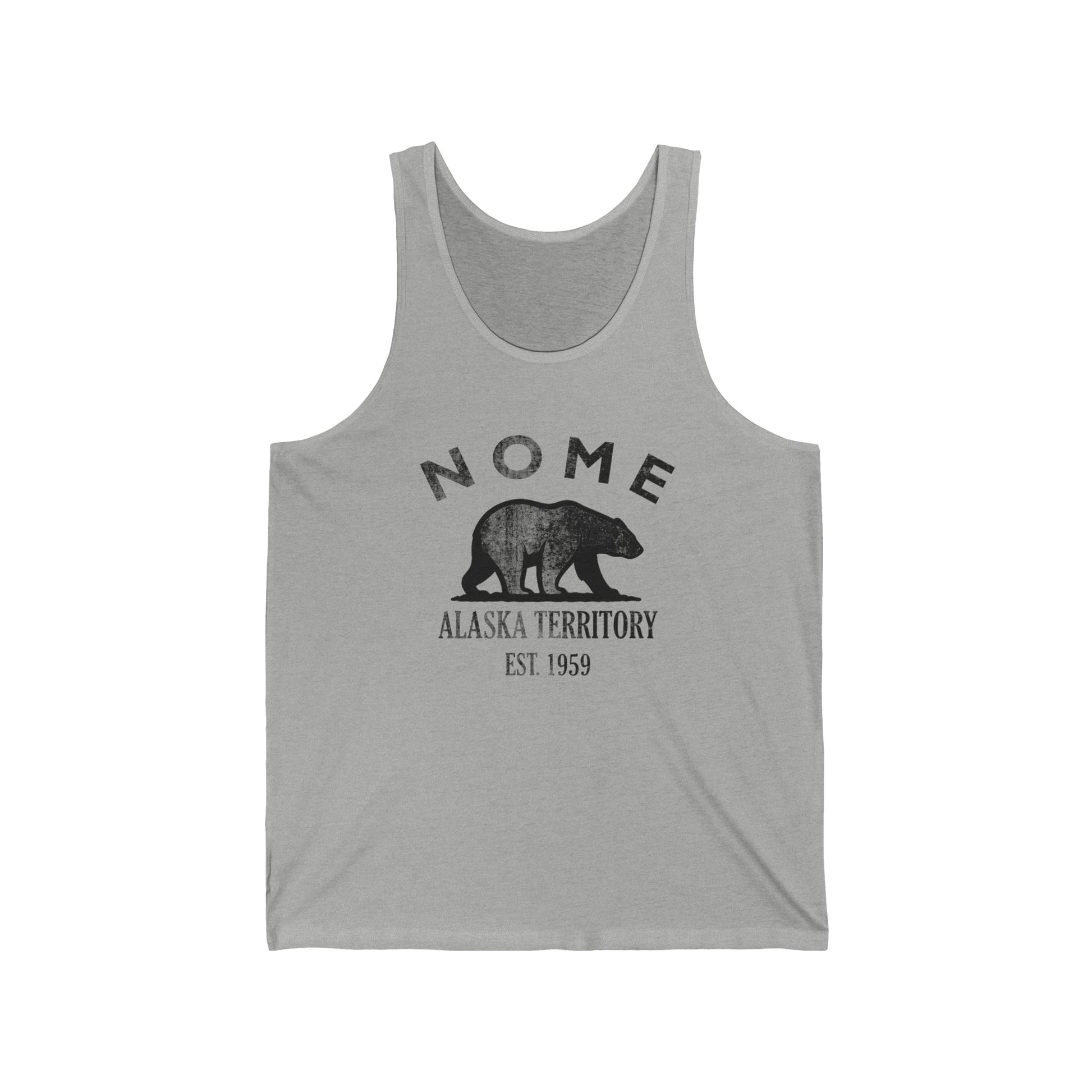
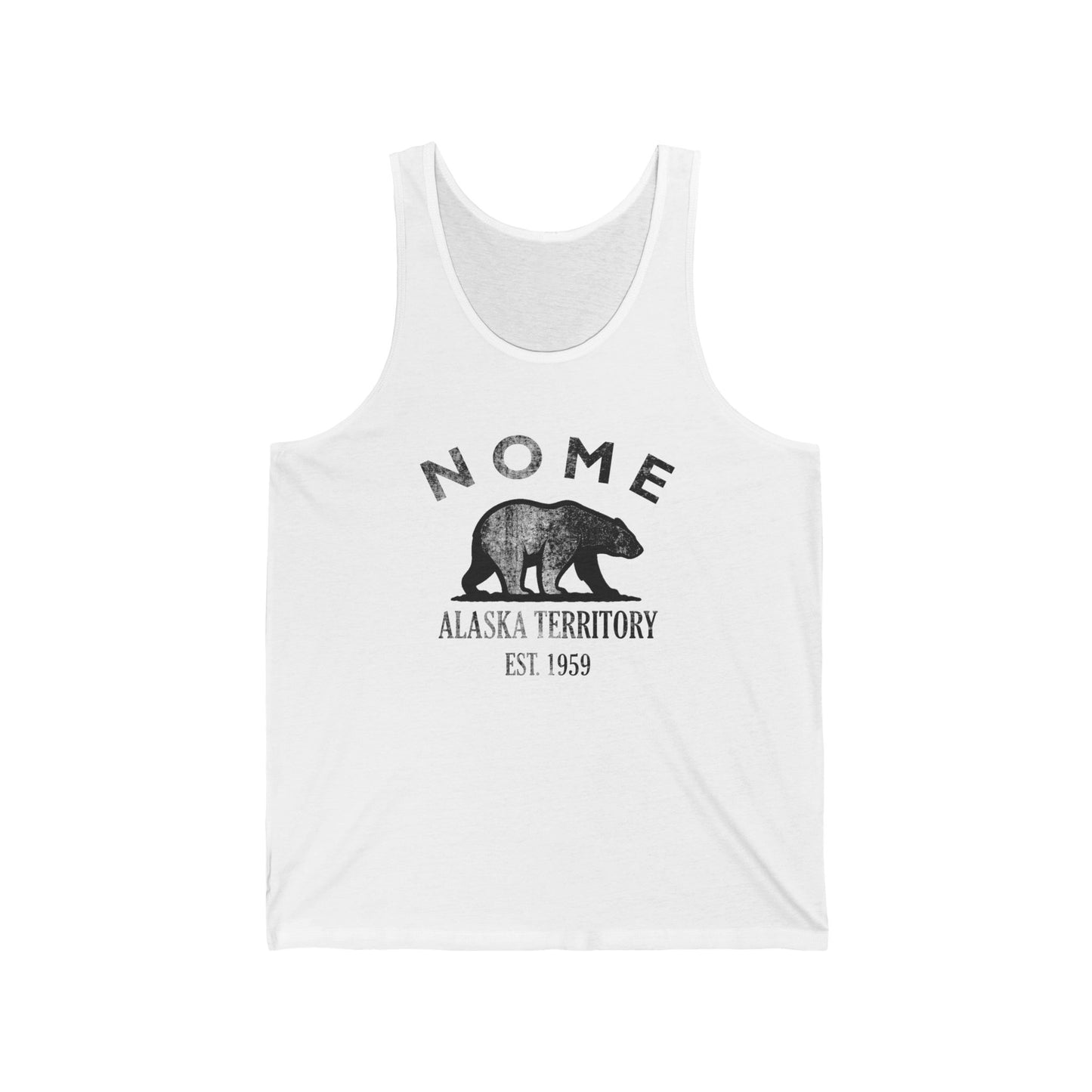
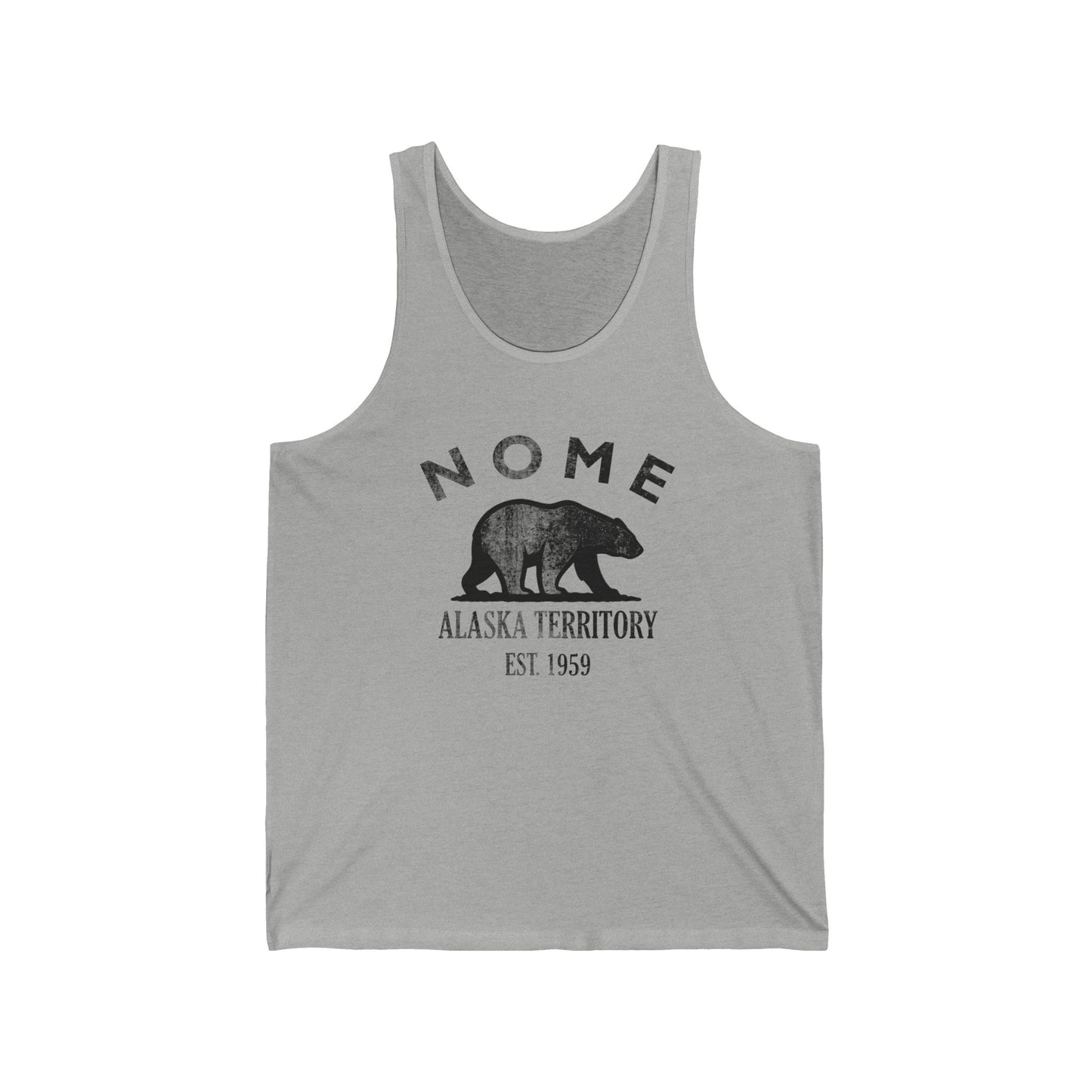
Our Nome logo carries Alaska’s distressed bear over “1959,” the year of statehood — the shared retro emblem of every Merlin Classics Alaska town. Printed in worn black-and-white that recalls a crate stamp or an outfitter’s mark, the bear is the state in shorthand: rugged, patient, at home in hard country. What makes this one Nome is everything around it — the beach that paid in gold, the dog teams, the Bering Sea at the door, and Siberia over the horizon.
Why People Visit Nome Alaska
- Walk Front Street, where the annual thousand-mile sled dog race from Anchorage has finished under a burled wooden arch since 1973 — a brand-new arch went up for 2025, and race week in March is the town’s biggest event of the year.
- Visit the Carrie M. McLain Memorial Museum for collections from the 1898 Anvil Creek gold rush, the 1925 Serum Run, and the Iñupiat communities of the Seward Peninsula.
- Drive the three gravel highways — Nome-Council, Kougarok, and Nome-Teller — for wide tundra views, seabirds, summer wildflowers, and muskox sightings before the roads simply end.
- See the abandoned gold dredges standing on the tundra outside town, massive relics of the 1920s–30s deep-dredging era.
- Visit Anvil Creek, the September 1898 discovery site a few miles north of town.
- Look up at the four White Alice antennas on Anvil Mountain, the Cold War communications site in service until 1979, accidentally photogenic against the Arctic sky.
- Stop at St. Joseph’s Church, completed in 1901 — one of the few structures to survive the town’s early disasters.
- Try recreational beach gold panning in summer — the same sands that started it all still give up color, and visitor panning is permitted on the public beach.
- Watch for the aurora borealis on clear nights from September through March — Nome’s long winter darkness makes it one of Alaska’s best northern-lights towns.
