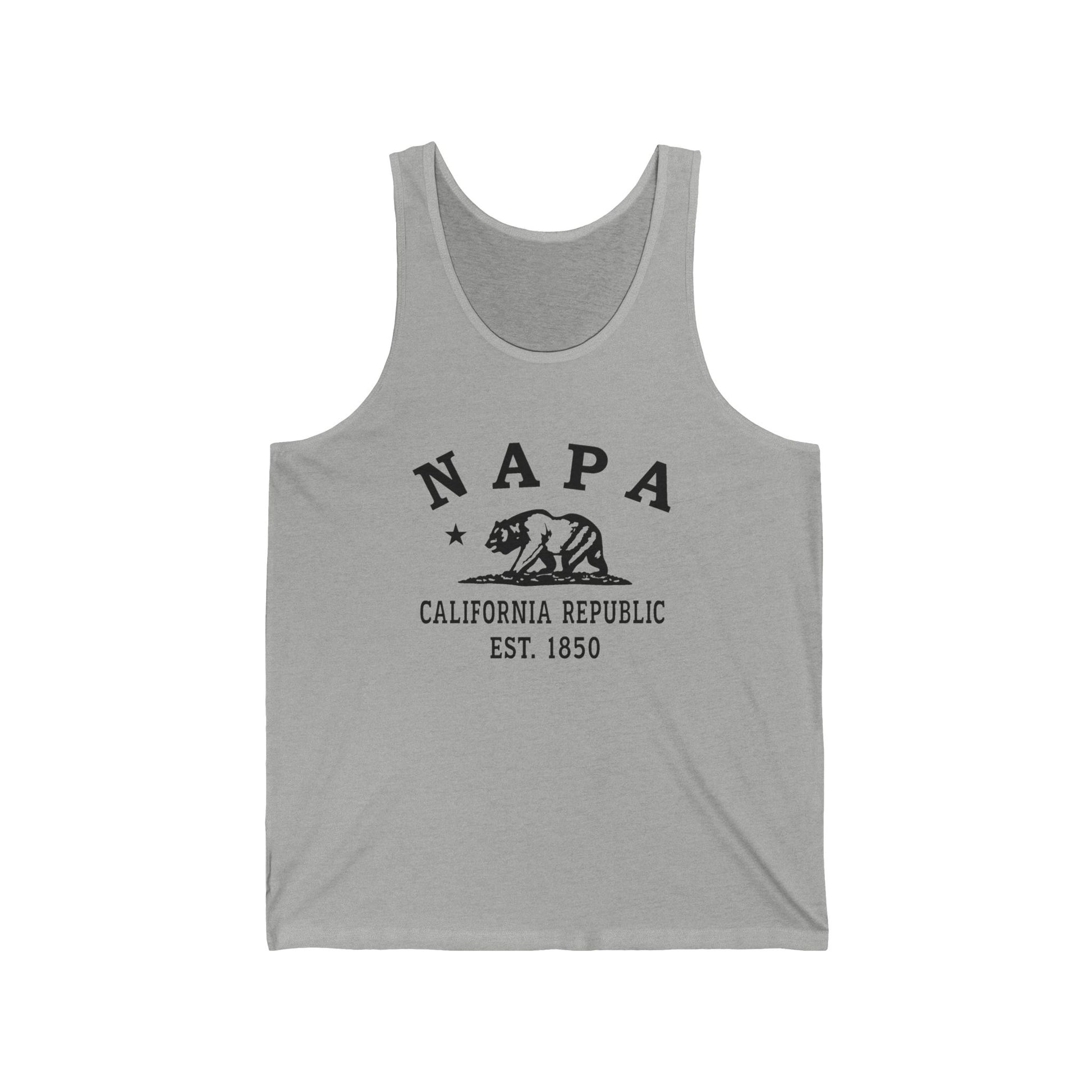


Napa was settled by a contract too — just signed in glasses instead of ink. On May 24, 1976, in Paris, wine merchant Steven Spurrier poured California wines against the great châteaux of France in a blind tasting before a panel of French judges — and when the scores came back, a Napa Valley cabernet and a Napa Valley chardonnay stood first. The Judgment of Paris, the papers called it. The judges were stunned, the wine world was rearranged overnight, and a quiet farm valley in Northern California became the most famous wine country in America. Napa has been pouring with that kind of confidence ever since.
The valley’s wine story then ran boom, bust, and rebirth: a national reputation by the 1880s, devastation by the phylloxera blight in the 1890s, and near-erasure under Prohibition from 1920 to 1933, when all but a handful of cellars went dark. The revival came in waves — Robert Mondavi’s 1966 winery opening announced a modern renaissance — and after the 1976 Judgment of Paris the valley never looked back: more than 400 wineries now work the thirty miles above town. Napa has taken its shakes, too — a 2014 earthquake rattled the historic downtown hard — and the city repaired its bricks and poured on.
Why People Visit Napa California
- Drive Highway 29, the historic Wine Road that runs north out of the city of Napa up the western edge of the valley past the founding-era estates between Yountville and St. Helena.
- Drive the Silverado Trail, the quieter parallel route a few miles up the eastern hillside, with the long-view back across the valley floor toward the Mayacamas.
- Drive past the 1861 stone winery on Highway 29 in St. Helena — founded by Charles Krug and among the oldest commercial wineries in California, still pressing grapes more than a century and a half later.
- Browse the Oxbow district on the downtown riverbend — the market halls, oyster bars, and coffee roasters of Napa’s eating-city era, a few steps from the river walk.
- See the exterior of the 1884 Rhine House on Highway 29 in St. Helena — the German-style mansion that is one of the valley's signature architectural landmarks.
- See the Napa Valley Opera House on Main Street in downtown Napa — the restored 1879 performing-arts landmark in the heart of the riverfront district.
- Walk the Napa River Walk and the downtown riverfront — promenades, plazas, and bridges along the river through the historic heart of the city.
- Hike Skyline Wilderness Park on the southeastern edge of the city — 850 acres of oak woodlands, lake loops, and hilltop views back across the valley.
- Drive north to Calistoga at the head of the valley for the mineral hot springs, the geyser country, and the long view south down the length of Napa Valley.
- Drive northeast to Lake Berryessa for the boating, the fishing, and the high-country views east of the valley floor.
- Climb (or drive partway up) Mount St. Helena, the 4,343-foot peak that closes the head of the valley — Robert Louis Stevenson State Park preserves the trail and the slopes where Stevenson honeymooned in 1880.
- Plan a visit during harvest season (August through October) for the crush, the cellar work, and the late-October press — the peak of the valley's working rhythm.
