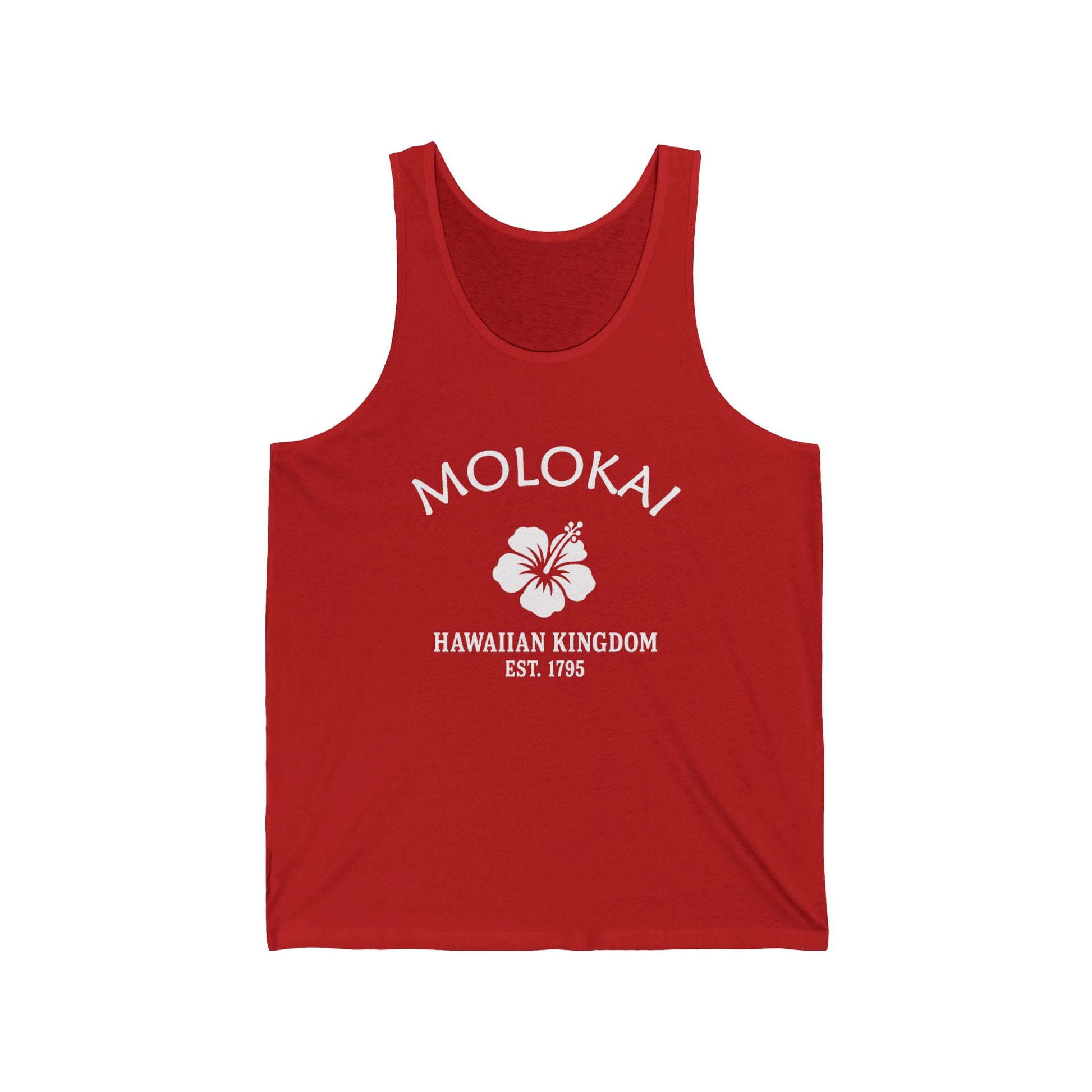
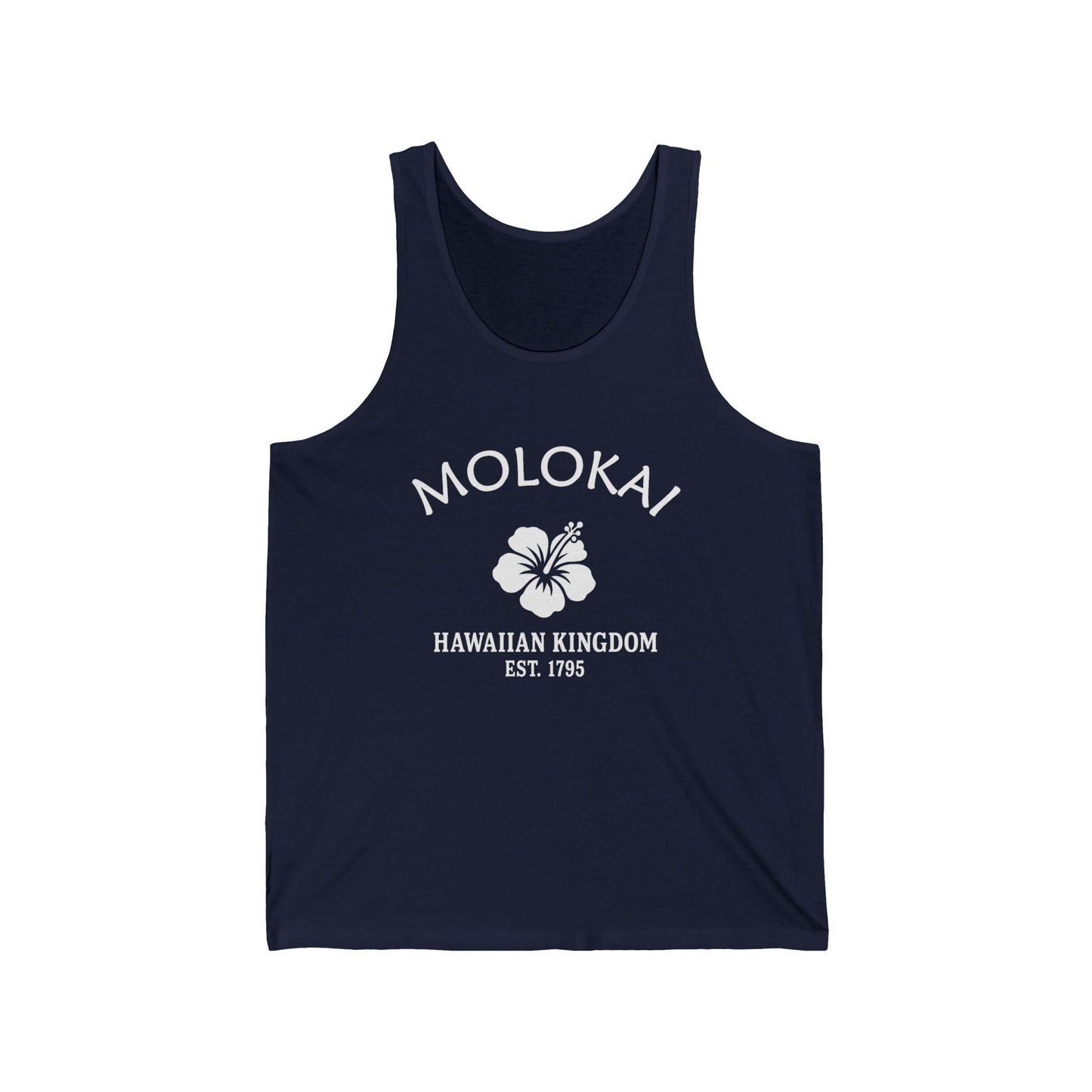
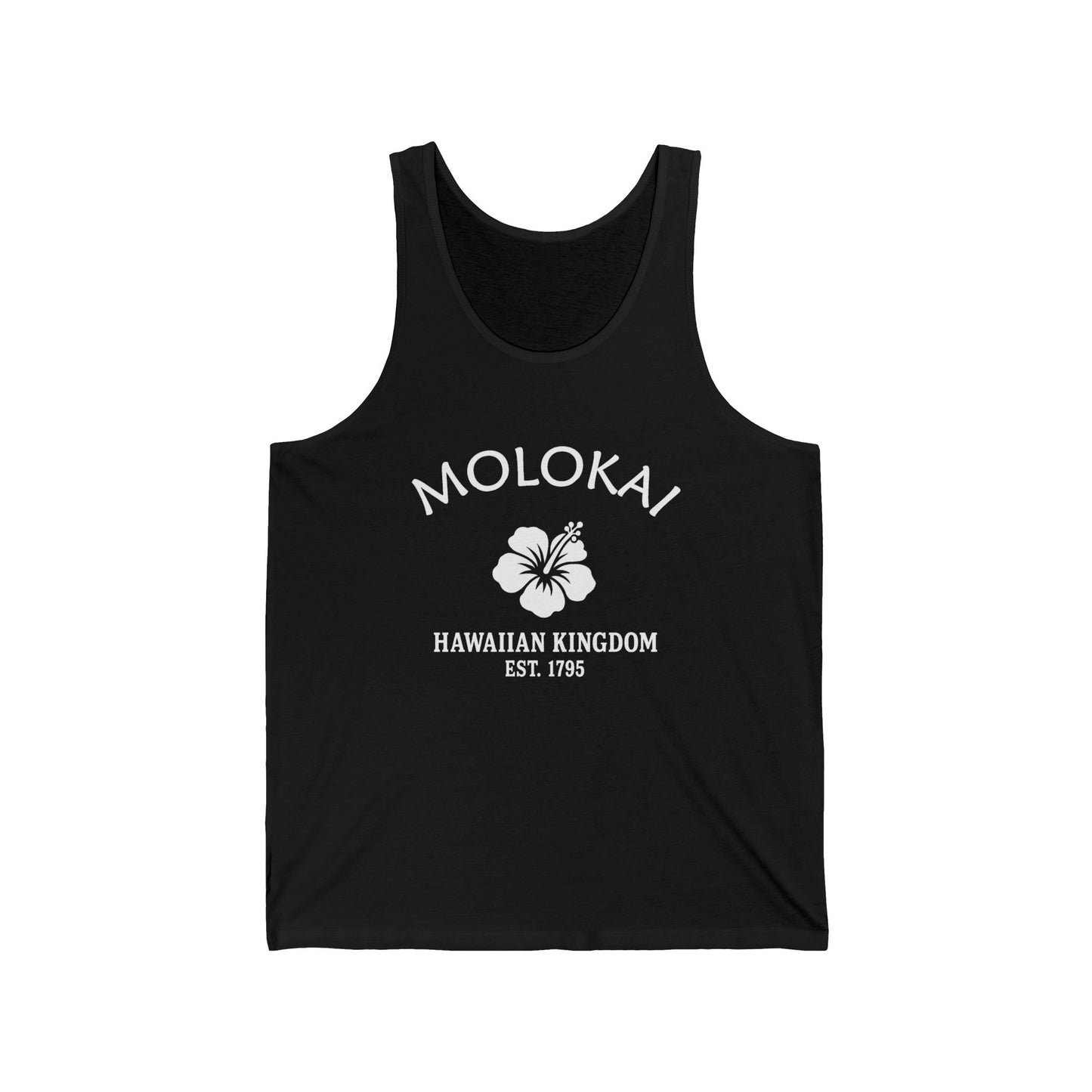
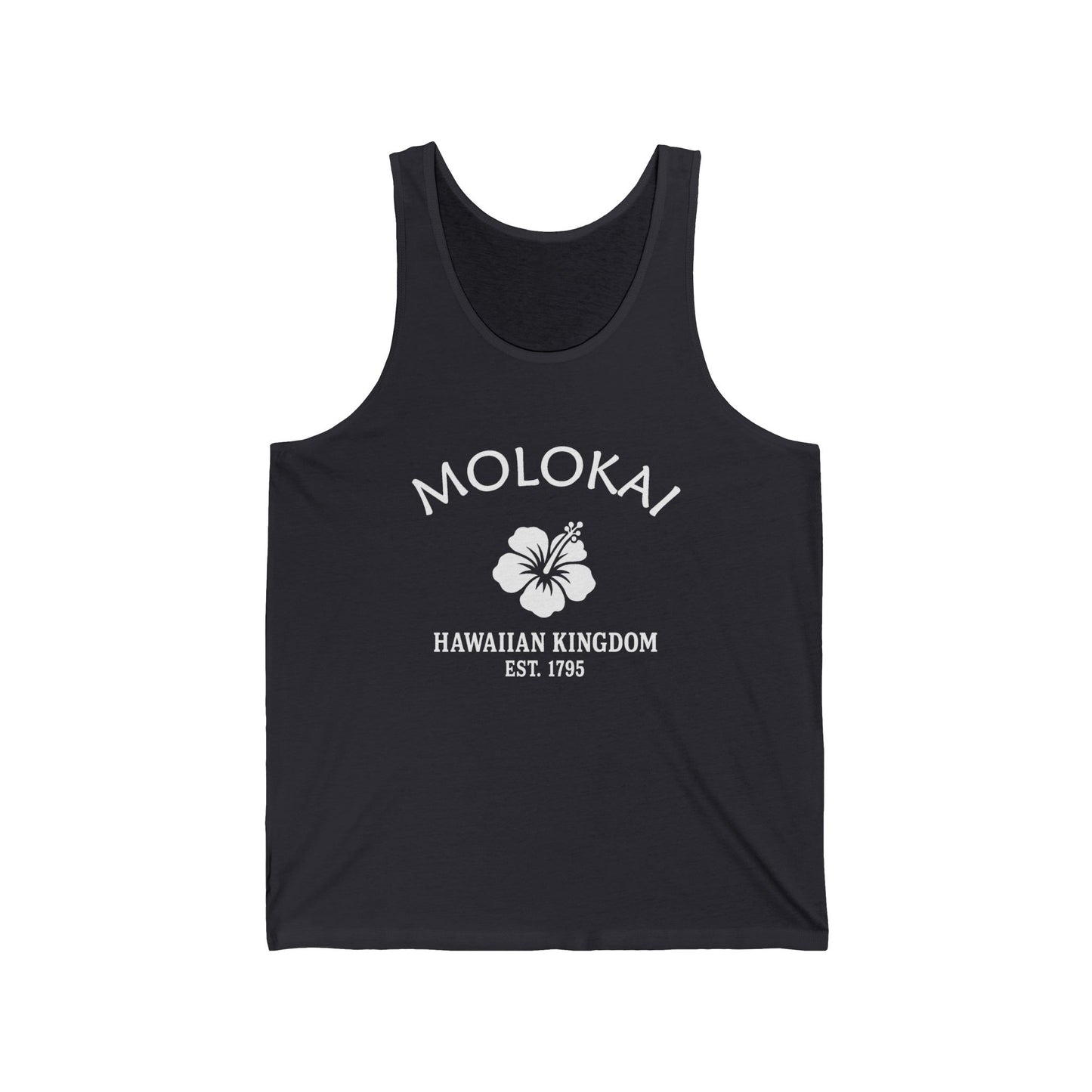
It is also, by long tradition, the birthplace of hula. At Kaʻana, in the island's west, Hawaiians hold that the goddess Laka first danced and first taught the sacred art, and from Molokaʻi hula spread to the rest of the archipelago. Each year practitioners return to honor that origin, and the island guards the tradition as something living and sacred rather than a show. To dance, to chant, to carry the old stories forward — on Molokaʻi these are not relics but daily inheritance, named here with respect.
Each October that channel comes alive for the Molokaʻi Hoe, when outrigger canoes launch from the island's west end and paddle the treacherous Kaiwi Channel all the way to Oʻahu — a world-championship race that began in 1952 and keeps a seafaring tradition older than memory. The rest of the year the island simply goes on being itself: rural, unhurried, fiercely proud, the most Hawaiian place in Hawaiʻi. Our Molokaʻi designs gather that spirit into wearable form. Molokaʻi — the Friendly Isle, where old Hawaiʻi still lives beneath the tallest cliffs in the world.
Why People Visit Molokaʻi
Molokaʻi offers the rarest thing in Hawaiʻi: an island that is still genuinely itself. It pairs deep living culture — hula's birthplace, the fishponds, the homestead lands — with dramatic, near-empty coast and a pace the rest of the islands lost long ago. Quiet, rural, and proud, it is made for travelers who want the real Hawaiʻi and are willing to meet it on its own terms.
