



The city's oldest nickname is older than the United States' hold on California. The pueblo's full name was El Pueblo de Nuestra Señora la Reina de los Ángeles — the Town of Our Lady, Queen of the Angels — given for a Marian feast day kept by the Franciscans, who had named the river for it twelve years before the settlers arrived. Over two centuries the town outgrew the long Spanish name, but the “Angels” stayed. Los Angeles has been the City of Angels since 1781, and everything that came later simply borrowed it.
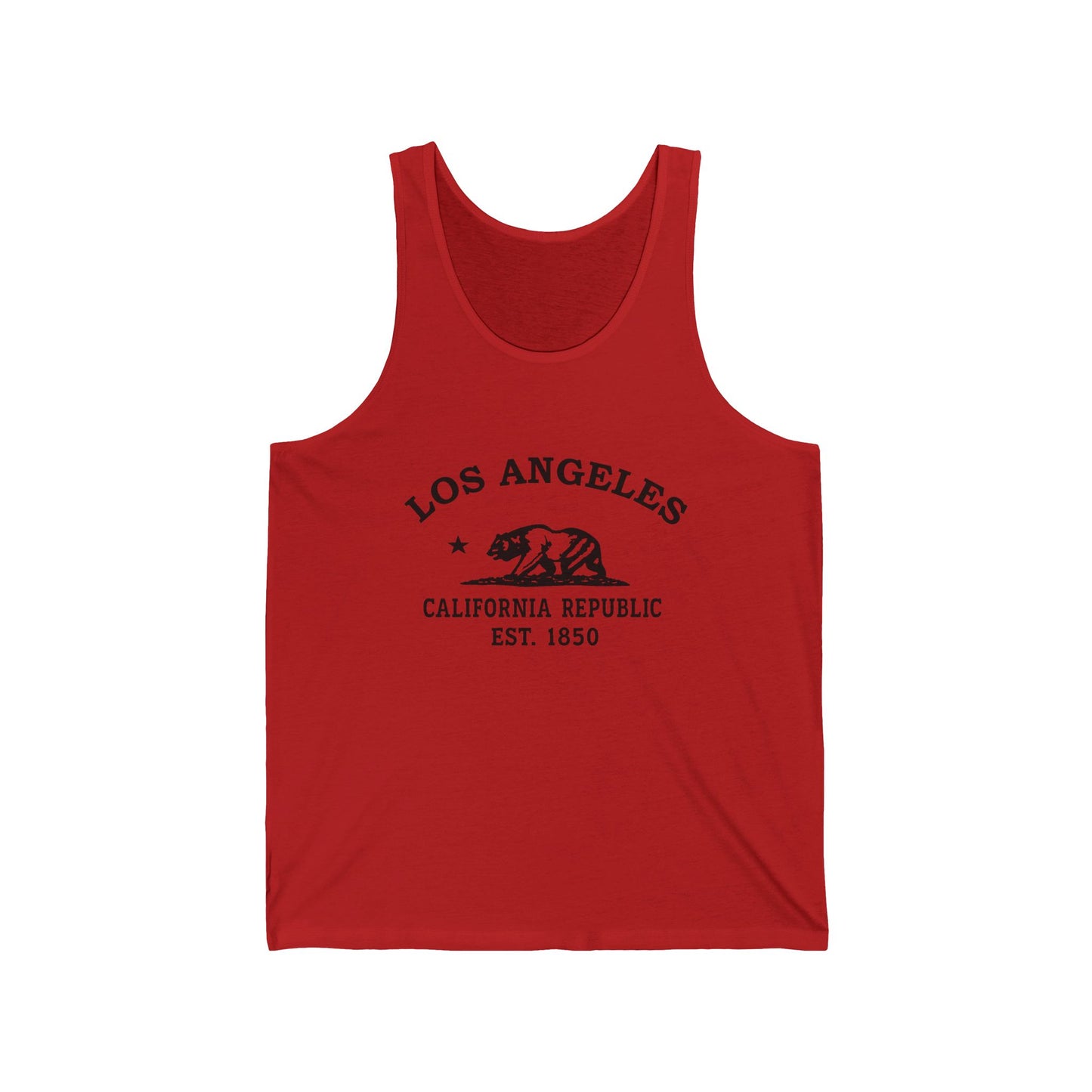
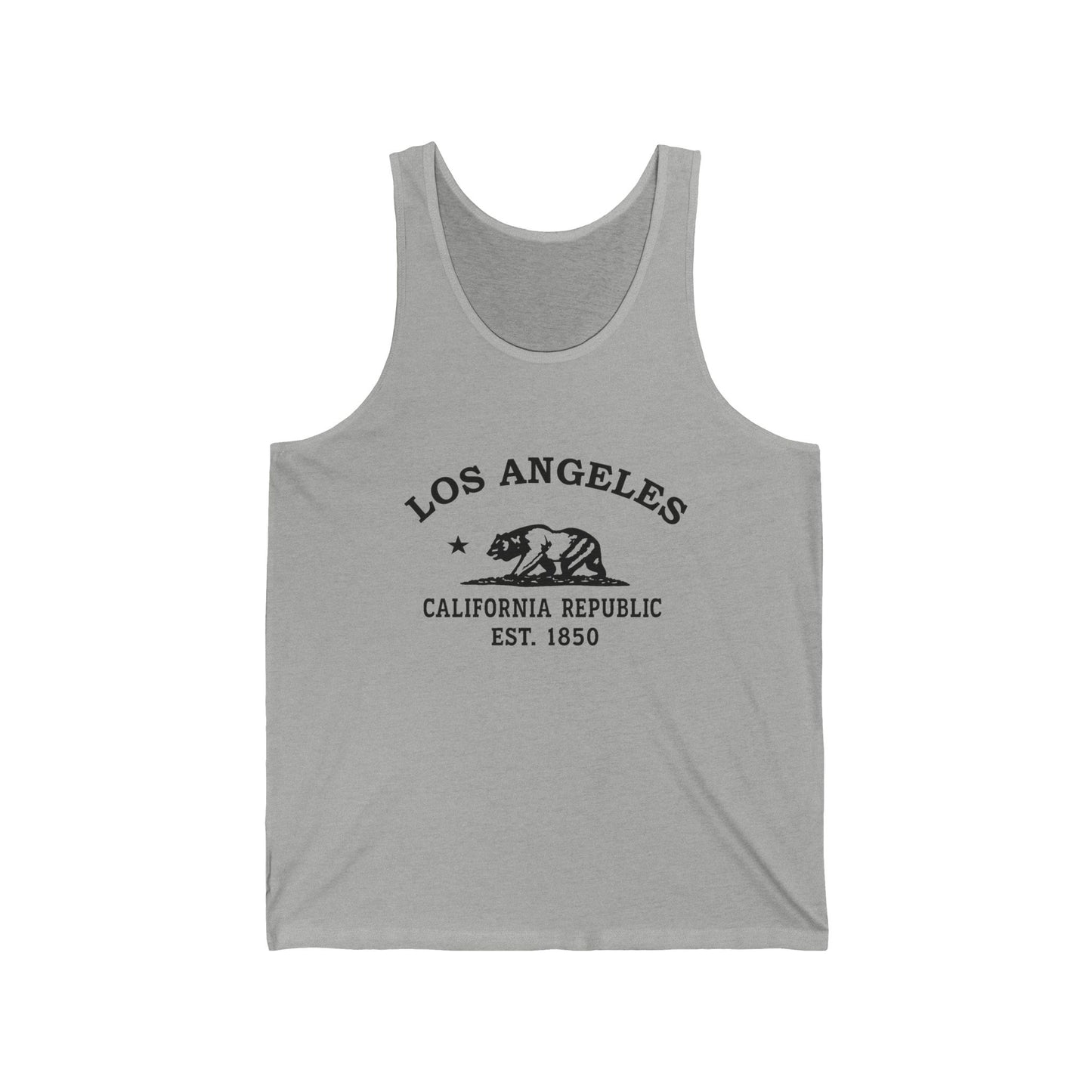
Our Los Angeles retro logo carries California's grizzly bear and lone star — the emblem of the old California Republic — set over “1850,” the year of statehood. Rendered black-and-white with the worn look of a vintage crate label or a roadside sign, it is rugged and authentic rather than glossy. The bear and star bridge the city's two stories: the adobe pueblo on the river and the state it helped build, a fitting mark for heritage worn rather than hung on a wall.
Why People Visit Los Angeles
Travelers come for the climate, the coast, and the culture, but the quietest surprise is the history: a two-hundred-and-forty-year-old pueblo tucked into the middle of a modern metropolis. History and everyday life sit side by side here in a way few American cities can match, and the founding block asks nothing but a walk.
