


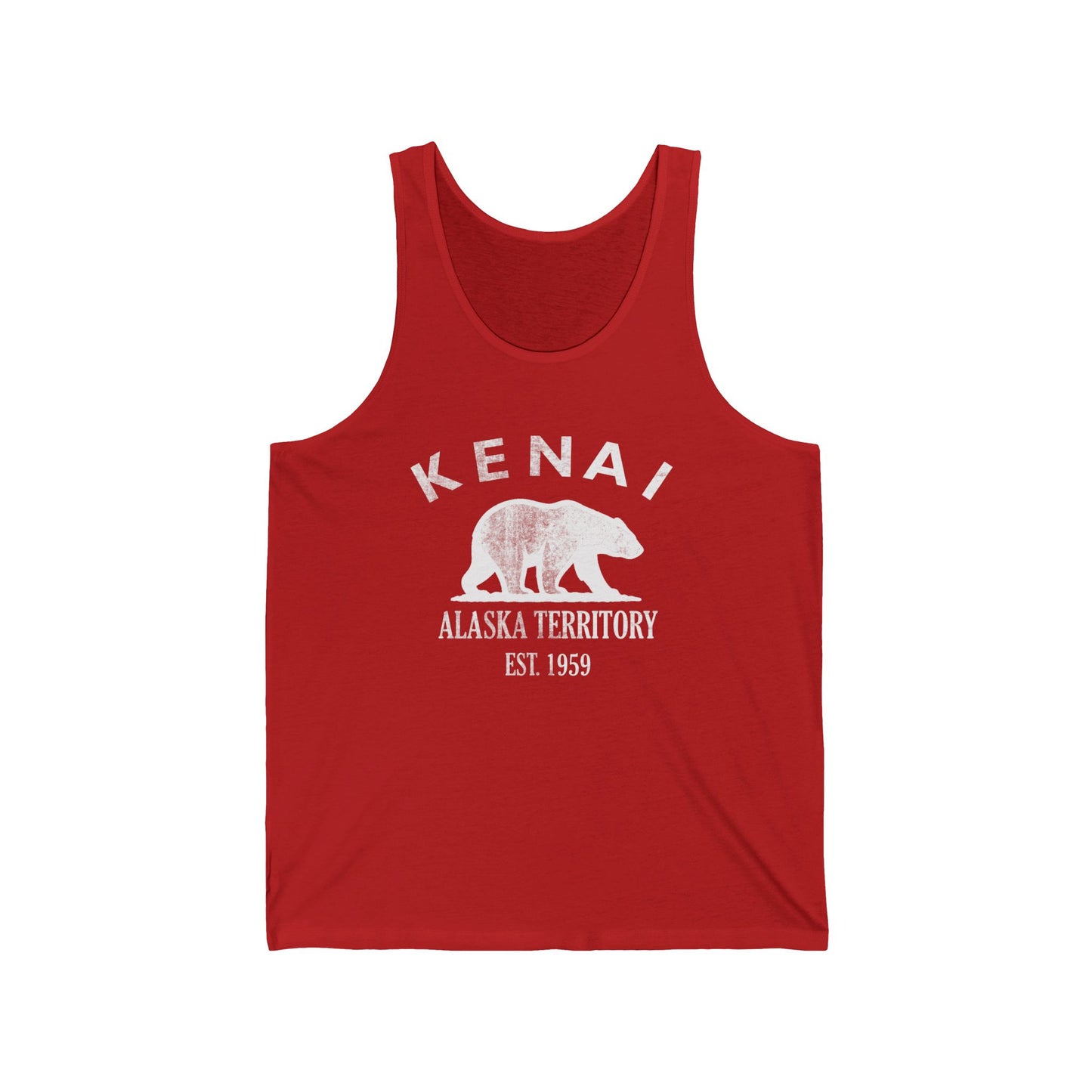
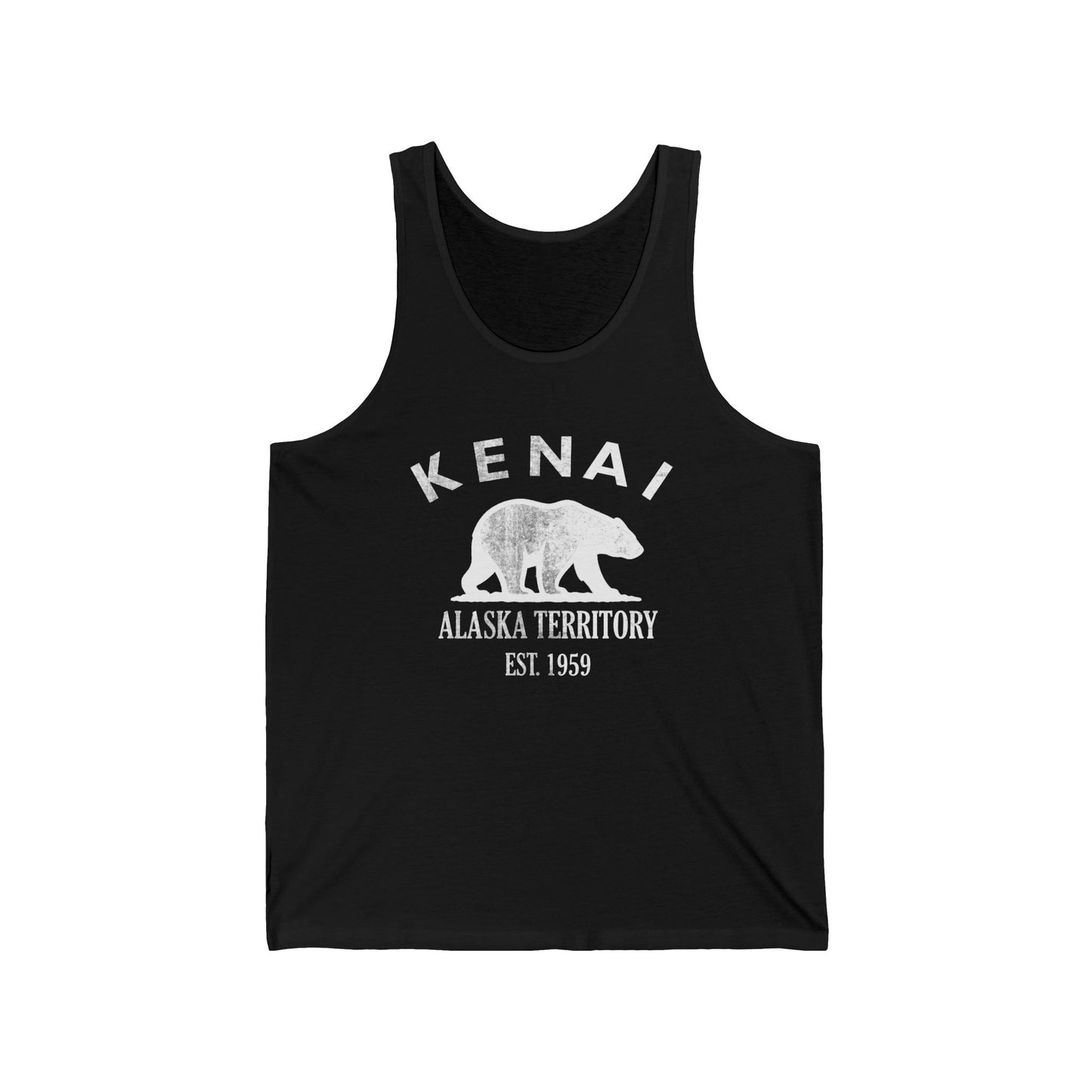
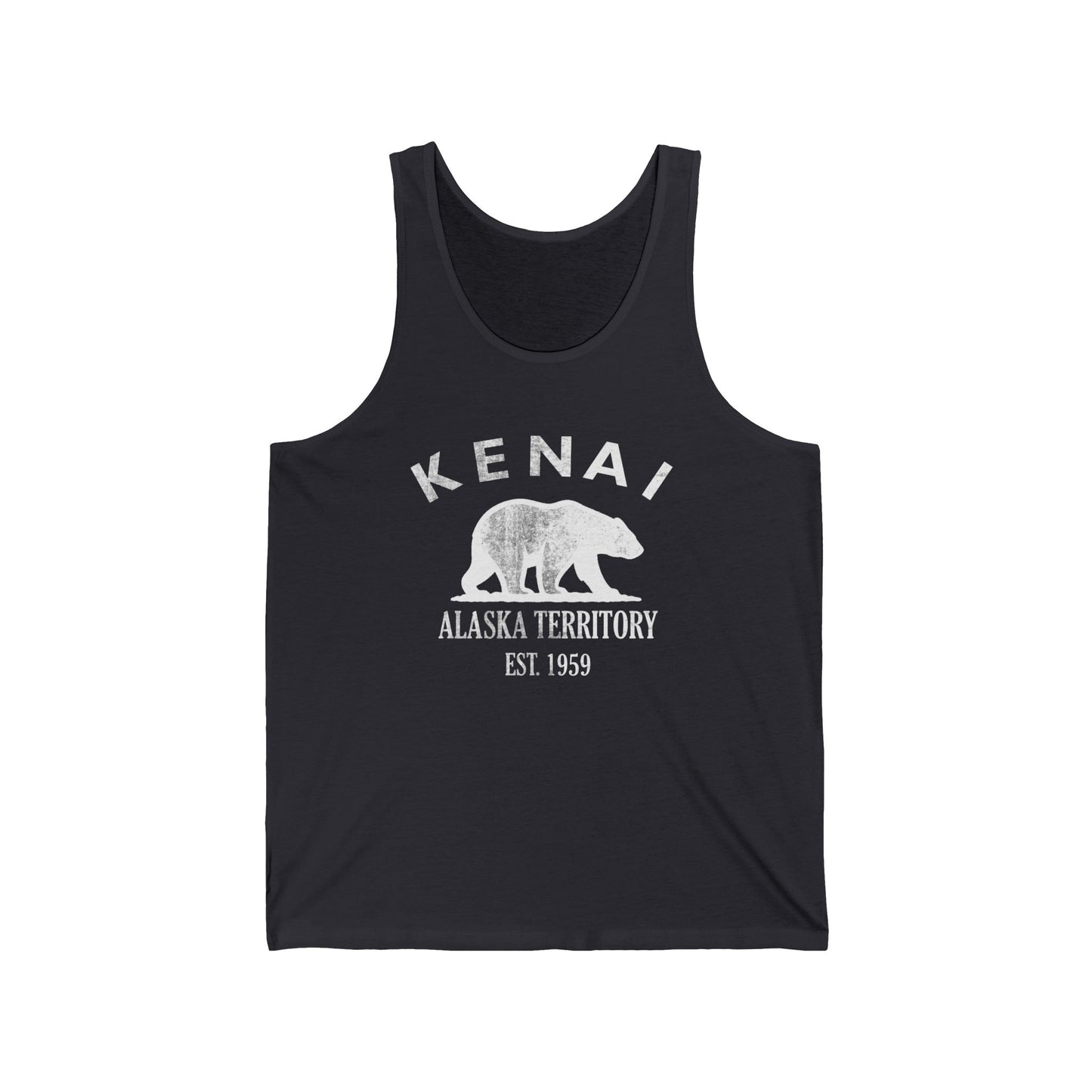
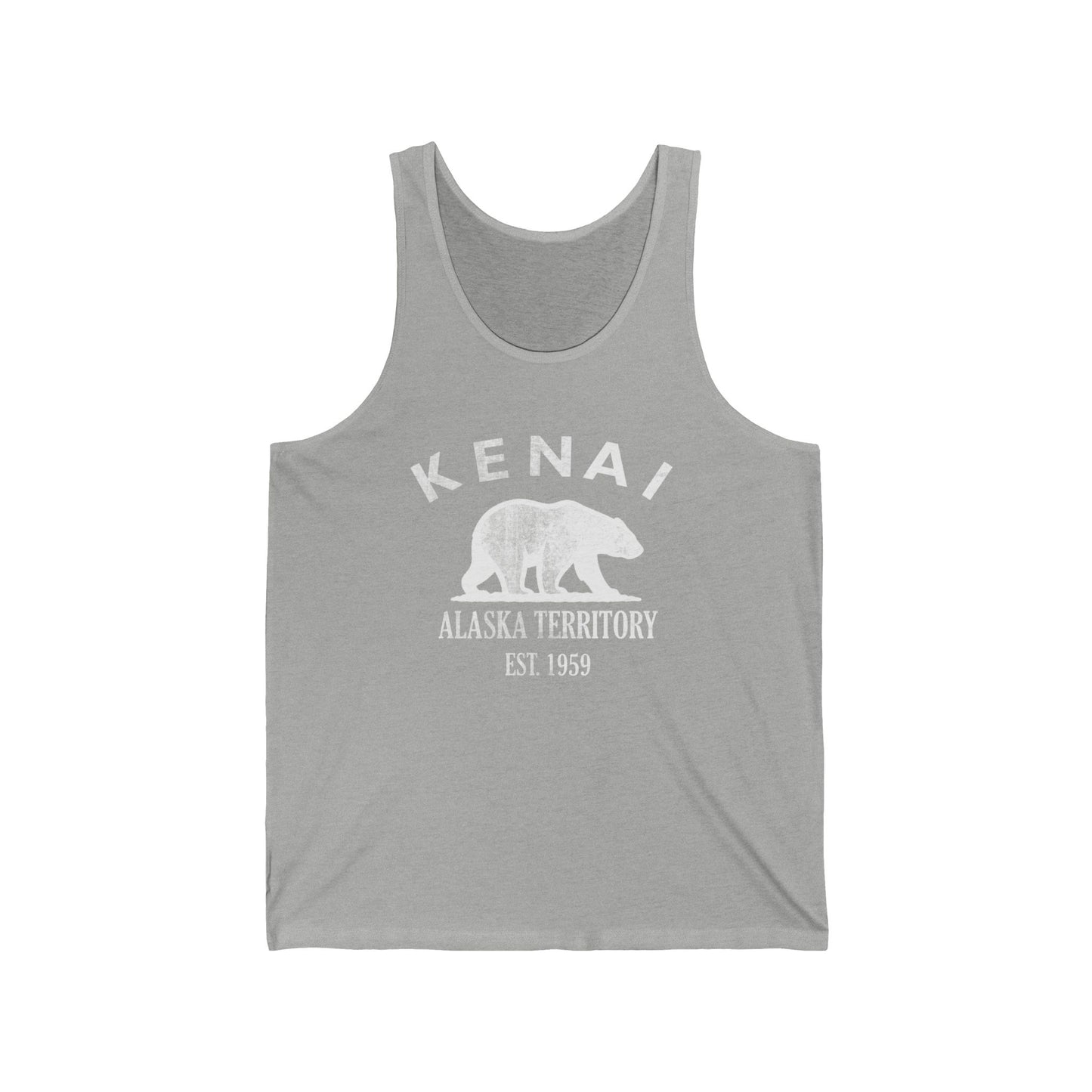
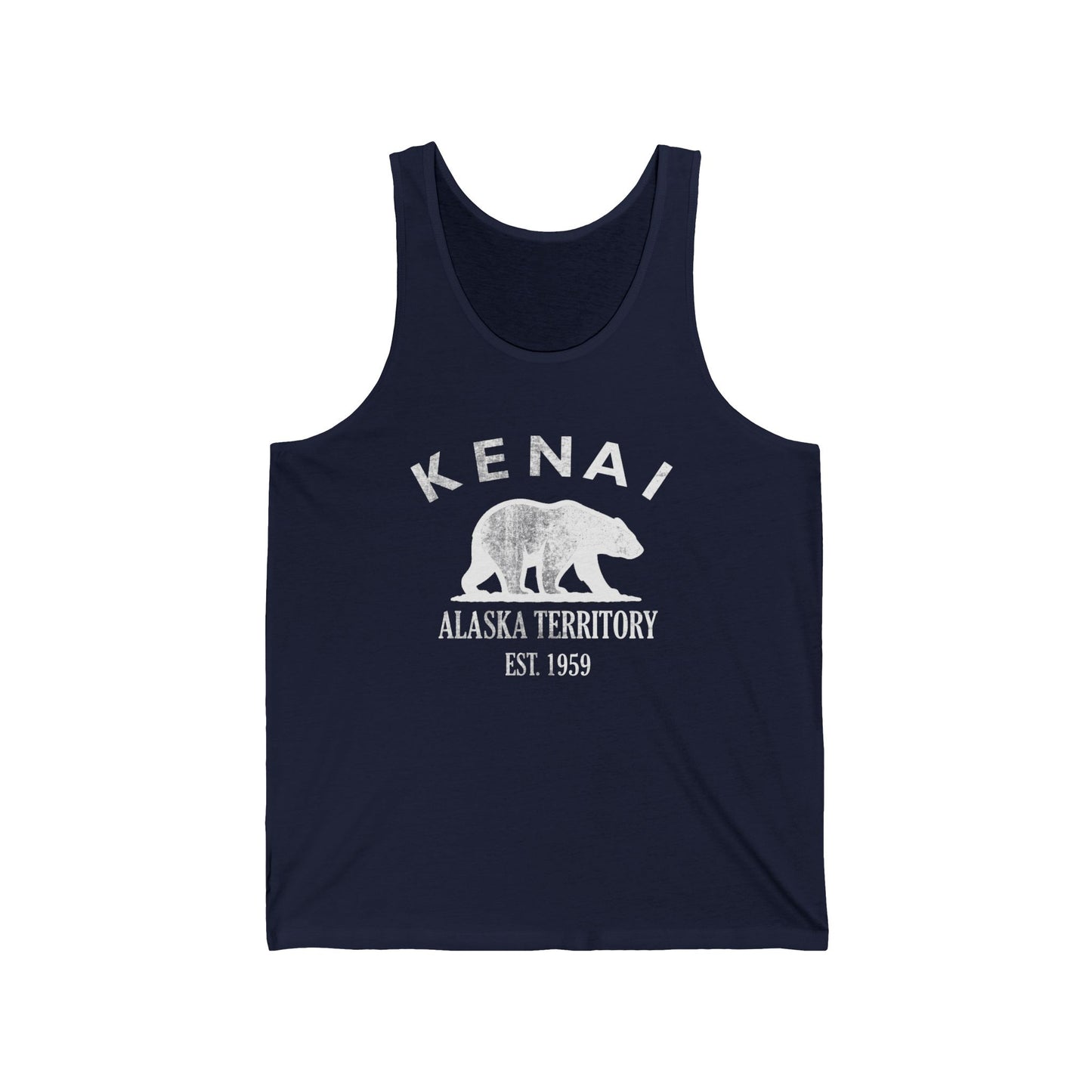
Today Kenai is the largest city on the Kenai Peninsula — a fishing and oil town that has kept both its Old Town church and its salmon river. Our Kenai designs gather that identity — the bear-and-1959 emblem, the onion domes, the river and the inlet — into wearable form. Kenai, Alaska — Old Town on the bluff, where the river meets the sea.
Salmon built the town and still runs it. Long before the rigs, Cook Inlet canneries packed Kenai reds by the case, and every July the personal-use dipnet fishery turns the river mouth into one of the busiest beaches in Alaska — families with long-handled nets, coolers, and wall tents taking home a winter's worth of fish in a few tide cycles. It is part festival and part harvest, and about as old as the village itself; the salmon that drew the Dena'ina to Shk'ituk't still draw the whole road system south every summer.
Why People Visit Kenai
Kenai pairs deep history with wide-open Alaska — a living Russian-era church, a salmon river that sets the summer's rhythm, and the long view across Cook Inlet to the mountains. It's accessible, working, and real: a Last-Frontier town that kept its old bones.
