


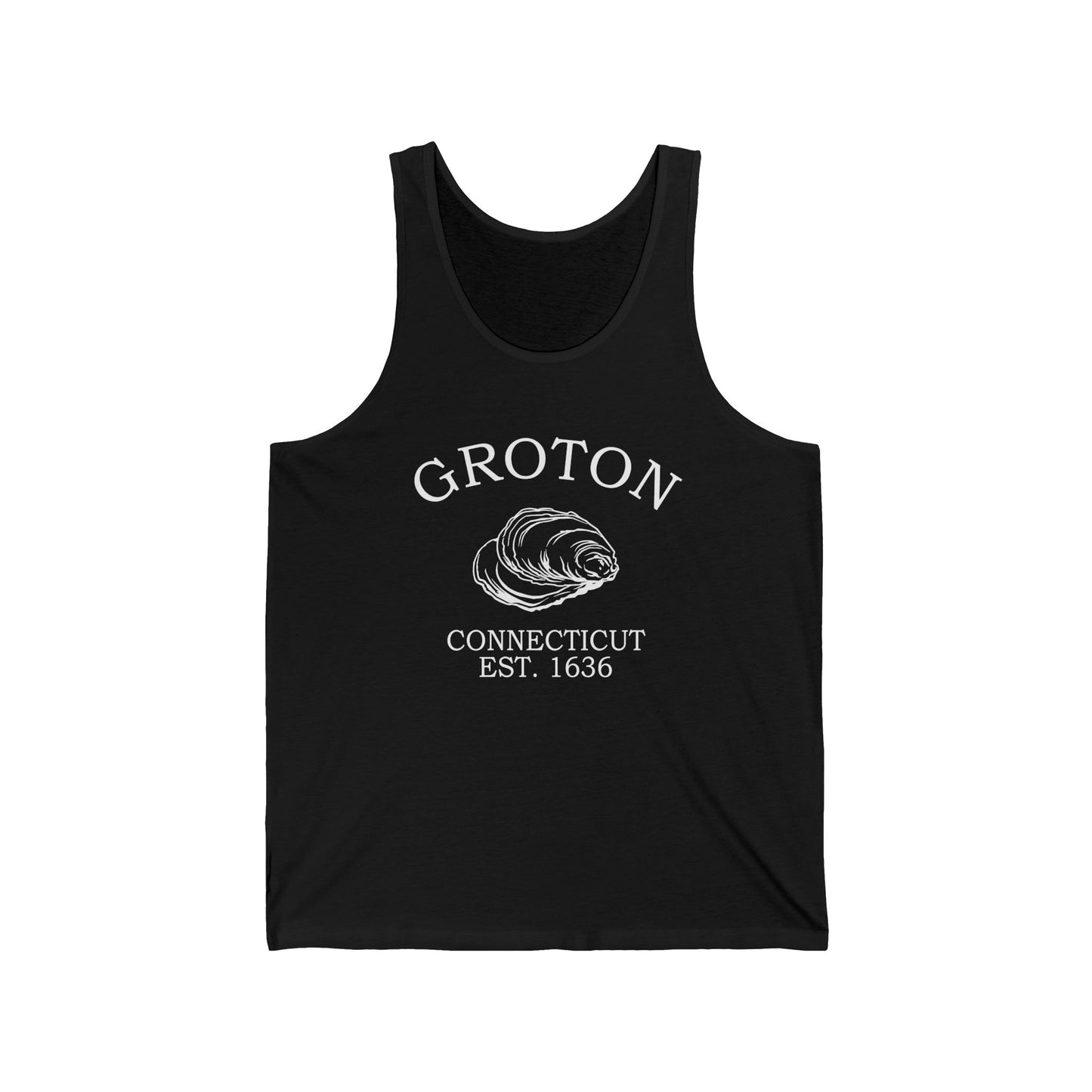
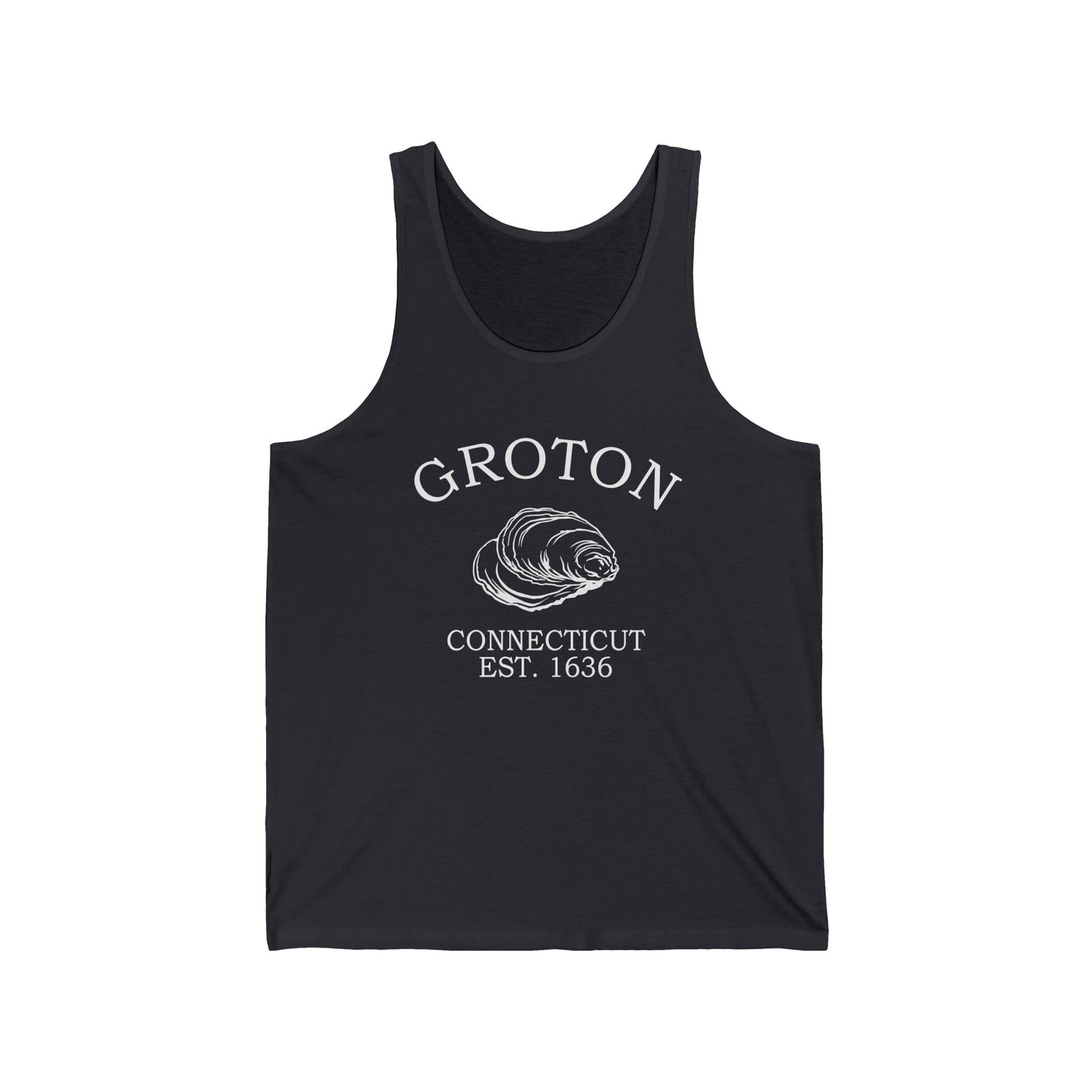
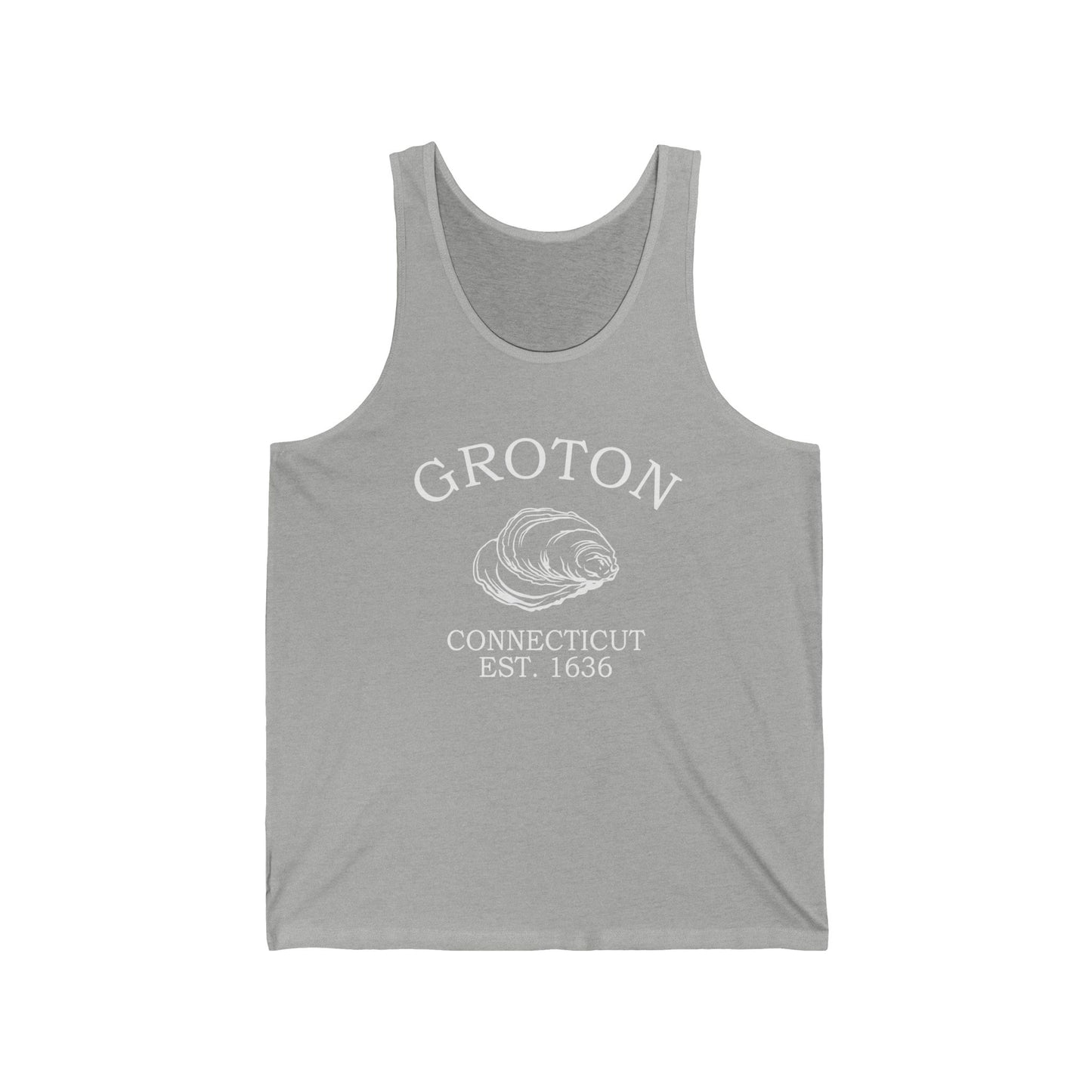
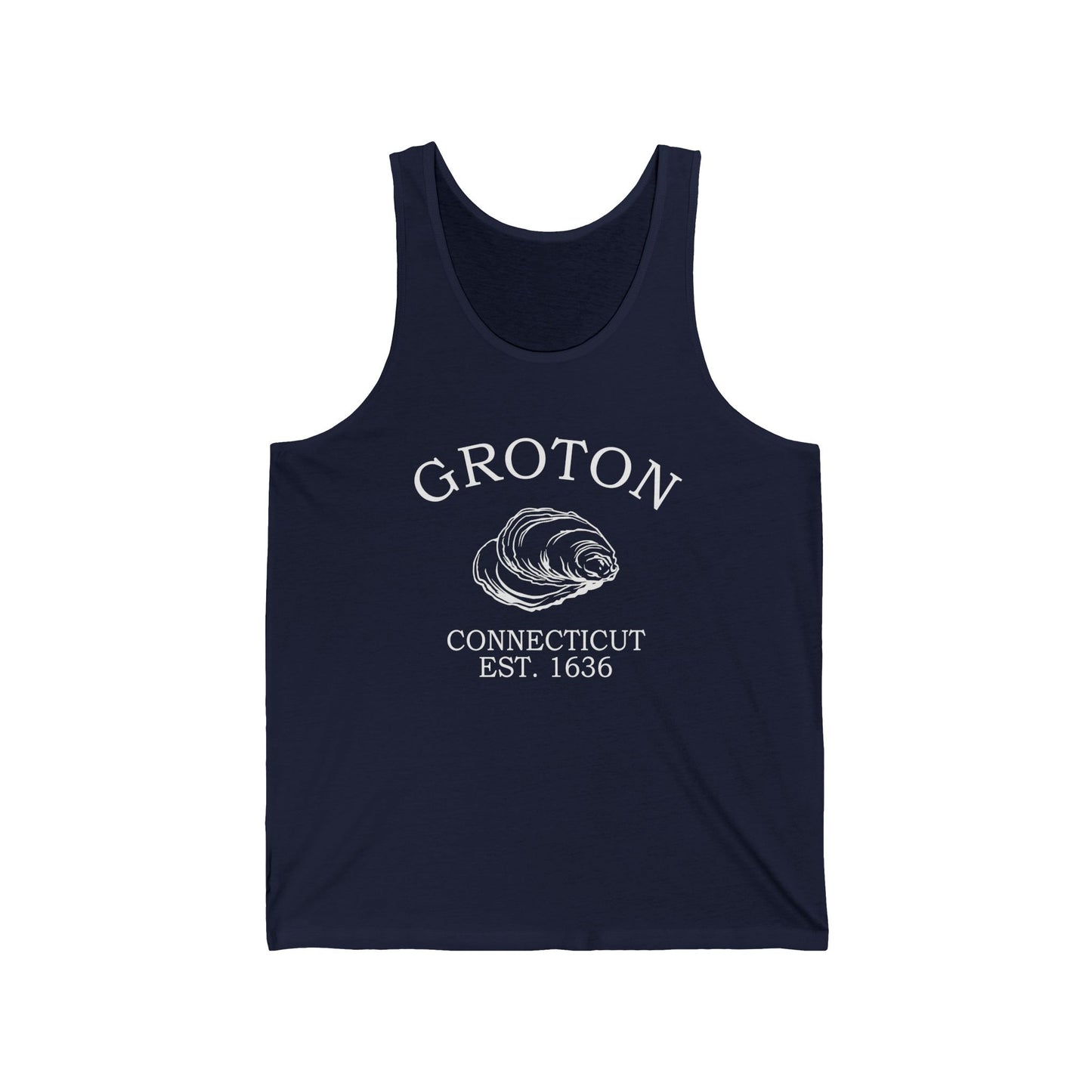
Groton's stories run to the water. The town took its name from Groton, the Suffolk manor of John Winthrop, who led the founding of the Massachusetts Bay Colony; the river it sits on, the Thames, is named for London's — though locals say it plainly, "Thaymes," not the English way. They'll tell you Groton built more than seventy submarines for the fleet in a single world war, and that for decades the new boats slid down the ways straight into the Thames, the way the Nautilus did in 1954. Down at Fort Griswold every September, the town still gathers to remember the men who fell in 1781. The harbor that made Groton a target in the Revolution is the same deep water that made it the Submarine Capital of the World — the whole story turns on that one stretch of river.
Today Groton is known the world over for its submarines, and at home for its monument, its harbor, and its shoreline parks. Its story blends Pequot beginnings, colonial shipbuilding, Revolutionary sacrifice, and the nuclear age that began on its waterfront. Our Groton designs gather that identity into wearable form — the Submarine Capital, the Thames, the Connecticut coast. Explore the collection and carry a little of Groton's depths with you.
Why People Visit Groton Connecticut
Groton draws people who love the sea and the stories that come with it. It is the Submarine Capital of the World, with the first nuclear submarine open to walk through; it is a Revolutionary battlefield with a monument to its fallen; and it is a working shoreline of deep harbor, forts, beaches, and lighthouse points. Visitors come for the rare combination — naval history you can stand inside, colonial history you can climb, and a Connecticut coast you can walk all in one town on the Thames.
