


Groton's stories run to the water. The town took its name from Groton, the Suffolk manor of John Winthrop, who led the founding of the Massachusetts Bay Colony; the river it sits on, the Thames, is named for London's — though locals say it plainly, "Thaymes," not the English way. They'll tell you Groton built more than seventy submarines for the fleet in a single world war, and that for decades the new boats slid down the ways straight into the Thames, the way the Nautilus did in 1954. Down at Fort Griswold every September, the town still gathers to remember the men who fell in 1781. The harbor that made Groton a target in the Revolution is the same deep water that made it the Submarine Capital of the World — the whole story turns on that one stretch of river.
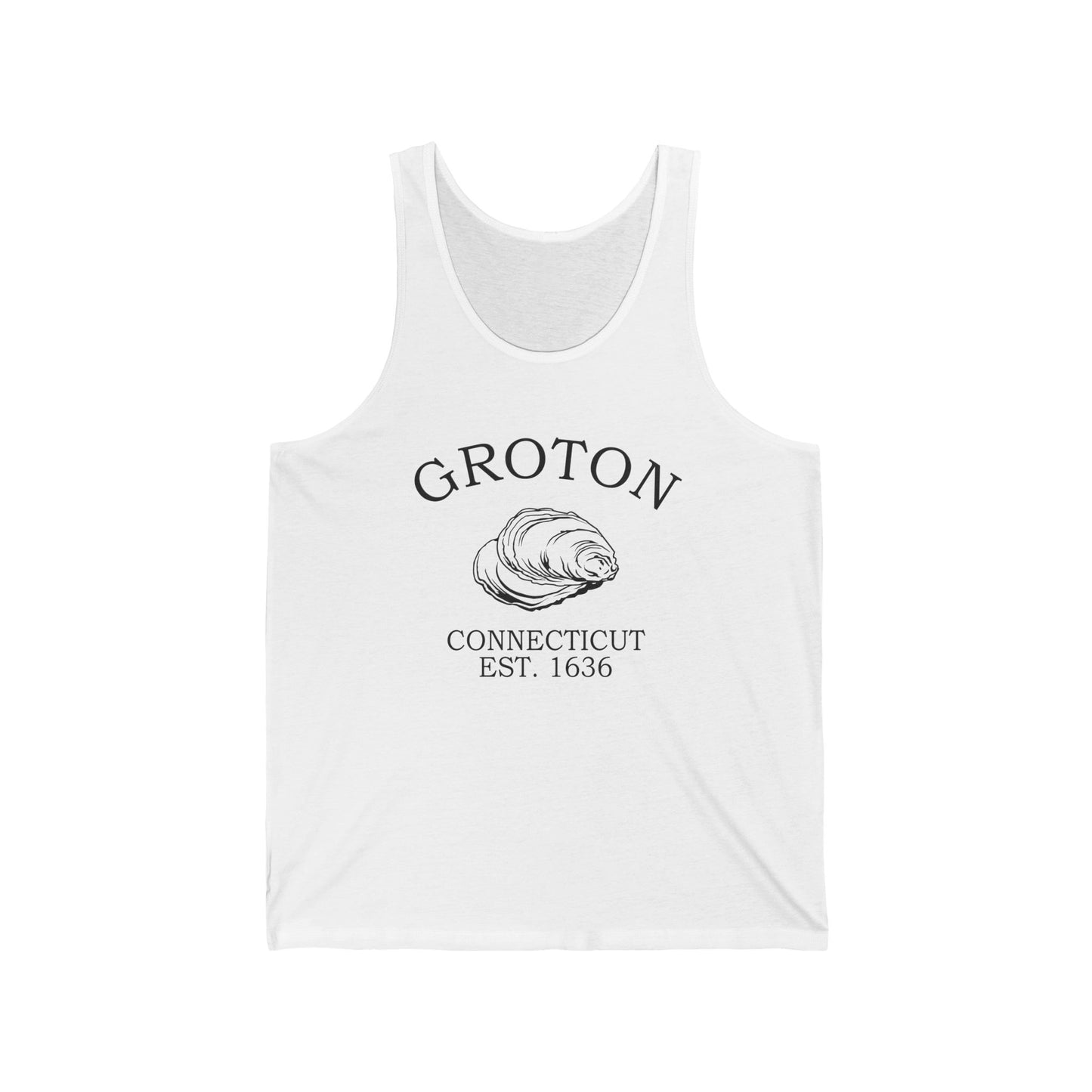
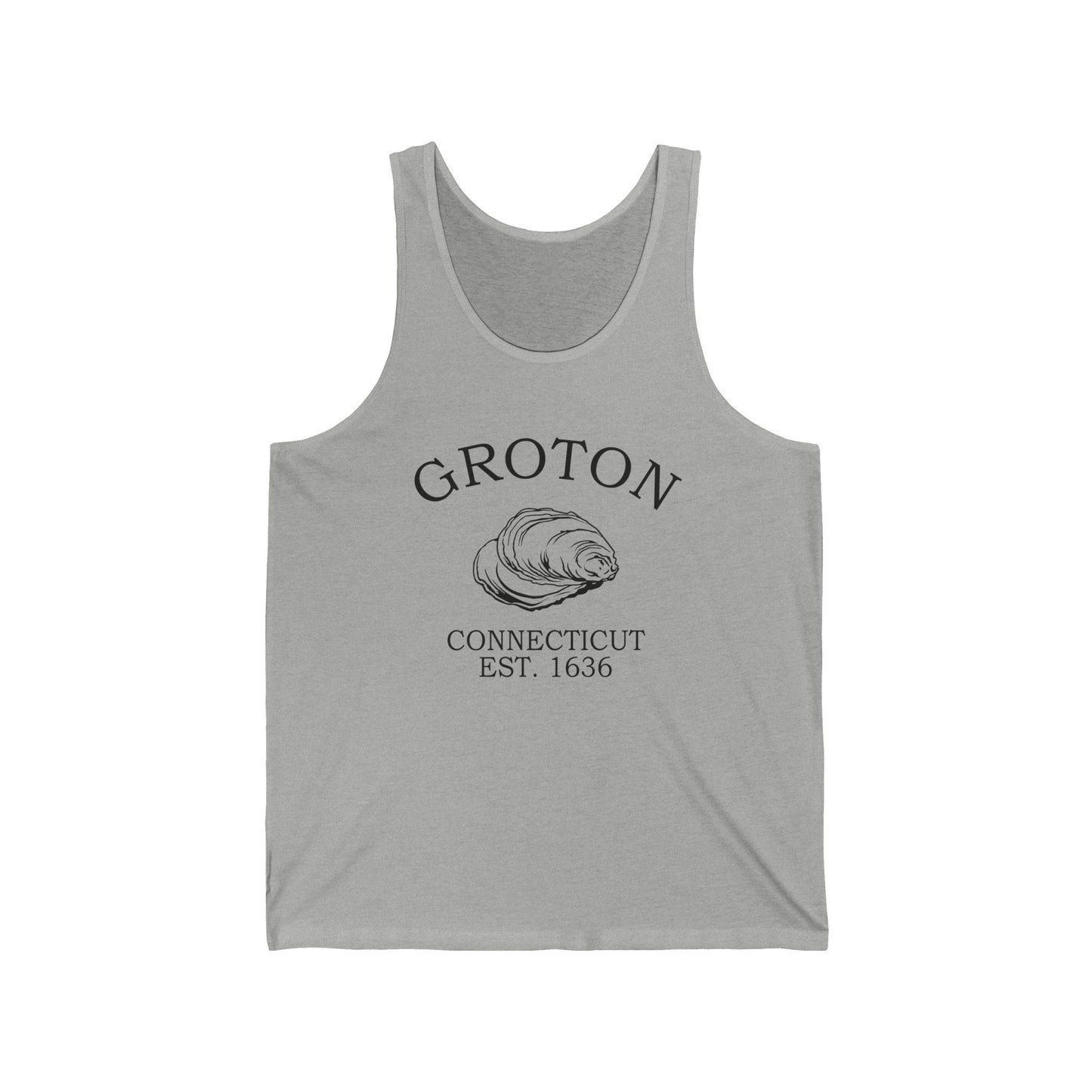
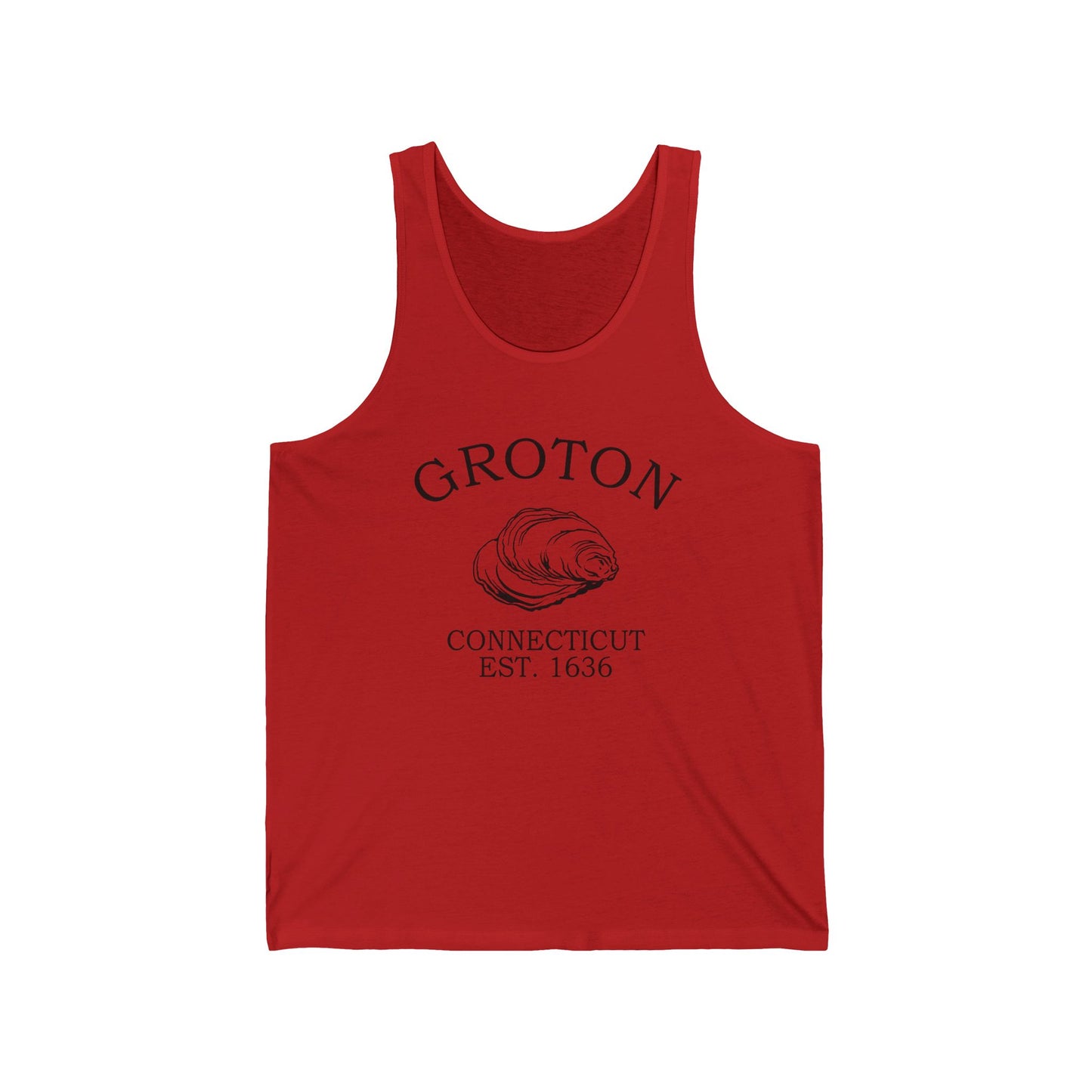
Our Groton logo carries the same emblem every Merlin Classics Connecticut town wears — an oyster above "Connecticut, Est. 1636," the colony's founding year, rendered in hand-printed black and white with a worn, vintage feel. The oyster is the shoreline state's mark, the through-line that ties Groton to every other Connecticut town we make. What makes this one Groton is everything around it: the submarine harbor, the monument on the heights, the deep Thames water. On a tee or a cap it reads less like a souvenir and more like a small piece of the Connecticut coast — Est. 1636, worn plain.
Why People Visit Groton Connecticut
- Tour the free Submarine Force Museum and step aboard the Historic Ship Nautilus, the world's first nuclear submarine, berthed on the Thames.
- Walk the ramparts of Fort Griswold Battlefield State Park and climb the 135-foot Groton Monument for views over the harbor.
- Hike or bike the wooded trails of Bluff Point State Park out to its tidal coves and rocky point.
- Visit Avery Point — the Branford House mansion, the University of Connecticut campus lawns, and Avery Point Light, the last lighthouse built in Connecticut.
- Relax at Eastern Point Beach, a small family cove with breakwater views across the river mouth.
- Take a guided tour of the Gungywamp State Archaeological Preserve to see its colonial stone chambers and double stone circle.
