Skip to product information
1 of 3

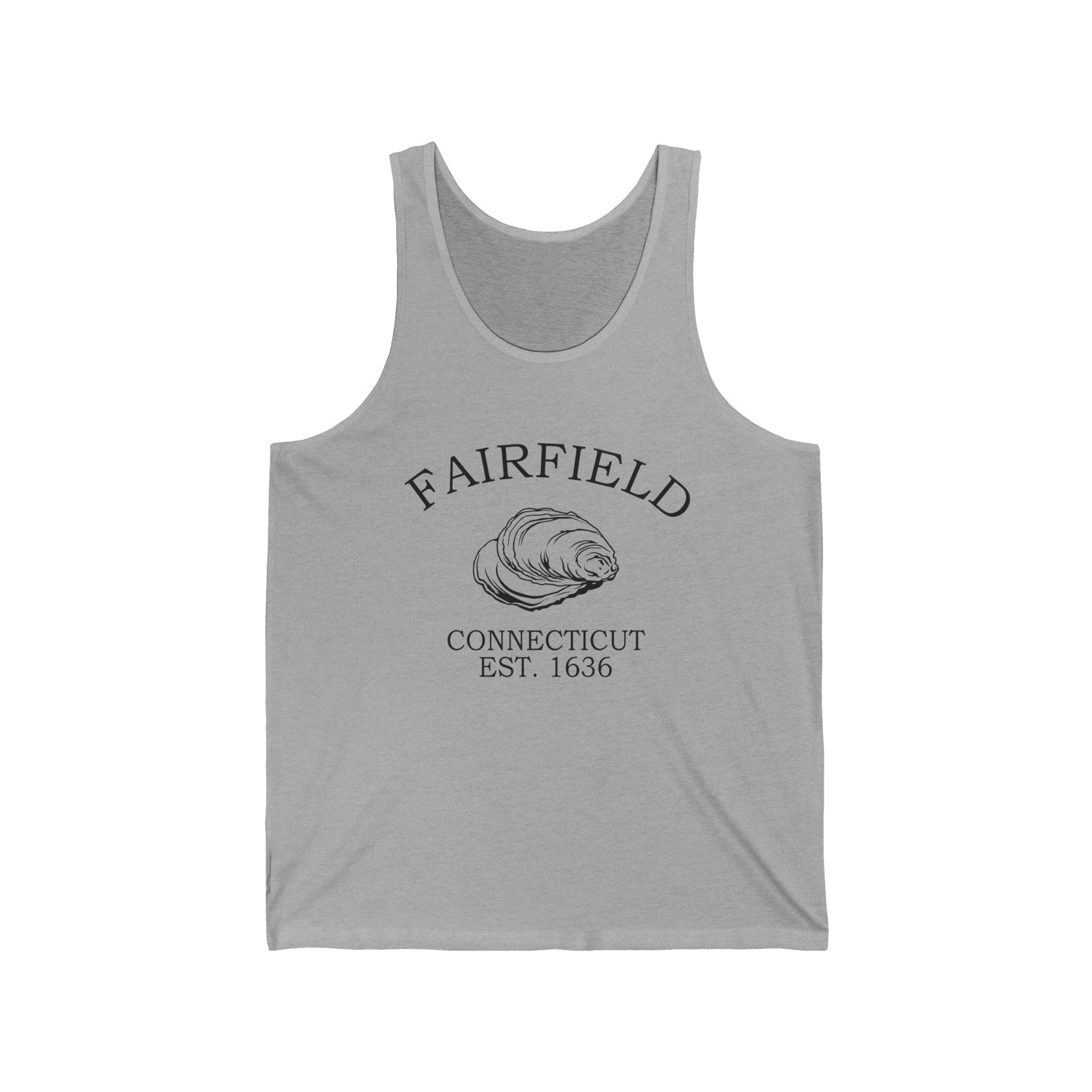
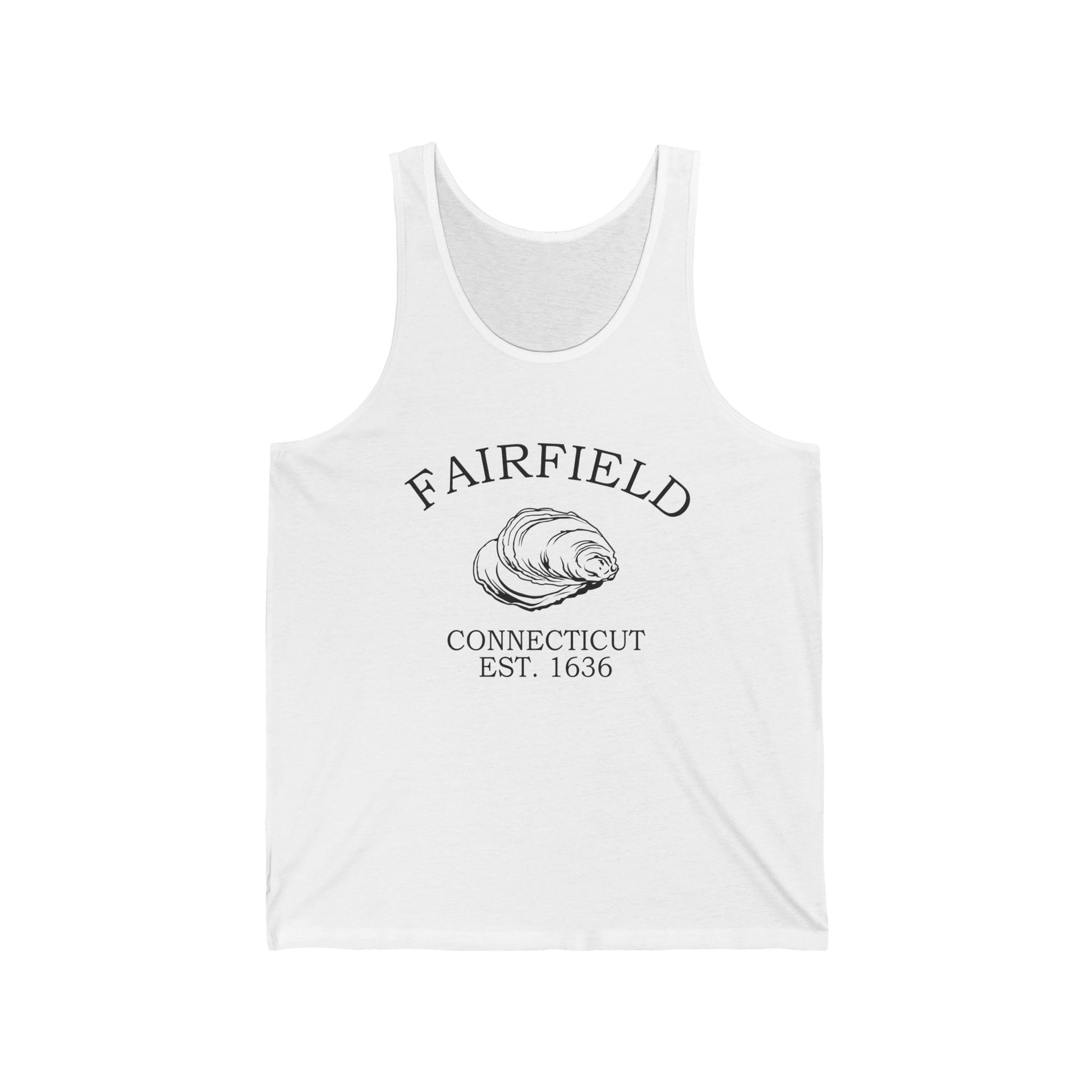
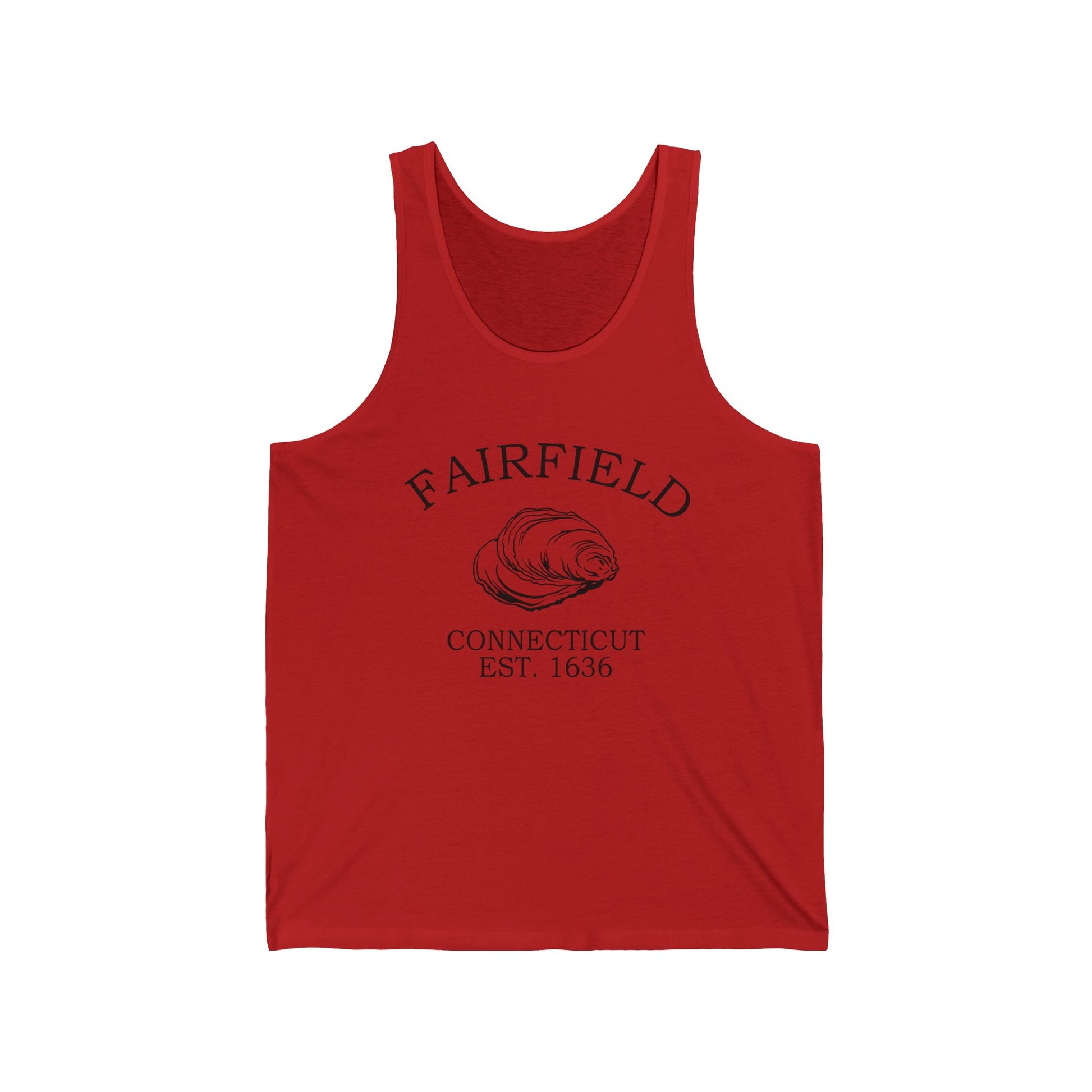
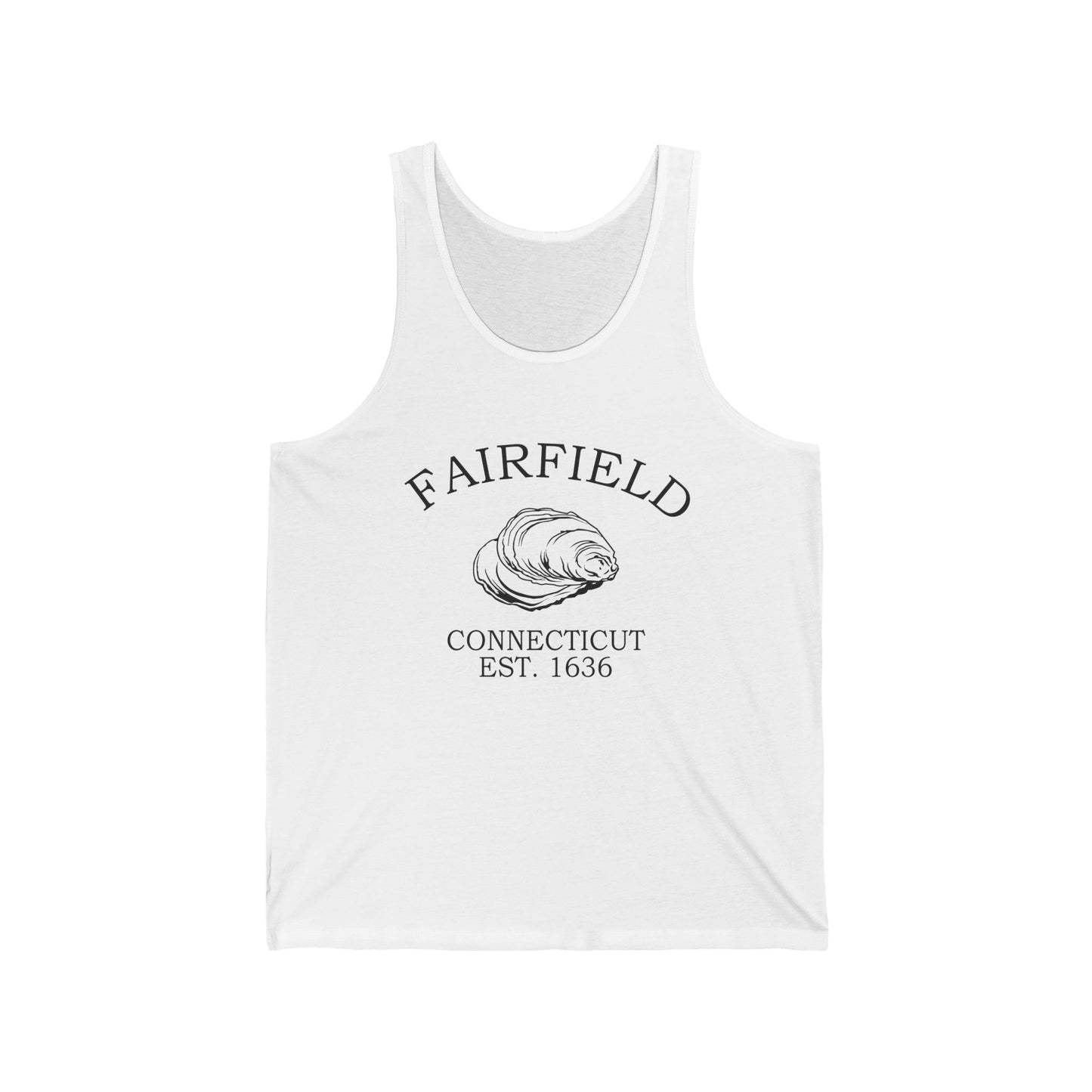
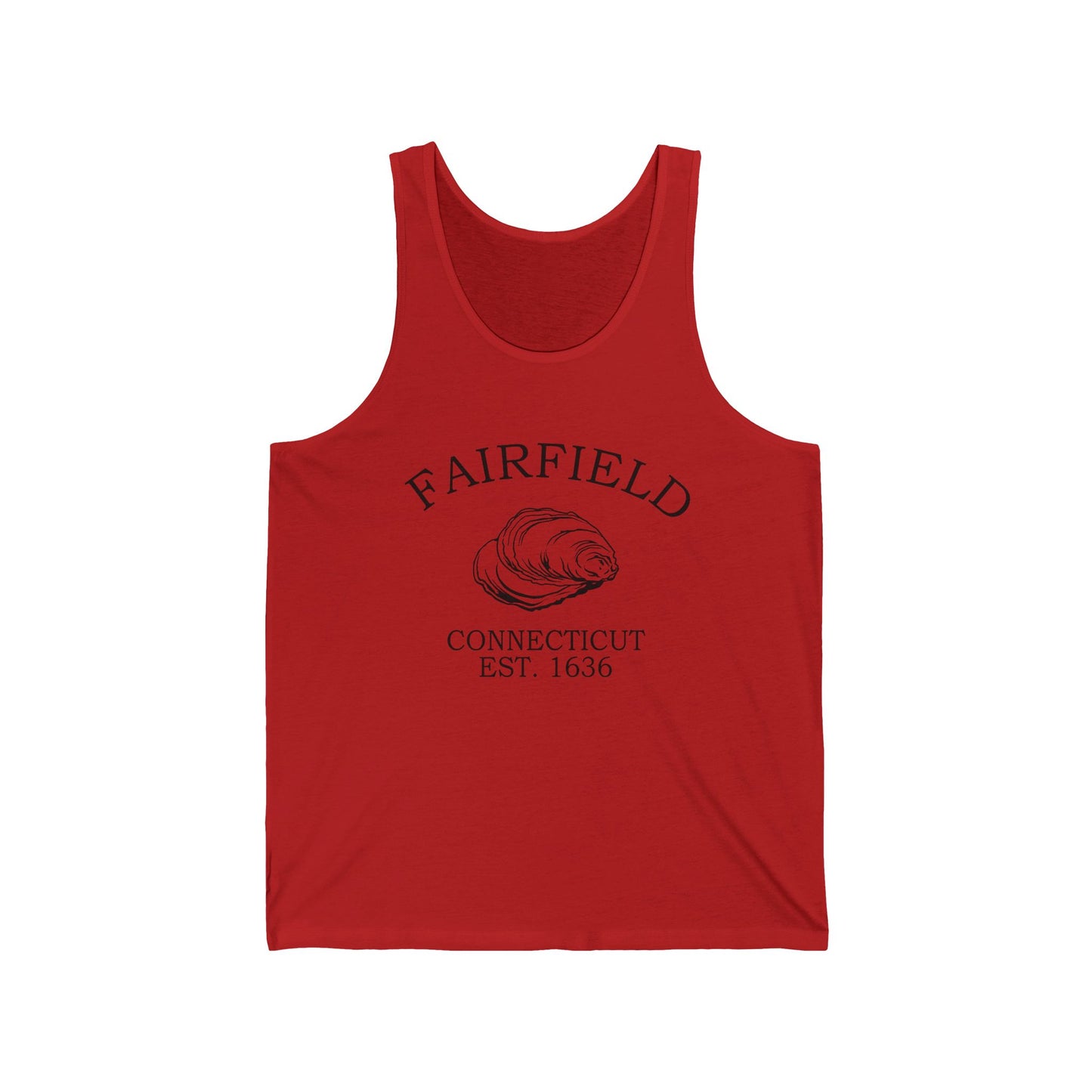
Fairfield Connecticut Vintage Retro Unisex Cotton Jersey Tank Top - Black Logo

Fairfield Connecticut Vintage Retro Unisex Cotton Jersey Tank Top - Black Logo

Regular price $28.00 USD
Regular price Sale price $28.00 USD
Sale
Shipping calculated at checkout.
Size
Color
Quantity
Unisex jersey tank made from lightweight Airlume combed and ring-spun cotton with a retail fit. Side-seam construction and self-fabric binding help it hold shape, with a tear-away label, and it runs true to size for adults. Solid colors are 100% cotton; select heather/prism shades may include cotton–poly or cotton–poly–rayon blends.

View full details

Fairfield was founded by the man who wrote America's first constitution. On January 14, 1639, in Hartford, a thirty-eight-year-old English lawyer named Roger Ludlow — Oxford, Inner Temple, the only trained lawyer in the Connecticut colony — saw the Fundamental Orders of Connecticut adopted by the General Court of the three river towns. He had drafted the document himself the previous winter. Eleven short articles, no mention of a king, no mention of England, no acknowledgment of any sovereign outside Connecticut, with the line in Thomas Hooker's sermon — "the foundation of authority is in the free consent of the people" — running underneath the whole structure. Historians call it the first written constitution in the Americas. It is the reason Connecticut is the Constitution State. Eight months later, in September 1639, Ludlow rode west out of Windsor with a small company of settlers and founded a town on the Long Island Sound shoreline. He knew the country: two years earlier, in 1637, he had been with the colonial force that ended the Pequot War at Sasco Swamp — a hard event, one that haunts the historical record, and one Ludlow returned to with the idea of building a coastal town in the country he had ridden through. The town he founded that September he named Fairfield. He laid out a green, a meeting house, and four squares of home lots running back from the Sound. In 1654 one of his Fairfield neighbors, a woman named Mary Staples, was charged with witchcraft — the first such trial of a woman in the colony — and was acquitted on the testimony of her neighbors, thirty-eight years before any woman would be hanged at Salem. On July 7, 1779 the British general William Tryon landed at Black Rock Harbor and burned much of Fairfield to the ground over two days — eighty-three homes, two churches, the courthouse, the schoolhouse, the jail. The town rebuilt through the next forty years in the new Federal style, brick and clapboard, white-painted with low gables; the Burr Mansion of 1790 stands on the foundation of the house that burned. The Sun Tavern of 1780 and the Powell House of 1755 also still stand. Up on Greenfield Hill the church and the village had been spared the fire, and the village preserves one of the largest concentrations of intact eighteenth and early nineteenth century homes in New England; Timothy Dwight, the Yale president, wrote his epic poem "Greenfield Hill" there in 1794. Penfield Reef Lighthouse was lit a mile and a half offshore in 1874. Sherwood Island became Connecticut's first state park in 1914. The Old Post Road, the colonial spine of the Boston-to-New York route, still runs through the middle of town. Founded by the man who wrote the constitution, burned by the British, rebuilt in Federal brick, still on the Sound.

Fairfield's lore includes the 1654 witchcraft trial of Mary Staples — acquitted, thirty-eight years before any woman would be hanged at Salem — myths of pirate treasure along beaches, Revolutionary raids, and families rebuilding after storms. Residents recall parades, football games, and fairs in the 1950s. Families remembered oyster harvests, clambakes, and suburban festivals. Myths and memories together highlight Fairfield's dual identity: shoreline heritage and suburban pride. Lore demonstrates resilience, authenticity, and continuity, showing how traditions endured across centuries. Fairfield's stories emphasize pride, cultural endurance, and adaptability. These tales reflect Connecticut's shoreline character, where myth and memory blended seamlessly, creating heritage deeply tied to resilience and continuity across generations of community identity.

Why People Visit Fairfield Connecticut

  • Tour the Fairfield Museum and History Center beside the historic town green — the primary local archive and the place to learn about Roger Ludlow's 1639 founding, the Fundamental Orders, the 1779 burning under General Tryon, the Federal-era rebuild, and the Mary Staples witchcraft trial of 1654.
  • Walk the Fairfield Town Green and the post-1779 rebuild blocks along Beach Road and the Old Post Road — the Burr Mansion (1790, town-owned, open for tours), the Sun Tavern (1780), the Powell House (1755, one of the few houses to survive the fire), and the row of Federal-era clapboard houses that rose from the ash.
  • Drive or bike up to the Greenfield Hill Historic District — the hill village the British fire spared, with one of the largest concentrations of intact eighteenth and early nineteenth century homes in New England, where Yale president Timothy Dwight wrote his 1794 epic poem "Greenfield Hill."
  • Visit the Pequot Library in Southport, the 1894 Romanesque-revival reference library with a long-running antiquarian Pequot War and colonial Connecticut research collection.
  • Relax on Jennings Beach, the broad town-owned Sound beach with soft sand, playgrounds, and wide views toward the Norwalk Islands.
  • Look offshore for Penfield Reef Lighthouse, lit in 1874, the brick-and-stone tower a mile and a half out in the Sound that has guided shipping past the long submerged reef ever since.
  • Walk Sherwood Island State Park in adjacent Westport — Connecticut's first state park, established in 1914 — for the long Sound-front beach and the September 11 memorial overlooking the Sound.
  • Walk the Lake Mohegan loop, the inland forest park with short cascades, a swimming hole, and picnic lawns.
  • Browse the Old Post Road shops and the downtown blocks linking the green to the train station.
  • Stroll through Southport village, the small harbor settlement of Federal-era sea captains' houses on Southport Harbor — Fairfield's quietest National Register district.

Fairfield Connecticut Merlin Classics retro vintage logo featuring clam shell motif and Connecticut Colony 1636 founding-era date

Wear Local. Feed Local. Stay Classic.

Product FAQs

How does your sizing work?

Because items are made to order, we can’t accept returns for sizing or color choices. We do accept returns for defects, misprints, or shipping damage. Please review the detailed photos and descriptions before purchasing. Women’s fitted tees run small; if you prefer a looser fit, consider sizing up.

How do I send gifts?

All items ship without prices and include a simple packing slip for easy gifting. Enter the recipient’s shipping address and your billing address at checkout. Use your contact info to receive tracking updates. Orders typically arrive within 6–11 business days—please allow extra time for time-sensitive gifts.

How do I care for my item?

For apparel: wash cold, inside-out, with like colors; avoid bleach and high heat; tumble dry low or hang dry. For embroidery, iron inside-out to protect the stitching. See specific care instructions in product descriptions and also follow general best practices in caring for your items for long term enjoyment.

How are items made and when will they arrive?

We make each item on demand using premium blanks, embroidery, and soft-hand prints. Production usually takes 2–5 business days (excluding weekends and holidays). You’ll receive tracking once shipped. We currently ship to U.S. addresses via USPS, UPS, or FedEx. Most orders arrive within 6–11 business days.

What’s the return/exchange policy?

We accept returns for defects, misprints, or damage on arrival. Report issues within 14 days with photos and your order number, and we’ll replace or refund. Size or color changes aren’t supported after purchase, so please consult size charts before ordering if you are at all unsure.

Who are we?

Merlin Classics is a volunteer-run, AI-assisted apparel project celebrating timeless local style. Every item is made to order, and profits (revenue minus external product/marketing cost) support hunger-relief programs in the communities our collections spotlight. Classic looks, real local impact—every purchase helps.