


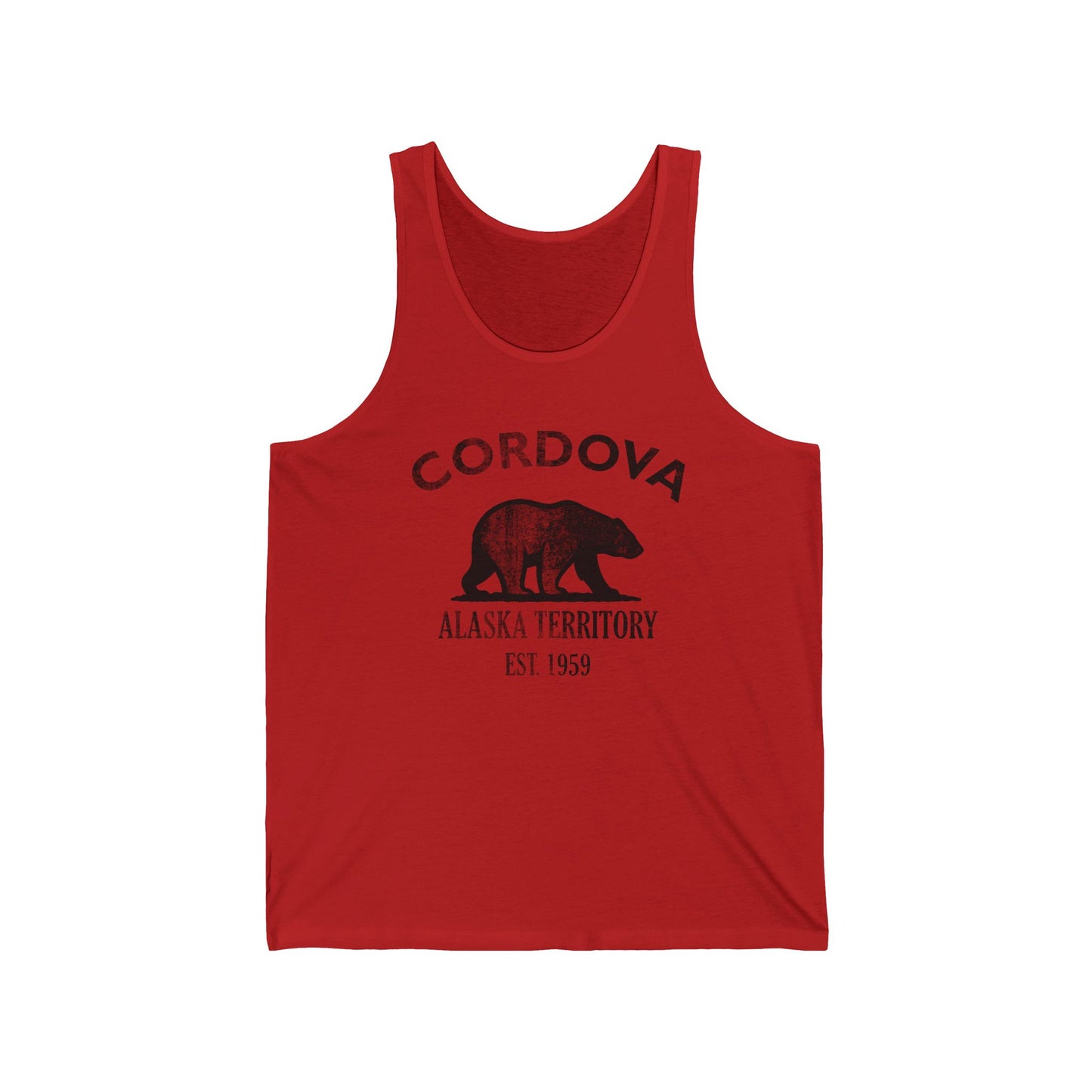
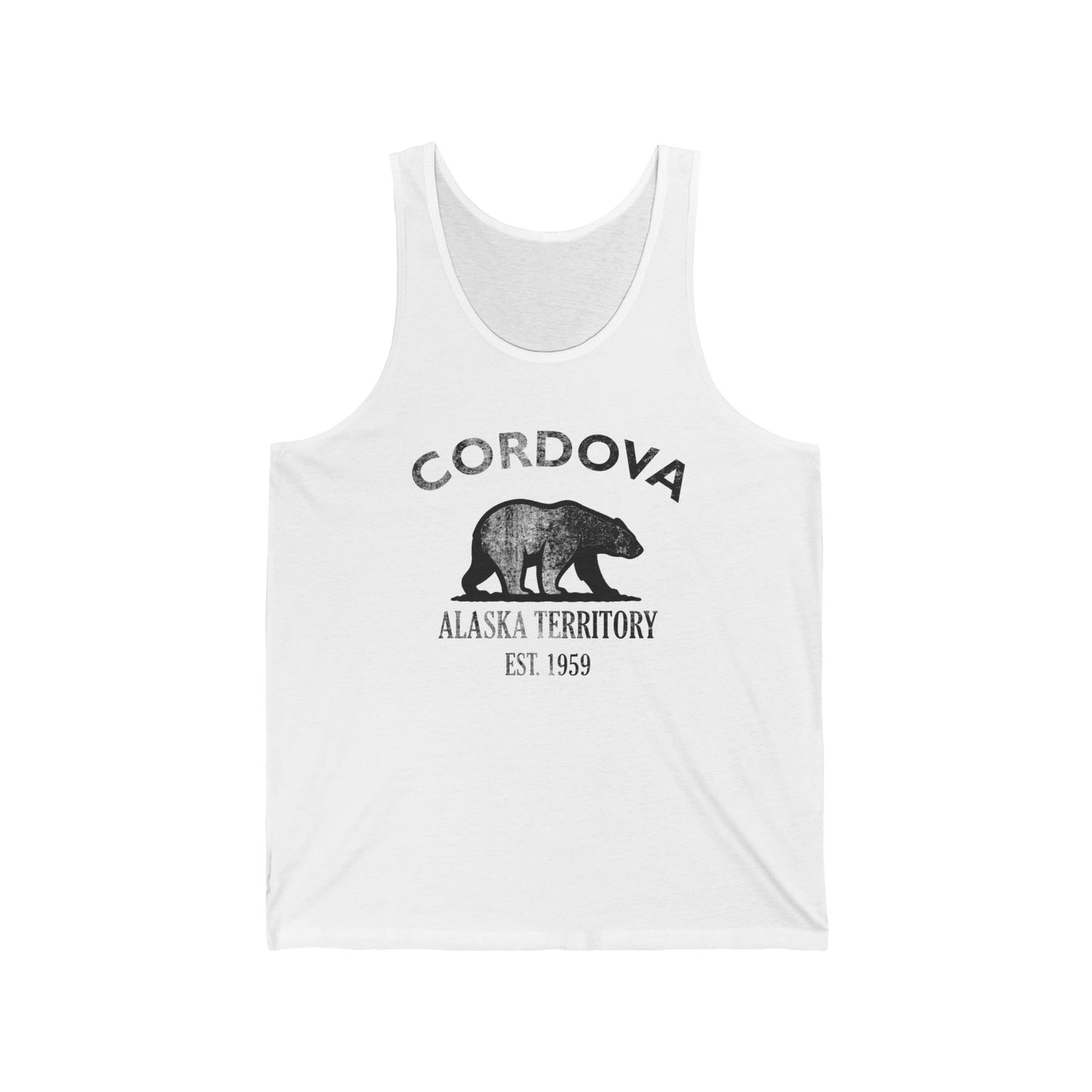
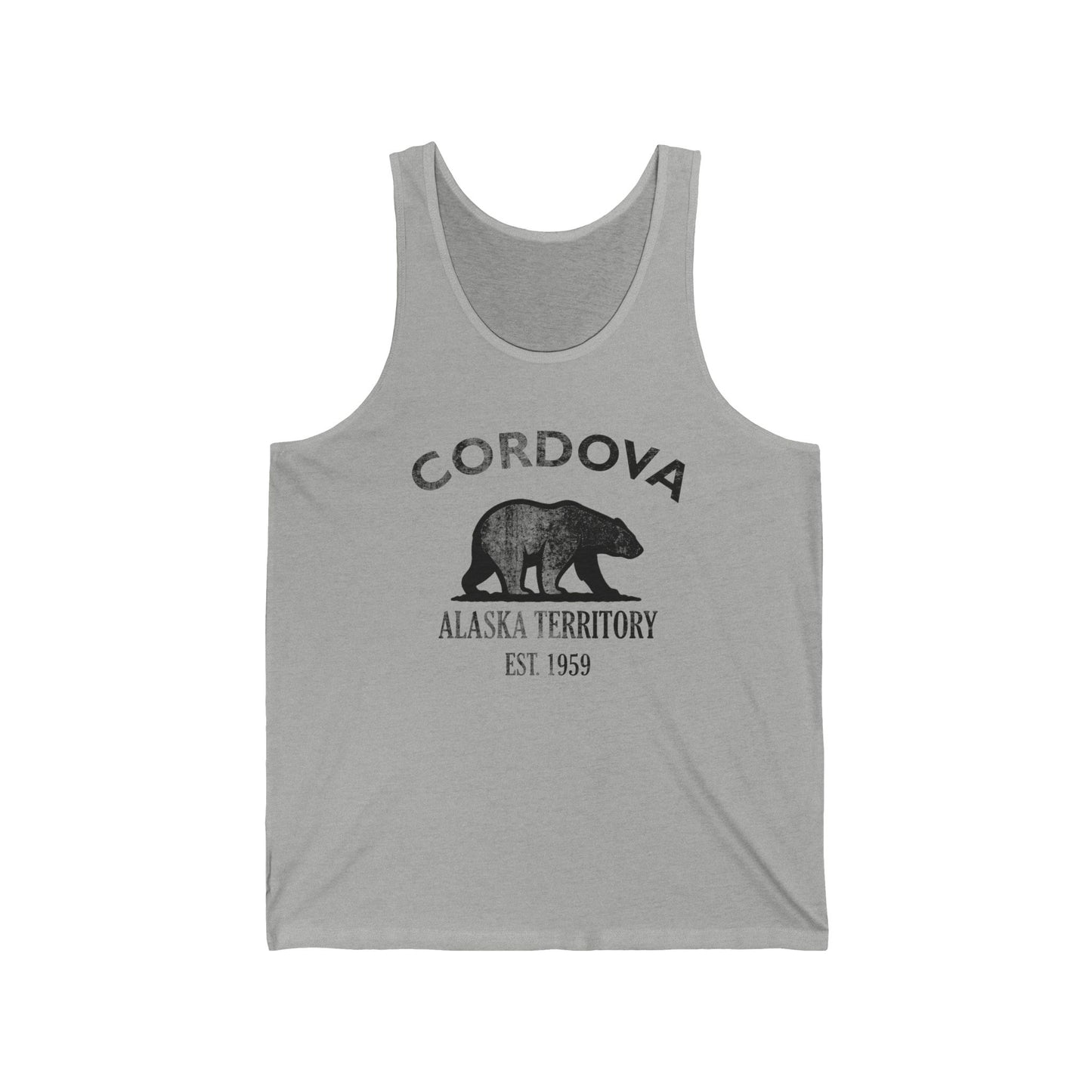
Today Cordova is a working fishing town at the edge of the wild — harbor and rainforest, glaciers and delta, and the best wild salmon on earth running past its door. Our Cordova designs gather that identity — the bear emblem, the Million Dollar Bridge, the Copper River reds — into wearable form. Cordova, Alaska — end of the road, home of the Copper River reds, where the rails once ran for copper and the salmon still run wild.
For a few decades Cordova was a copper town. Then, in 1938, the ore ran out, the mines closed, and the last train left. The railway was abandoned — its rails pulled up, its trestles left to the weather — and the Million Dollar Bridge carried its final load. A lesser town might have vanished with the copper. Cordova didn’t, because it had something the mountains could neither give nor take away: a river full of salmon.
Why People Visit Cordova
Cordova rewards travelers who want the real, working edge of Alaska: a fishing fleet at the dock, glaciers and a great river delta within reach, world-class birding and salmon, and a town you have to make an effort to reach. Bring rain gear and time.
