



Clinton holds onto its history with unusual care. The 1789 Stanton House survives as one of Connecticut's notable early house museums; the Clinton Village Historic District along East Main Street — 120 acres of colonial, Federal, and Greek Revival streetscape — joined the National Register in 1994; and Liberty Green, the little triangle where the militia once drilled, still anchors the center. The Historical Society keeps the long story close, the Town Dock still works, and every summer the Bluefish Festival fills the harborfront the way the oyster fleets once did.
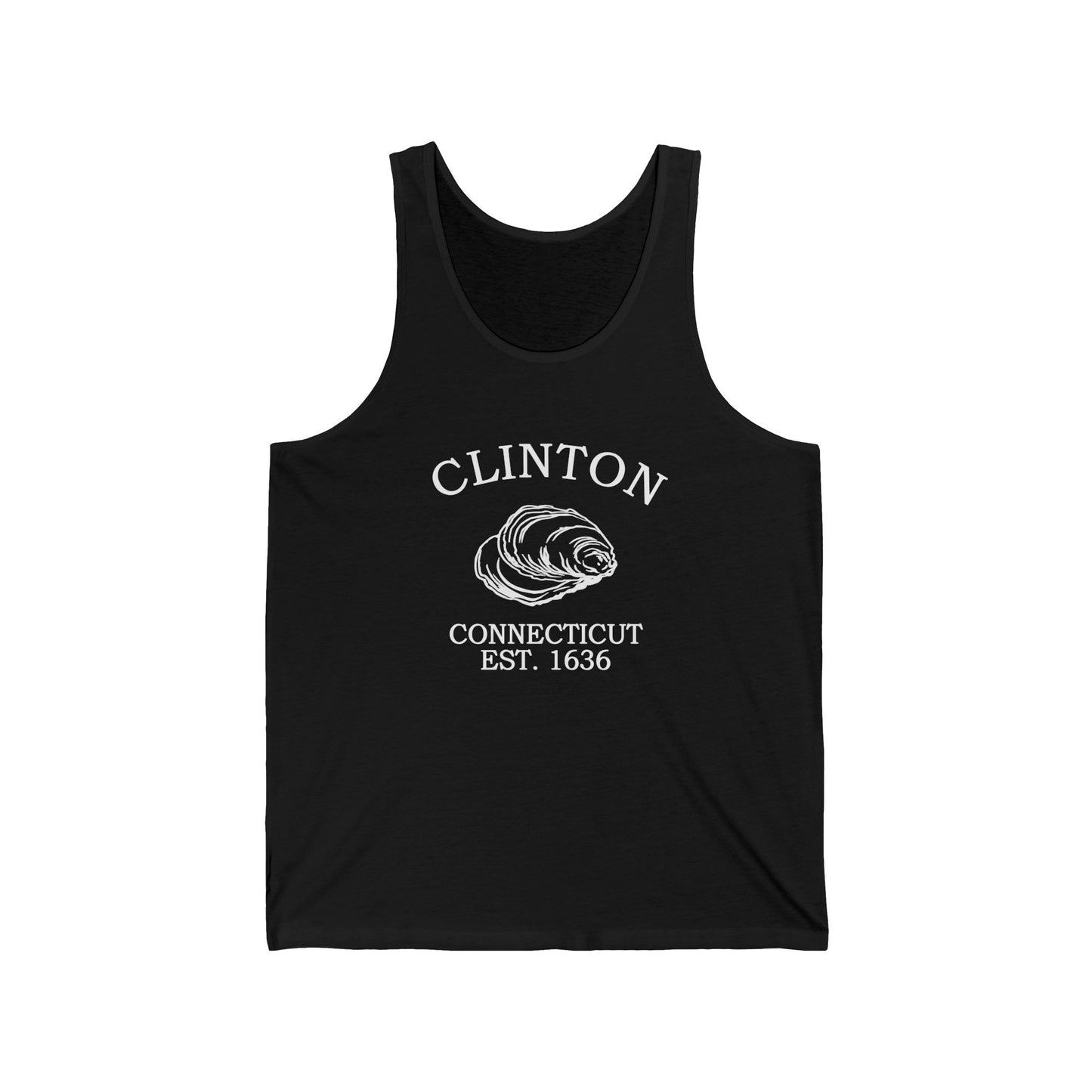
For two centuries the harbor was the whole economy. Clinton built ships, worked farms, and above all harvested the Sound — finfish, shellfish, and especially oysters, which made the town's reputation and filled its wharves. Schooners came and went from the Town Dock, the Indian River carried small craft into the heart of town, and Cedar Island sheltered the anchorage. The oyster is Connecticut's official state shellfish, and harbors like this one are why — and the trade never quite ended: oyster farming still works these waters today. In the late 1800s Connecticut's beds ranked among the most productive oyster grounds anywhere, and Clinton's harbor carried its share of that silver-shelled wealth.
Why People Visit Clinton
Clinton offers the Connecticut shoreline at its most relaxed — a real harbor town with beaches, marinas, and a colonial Main Street, plus the surprising distinction of being where Yale began. Visitors come for the water, the history, and the easy shoreline pace, and stay for the beaches, the harbor, and the oysters.
