




The nineteenth century also wrote a harder chapter here, one the canopy roads themselves remember. Those high red-clay lanes were cut to haul Sea Island cotton from the Red Hills plantations down to the Gulf ports — a cotton economy built on the labor of enslaved people. That history is part of Tallahassee, and it is not glossed over: on May 20, 1865, General Edward McCook read the Emancipation Proclamation from the steps of the Knott House downtown, and the day is still marked every year as Emancipation Day. The same shaded streets carry both stories.
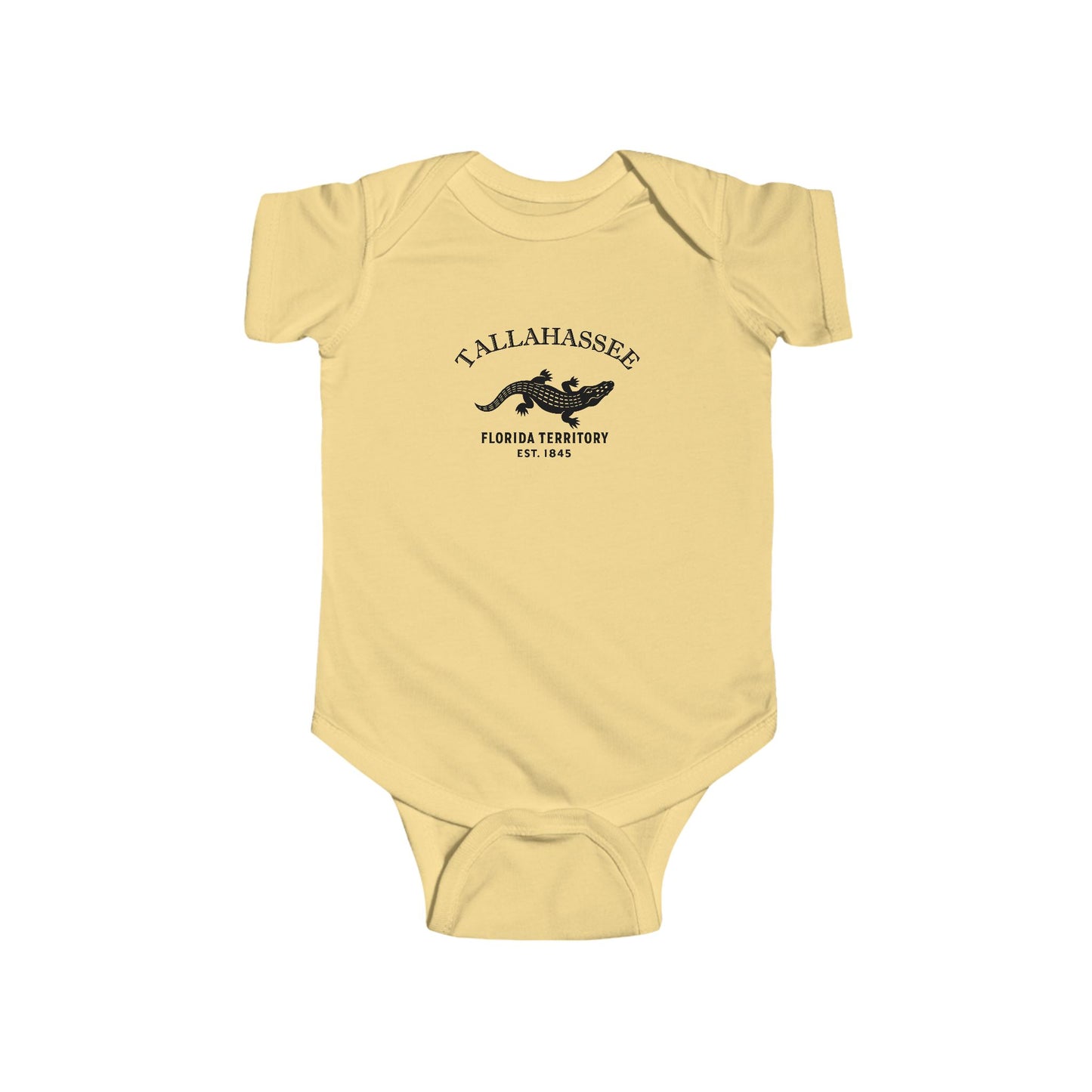
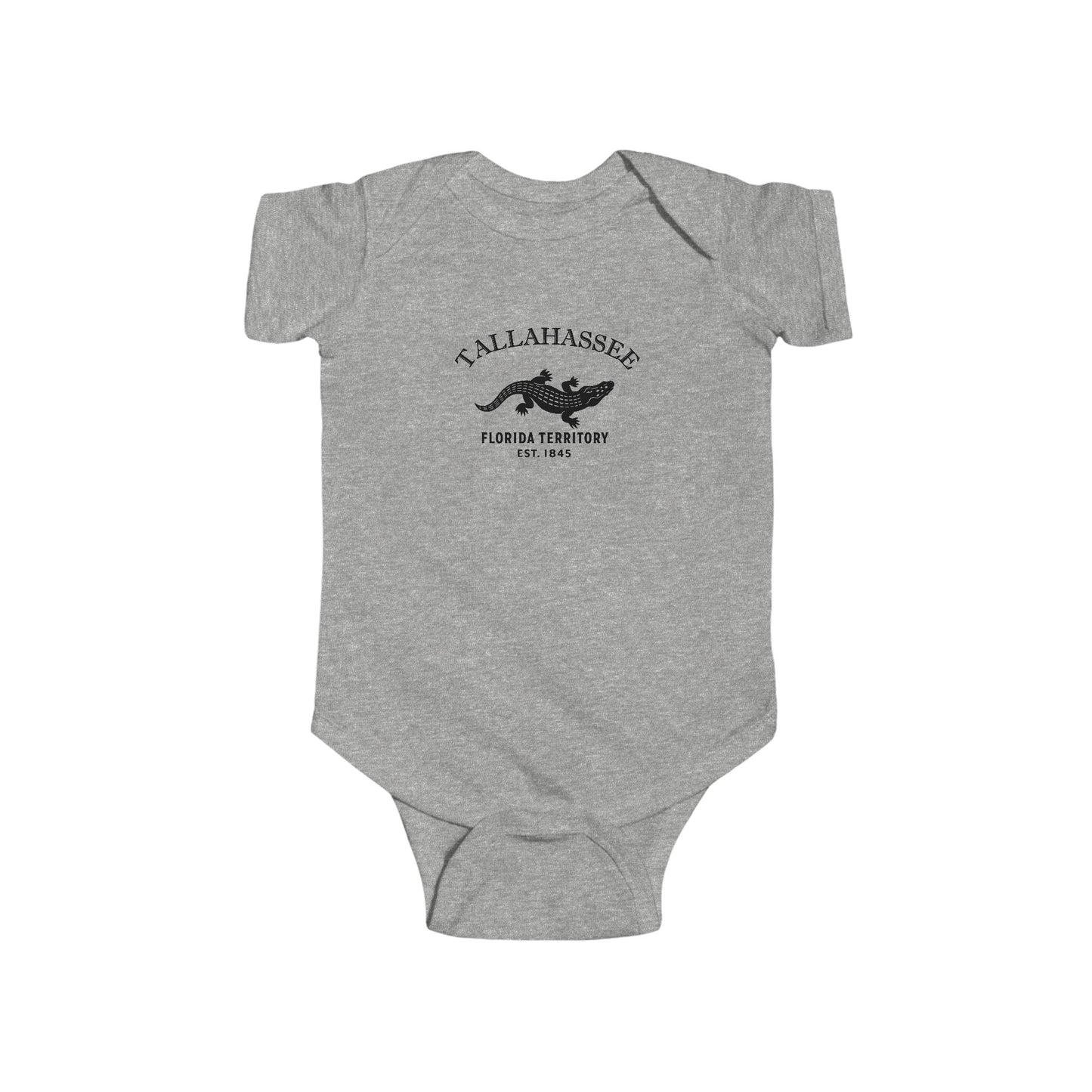
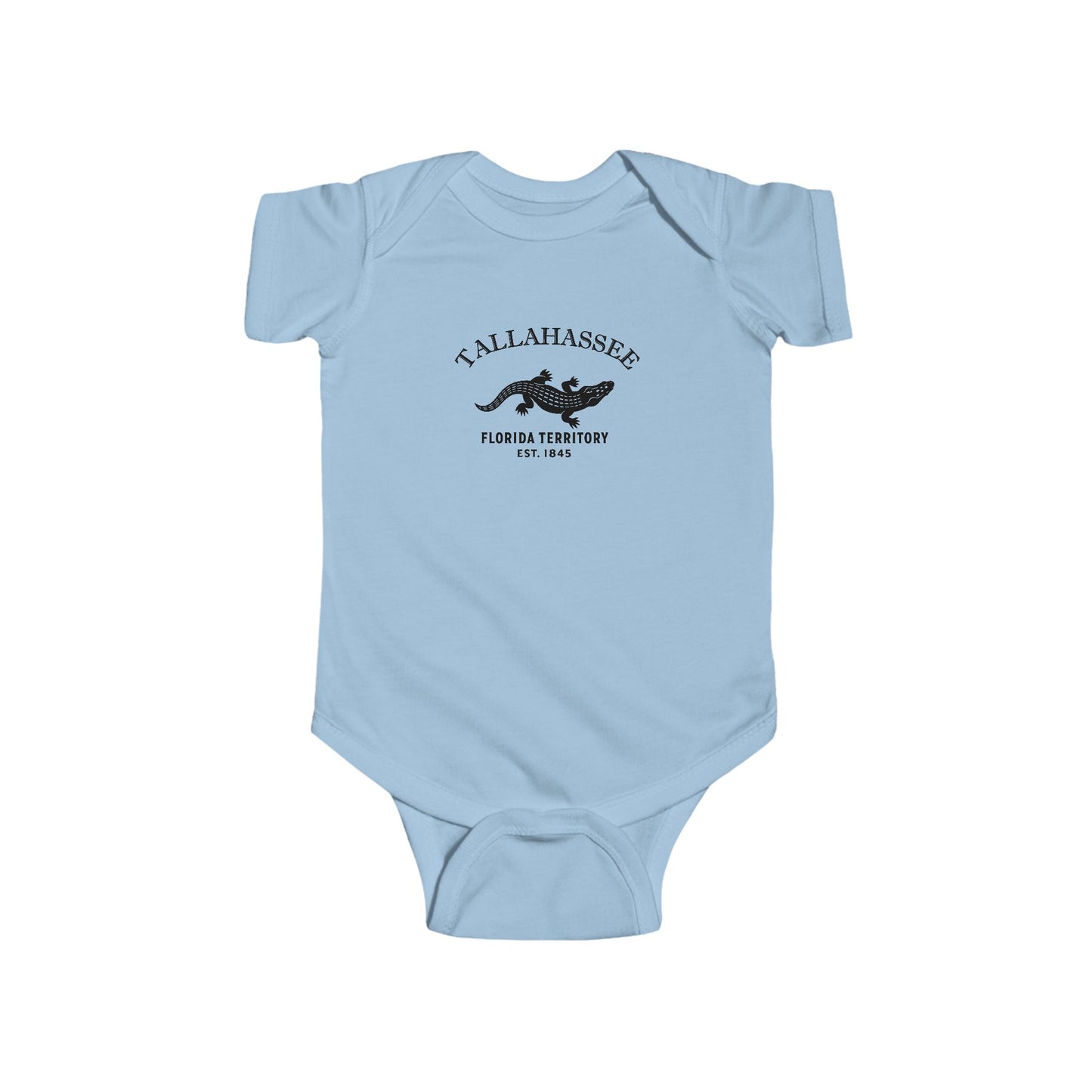
So Tallahassee gathers more history under its oaks than almost anywhere in Florida: an Apalachee old town, a Spanish mission rebuilt on its hill, a candy-striped capitol, and nine roads roofed in moss. Our Tallahassee designs gather that into wearable form. Wear the history. This is the capital under the canopy oaks.
Why People Visit Tallahassee
Tallahassee blends civic history with surprising green space. Visitors mix the capitol buildings and downtown museums with canopy-road drives, gardens, and easy urban trails. It is scholarly, calm, and quietly scenic, with year-round appeal in its parks, paths, and public spaces. This is Old Florida and the modern capital at once — history and everyday culture sitting side by side under the oaks in a welcoming way.
