


As whaling faded, the harbor found new work. The Coast Guard's officer school — afloat since 1876 — moved ashore to Fort Trumbull in 1910, was renamed the U.S. Coast Guard Academy in 1915, and in 1932 built its permanent campus on land New London citizens gave up the Thames. Since 1946 the academy's training barque Eagle has sailed from New London: a 295-foot square-rigger built in Germany in 1936 and taken as a war reparation, today the only active square-rigger in U.S. service. The city kept a literary fame, too — the playwright Eugene O'Neill spent his boyhood summers at the cottage on Pequot Avenue he later set on the stage, down to the moan of the harbor foghorn that runs all through Long Day's Journey Into Night.
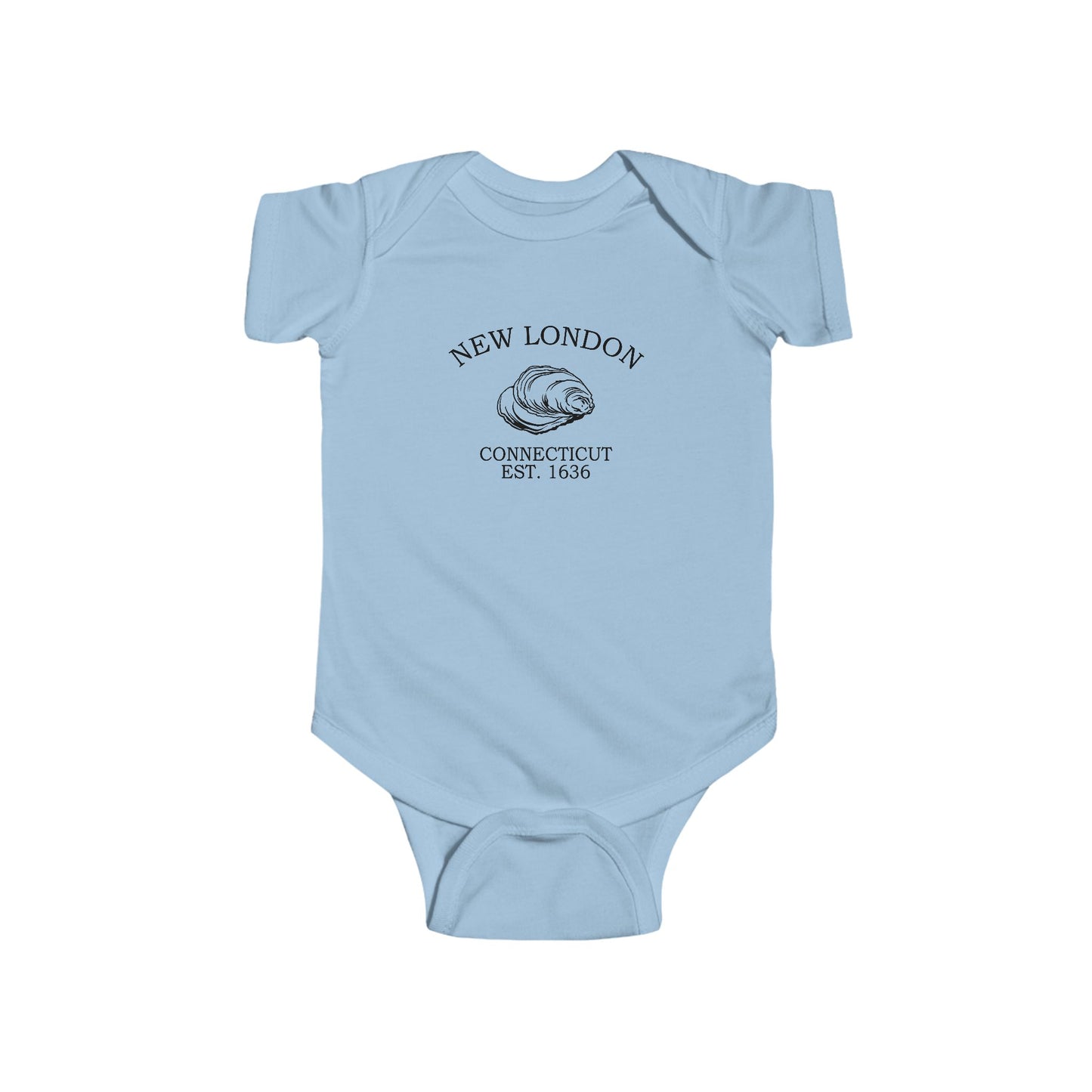
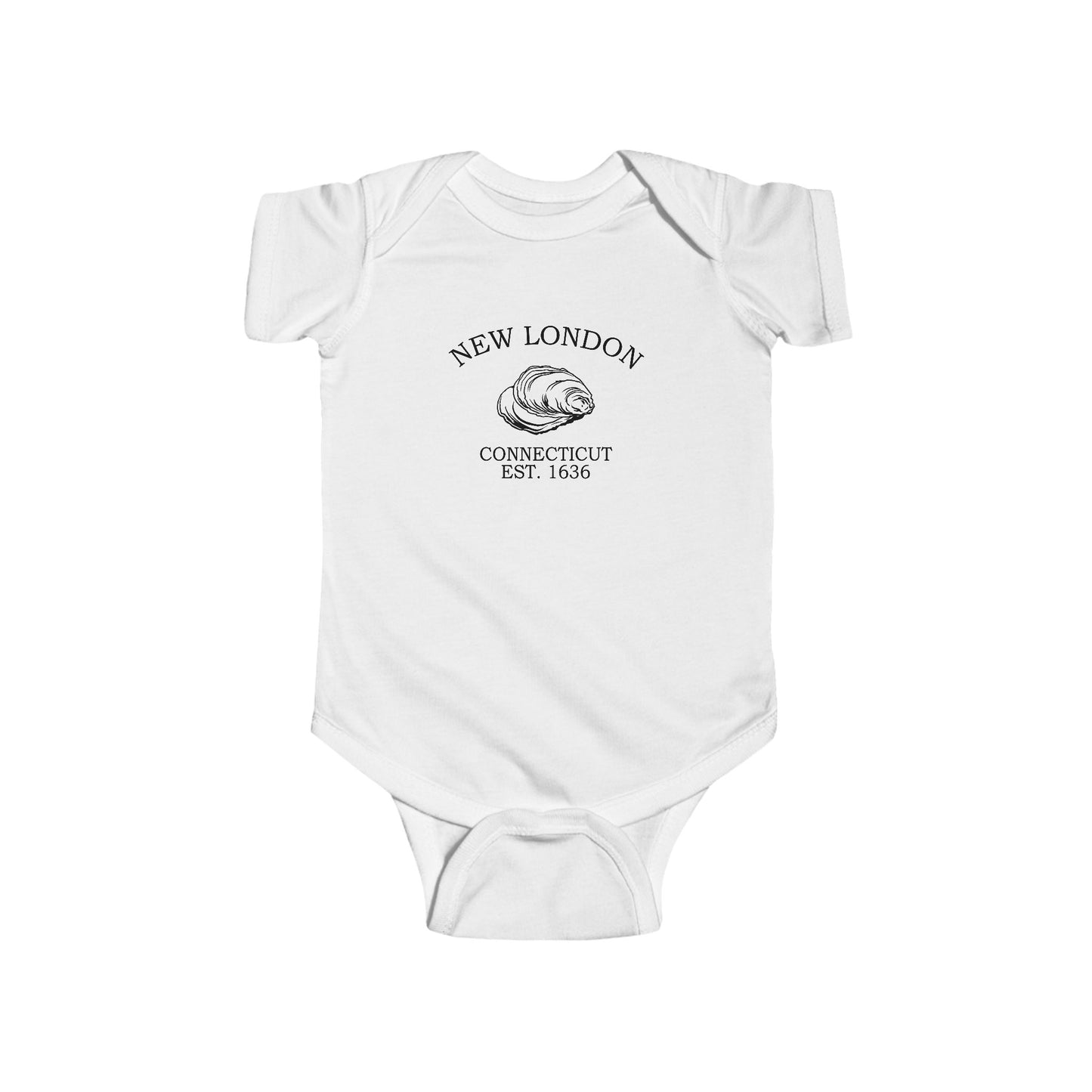
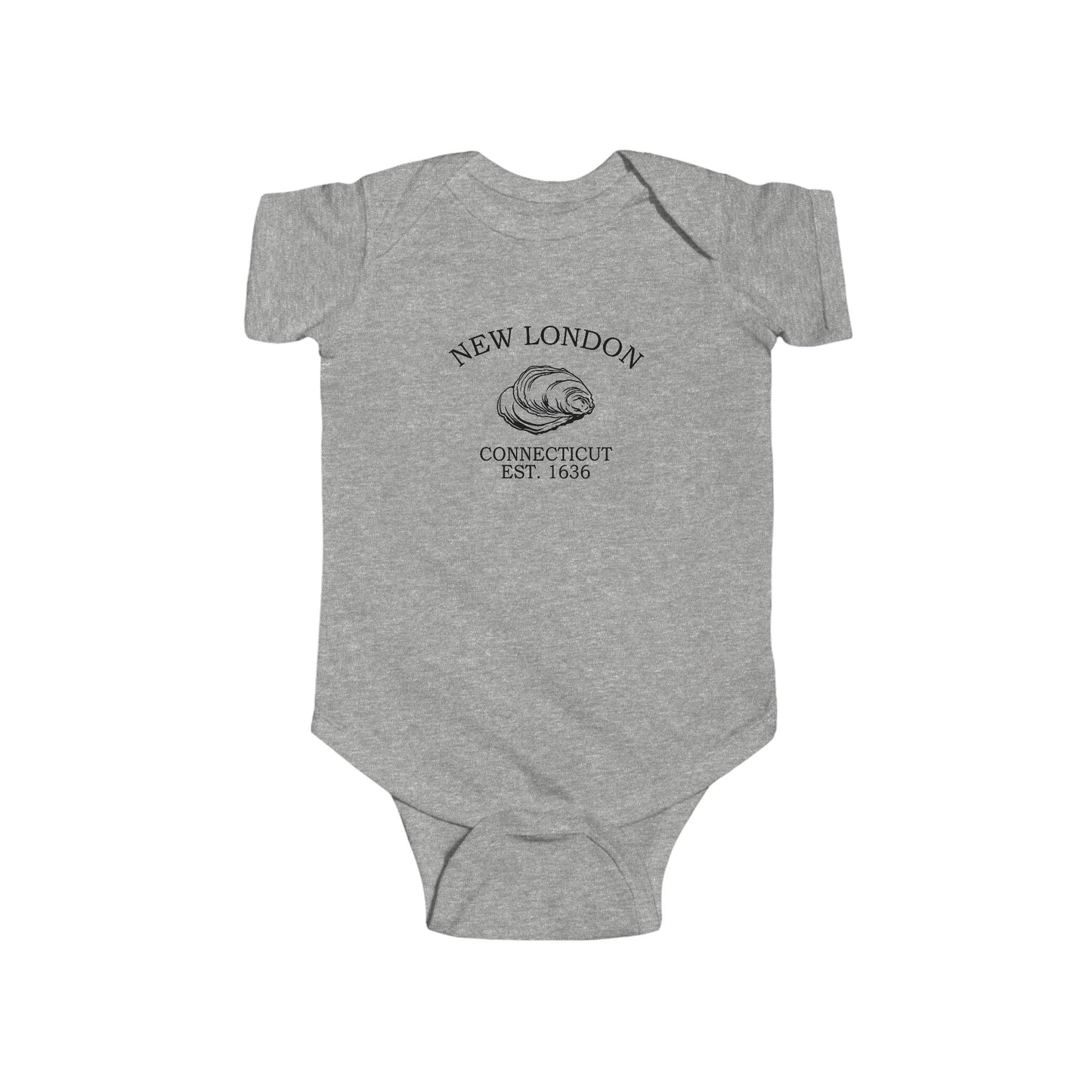
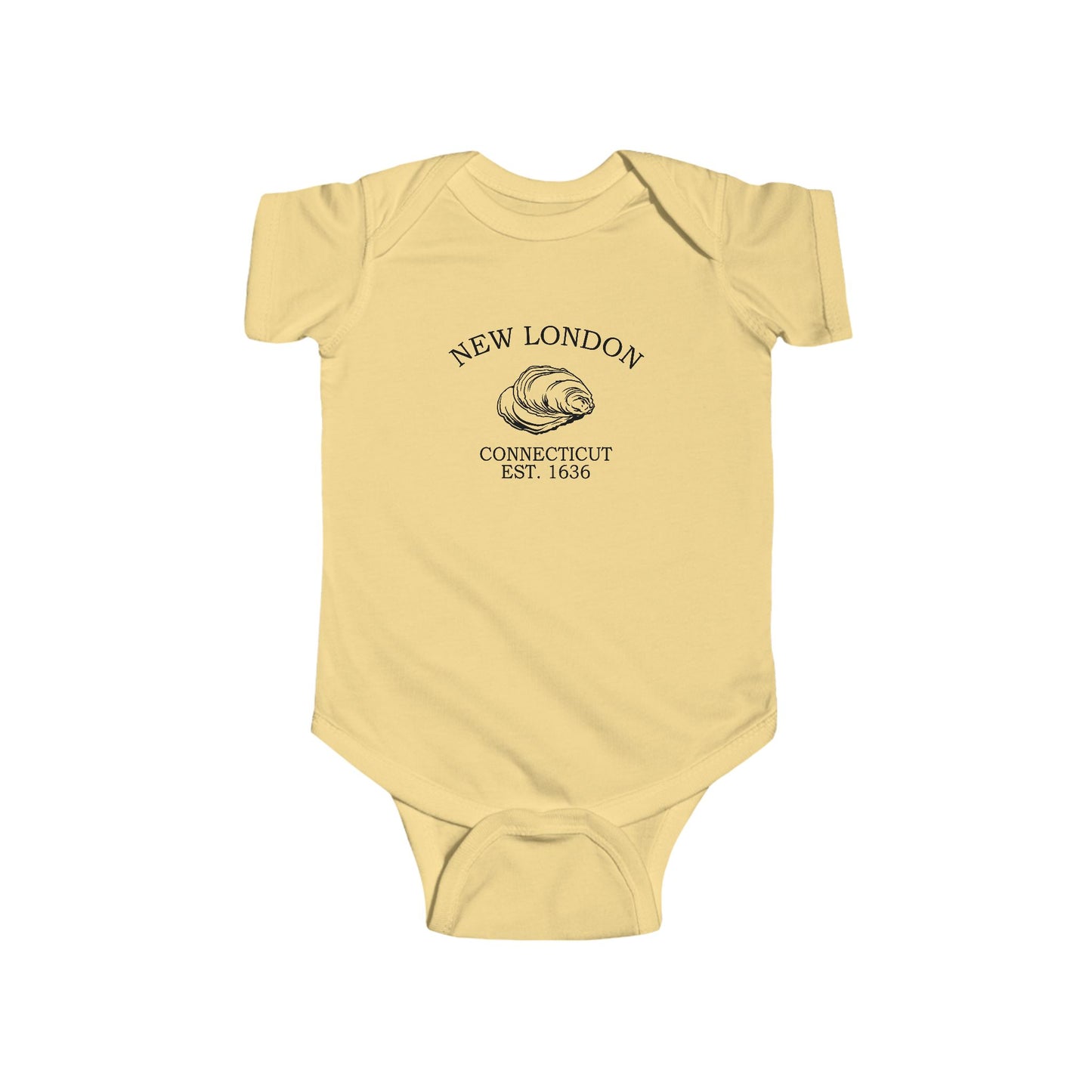
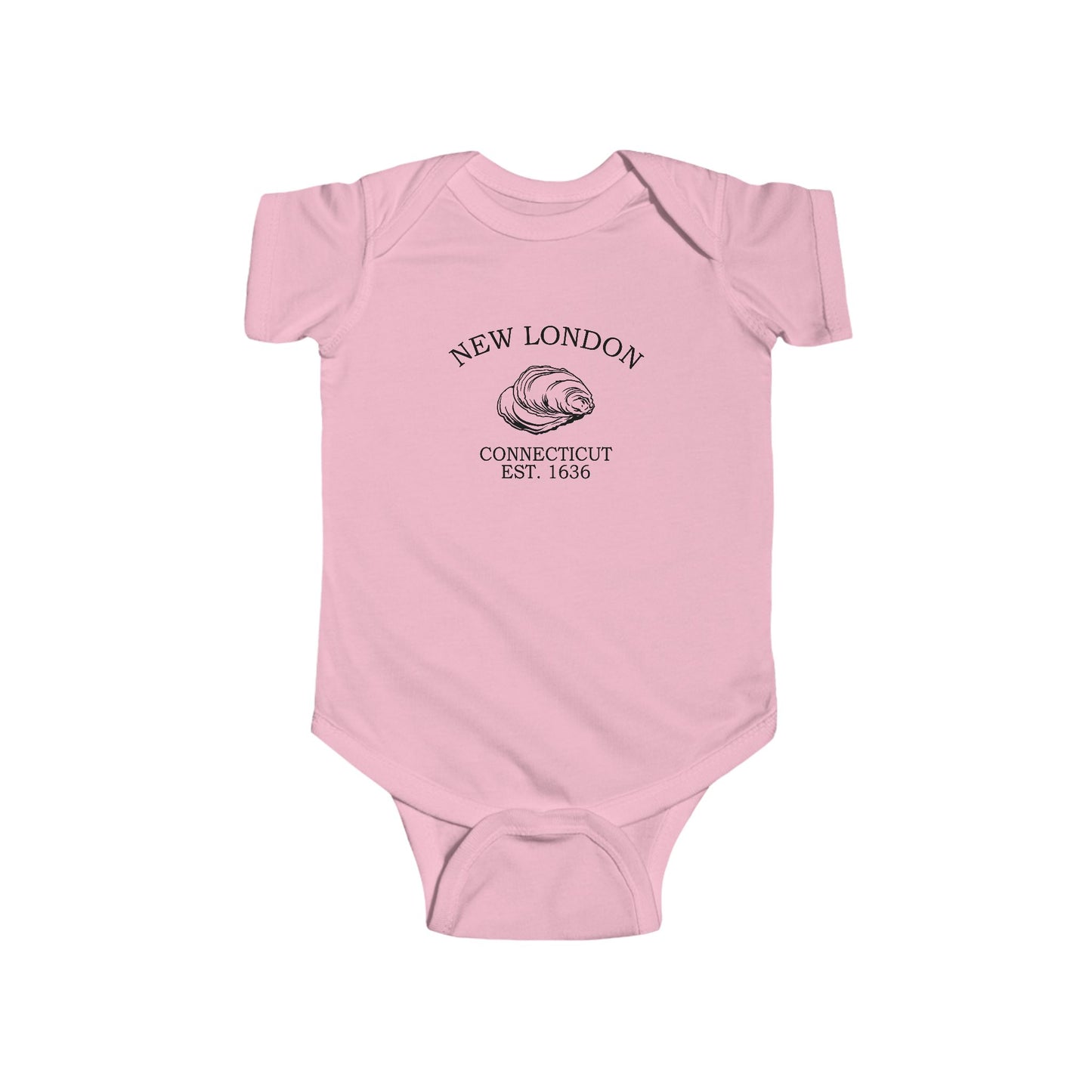
Our New London logo carries Connecticut's oyster shell over “1636” — the shared emblem of every Merlin Classics Connecticut town, marking the founding year of the Connecticut Colony. The oyster shell is the state's maritime shorthand: abundance, the shoreline, the working coast. Printed black-and-white with the worn look of an old oyster-crate label or a piece of coastal signage, it reads as vintage New England. What makes this one New London is the place behind it: the Whaling City, the Coast Guard Academy, the deep harbor on the Thames. On a tee or a cap it reads less like a souvenir and more like a piece of the Connecticut shoreline — worn plain.
Why People Visit New London Connecticut
- Visit the U.S. Coast Guard Academy and, when she's in port, the barque Eagle.
- Tour Fort Trumbull State Park, the granite fort with harbor views and coastal-defense exhibits.
- See New London Harbor Light — the oldest lighthouse in Connecticut — and the offshore New London Ledge Light.
- Walk Whale Oil Row and the historic downtown around Bank Street and the 1833 Custom House.
- Spend a summer day at Ocean Beach Park, or catch a show at the Garde Arts Center.
- Ride the Cross Sound Ferry across to Orient Point, or sail for Block Island.
