Skip to product information
1 of 5

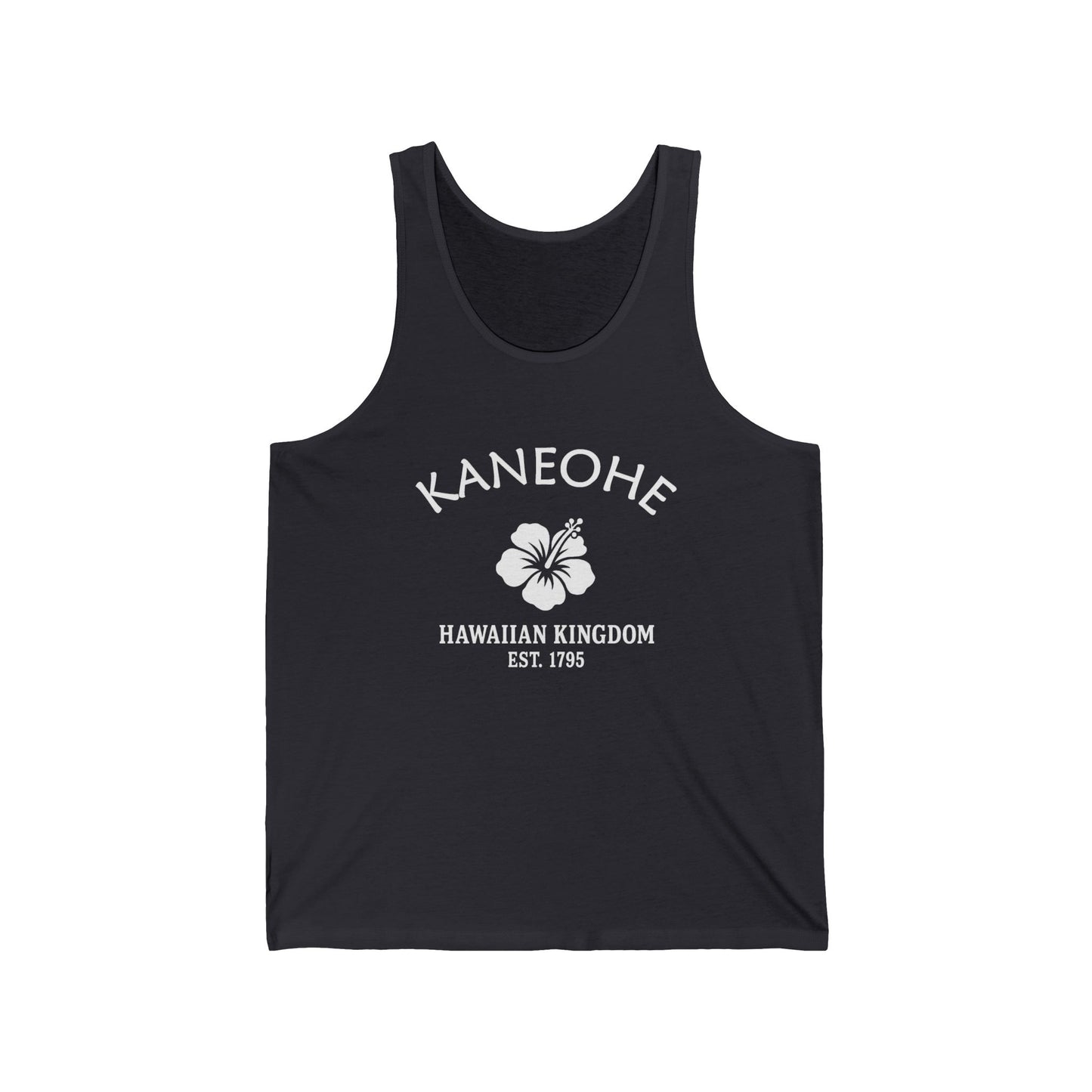
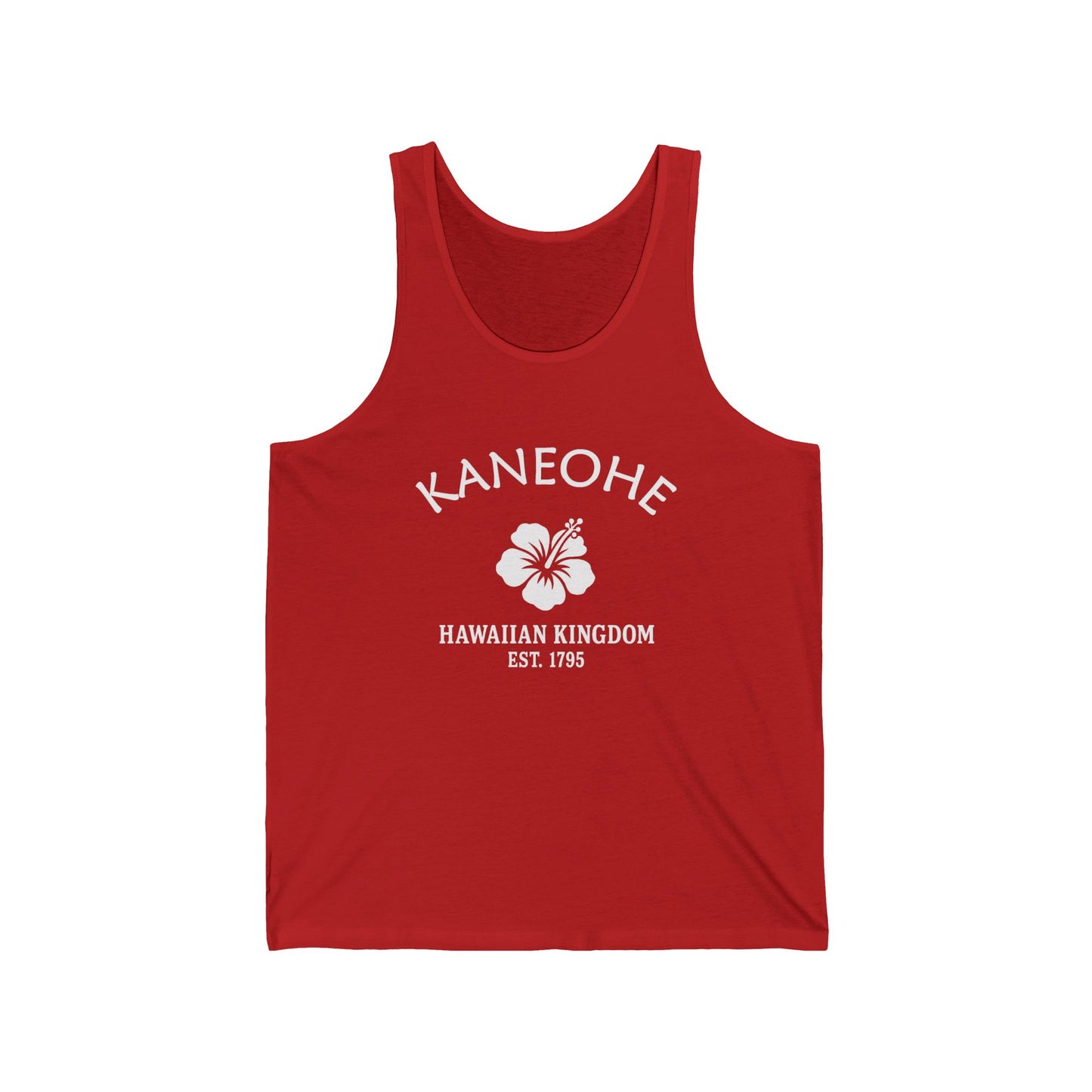
Kaneohe Hawaii Vintage Retro Unisex Cotton Jersey Tank Top - White Logo

Kaneohe Hawaii Vintage Retro Unisex Cotton Jersey Tank Top - White Logo

Regular price $28.00 USD
Regular price Sale price $28.00 USD
Sale
Free U.S. Shipping
Size
Color
Quantity


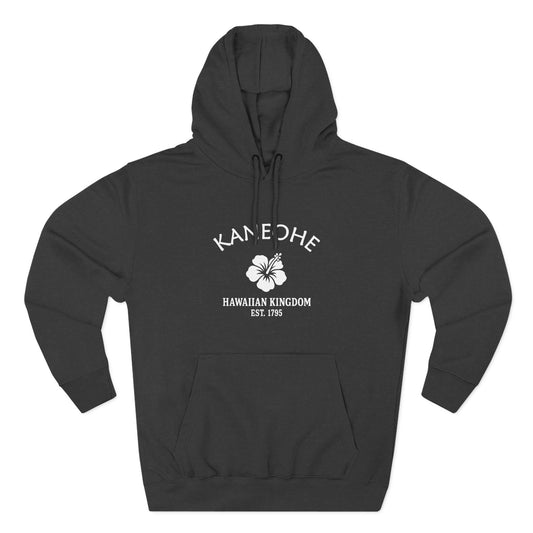
The Kāneʻohe tank, for the town that looks across Hawaiʻi’s only barrier-reef bay. Lightweight Airlume cotton jersey with the Kāneʻohe vintage retro logo on the chest in white, for the hottest months of the year.

The tank is the summer Kāneʻohe piece: light enough for the trail, the boat and the porch, cut in a retail unisex fit that runs true to size. Order it before the warm weather does the deciding for you.

This unisex jersey tank is made from lightweight Airlume combed and ring-spun cotton with a retail fit, side-seam construction, self-fabric binding, and a tear-away label. It runs true to size for adults. Solid colors are 100% cotton; select heather/prism shades may include cotton–poly or cotton–poly–rayon blends.

Kāneʻohe Bay, eight miles long and three wide, is a remnant of the ancient Koʻolau caldera, sheltered by one of only two barrier reefs in the Hawaiian Islands and the only one on Oʻahu. The ahupuaʻa of Koʻolaupoko was a major Native Hawaiian district for centuries, and windward Oʻahu’s largest town grew up against the pleated green cliffs of the Koʻolau Range.

Boats anchor on the submerged sandbar of Ahu o Laka in the middle of the bay, the Mokapu Peninsula became a military reservation in 1918, and the 1968 Byodo-In Temple in the Valley of the Temples, a replica of the 950-year-old temple at Uji, was built to mark a century of Japanese immigration. The windward side is the mark on this piece.


QUICK FACTS — KĀNEʻOHE HI COTTON JERSEY TANK

Town: Kāneʻohe, Hawaiʻi

Founded: Settlement centuries pre-contact; base 1918

Known for: Kāneʻohe Bay and Hawaiʻi’s only barrier reef on Oʻahu; the Kāneʻohe Sandbar; the Koʻolau cliffs; the Byodo-In Temple (1968)

Art: Kāneʻohe vintage retro logo, white (printed)

Blank: Unisex jersey tank, retail fit, side-seamed, self-fabric binding

Fabric: Airlume combed and ring-spun cotton; solids 100% cotton, heather/prism shades blended

Label: Tear-away

Sizes: S, M, L, XL, 2XL

Made to order in the USA


Made to order and shipped free in the U.S. More Kāneʻohe pieces, and the rest of Hawaii, are one button away.


View full details

Wear Local. Feed Local. Stay Classic.

Product FAQs

How does your sizing work?

Every item is made to order, so please check the size chart on this page before you buy. Women's fitted tees run small; size up for a looser fit. Caps are one size with an adjustable strap.

How are items made and when will they arrive?

We make each item to order using premium blanks, embroidery and soft-hand prints. Production takes 2-5 business days (weekends and holidays excluded), then 4-10 days in transit via USPS, UPS or FedEx to U.S. addresses; most orders arrive within 6-15 business days. You'll get a tracking link the moment it ships. Any current shipping offer is shown in the bar at the top of every page and applies automatically at checkout, no code needed.

How do I send a gift?

Enter the recipient's address as the shipping address and your own as the billing address at checkout. Nothing ships with a price; the package includes a plain packing slip. Tracking goes to your email, not theirs. For birthdays and holidays, order two weeks ahead to be safe.

What's the return policy?

Made-to-order items can't be returned or exchanged for size or color, so please use the size chart and photos before ordering. If anything arrives defective, misprinted or damaged, send a photo and your order number within 30 days and we'll replace it or refund you.

How do I care for my item?

Apparel: wash cold, inside out, with like colors; no bleach; tumble dry low or hang dry. Embroidered pieces: iron inside out to protect the stitching. Caps: spot clean. Printed glasses and water bottles: hand wash only, no dishwasher, so the artwork lasts. Mugs and engraved glasses are dishwasher safe. Any item-specific care notes are in the description above.

Who makes this?

Merlin Classics is a small Connecticut brand making original retro designs for the towns people love. Every piece is printed, embroidered or engraved to order in the USA, and the business supports hunger relief in the communities our collections celebrate.

Kāneʻohe's stories include legends of chiefs who cultivated taro fields and spirits guarding valleys. Families recall mid-century memories of parades, hula festivals, and community fairs where Hawaiian traditions thrived. Residents remember neighborhood gatherings, fishing trips at Heʻeia Pier, and afternoons on Kāneʻohe Bay. These tales reflect Kāneʻohe's dual heritage: Indigenous pride and suburban life. Myths and facts alike illustrate a town where cultural strength shaped community identity, ensuring Hawaiian values endured despite growth and modern development pressing in from Honolulu.

Kāneʻohe remained primarily agricultural into the twentieth century. Sugar and pineapple plantations shaped its economy, alongside taro and fishing. The 1950s and 1960s brought suburban growth as highways connected Kāneʻohe to Honolulu — the Likelike Highway through the Wilson Tunnel, and eventually Interstate H-3 through the Tetsuo Harano Tunnels in 1997. Families built neighborhoods, while traditions remained strong in churches, hula, and festivals. Tourism stayed limited compared to Waikīkī, leaving Kāneʻohe more residential. Its timeline reflects Hawaiʻi's story of resilience: traditional practices carried forward amid modern expansion, with heritage and modern life tied together in mid-century decades.

Why People Visit Kāneʻohe Hawaiʻi

Kāneʻohe offers windward Oʻahu's most distinctive water destination at the Kāneʻohe Sandbar (Ahu o Laka), the only barrier-reef-protected bay on Oʻahu, the 1968 Byōdō-In Temple at Valley of the Temples as a windward-side cultural landmark commemorating the centennial of the first Japanese immigrants to Hawaiʻi, the 400-acre Hoʻomaluhia Botanical Garden, the green pleated cliffs of the Koʻolau Range as the dramatic backdrop of the town, the December 7, 1941 historical landscape of Mokapu Peninsula and NAS Kāneʻohe Bay as the first U.S. position struck in the Pacific Theater, the active Heʻeia Fishpond restoration as living Native Hawaiian cultural heritage, and the long Kāneʻohe ahupuaʻa heritage of the Koʻolaupoko district that has carried these shores for centuries. It is the windward side — the side the rain reaches first, and the side that remembers.

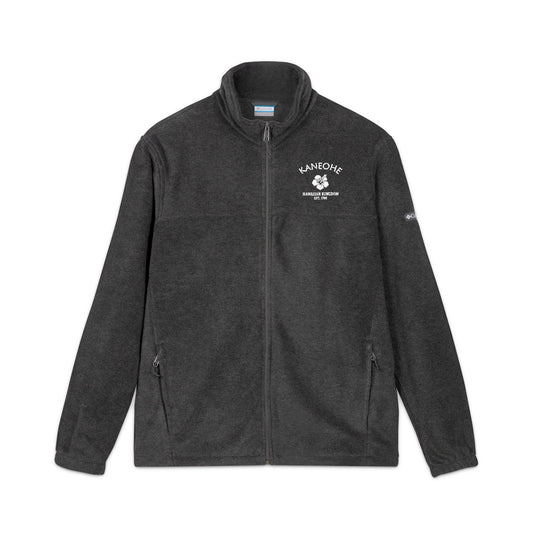
Kāneʻohe Hawaiʻi Merlin Classics retro vintage logo featuring Hawaiian hibiscus motif with 1795 Kamehameha unification date