If Flagler built the resort, Addison Mizner gave it a face. The architect arrived around 1918 and, with his patron Paris Singer, designed the Everglades Club — and with it invented the look that still defines the island: Mediterranean Revival, all red barrel-tile roofs, stucco walls, arched loggias, and shaded courtyards, as if a corner of the Italian and Spanish coast had washed up in Florida. The style spread from the club down the shopping street and across the estate row, and ‘the Palm Beach look’ became a national shorthand for warm-weather glamour. It is the reason the island still feels like a stage set for the 1920s.
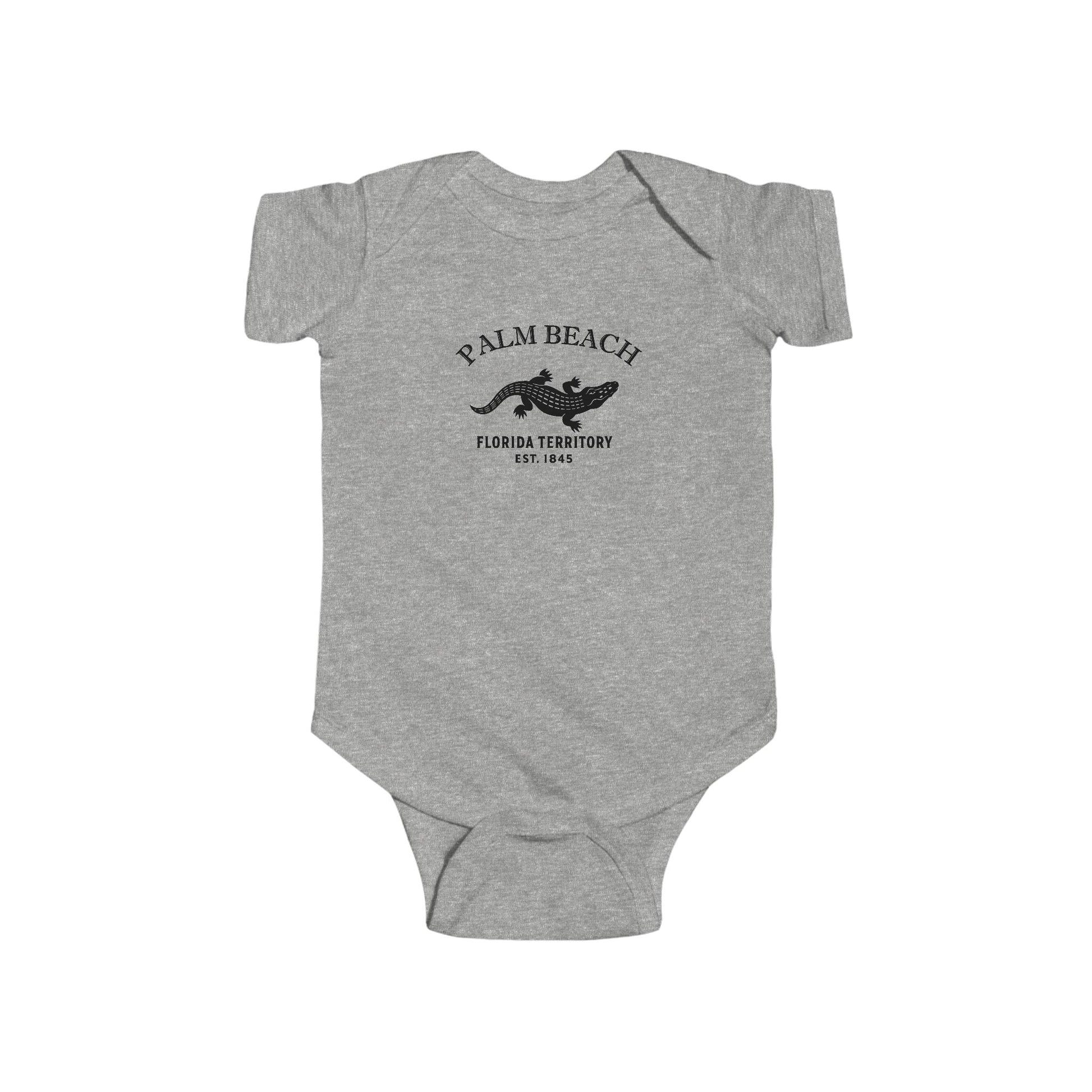
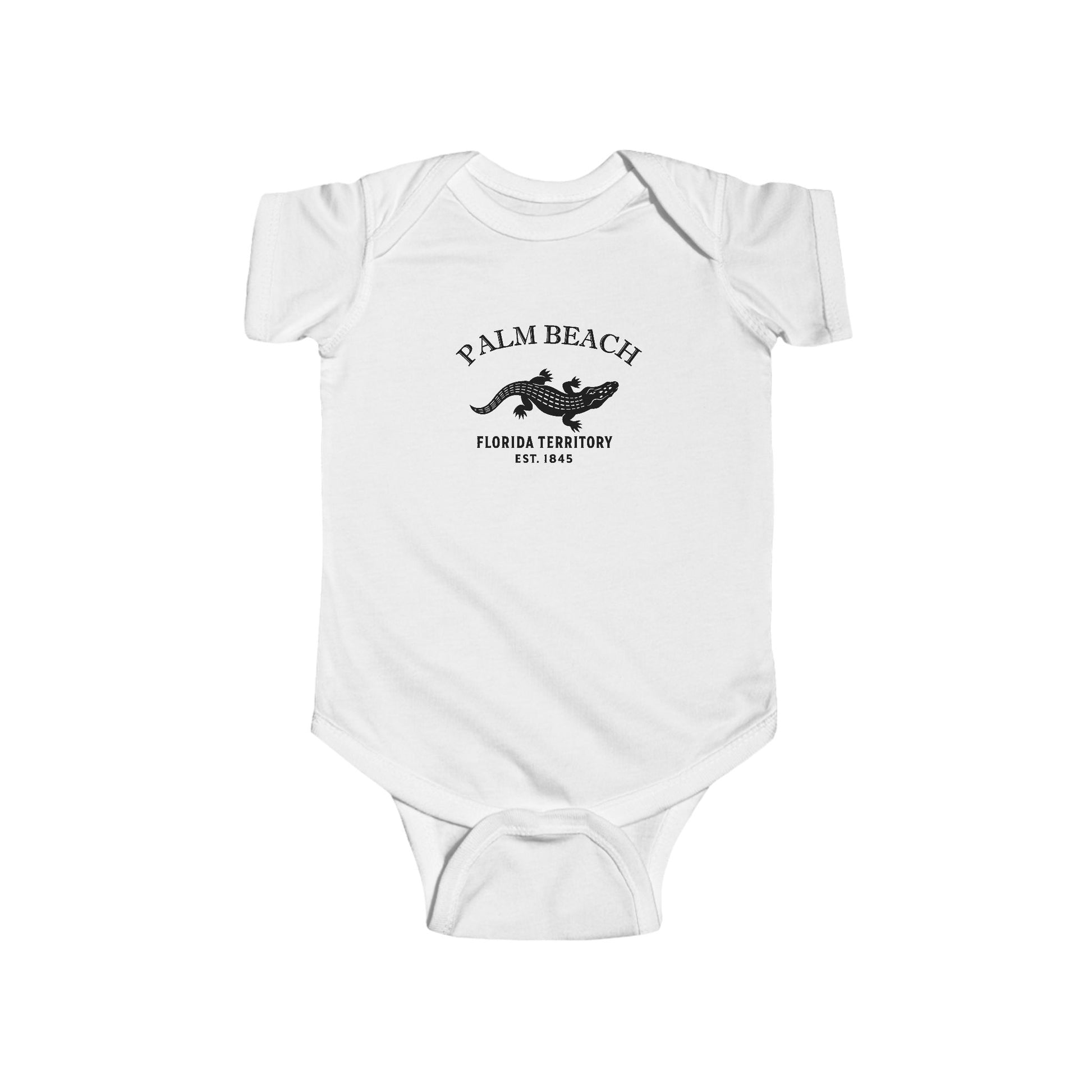
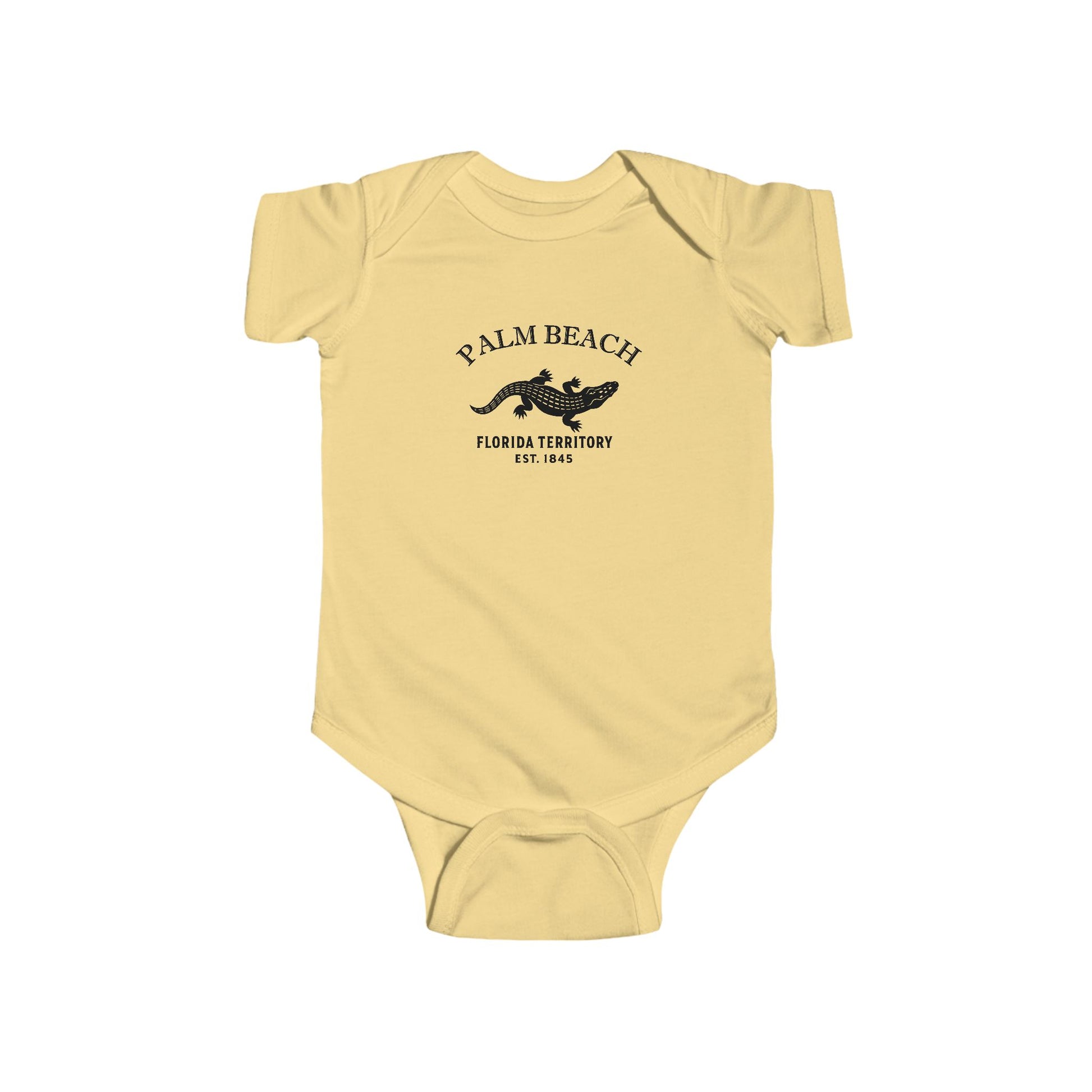
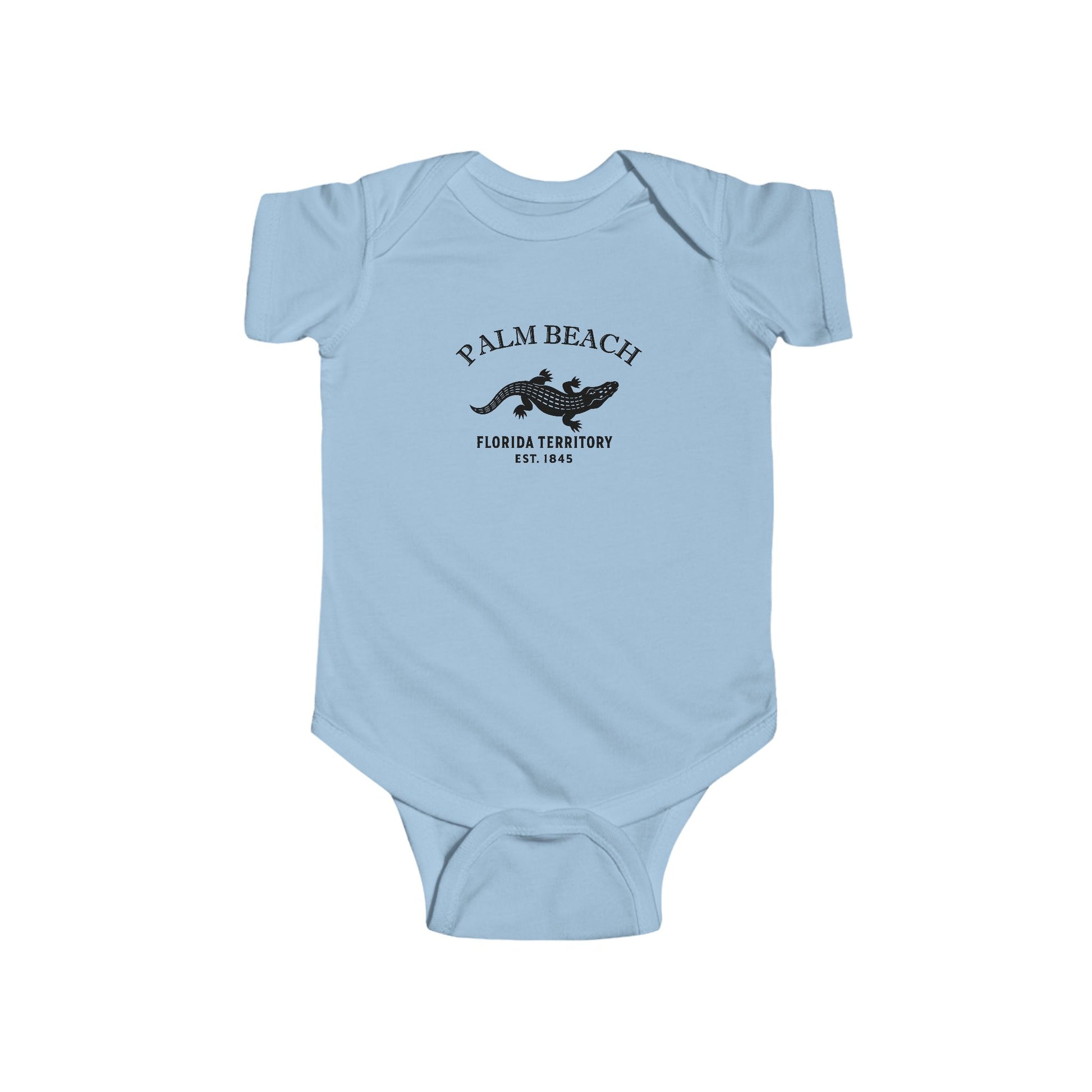
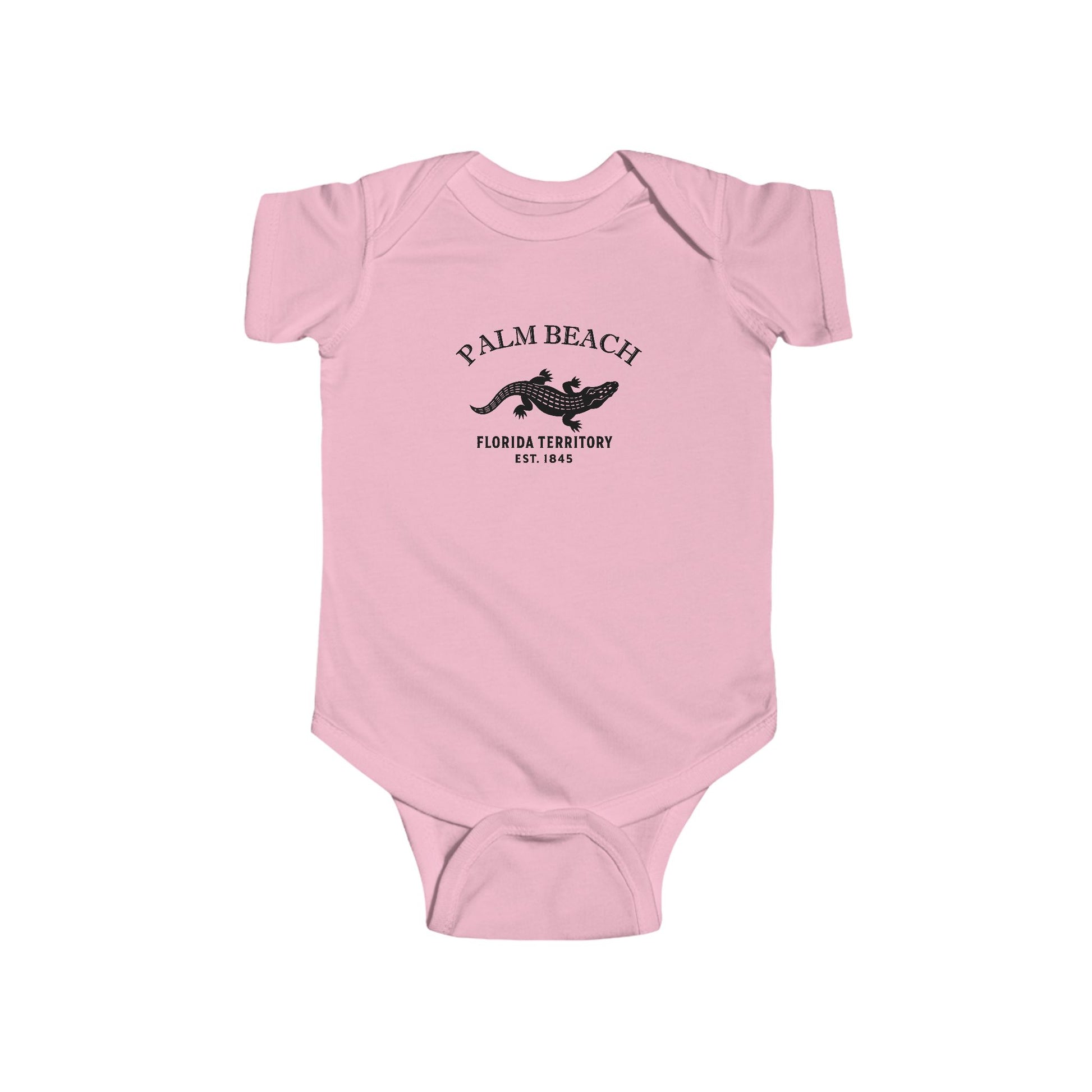
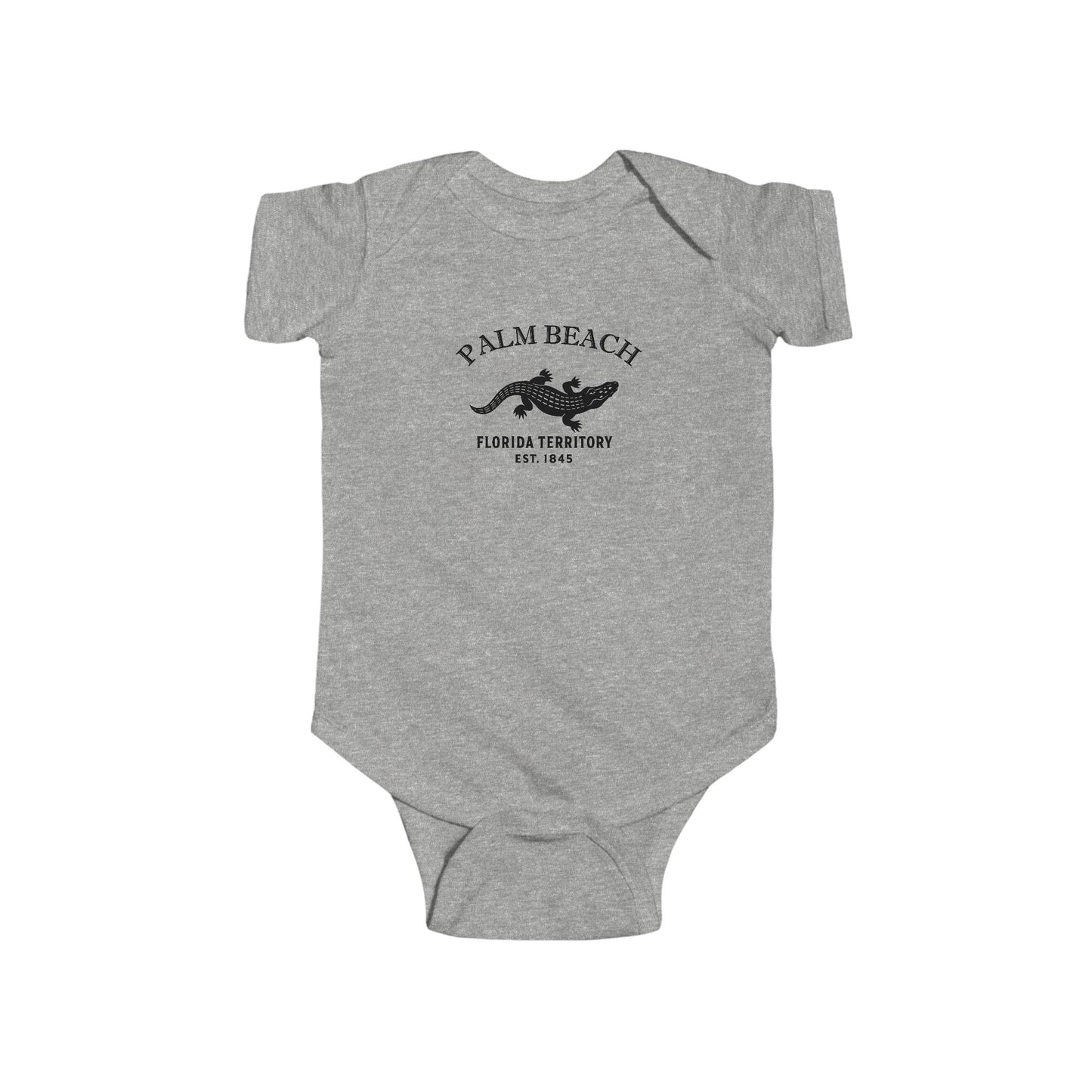
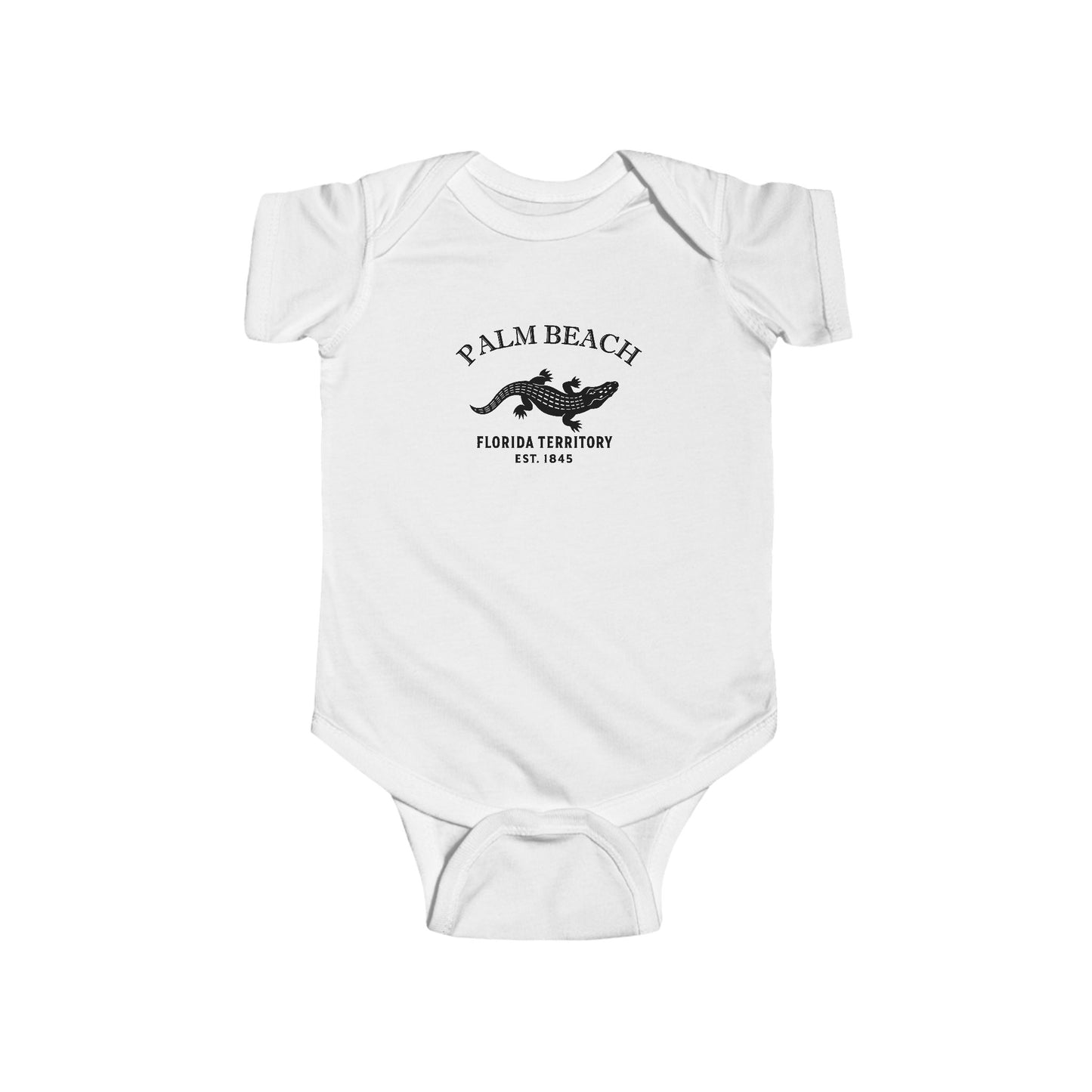
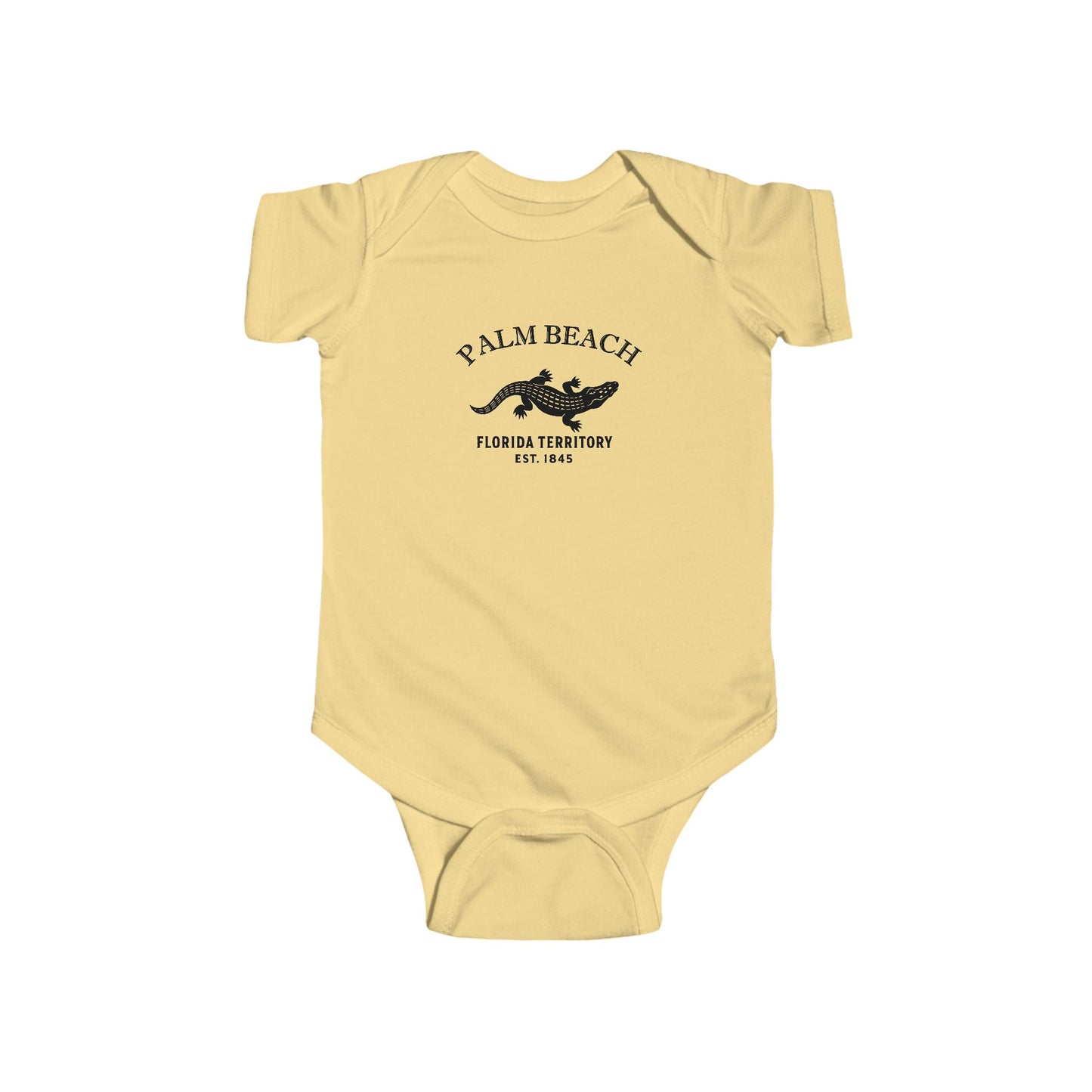
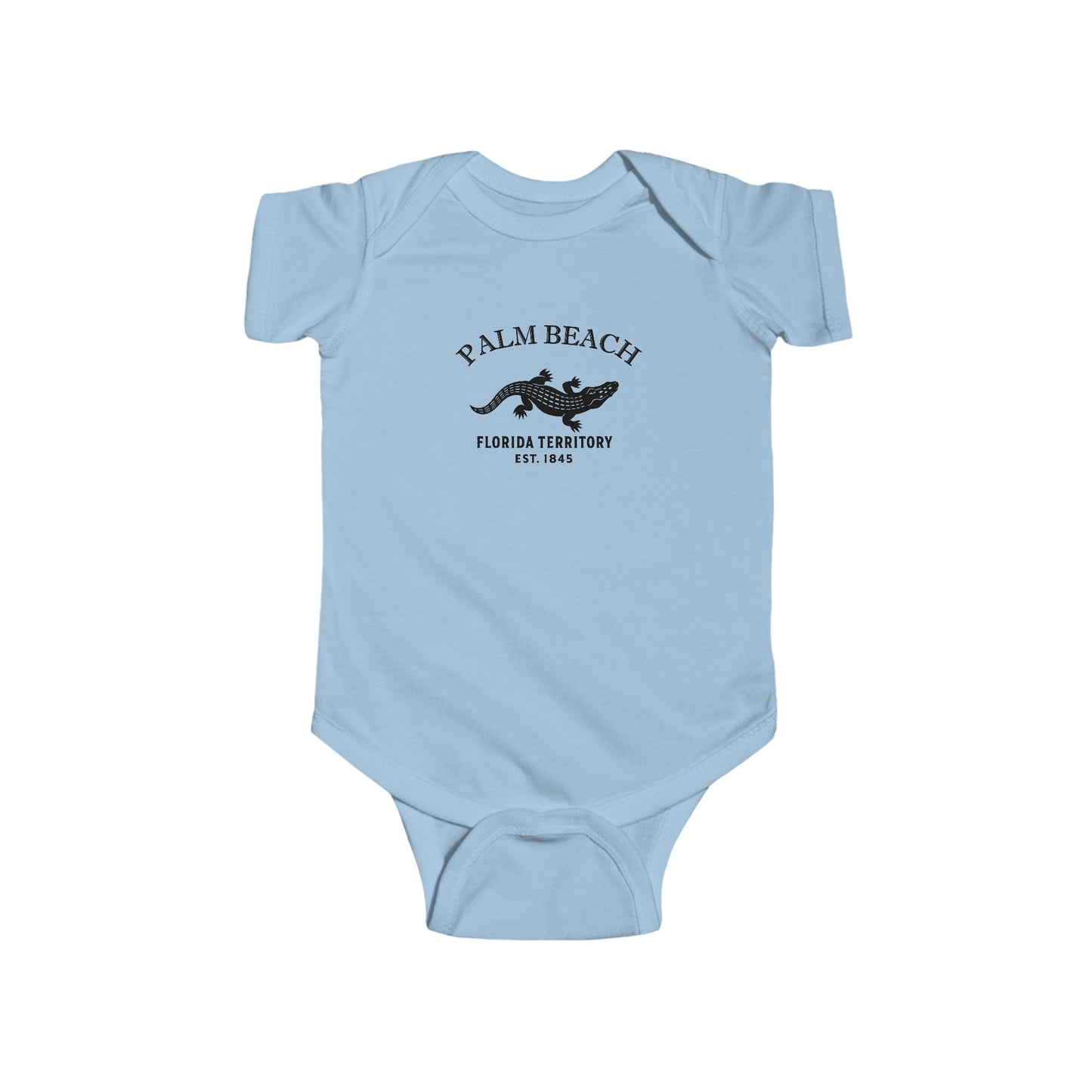
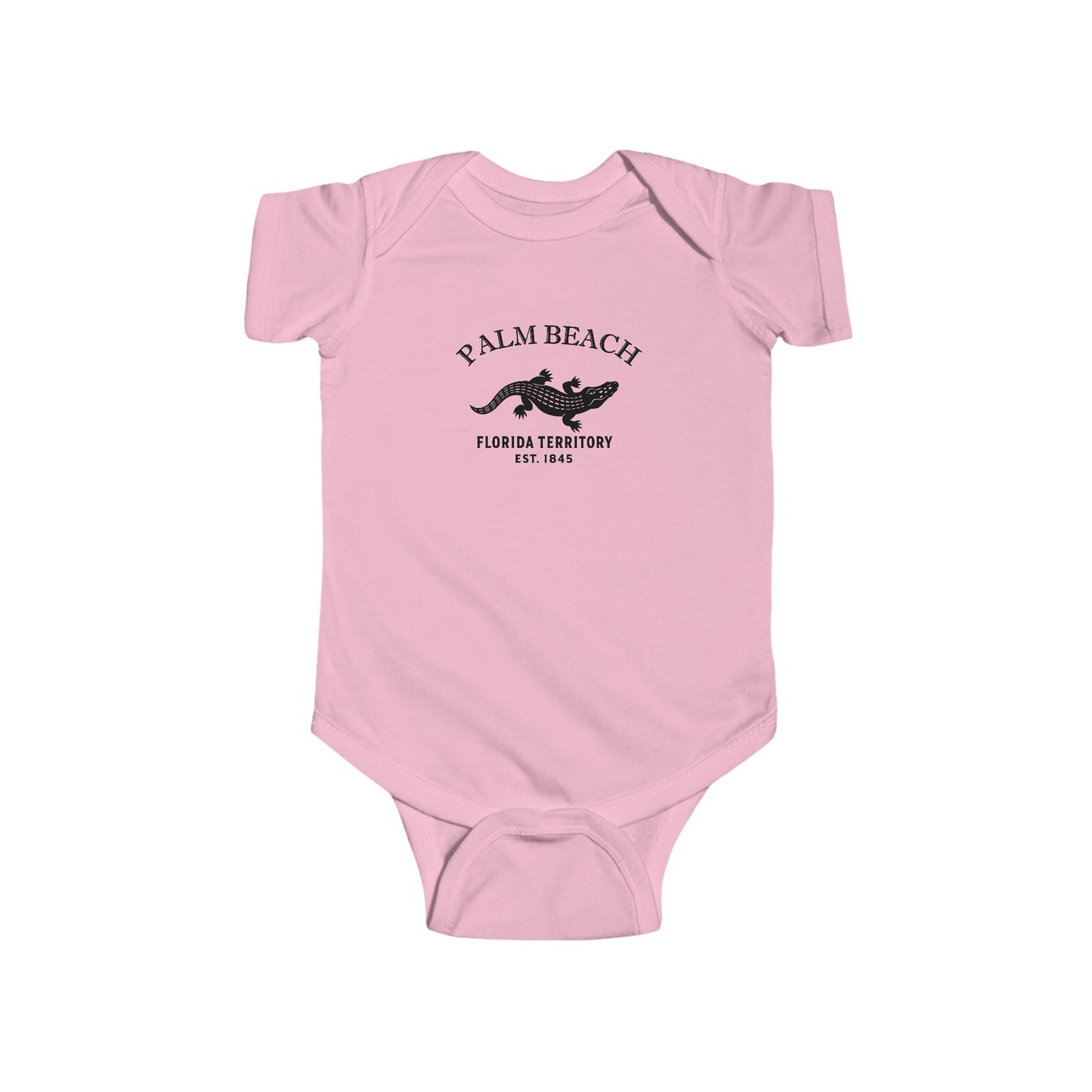
Our Palm Beach logo carries Florida's alligator above ‘Florida — Est. 1845,’ the shared retro emblem of our Florida towns. The alligator is the state's wild signature and 1845 marks Florida statehood; the emblem is the through-line that links Palm Beach to every other Florida town we make. There is a pleasing contrast in it here — the untamed Florida gator stamped over an island built on imported palms and imported elegance, rendered in the black-and-white of an old crate label. What makes this one Palm Beach is the Gilded Age glamour behind the gator: red-tile roofs, ocean light, and a hundred winters of the season.
Why People Visit Palm Beach
Palm Beach offers refined culture beside an easy ocean shoreline. Visitors pair the Flagler and Mizner heritage with museum galleries, gardens, and a quiet bike path along the water. It is polished, historic, and relaxed in pace, with year-round appeal in its parks, paths, and public spaces. The vintage Gilded Age glamour is evergreen, drawing architecture lovers and vintage-resort enthusiasts from well beyond the small island, and history and everyday island life sit side by side here in a welcoming way.
