


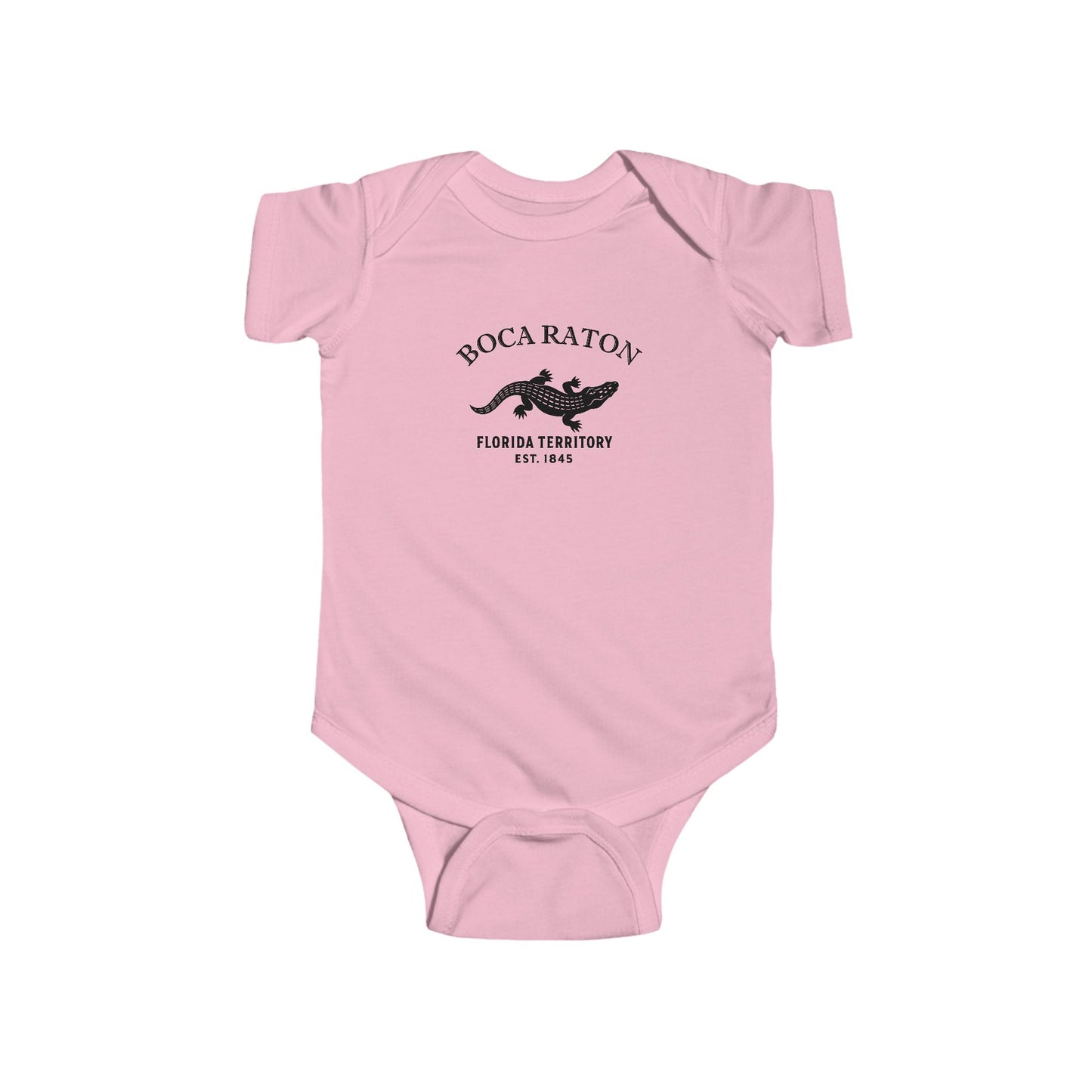
The name came long before the architect. Spanish charts called the inlet here Boca de Ratones — often mistranslated as 'rat's mouth,' but really a sailor's term for an inlet studded with hidden rocks that frayed anchor ropes. Long before that, the Glades culture, ancestors and kin of the Tequesta, lived along this coast and the Intracoastal lagoon for thousands of years. Through the Spanish and British colonial eras and into Florida statehood in 1845, the place stayed wild and thinly settled — a stretch of subtropical coast waiting for a town.
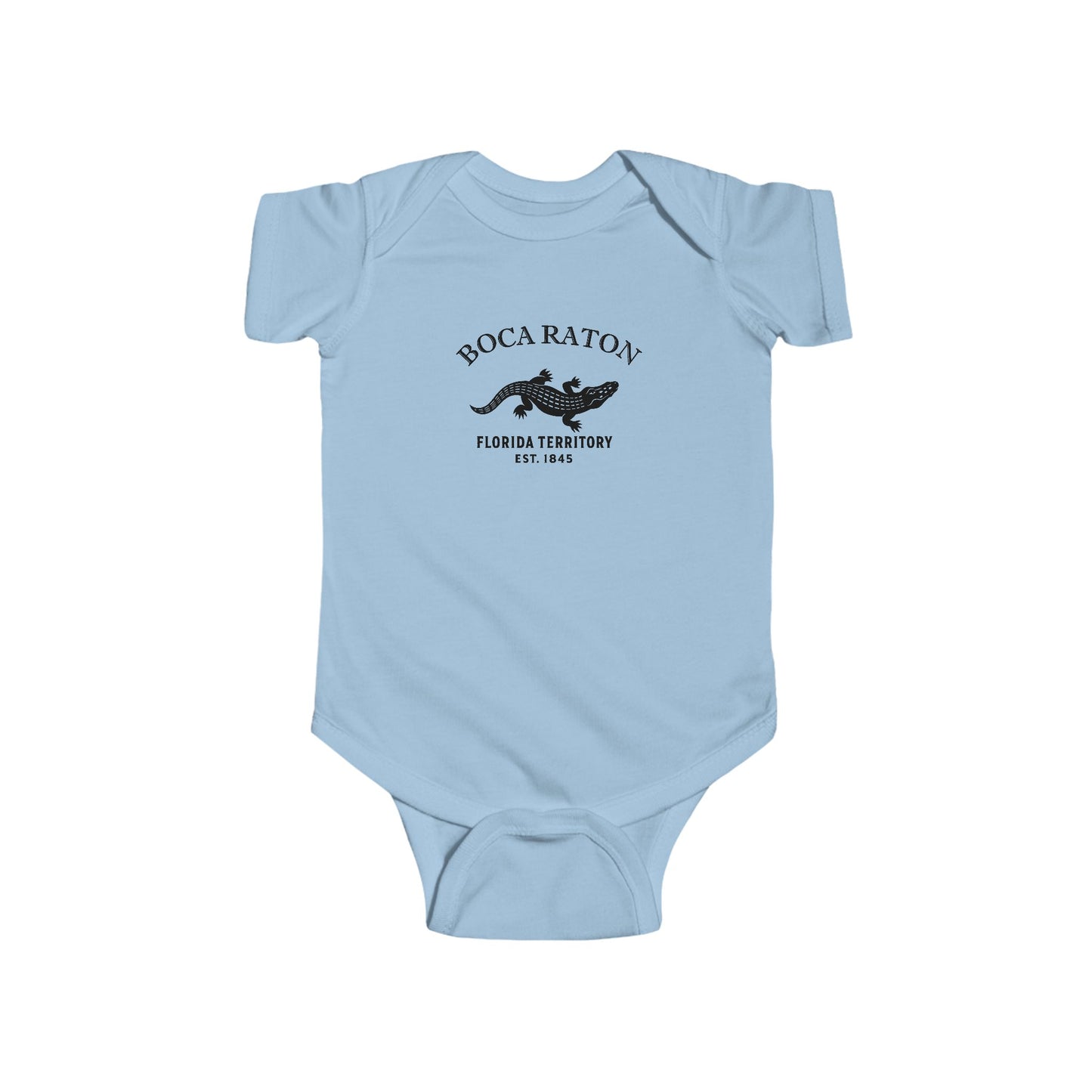
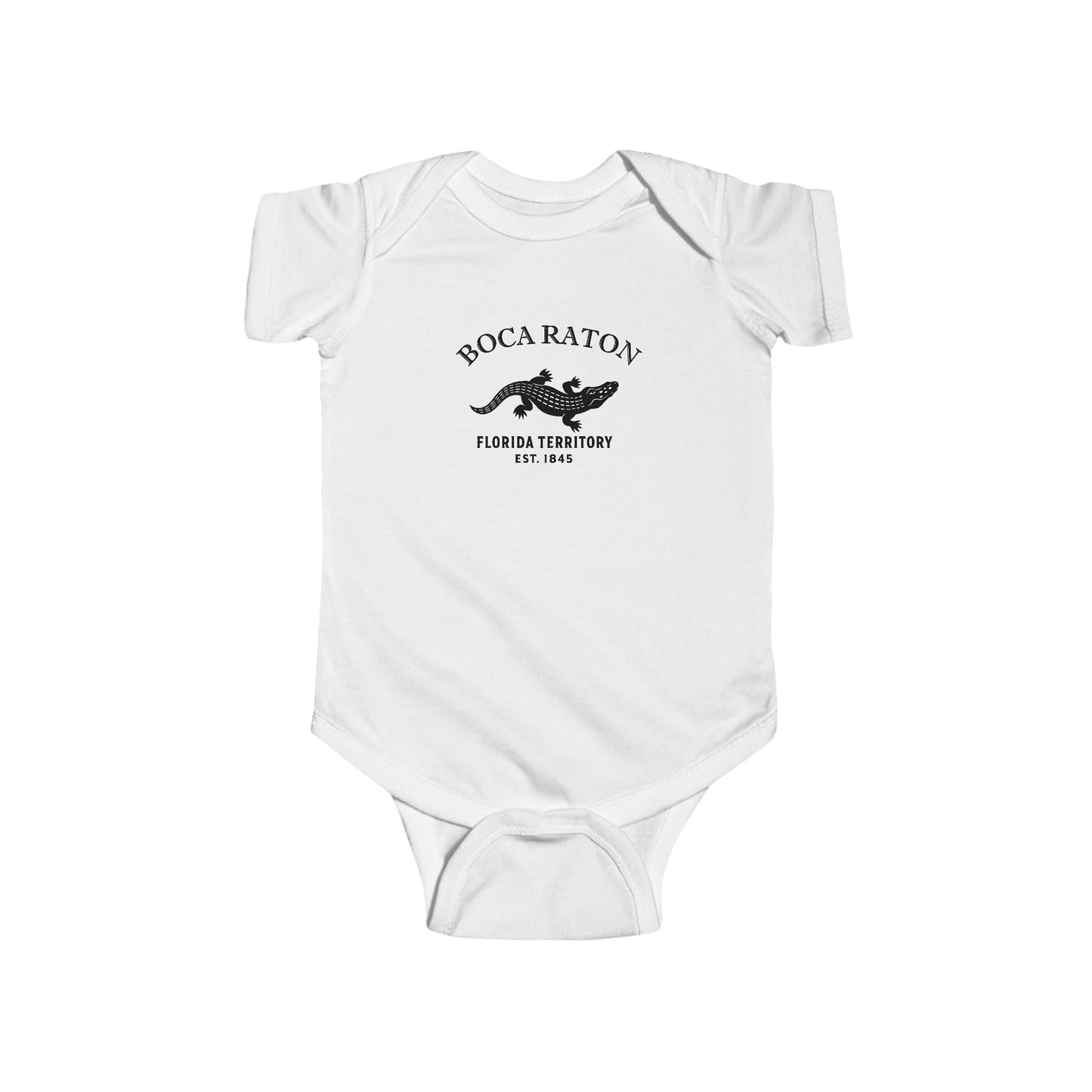
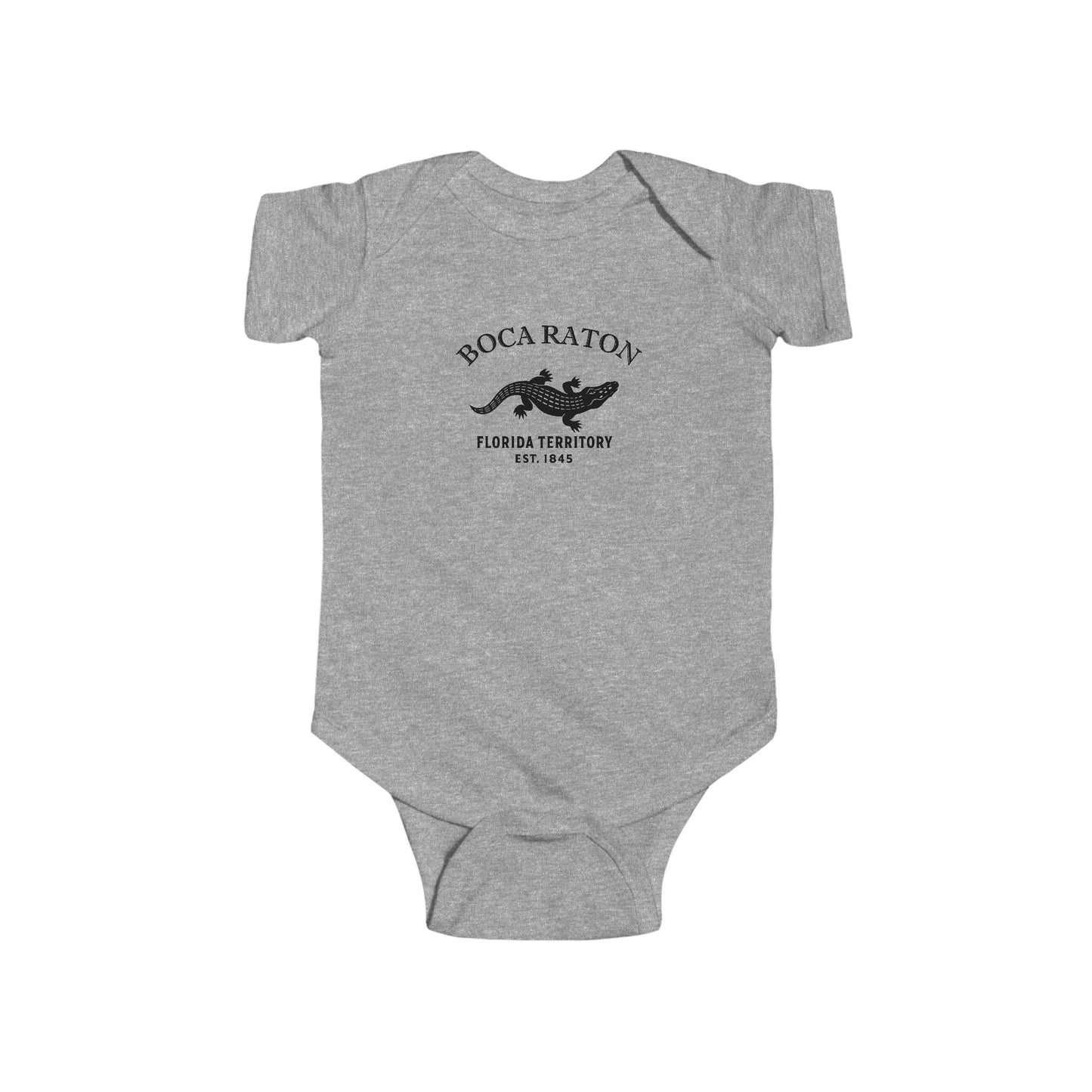
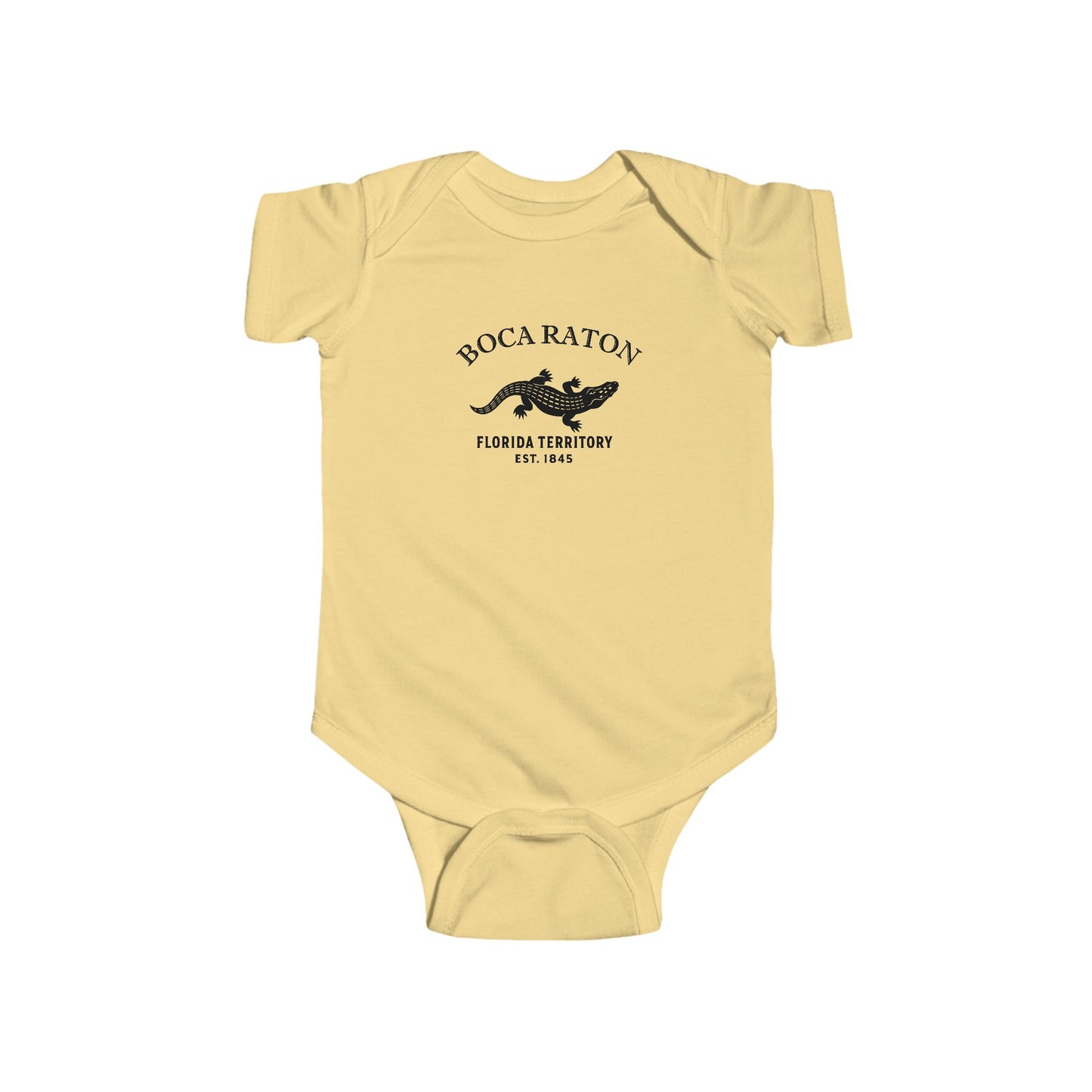
Our Boca Raton logo carries Florida's alligator above 'Florida Territory — Est. 1845,' the shared retro emblem of our Florida places, drawn in worn black-and-white like an old crate label or woodcut stamp. The alligator is Florida itself: tough, adaptable, at home in the subtropical heat. It's the through-line that links Boca to every other Florida place we make. What makes this one Boca Raton is everything around it — the pink tower, the barrel-tile roofs, the inlet of hidden rocks, and the Mediterranean city Mizner built in a single year.
Why People Visit Boca Raton
Boca Raton rewards visitors who want South Florida with a century of style behind it — Addison Mizner's Mediterranean Revival architecture, a beautiful stretch of Atlantic beach, the arts and dining of Mizner Park, and a genuinely surprising history that runs from a secret WWII radar school to the birthplace of the personal computer. People come for the beaches and the resort glamour, for the Boca Raton Museum of Art, and for an easy, refined coastal day with deep roots.
