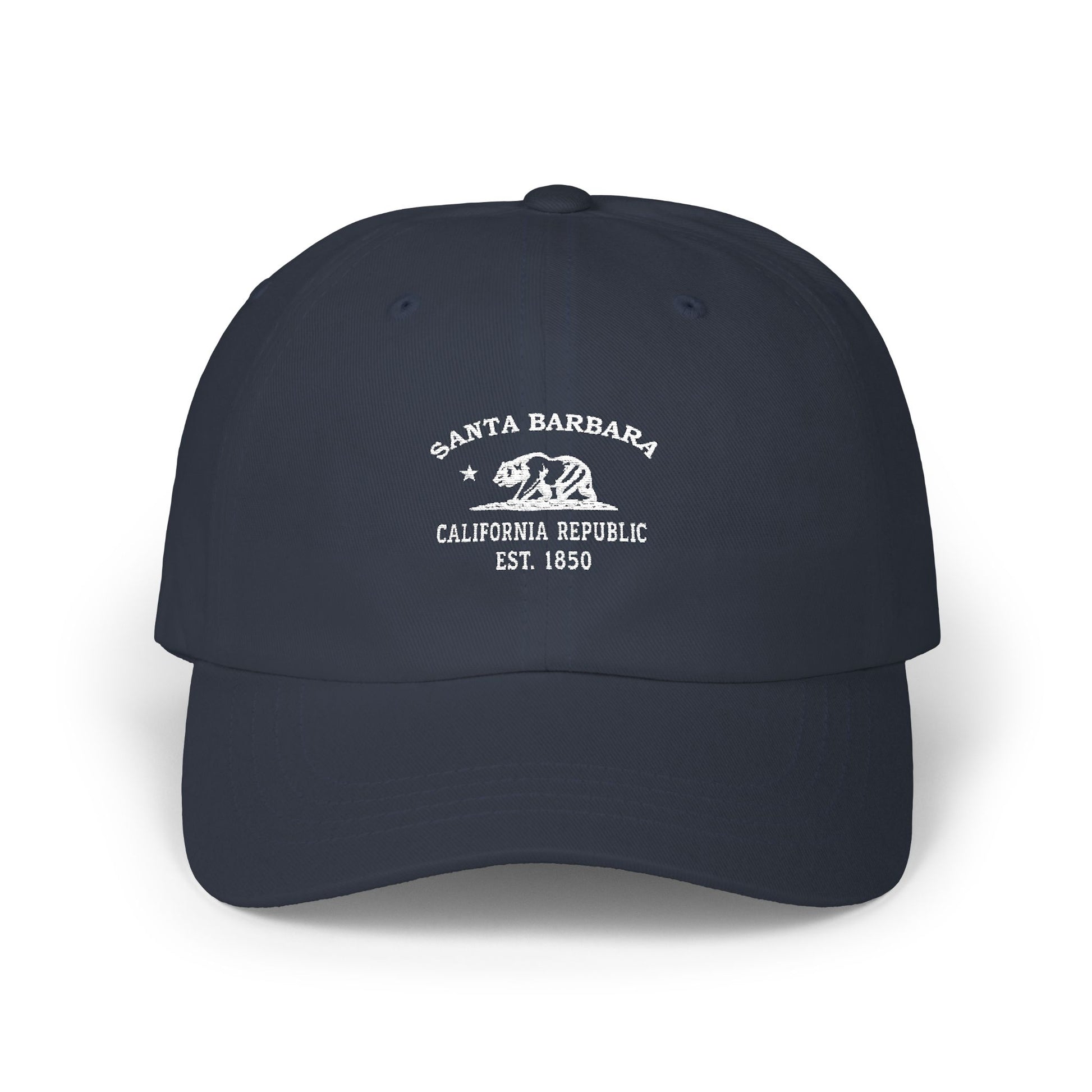
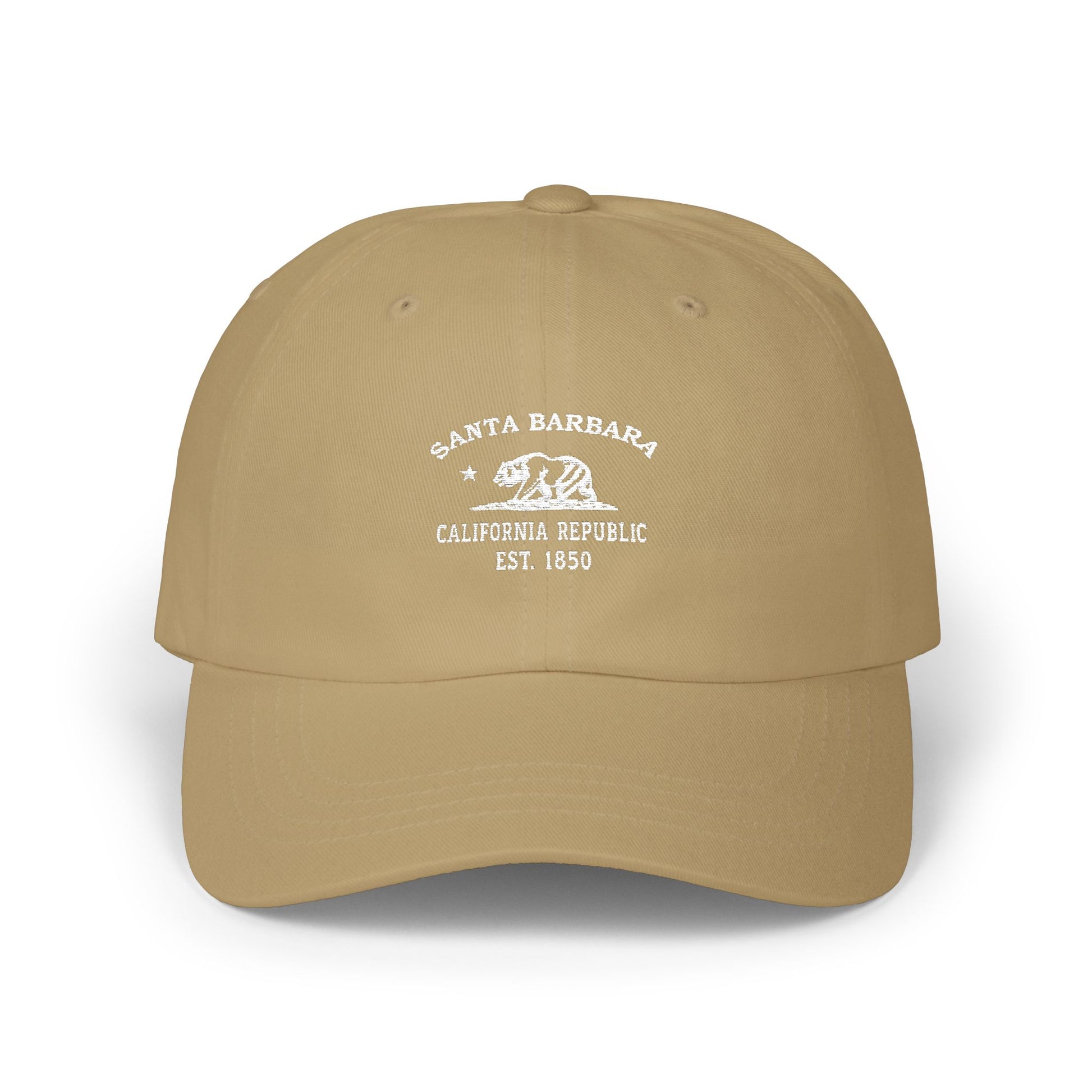
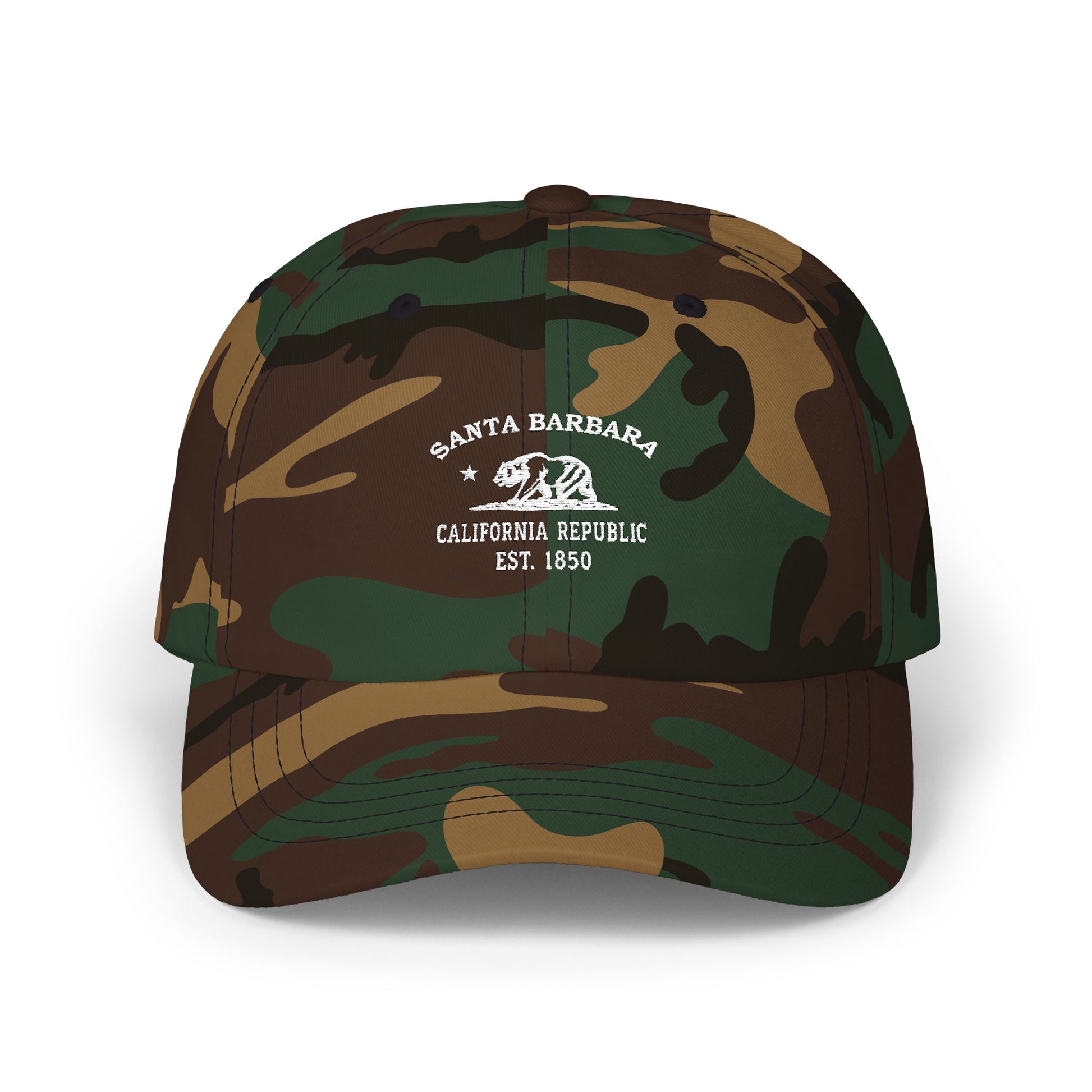
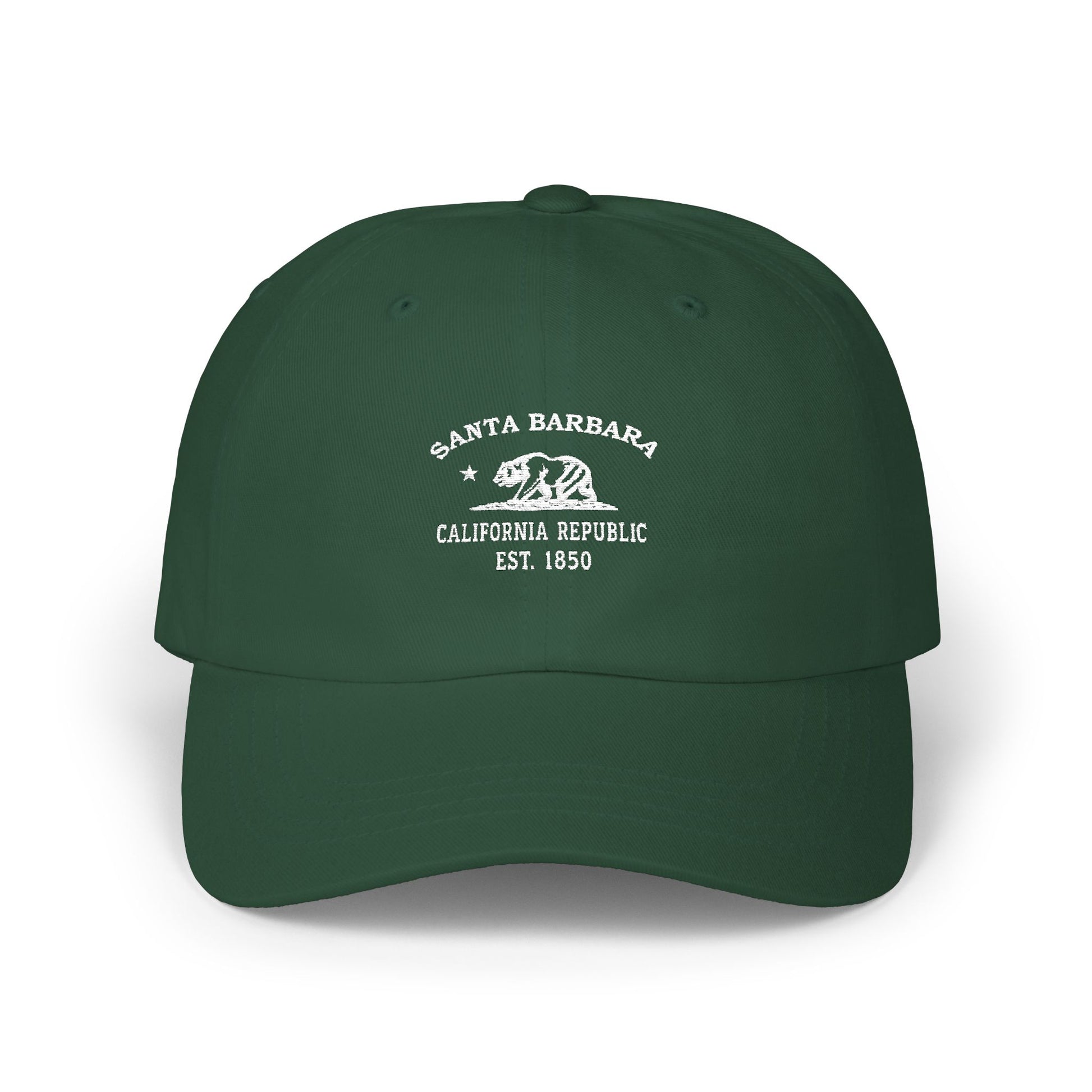
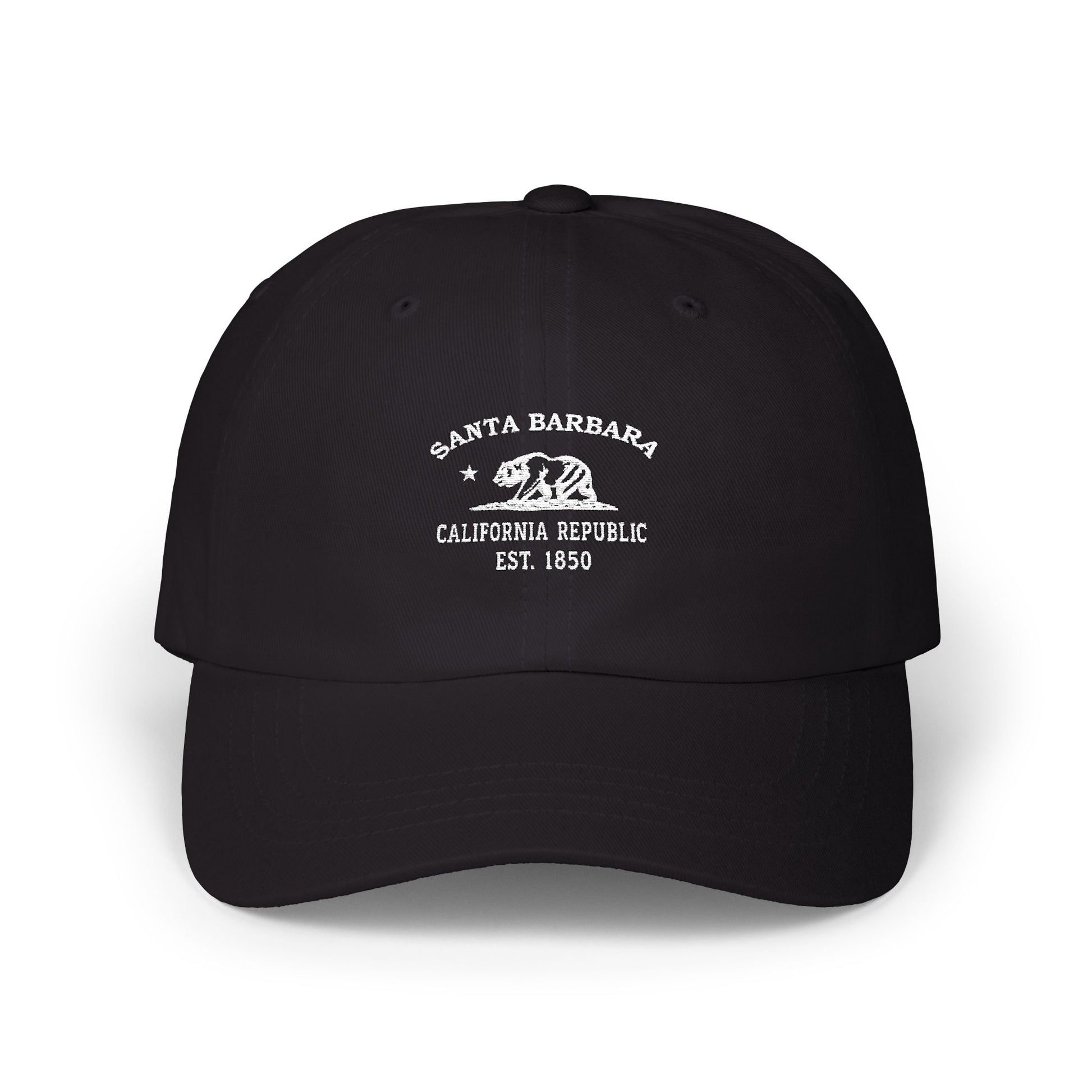
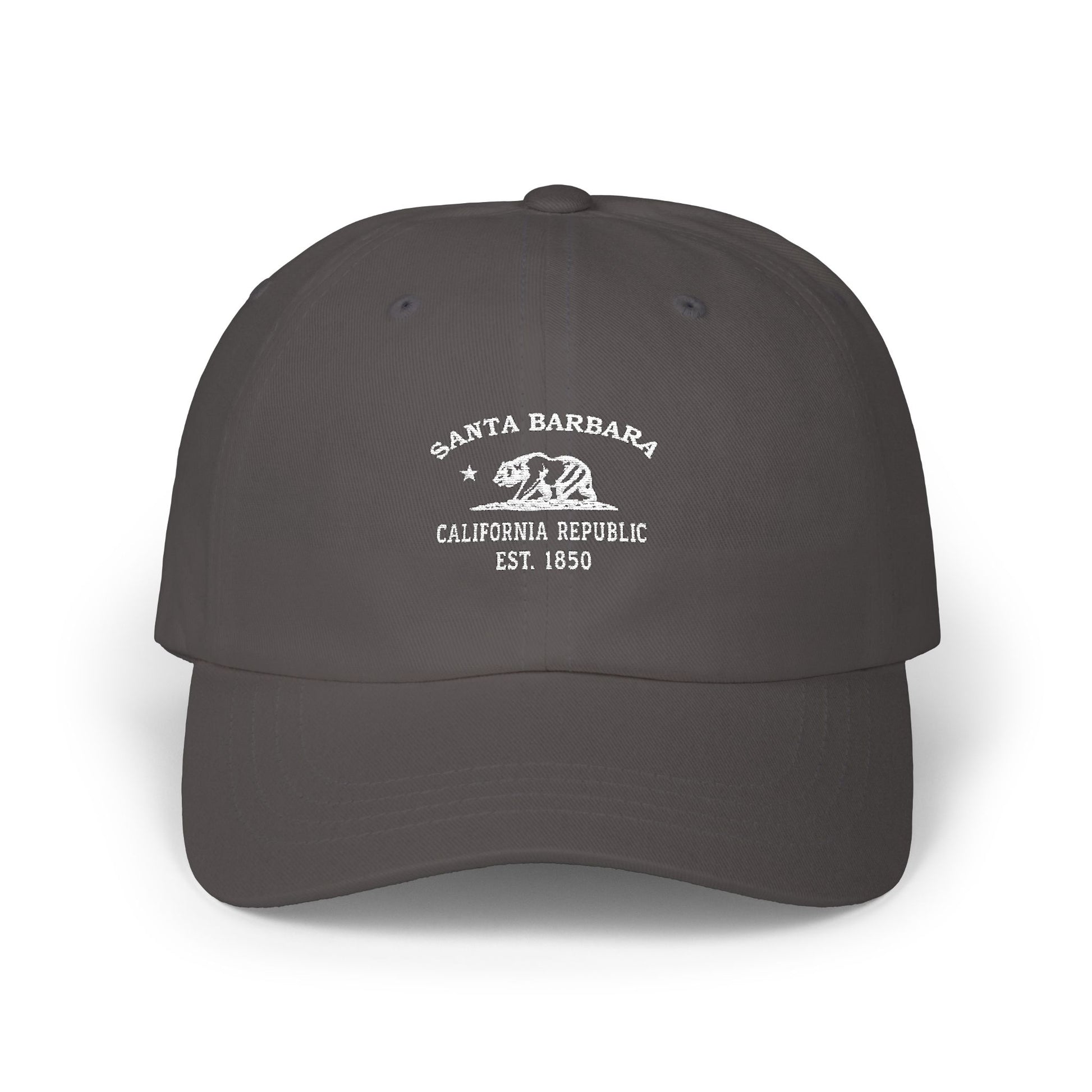
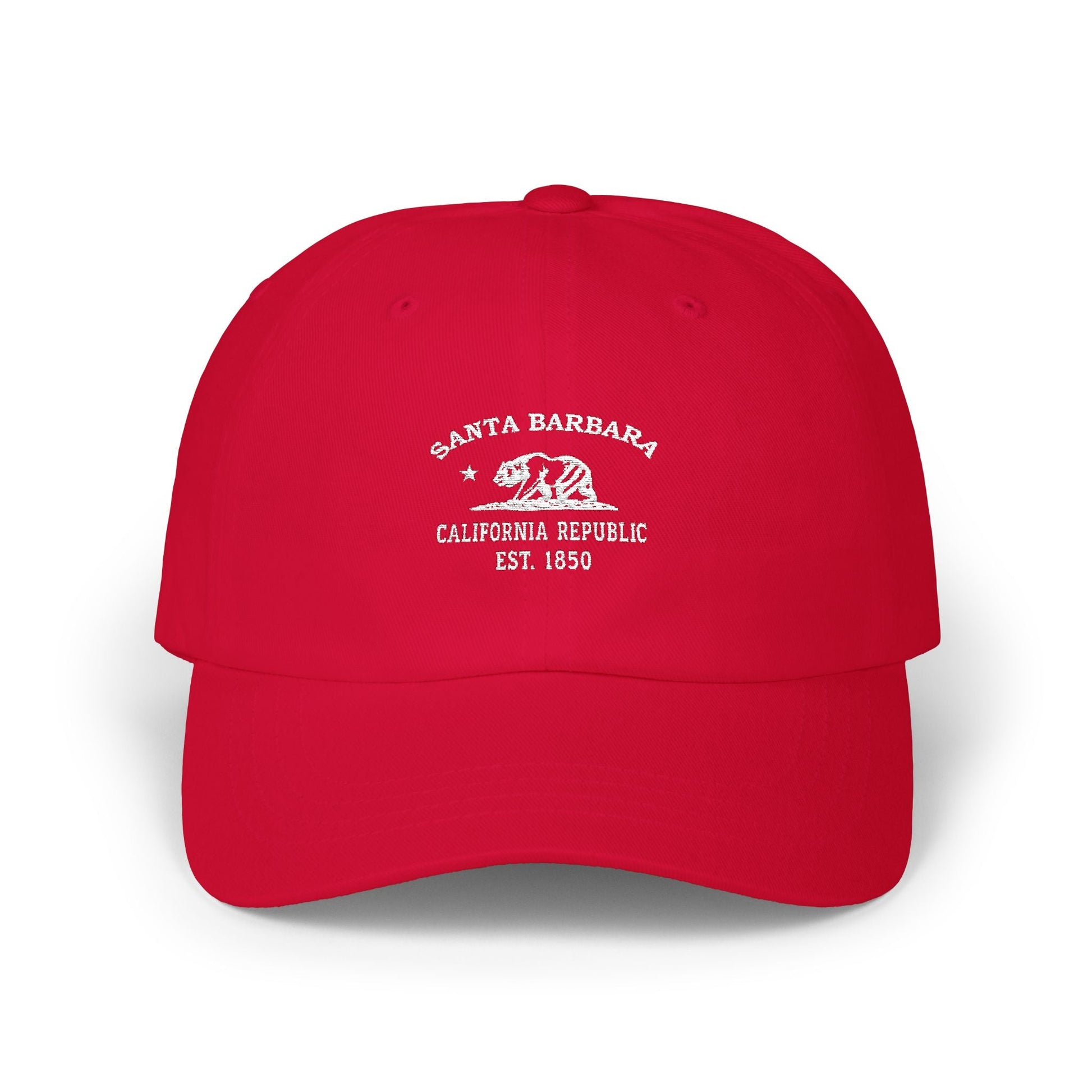
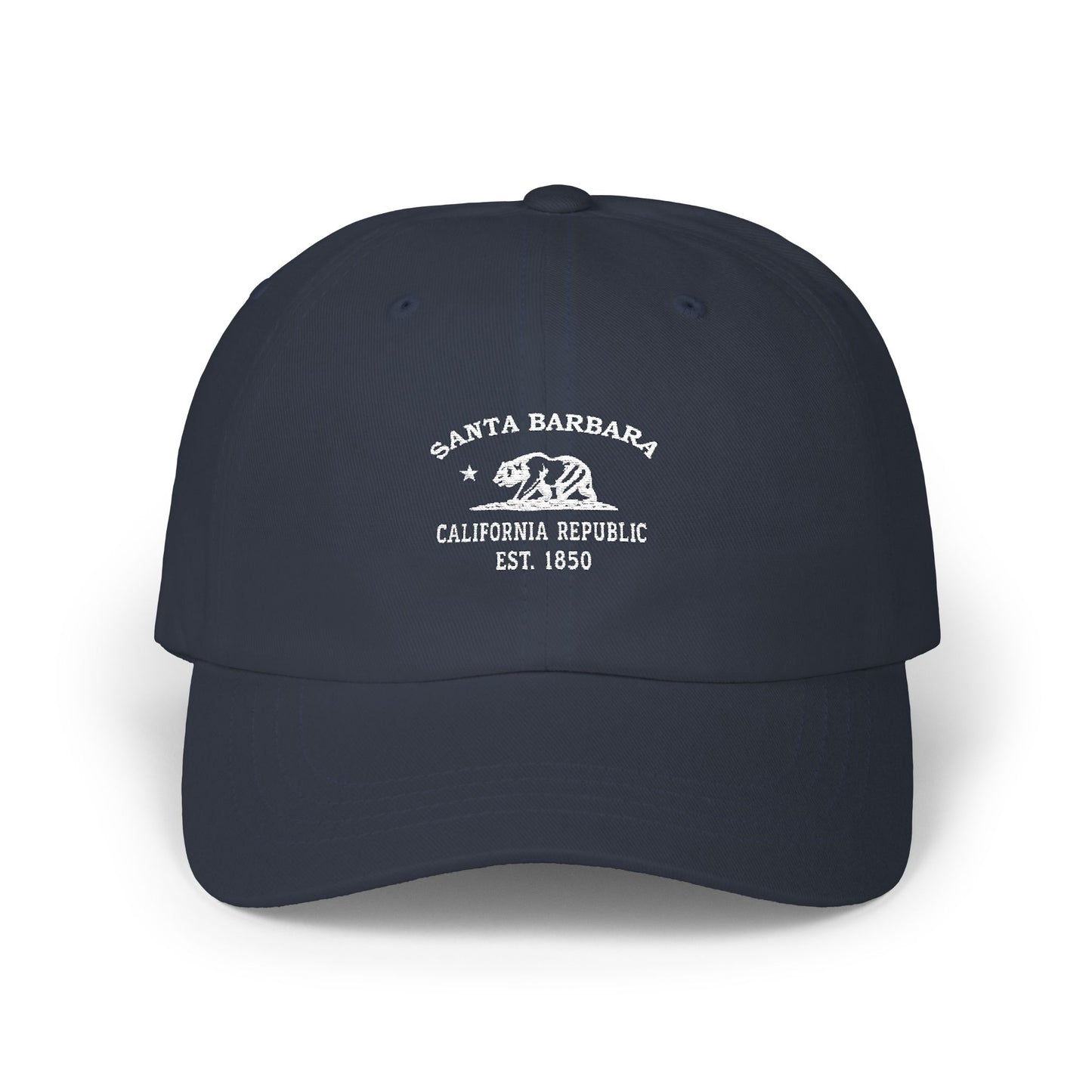
Santa Barbara California Vintage Retro Embroidered Cotton Cap - White Logo
Santa Barbara California Vintage Retro Embroidered Cotton Cap - White Logo
Couldn't load pickup availability
Share
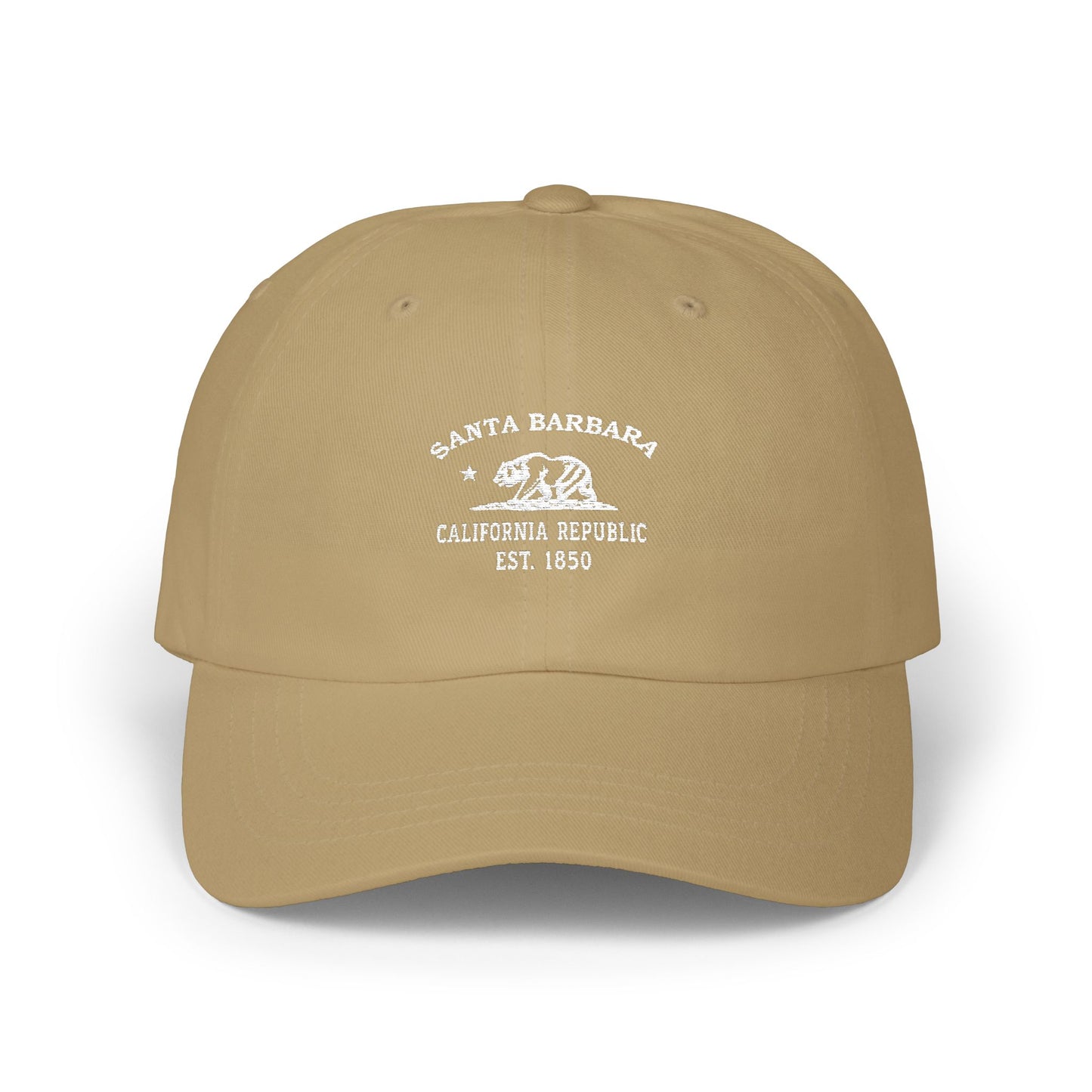
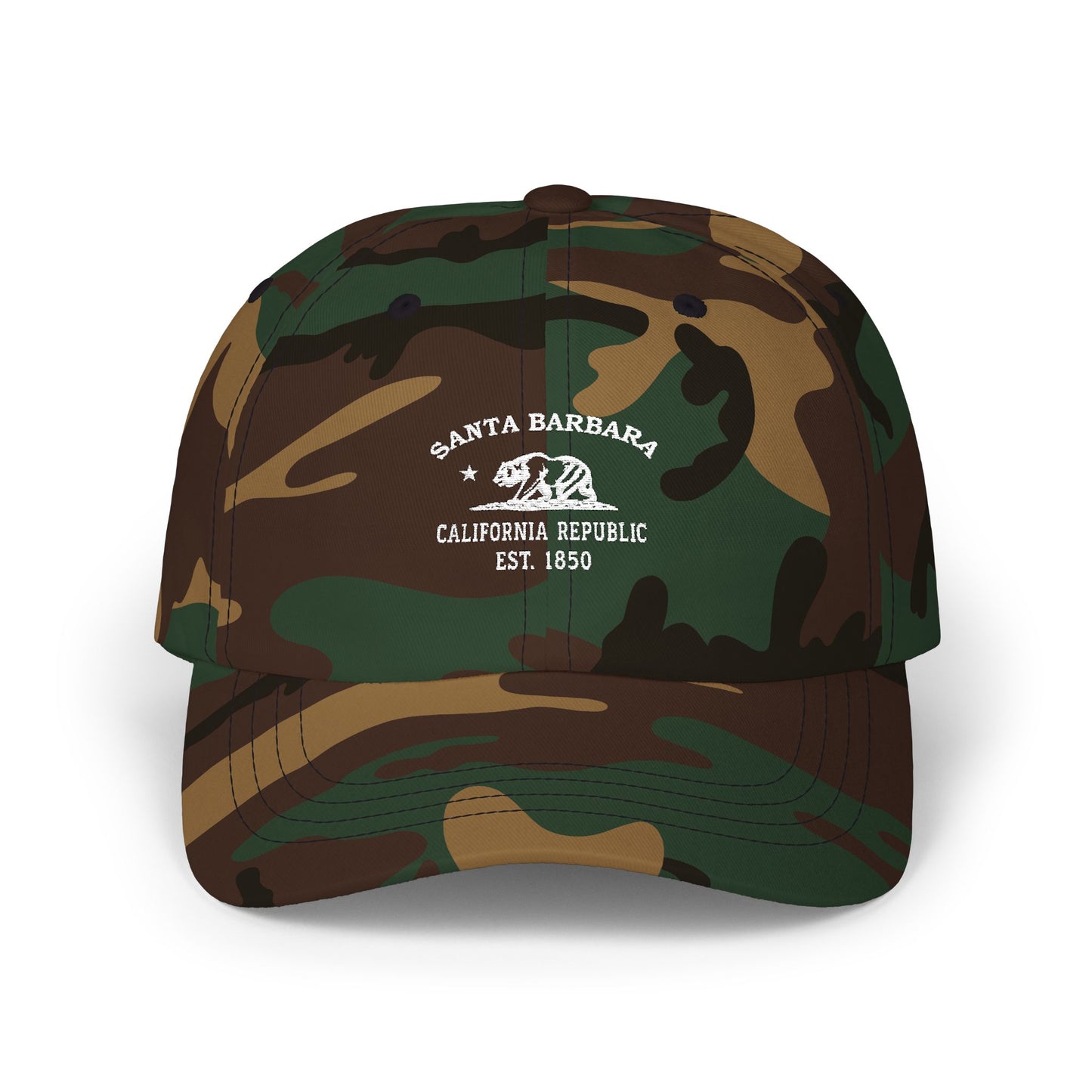
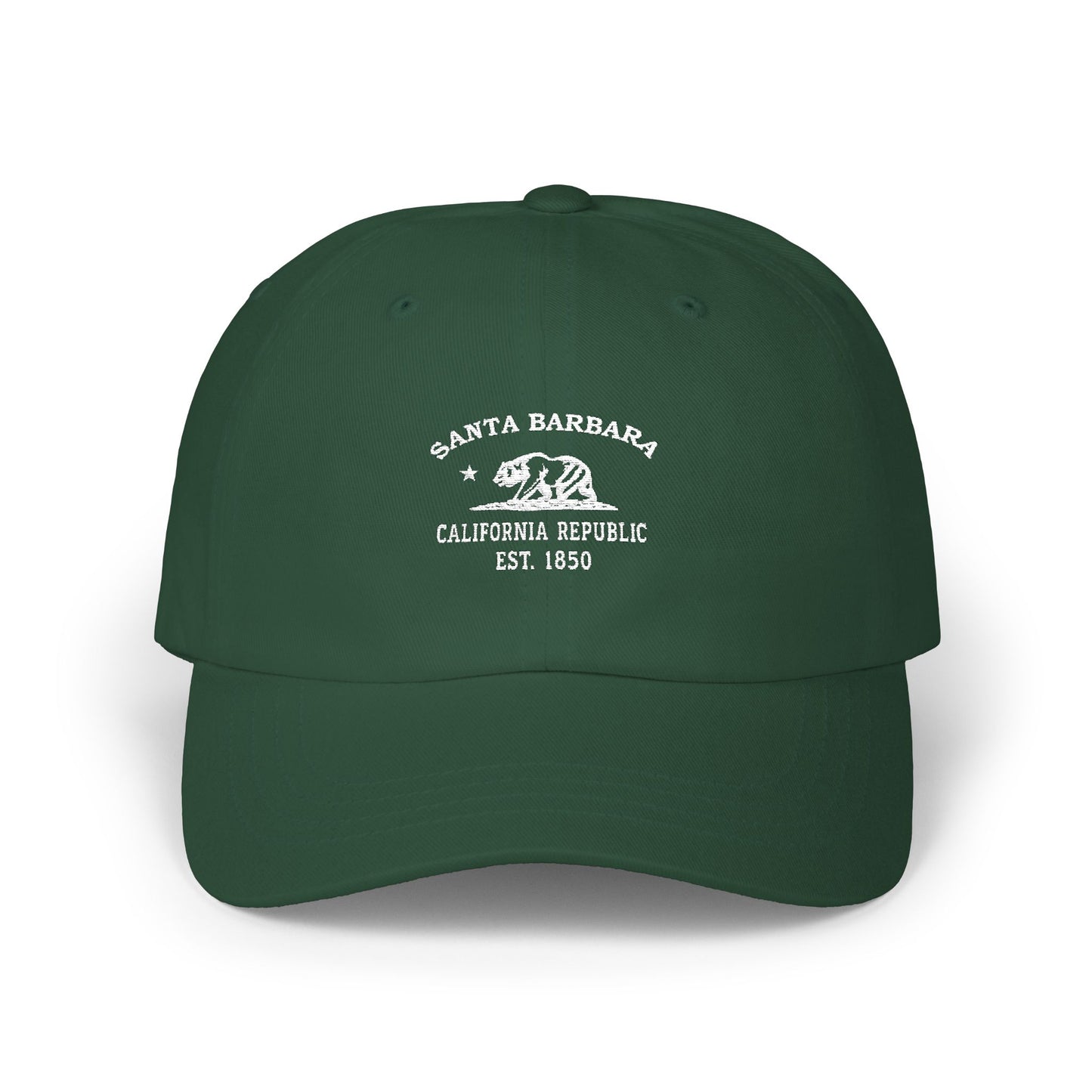
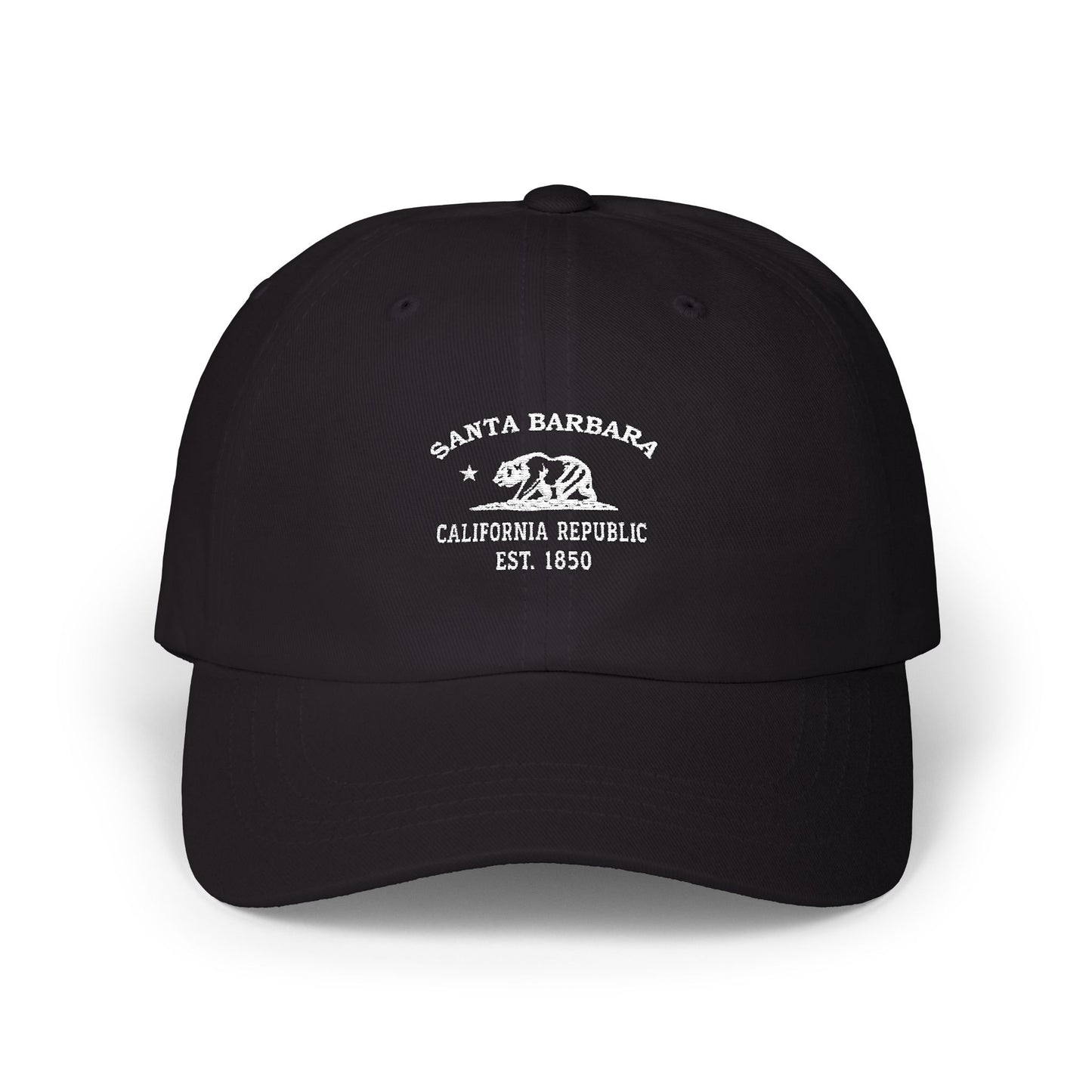
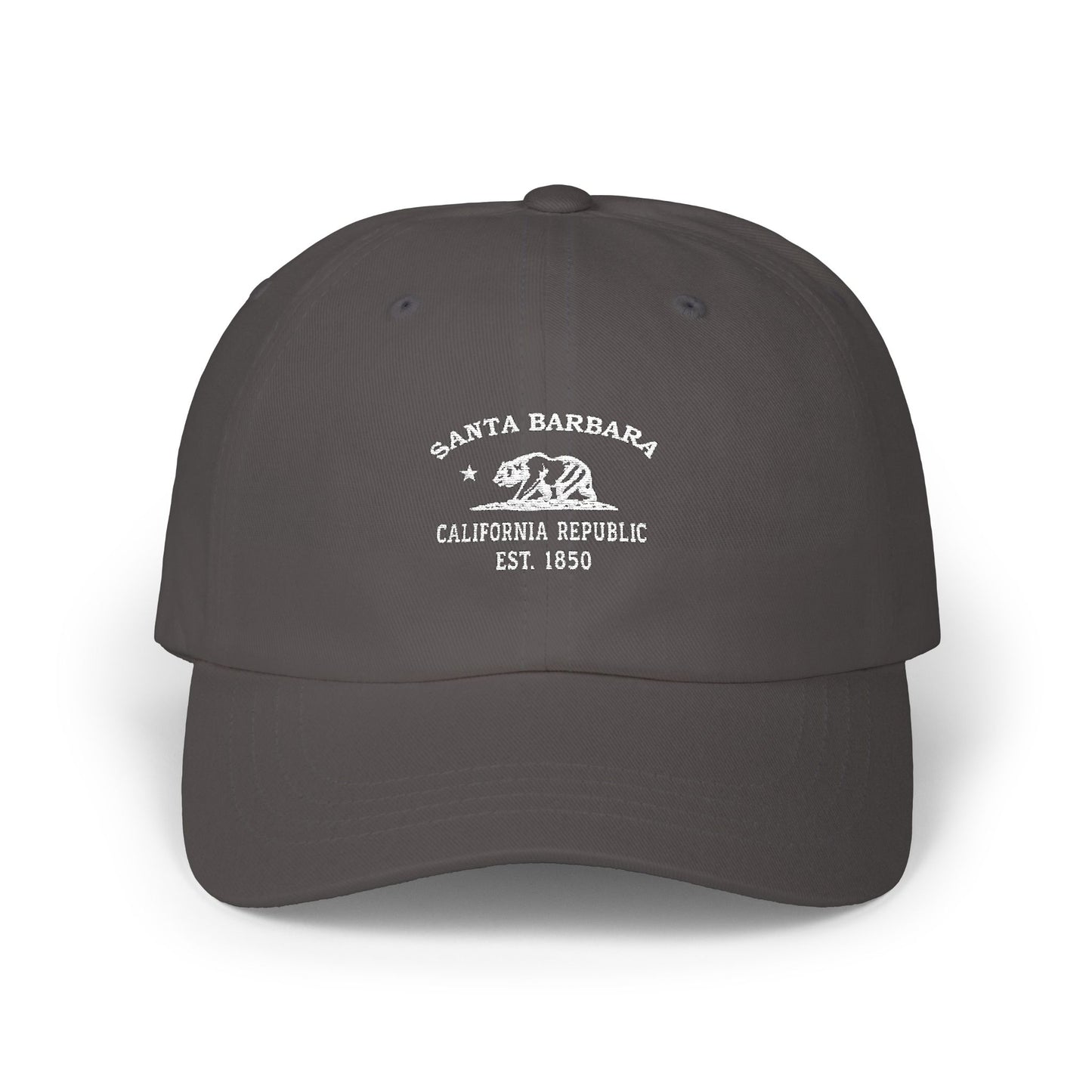
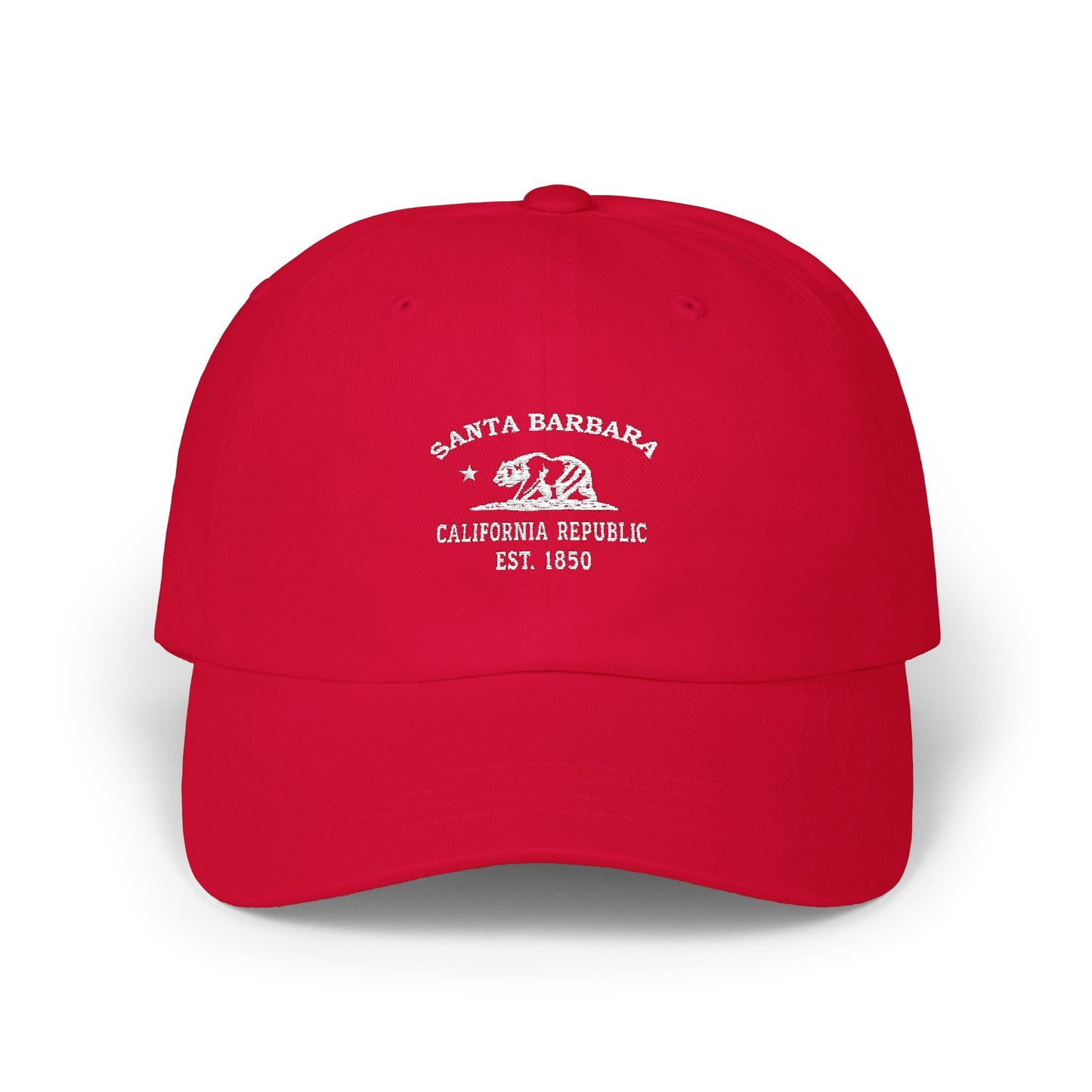
Wear Local. Feed Local. Stay Classic.
Product FAQs
How does your sizing work?
Because items are made to order, we can’t accept returns for sizing or color choices. We do accept returns for defects, misprints, or shipping damage. Please review the detailed photos and descriptions before purchasing. Women’s fitted tees run small; if you prefer a looser fit, consider sizing up.
How do I send gifts?
All items ship without prices and include a simple packing slip for easy gifting. Enter the recipient’s shipping address and your billing address at checkout. Use your contact info to receive tracking updates. Orders typically arrive within 6–11 business days—please allow extra time for time-sensitive gifts.
How do I care for my item?
For apparel: wash cold, inside-out, with like colors; avoid bleach and high heat; tumble dry low or hang dry. For embroidery, iron inside-out to protect the stitching. See specific care instructions in product descriptions and also follow general best practices in caring for your items for long term enjoyment.
How are items made and when will they arrive?
We make each item on demand using premium blanks, embroidery, and soft-hand prints. Production usually takes 2–5 business days (excluding weekends and holidays). You’ll receive tracking once shipped. We currently ship to U.S. addresses via USPS, UPS, or FedEx. Most orders arrive within 6–11 business days.
What’s the return/exchange policy?
We accept returns for defects, misprints, or damage on arrival. Report issues within 14 days with photos and your order number, and we’ll replace or refund. Size or color changes aren’t supported after purchase, so please consult size charts before ordering if you are at all unsure.
Who are we?
Merlin Classics is a volunteer-run, AI-assisted apparel project celebrating timeless local style. Every item is made to order, and profits (revenue minus external product/marketing cost) support hunger-relief programs in the communities our collections spotlight. Classic looks, real local impact—every purchase helps.