


What's with Roton Point? On the point just west of the village, where the land runs out into Long Island Sound, there once stood one of the great shore resorts of the region. From the 1880s into the years around the Second World War, Roton Point drew summer crowds by steamboat and trolley to a beach, a carousel, a roller coaster, and a grand dance pavilion — a Coney Island of the Connecticut shore. Most of it is gone now, the grounds long since a private association, but in its day Roton Point is how the whole country first learned to spend a summer Sunday in Rowayton.
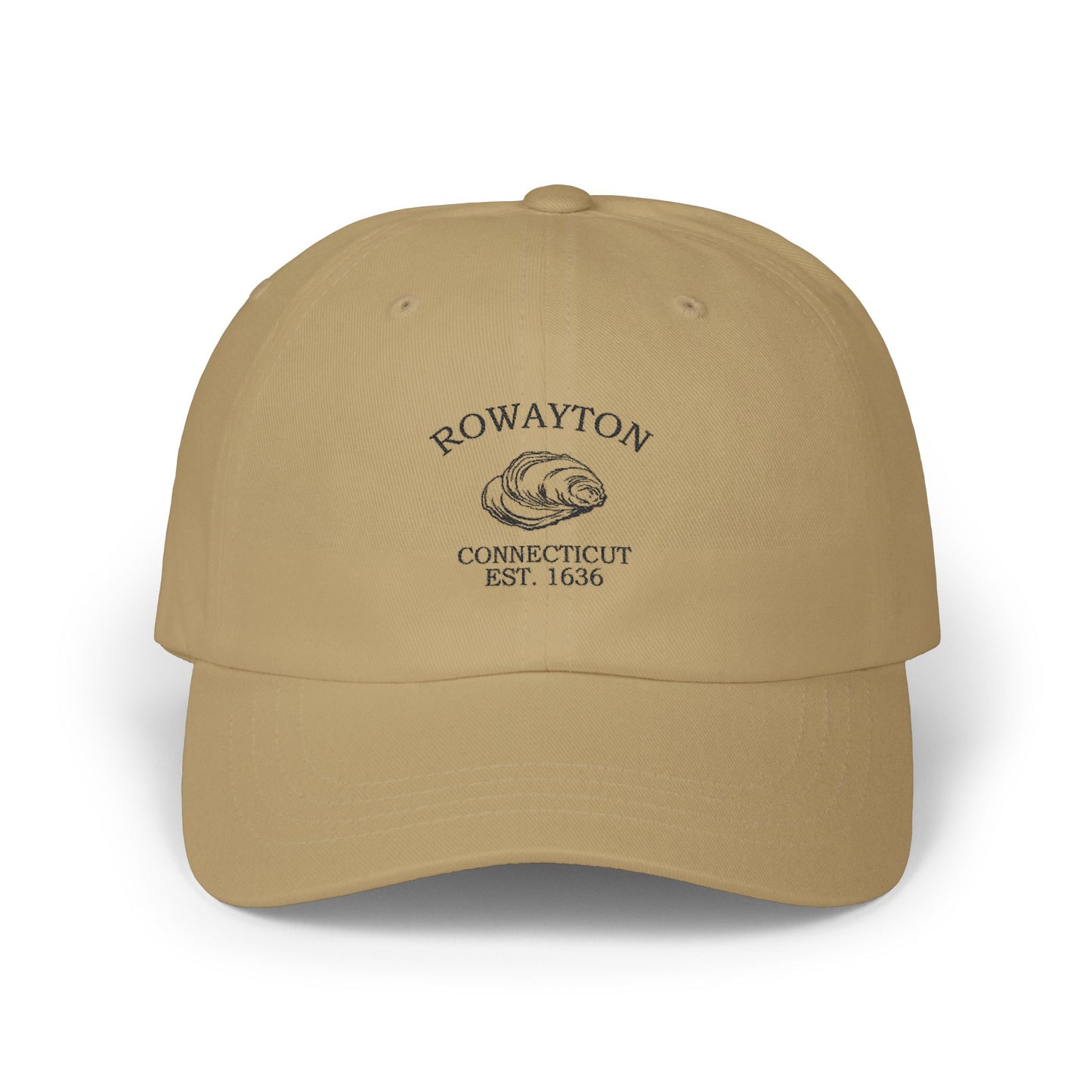
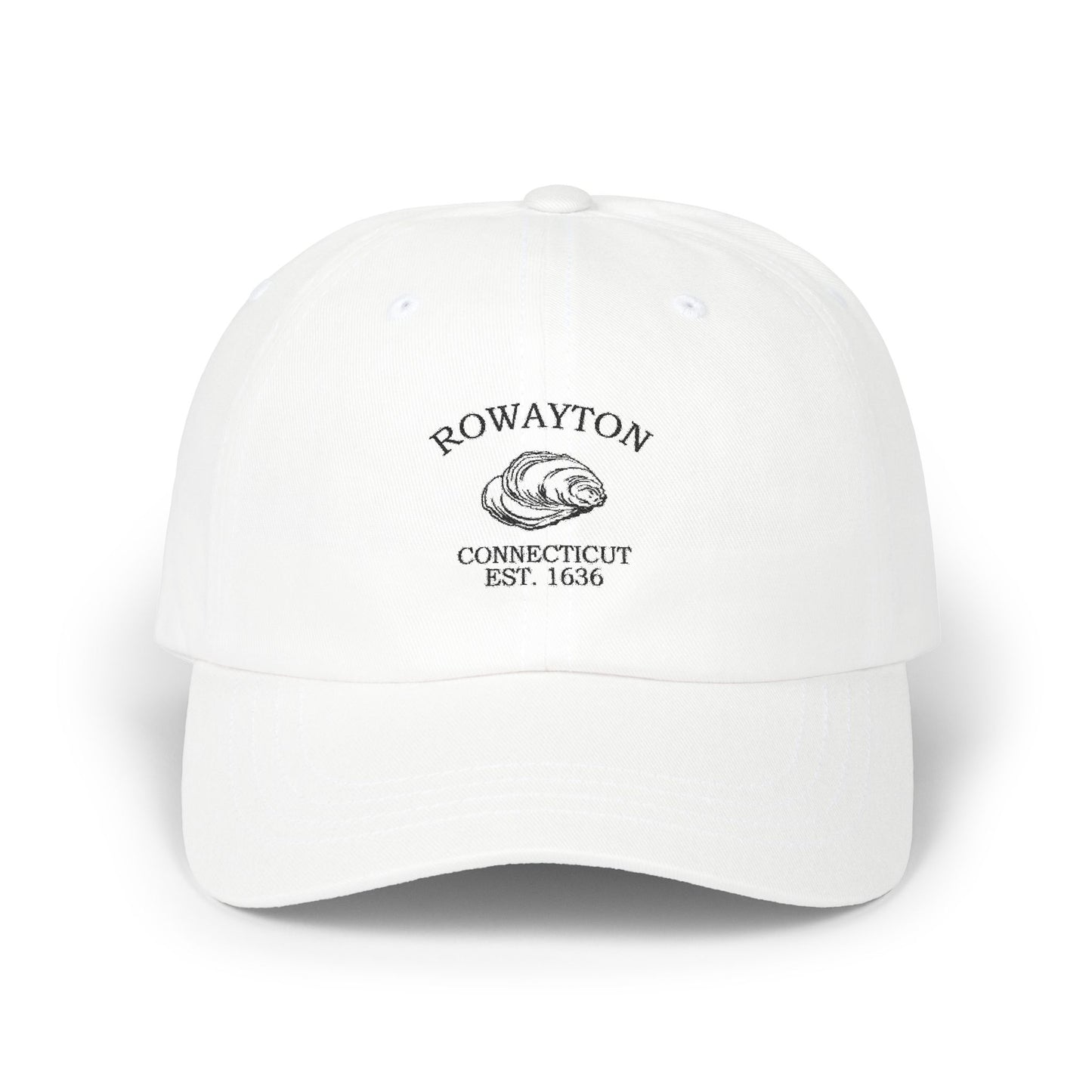
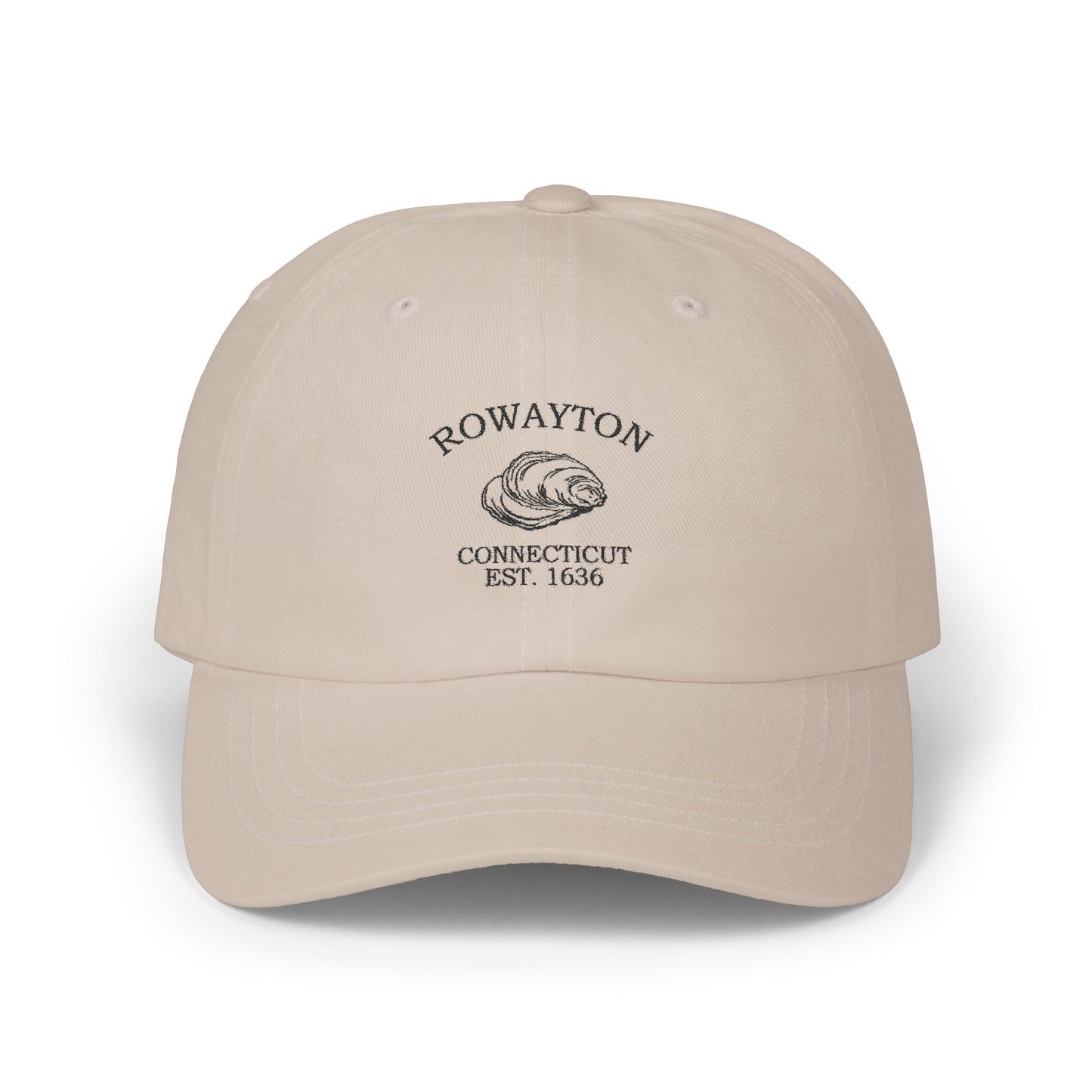
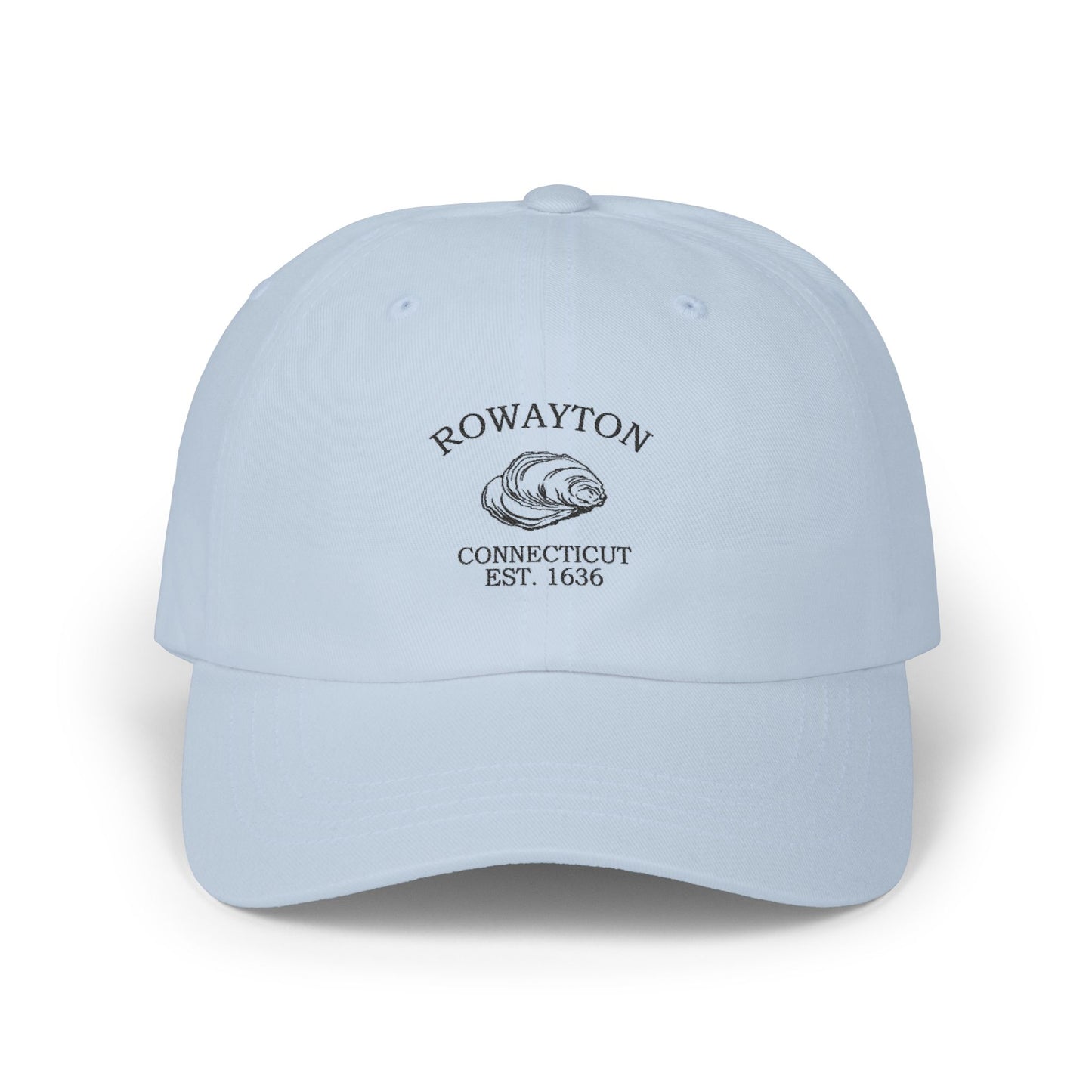
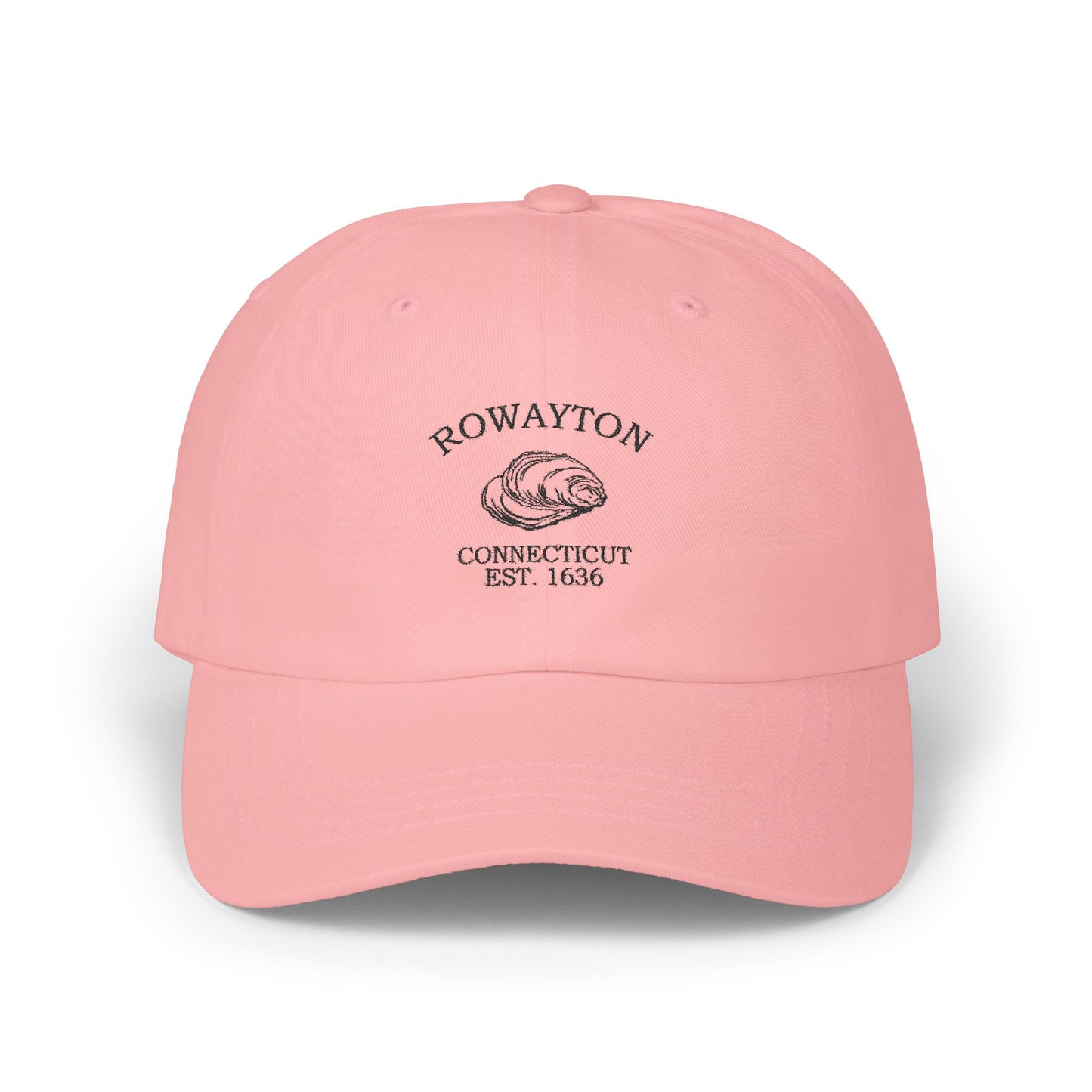
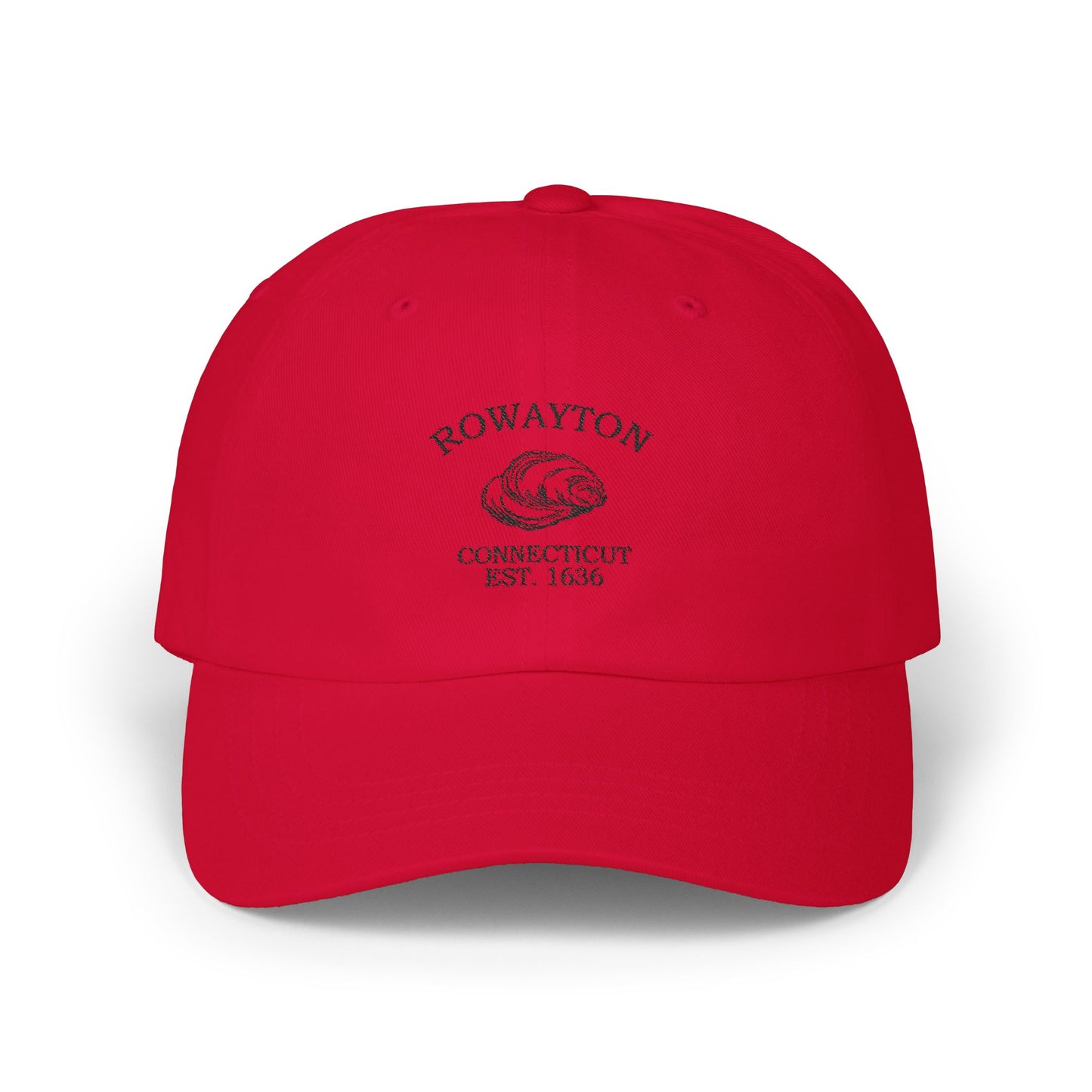
Our Rowayton logo carries the same emblem every Merlin Classics Connecticut place wears — a Long Island Sound oyster, above "Connecticut · Est. 1636," the colony's founding year, printed in a worn, hand-pressed black and white. The oyster is Connecticut's shoreline mark, the through-line that ties Rowayton to every other Connecticut place we make — a nod to the Sound that built these towns. What makes this one Rowayton is everything around it: the Five Mile River, the lost grandeur of Roton Point, and the oyster beds that gave the village its living.
Why People Visit Rowayton
Rowayton offers the Connecticut shore at its most relaxed and characterful — sailing, art, and quiet beaches in a village that has kept its scale and its salt-water soul. Visitors come for the harbor and the shore parks and stay for the unhurried, distinctly New England feel. From the oyster sloops that once worked the Five Mile River to the regatta sails of today, the harbor still sets the village's rhythm. It is welcoming, walkable, and beautiful in every season on the Sound.
