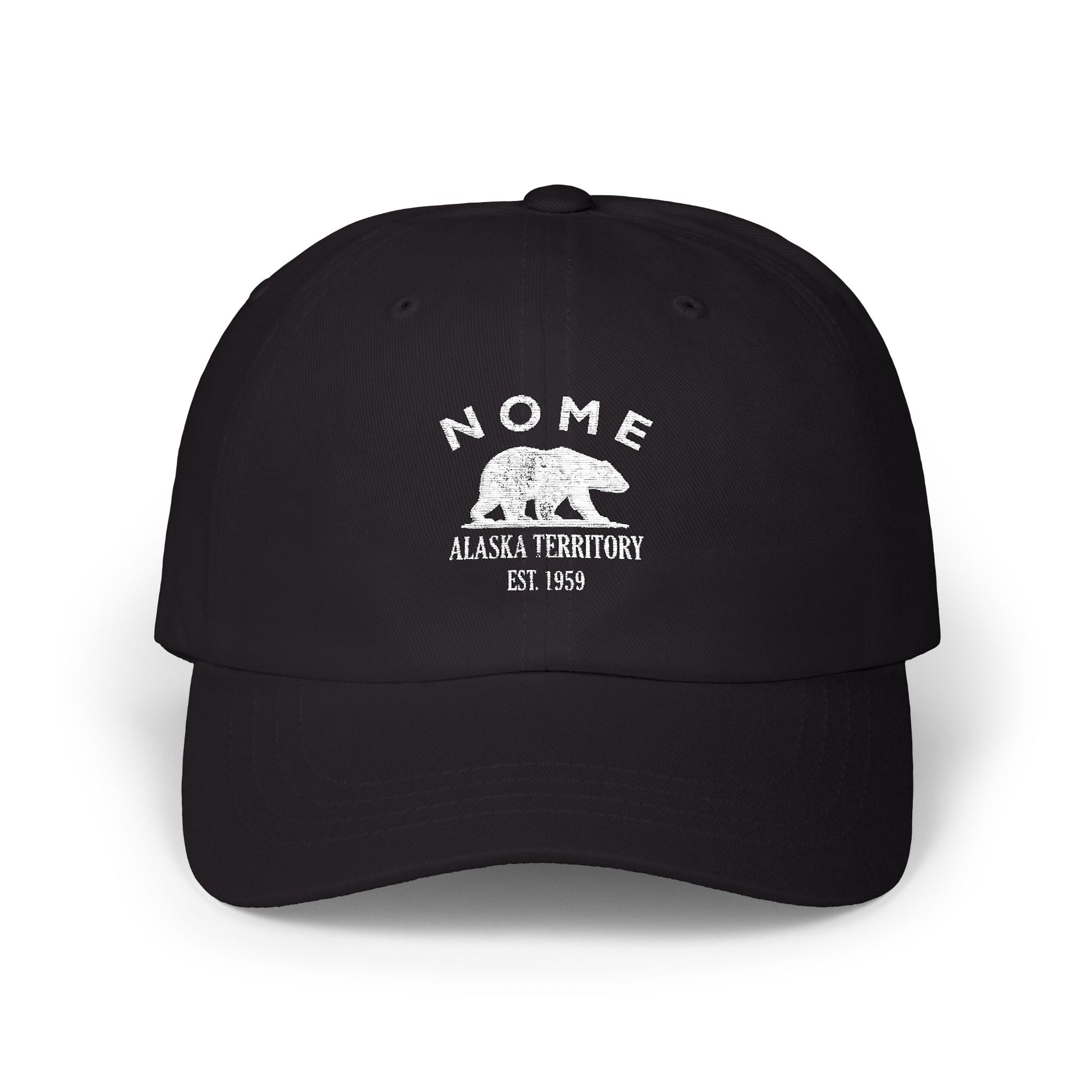
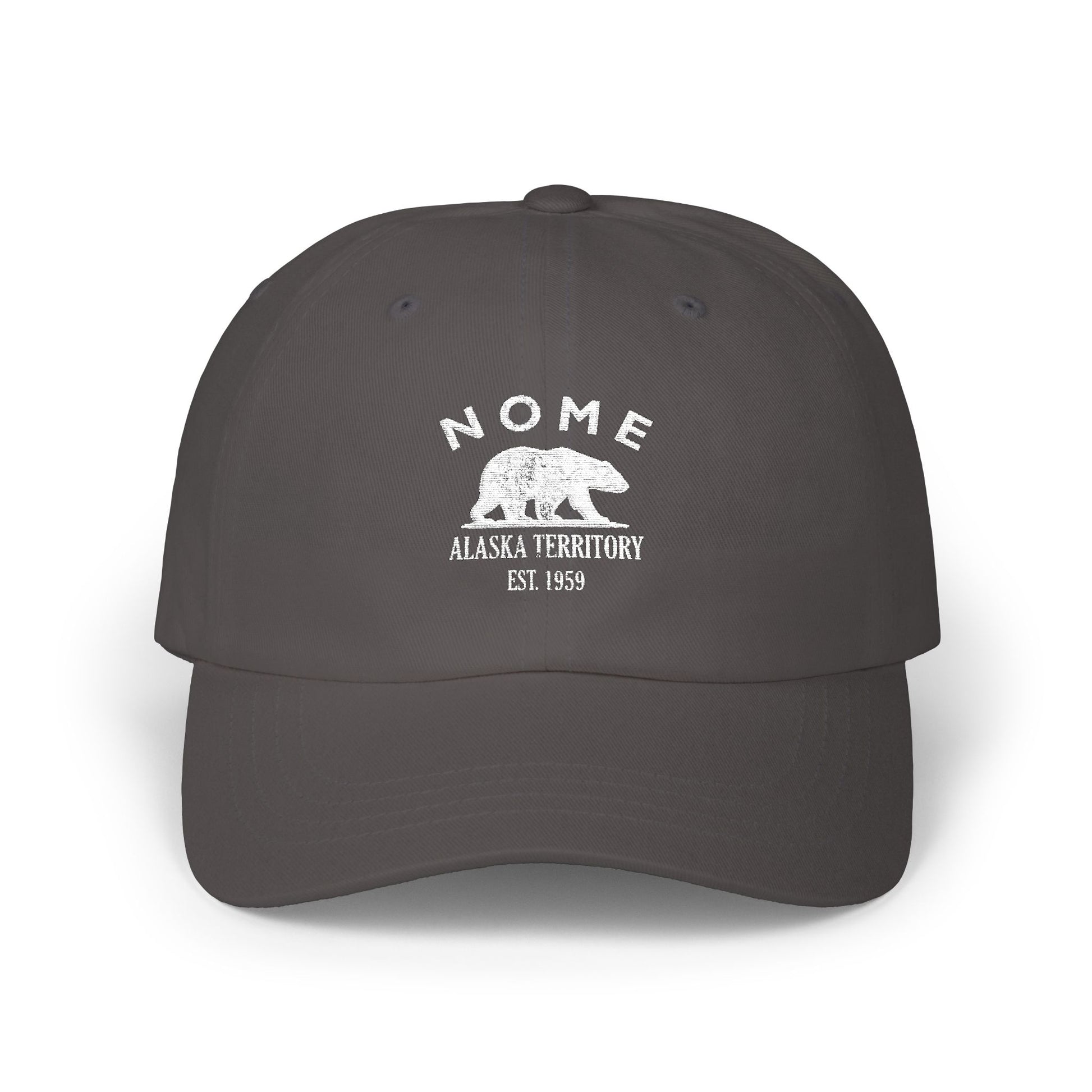
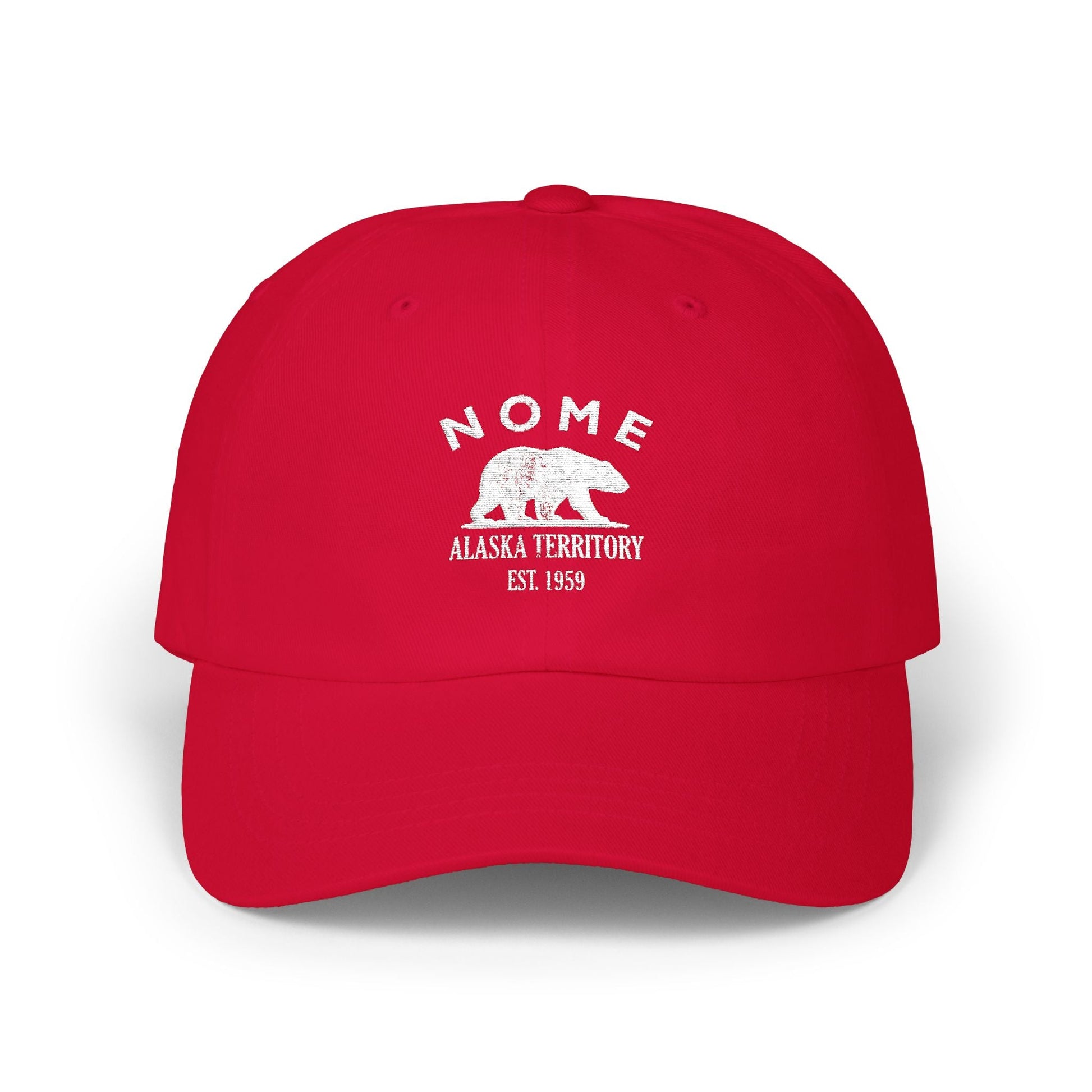
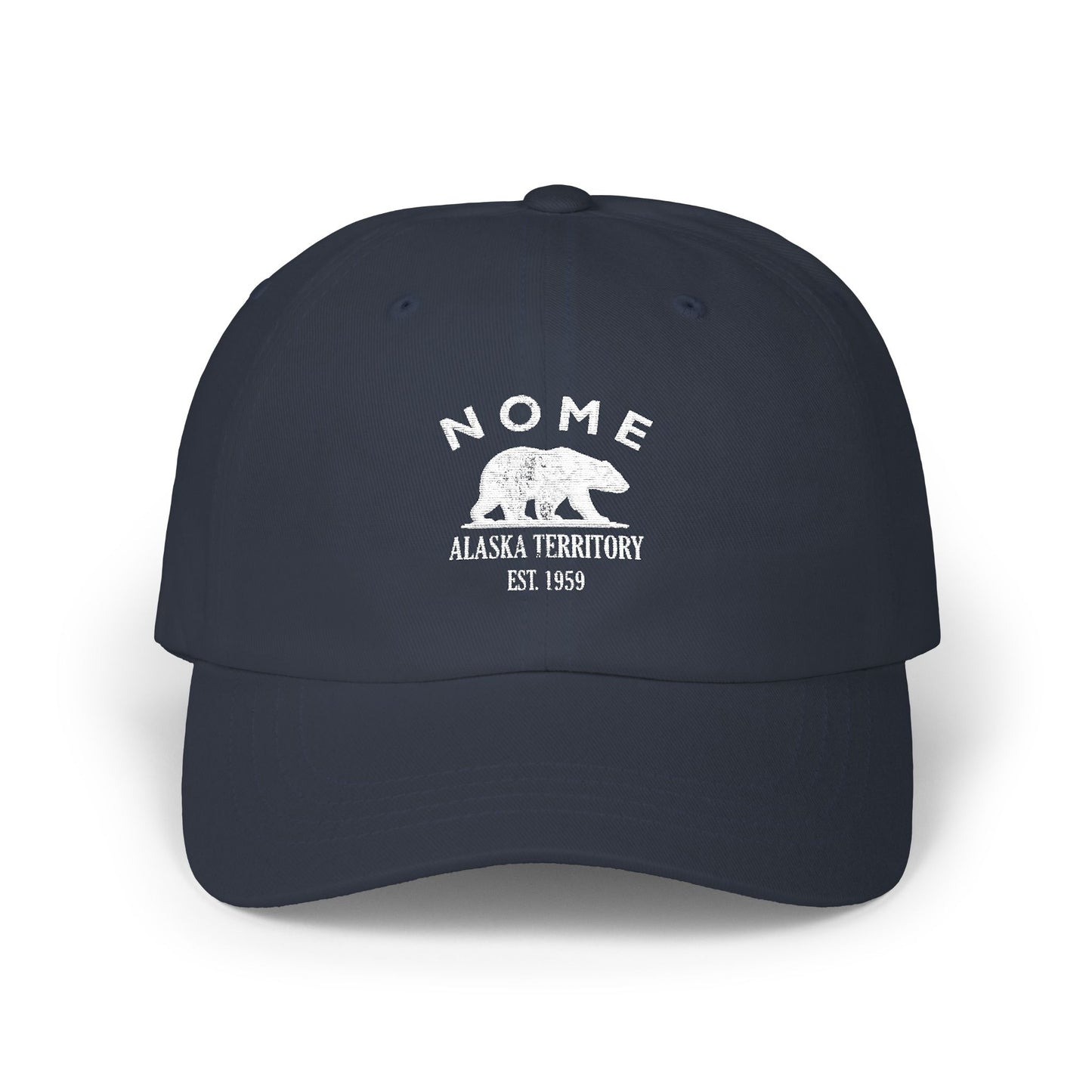
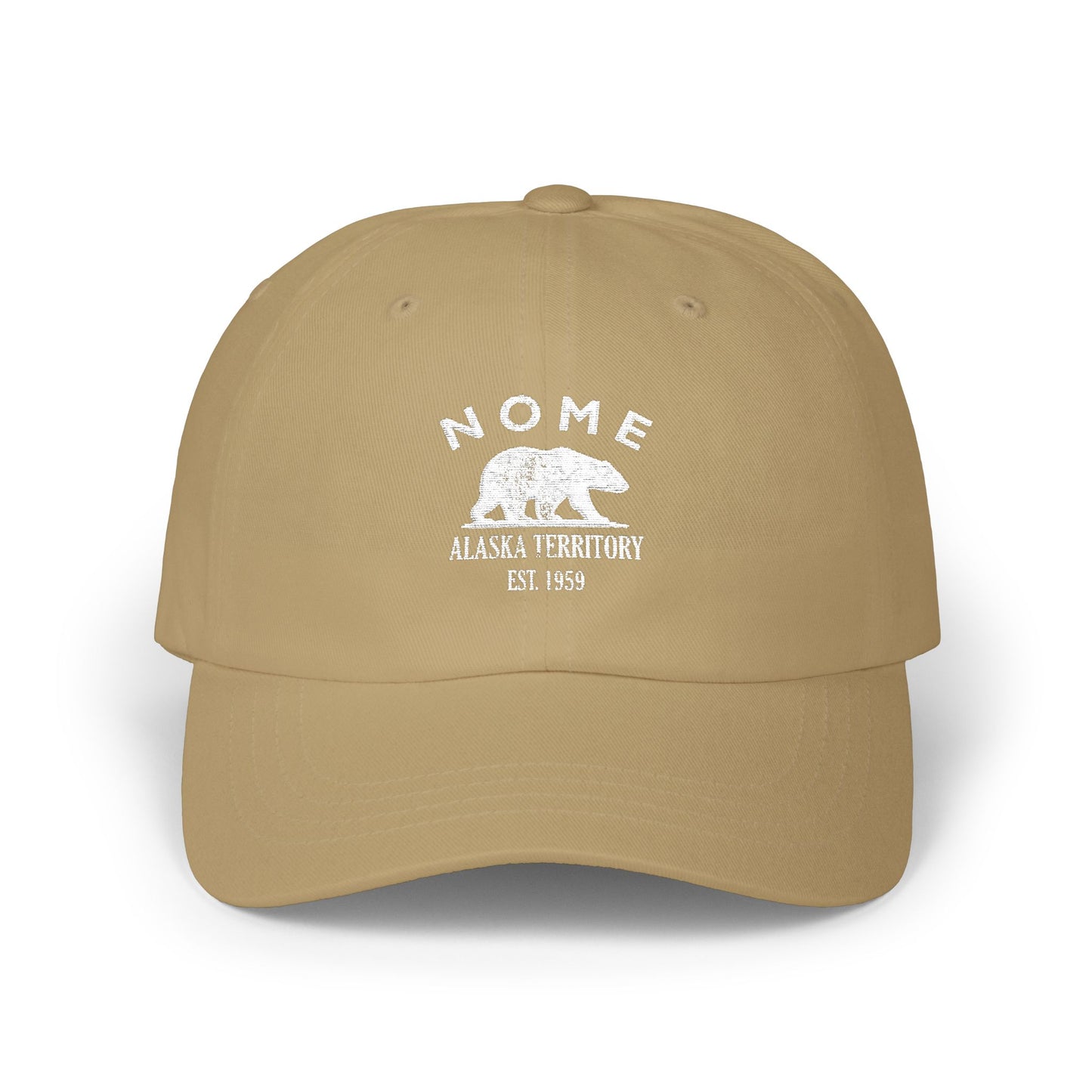
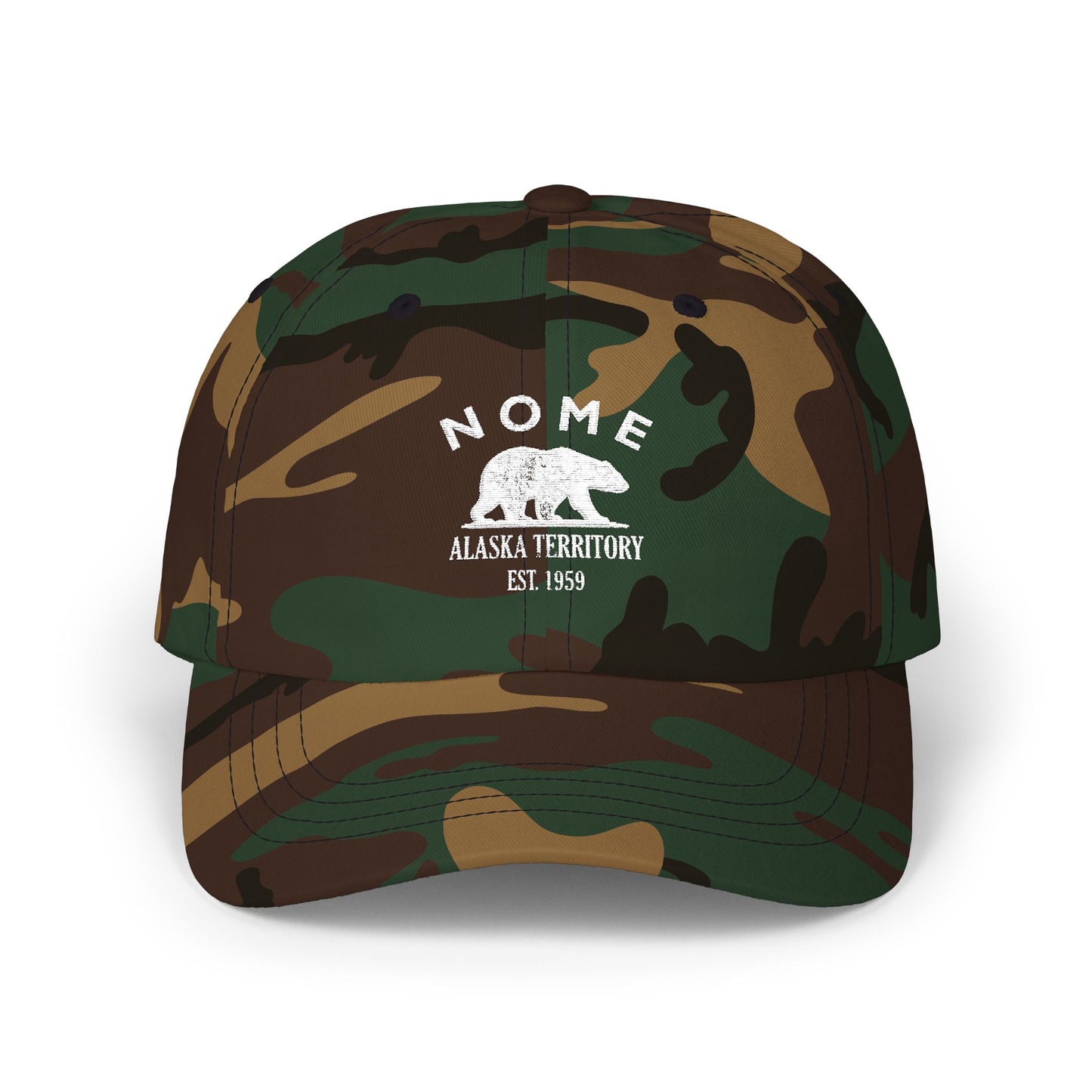
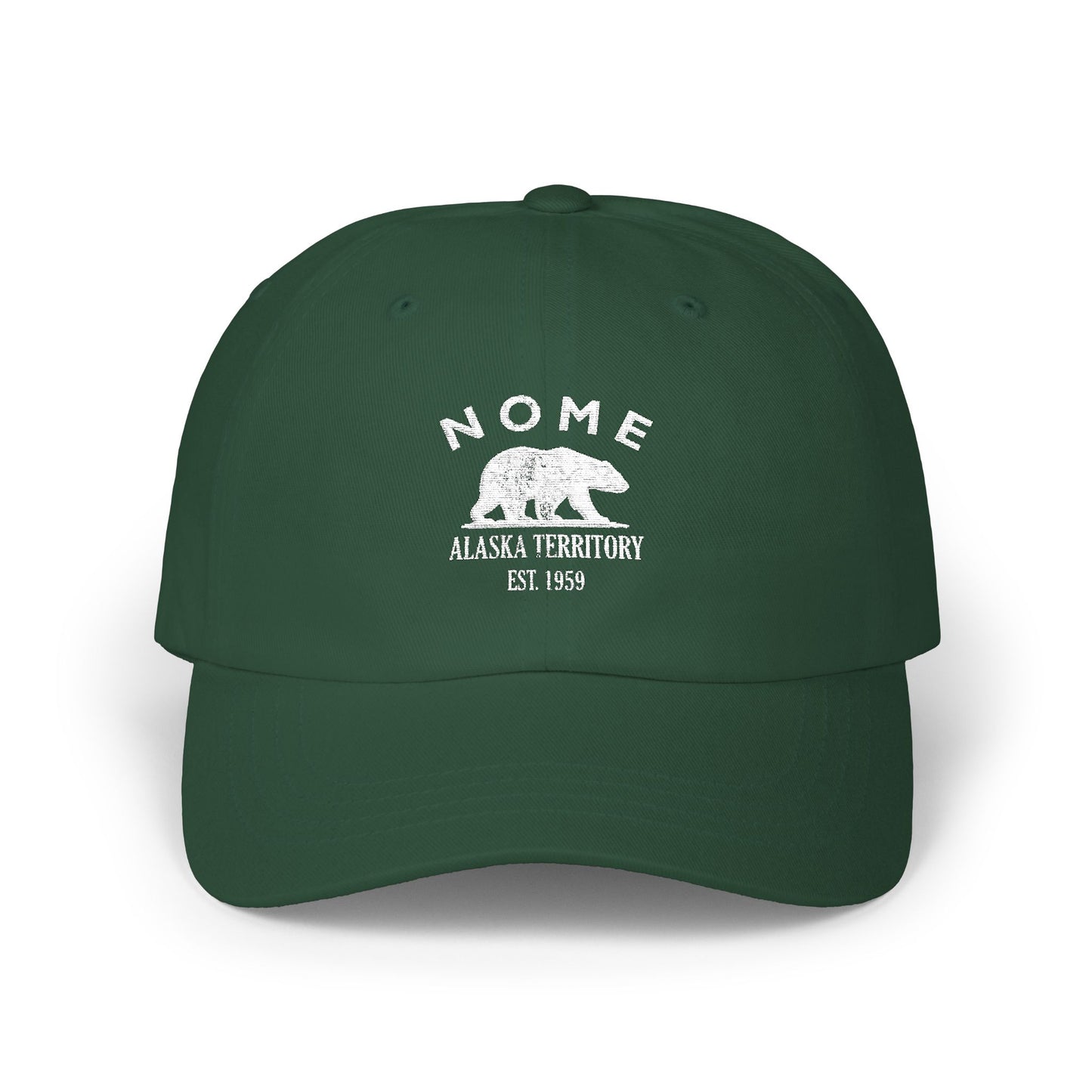
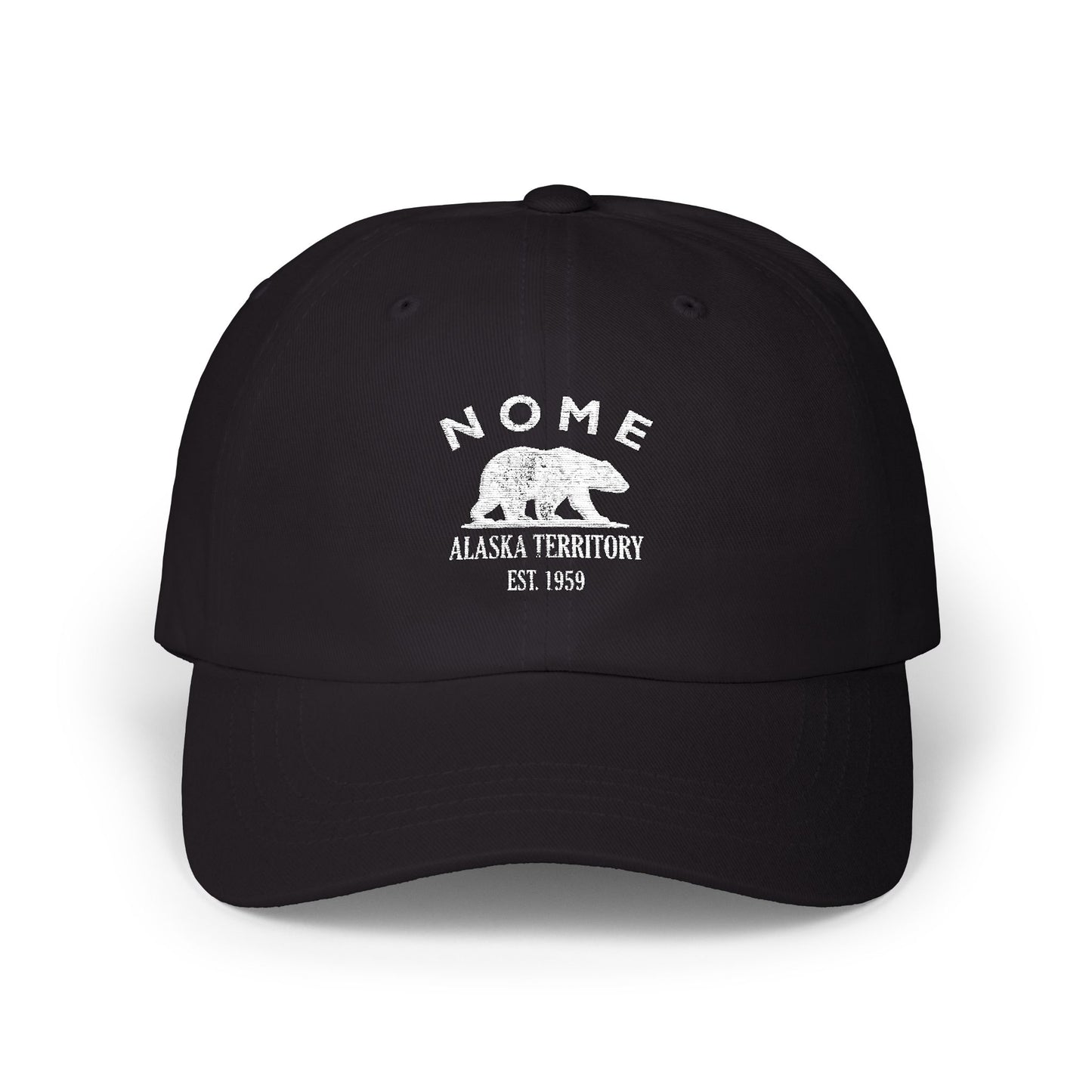
The finish line of the Iditarod, the end of the last great American gold rush, and the closest US city to Russia. Nome, Alaska sits on the Bering Sea coast of the Seward Peninsula, 539 miles northwest of Anchorage and 161 miles east of Russia across the Bering Strait. Little Diomede, the small American island just offshore, is two and a half miles from Russian Big Diomede — the closest point between the two countries, with the International Date Line running between them. The Iñupiat lived here for centuries before any of what follows. On September 22, 1898, three prospectors — Jafet Lindeberg, Erik Lindblom, and John Brynteson — struck gold on Anvil Creek a few miles up from the beach. By the next summer, gold was being found in the black sand of the beach itself, and tens of thousands of stampeders piled off ships from Seattle. Population briefly hit somewhere north of 10,000, making Nome briefly the largest city in Alaska. Wyatt Earp — the same Wyatt Earp from Tombstone — opened a saloon on Front Street in 1899 and ran it for two years; biographers estimate he made more money in Nome than from all his frontier-lawman exploits combined. In late January 1925, diphtheria broke out in town. The nearest serum was 674 miles away in Nenana. Over 127 hours, twenty mushers ran the serum in relay across Alaska in temperatures below minus forty, with two lead dogs entering popular memory: Togo, who with Leonhard Seppala covered the longest and most dangerous leg across Norton Sound sea ice, and Balto, who with Gunnar Kaasen drove the final stretch into Nome through an eighty-mile-an-hour blizzard. The serum arrived at five-thirty in the morning on February 2. The epidemic was averted. Forty-eight years later, in March 1973, the first Iditarod Trail Sled Dog Race finished on the same Front Street, under what would soon become the Burled Arch — the iconic spruce-and-cottonwood arch the town has reinstalled every March since 1975. Every year since, the world's premier long-distance sled-dog teams have run roughly a thousand miles from Anchorage to this same wooden arch, and every March the town of three thousand five hundred people doubles. The aurora rolls overhead for half the year. There's no place like Nome.
Nome's lore includes tales of gold nuggets found on beaches, myths of treasure hidden in tundra, and legendary dog teams saving lives in 1925. Residents recall parades, fairs, and cultural festivals of the 1950s. Families remembered storms testing resilience, rebuilding traditions, and cultural celebrations. Lore reflects both myth and memory, emphasizing resilience, authenticity, and cultural continuity. Nome's stories highlight its dual identity: boomtown of ambition and Arctic town of endurance. These tales reflect Alaska's character: survival, heritage, and cultural pride, ensuring Nome remained central in both state history and American frontier mythology.
Why People Visit Nome Alaska
Nome offers gold-rush history, sled-dog-racing tradition, Bering Sea geography, and tundra landscapes that few places combine. Visitors come for the Iditarod finish in March, the 1898 gold rush and 1925 Serum Run heritage, the Bering Strait proximity to Russia, the aurora overhead, and the simple fact that the road runs out here. It is remote, resilient, and unforgettable.
