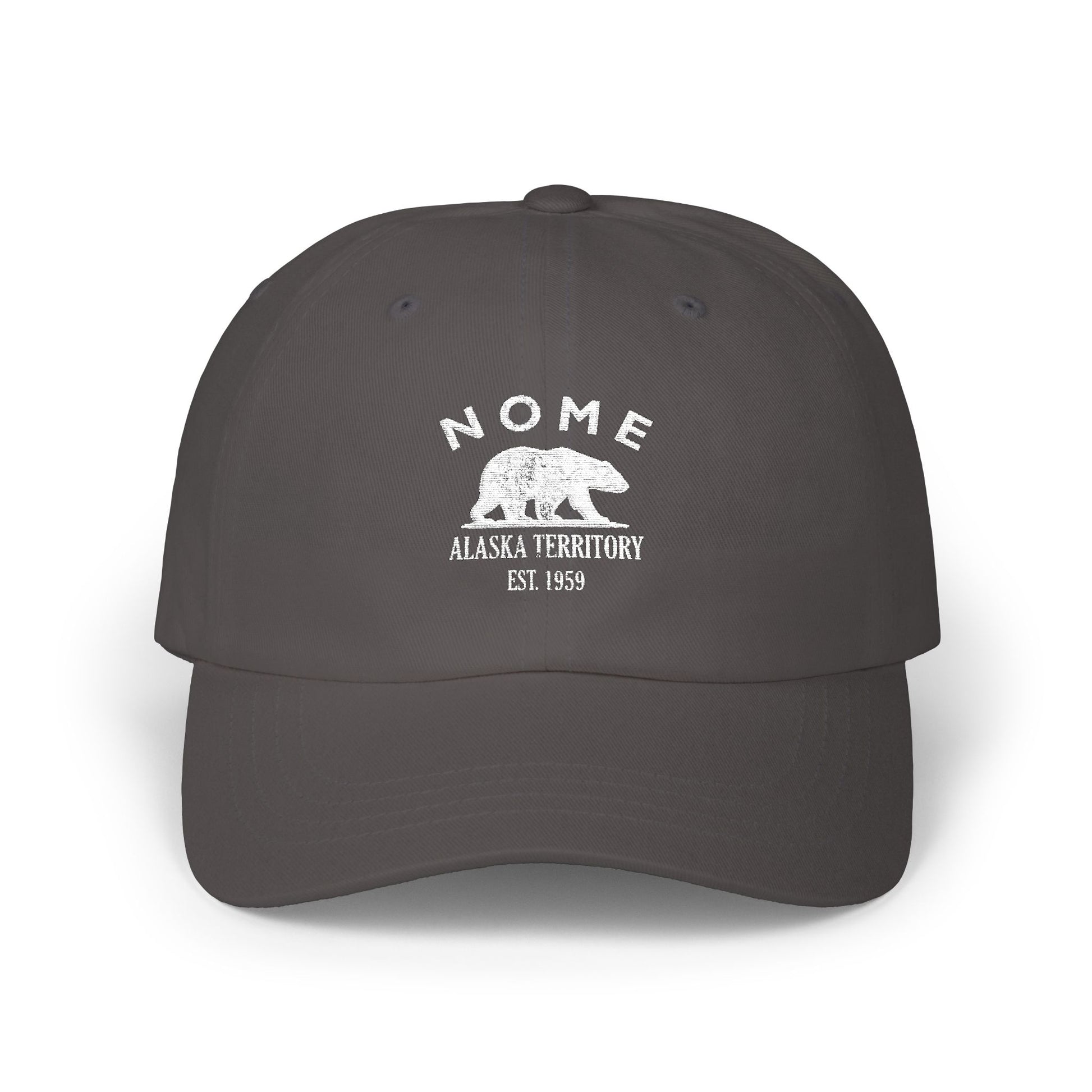
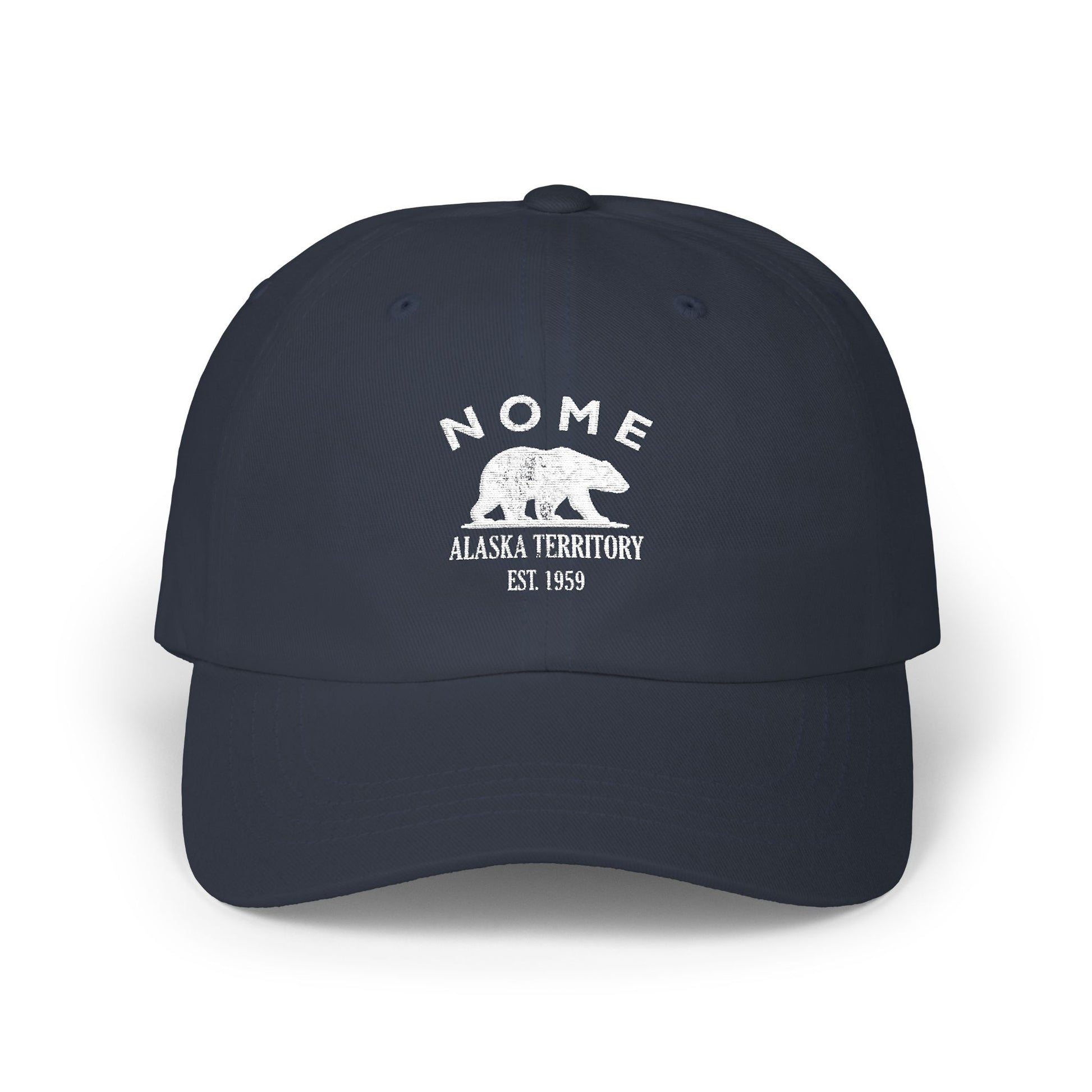
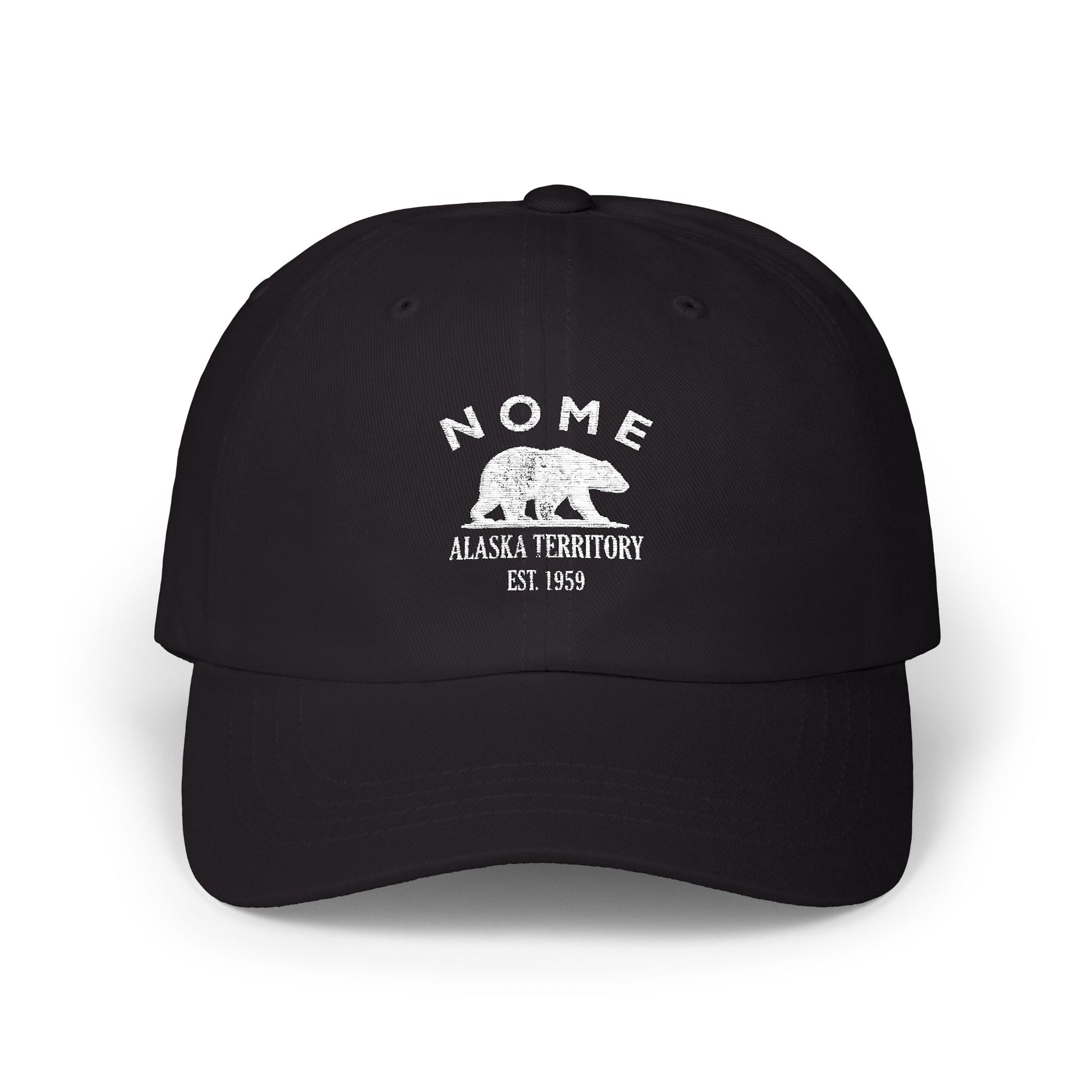
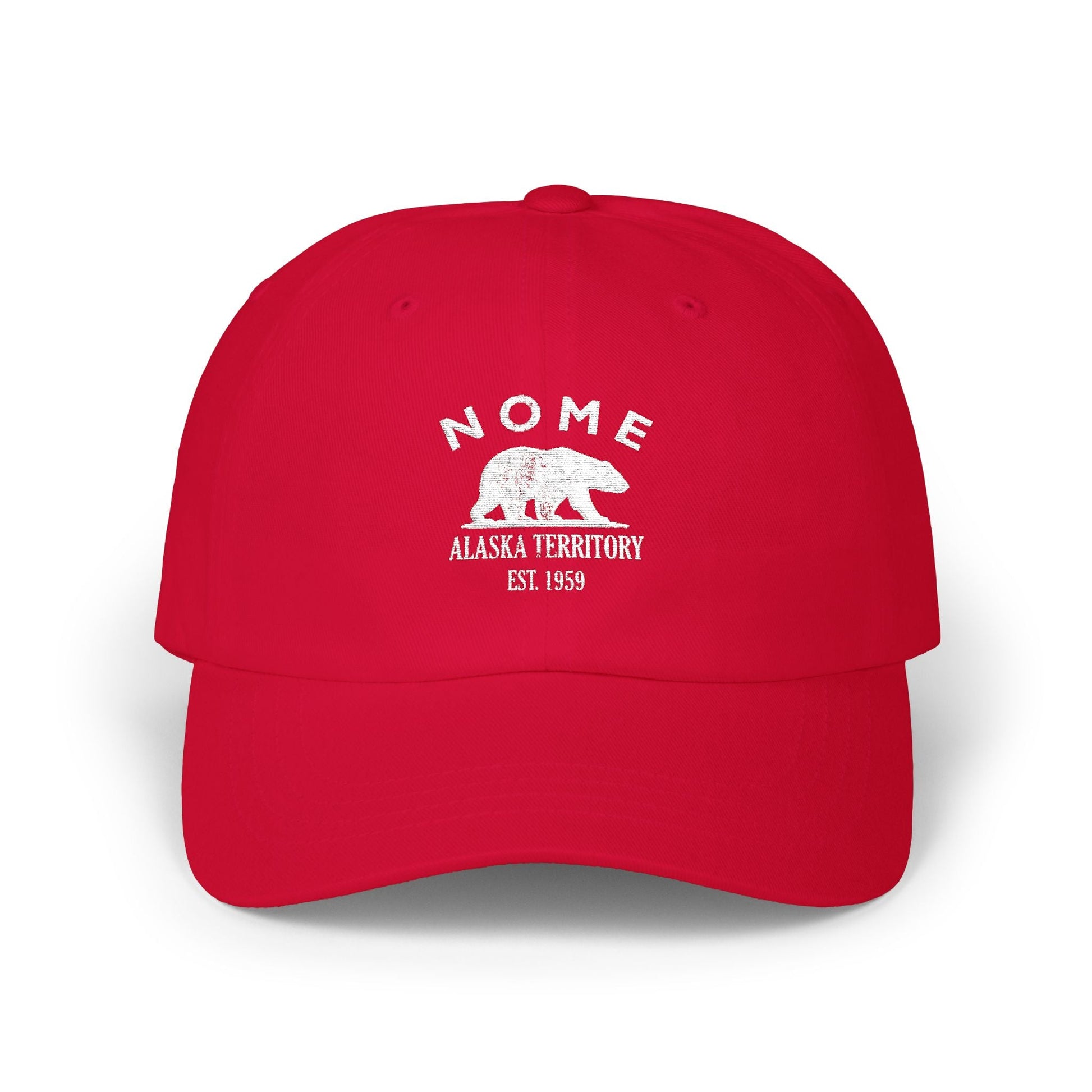
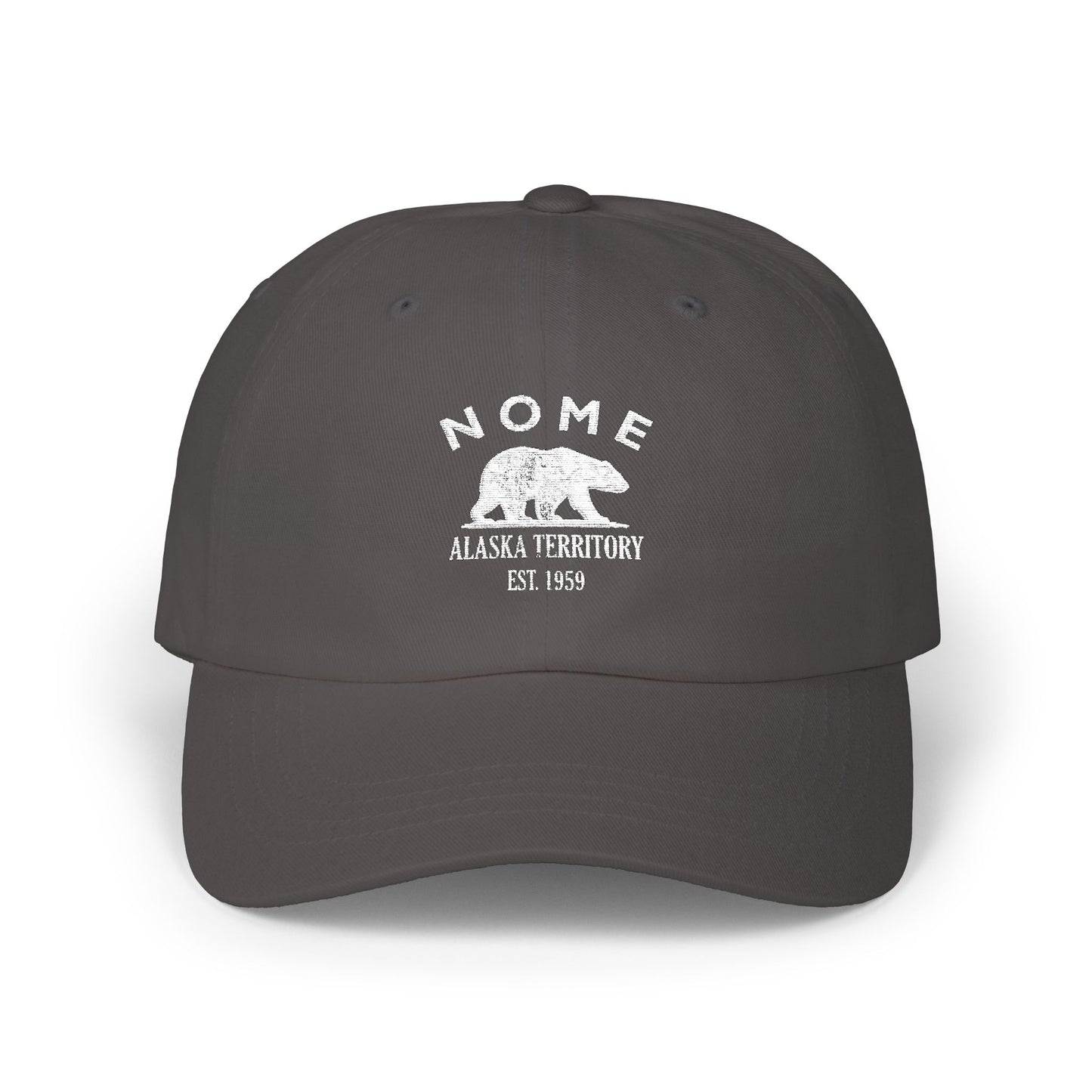
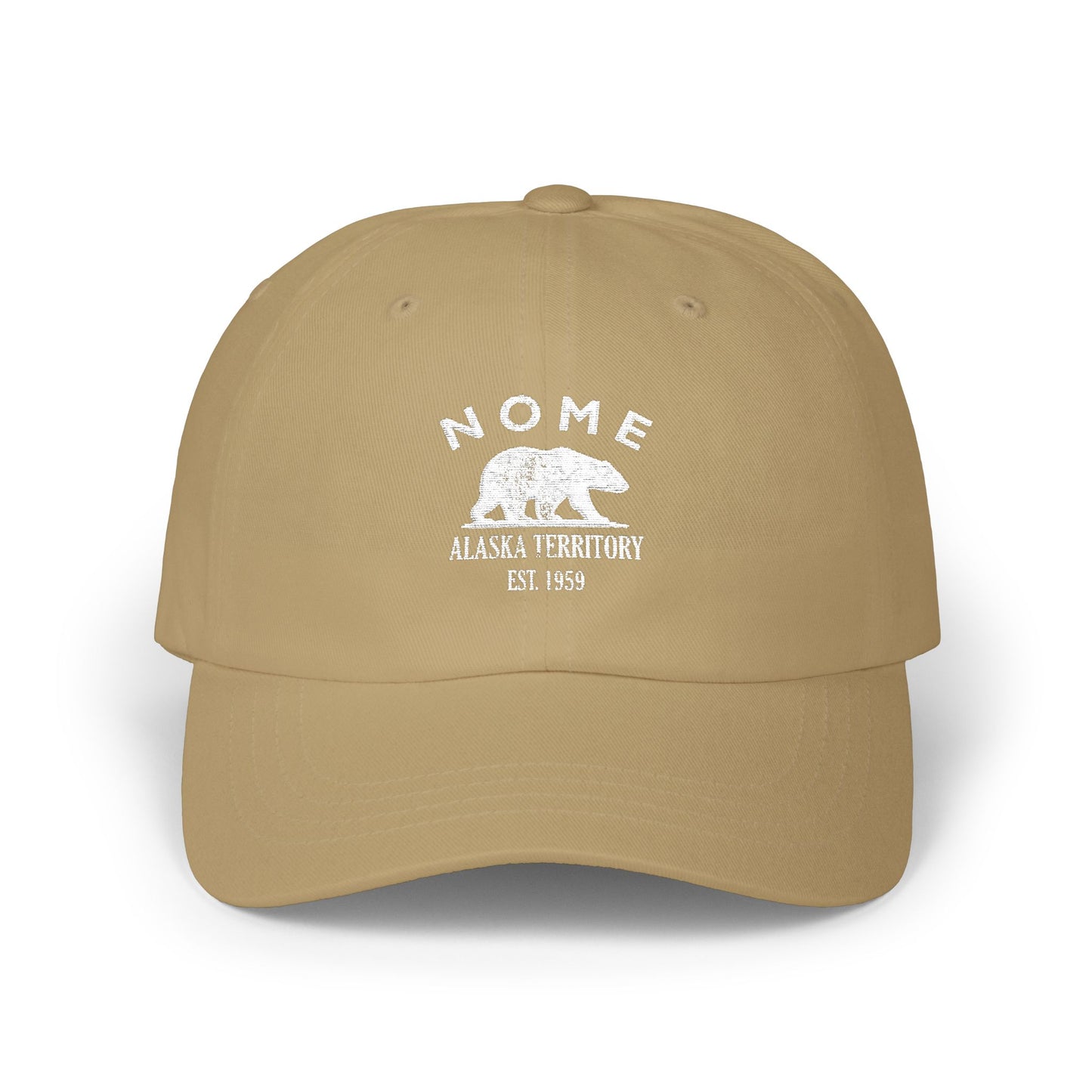
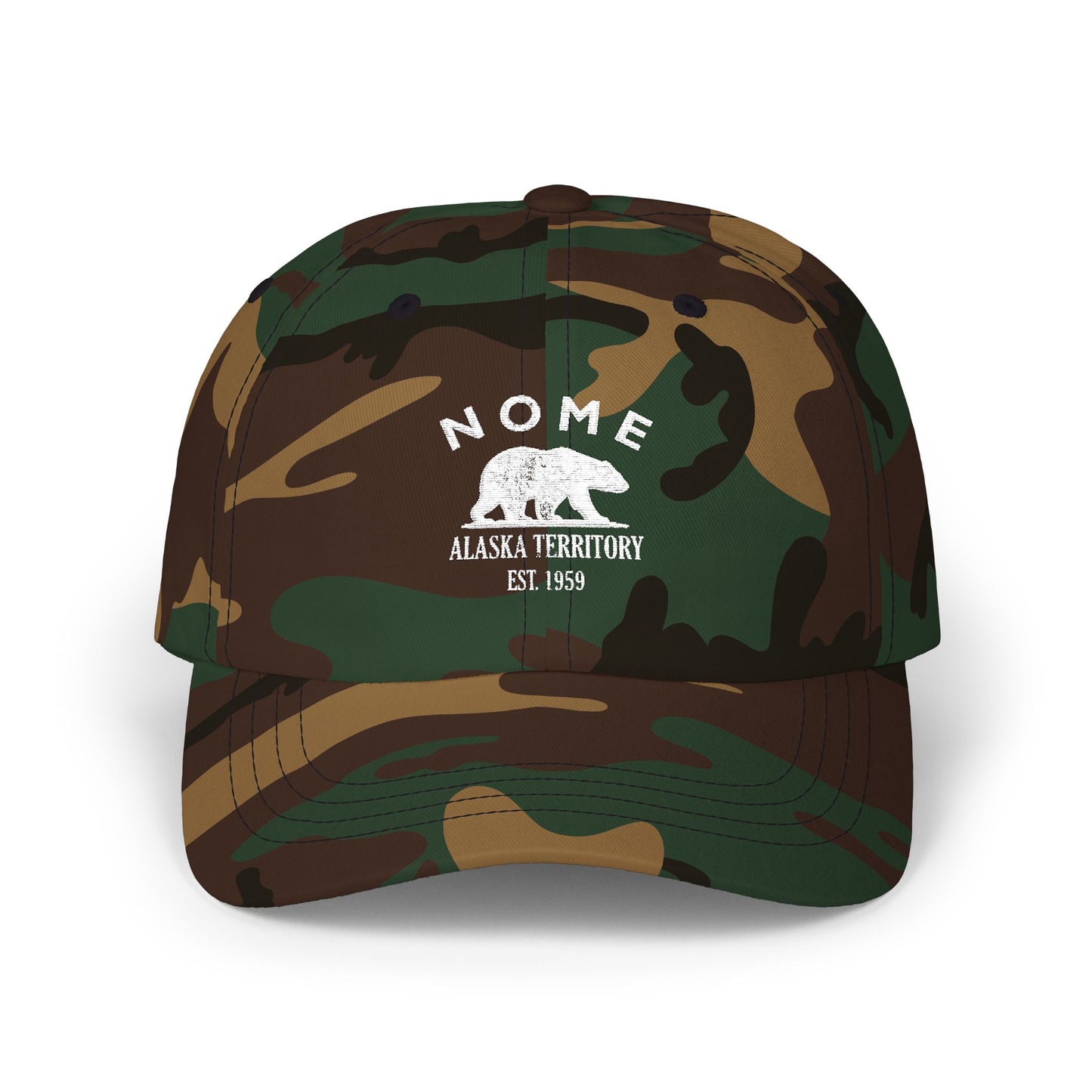
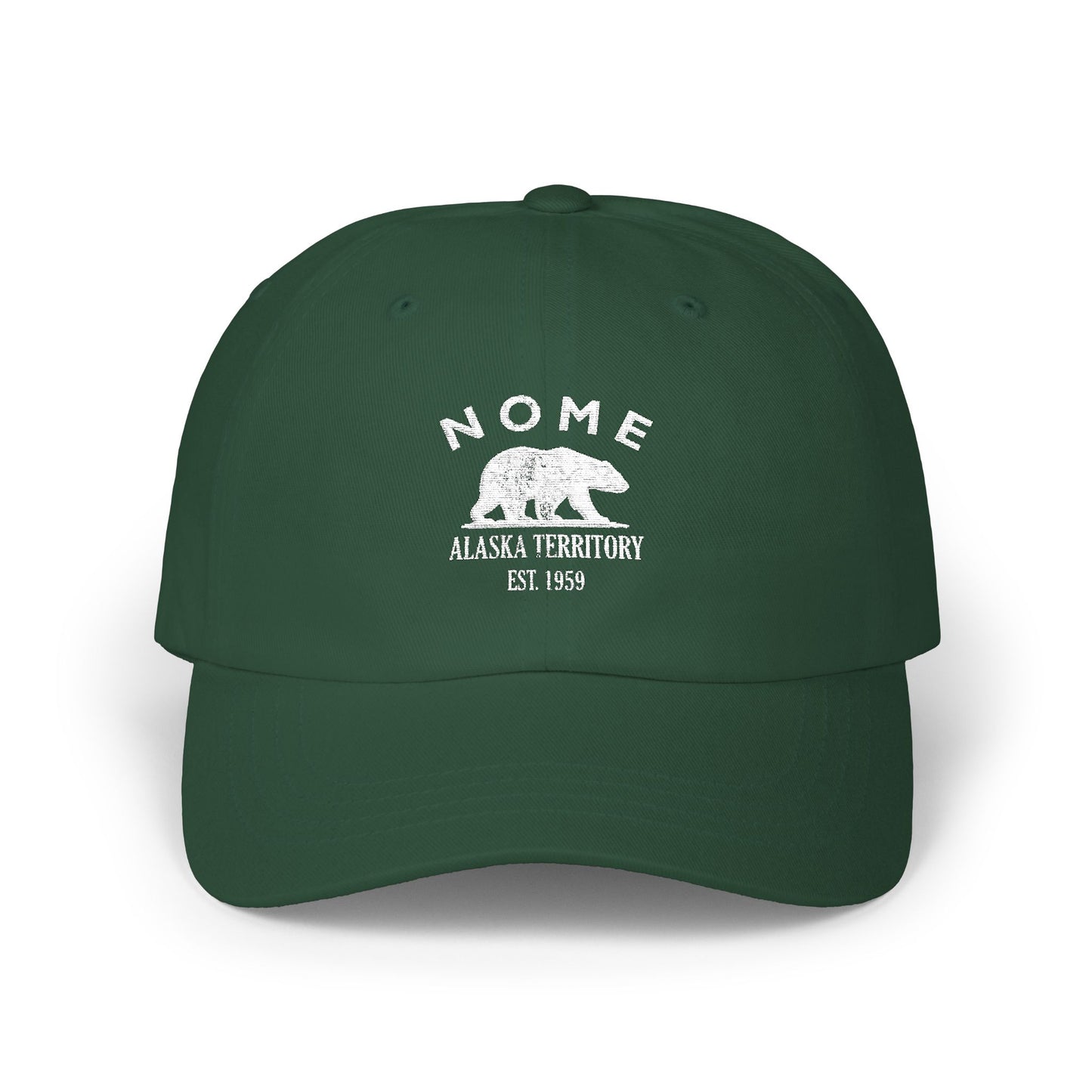
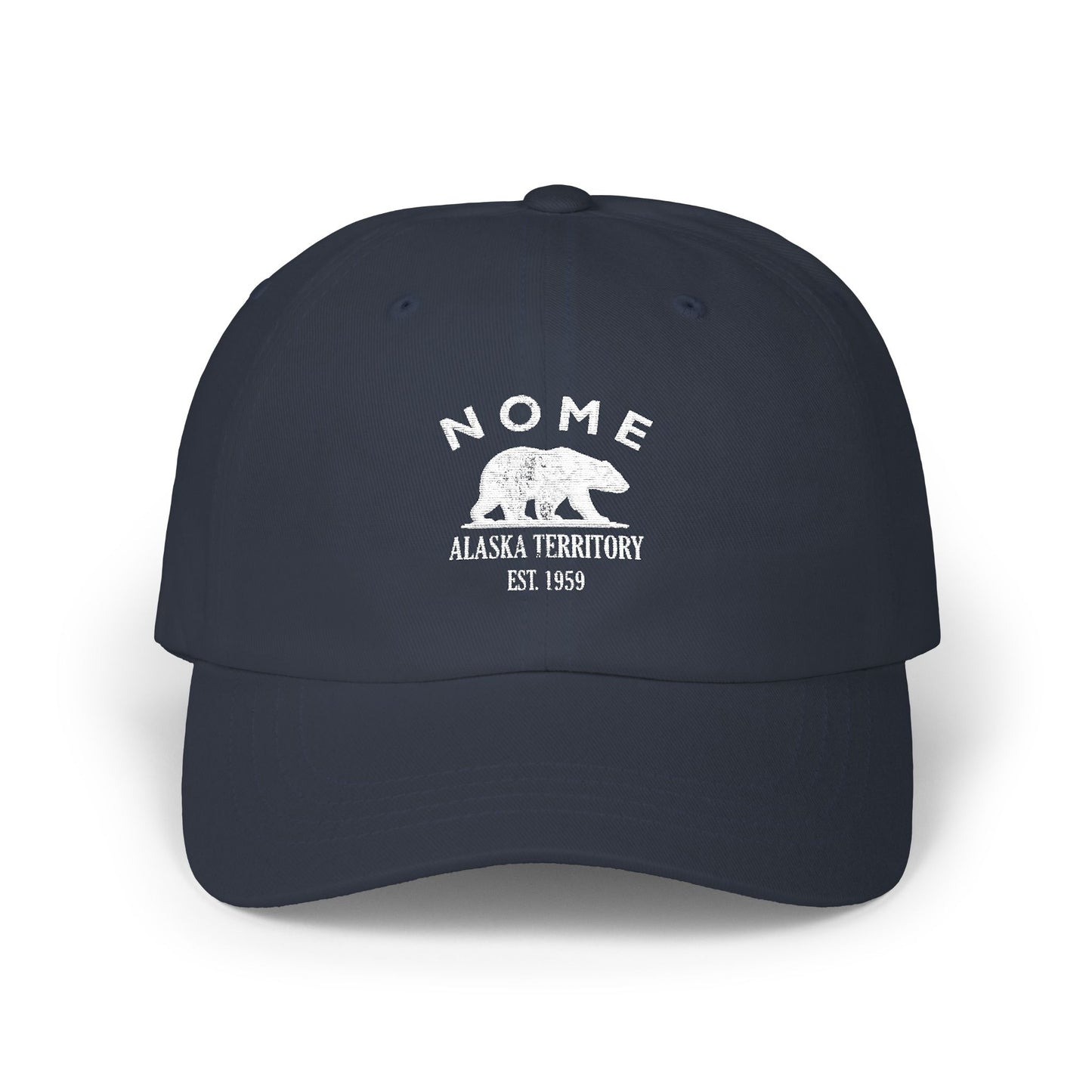
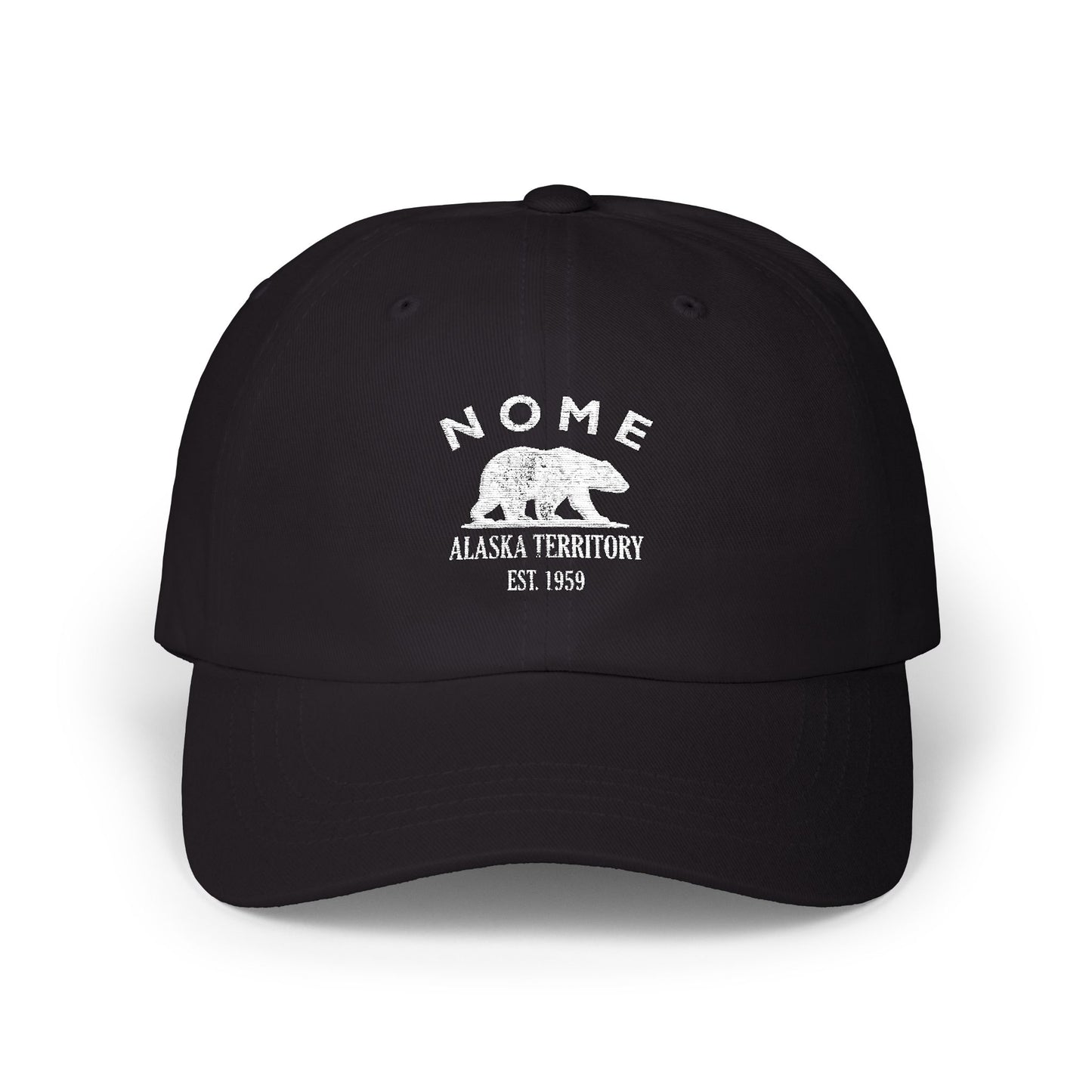
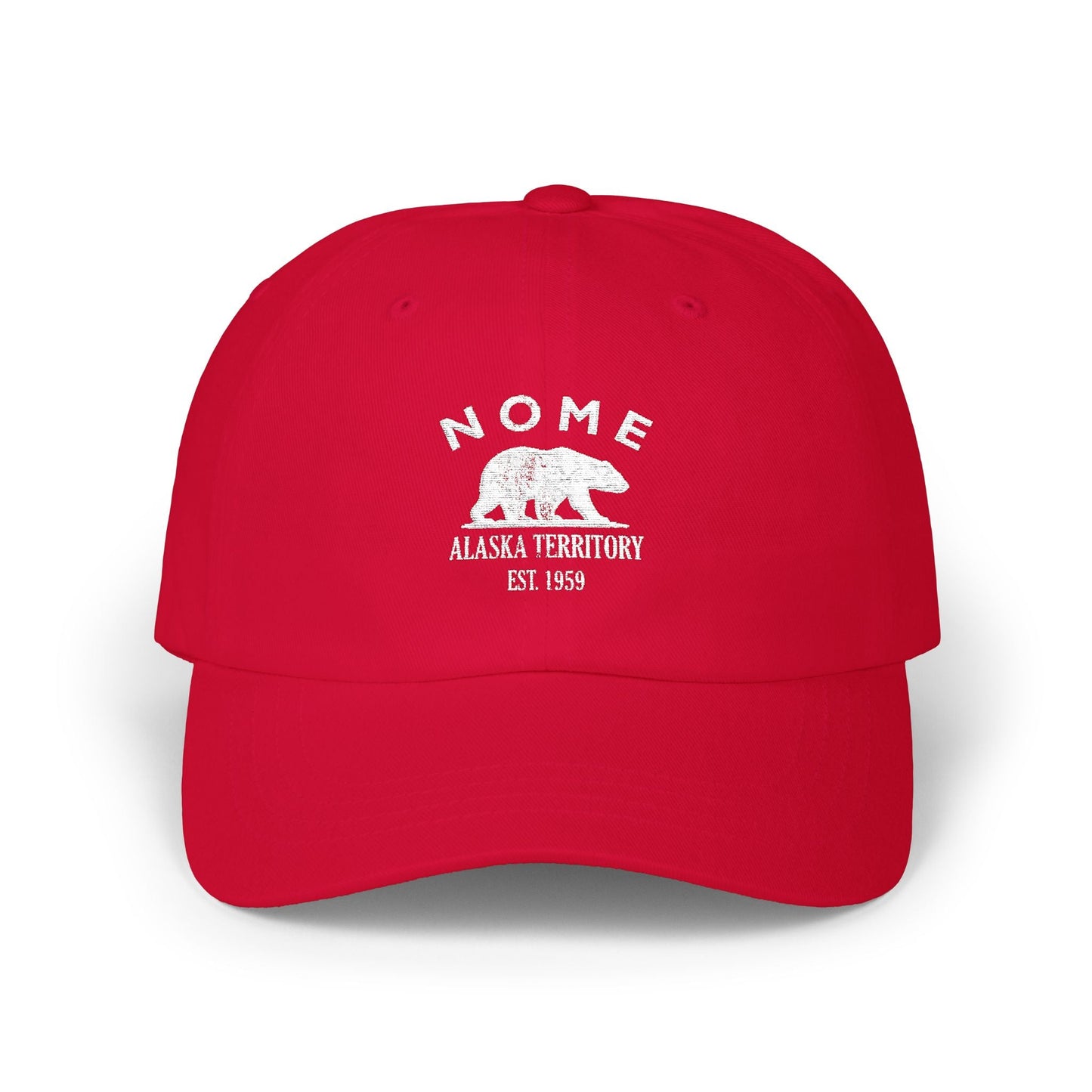
Today Nome is remembered as a Gold Rush town and celebrated as a resilient Arctic community. Its story blends Indigenous heritage, frontier ambition, and cultural pride. Our Nome designs celebrate this layered identity, pairing the bear motif with vintage styling. They invite you to explore the Nome collection and carry forward a reminder of Alaska's resilience. Retro in tone, the logo reflects toughness, heritage, and authenticity. Nome's emblem honors both frontier and Indigenous identity, making it a vintage symbol of Alaska's story. Explore the collection and share in Nome's enduring pride and resilience.
After the initial rush, Nome declined but endured through fishing, reindeer herding, and trade. The 1925 diphtheria serum run cemented its fame, as mushers carried medicine across hundreds of miles in harsh conditions. By the 1950s and 1960s, Nome balanced mining, subsistence, and modest suburban growth. Its timeline reflects Alaska's adaptability: Gold Rush boomtown transformed into resilient Arctic community. Nome's mid-century decades emphasized community pride, resilience, and heritage. The town adapted to storms, isolation, and shifting economies, making it a lasting cultural symbol of frontier toughness and endurance across generations of Indigenous and frontier communities.
Why People Visit Nome Alaska
Nome offers gold-rush history, sled-dog-racing tradition, Bering Sea geography, and tundra landscapes that few places combine. Visitors come for the Iditarod finish in March, the 1898 gold rush and 1925 Serum Run heritage, the Bering Strait proximity to Russia, the aurora overhead, and the simple fact that the road runs out here. It is remote, resilient, and unforgettable.
