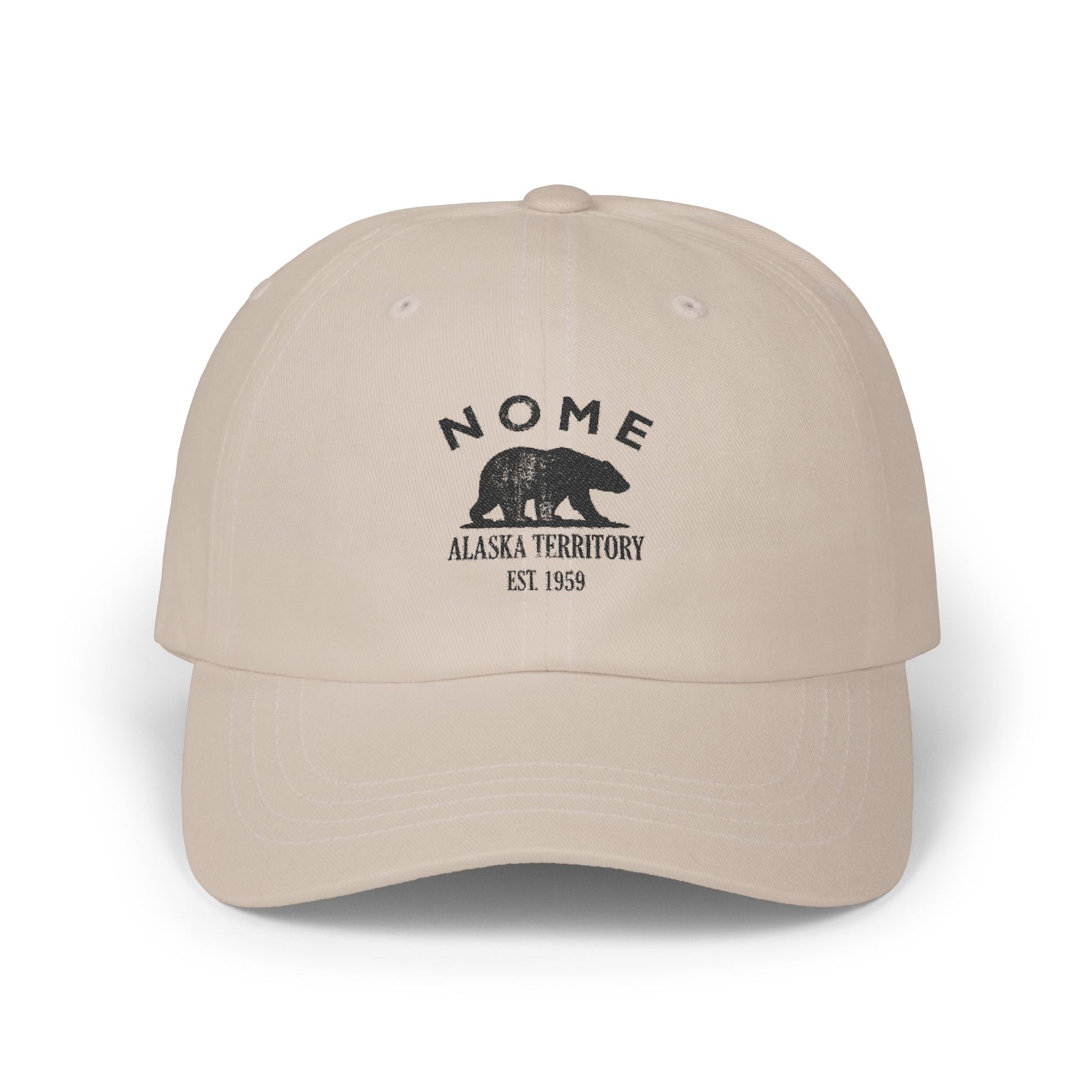
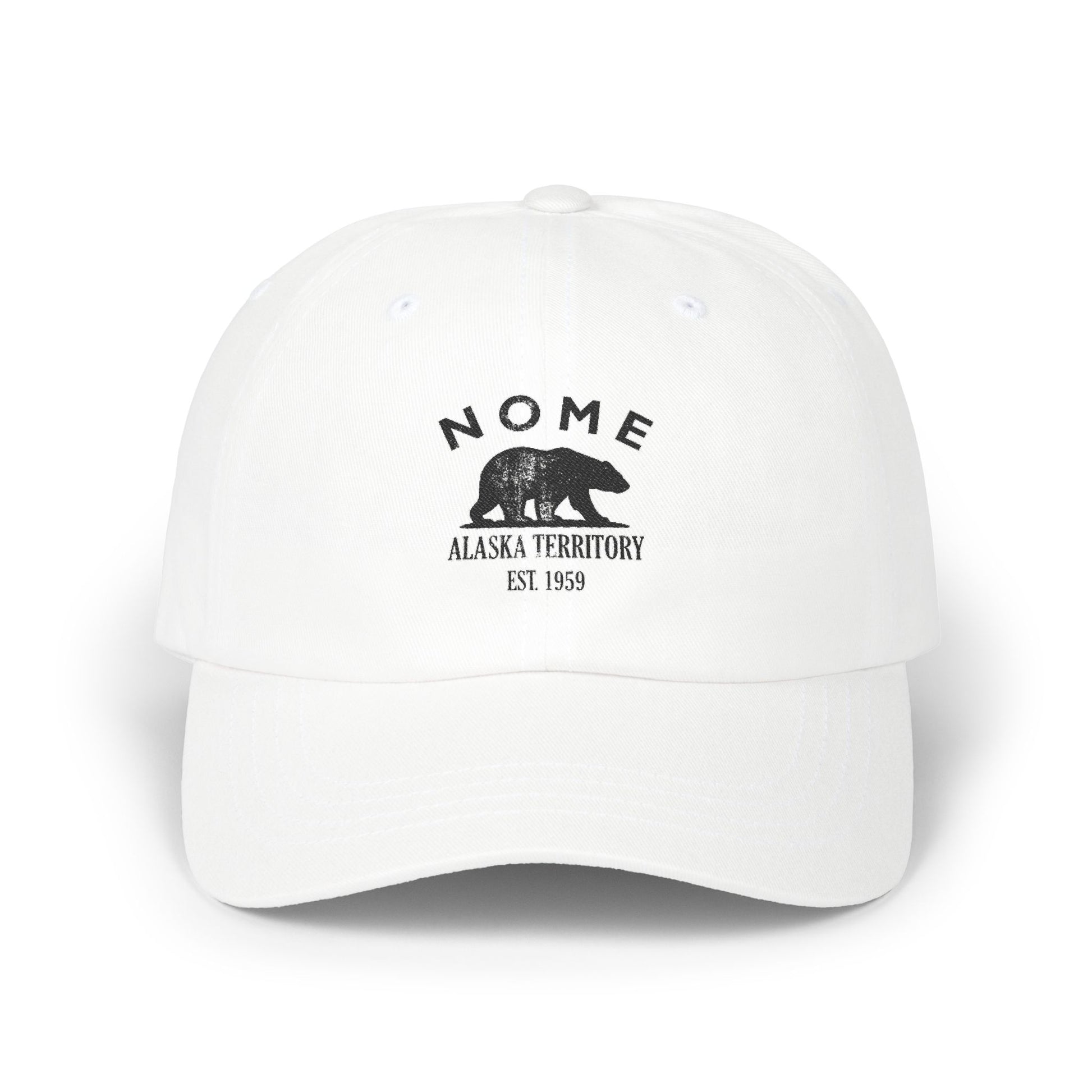
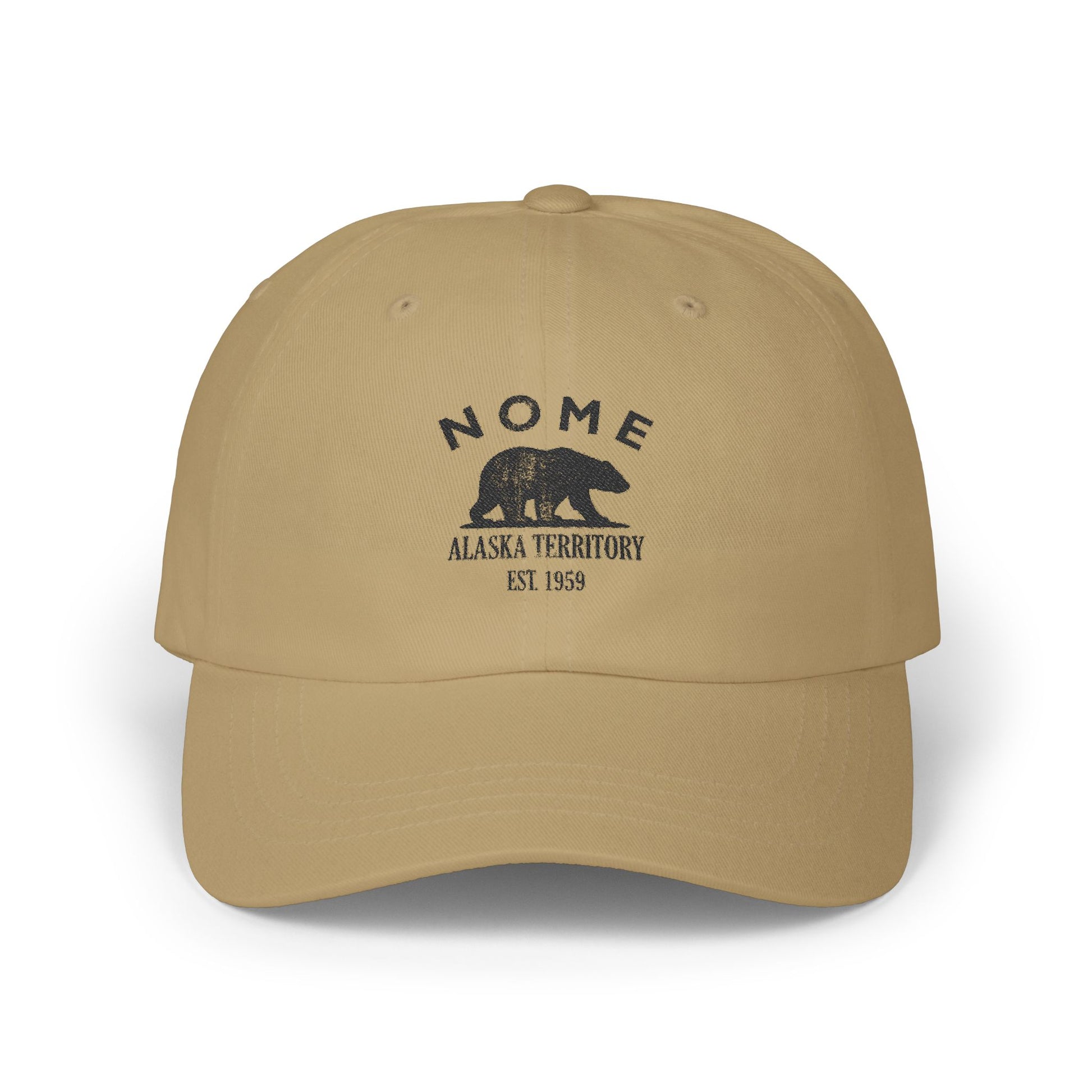
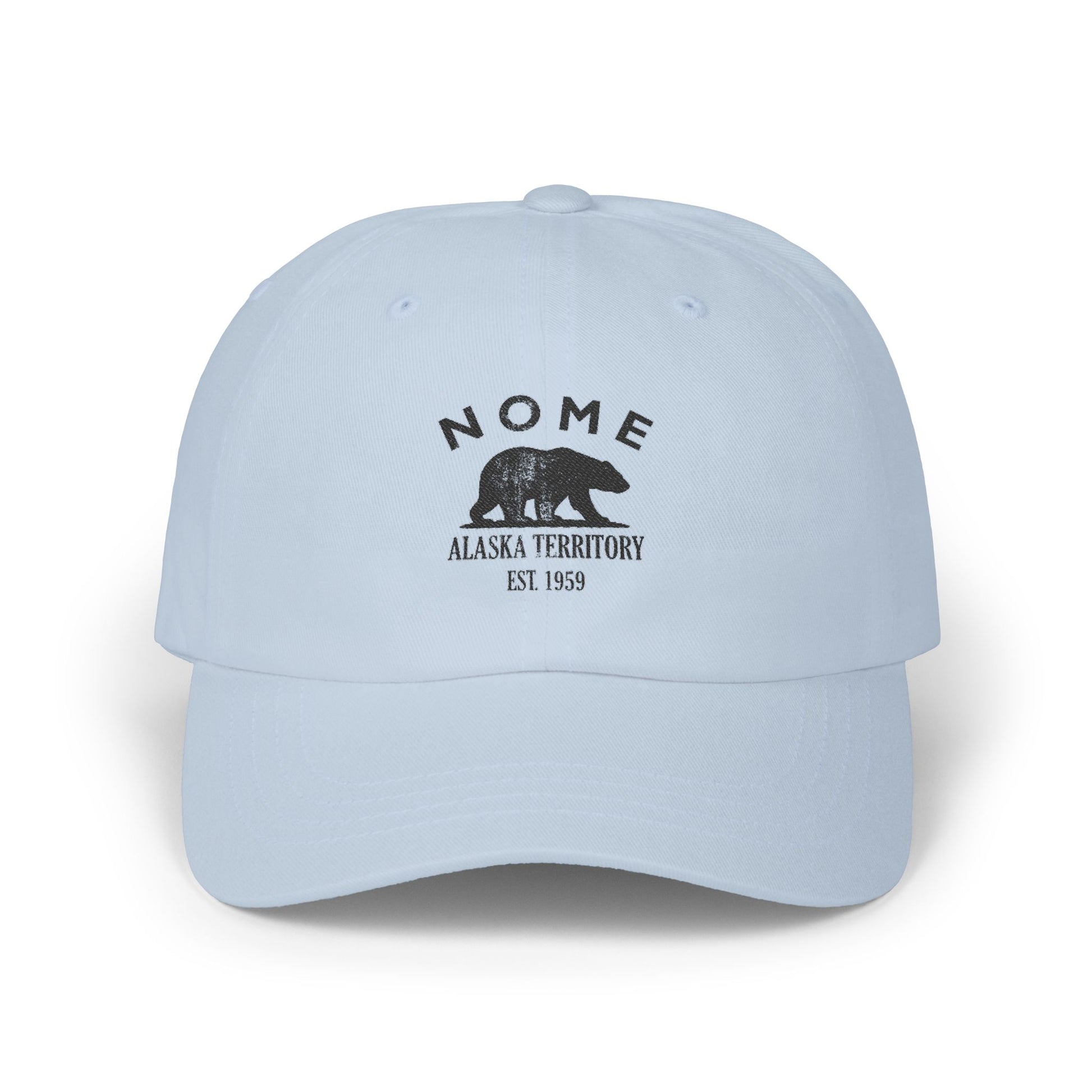

After the initial rush, Nome declined but endured through fishing, reindeer herding, and trade. The 1925 diphtheria serum run cemented its fame, as mushers carried medicine across hundreds of miles in harsh conditions. By the 1950s and 1960s, Nome balanced mining, subsistence, and modest suburban growth. Its timeline reflects Alaska's adaptability: Gold Rush boomtown transformed into resilient Arctic community. Nome's mid-century decades emphasized community pride, resilience, and heritage. The town adapted to storms, isolation, and shifting economies, making it a lasting cultural symbol of frontier toughness and endurance across generations of Indigenous and frontier communities.
Nome's lore includes tales of gold nuggets found on beaches, myths of treasure hidden in tundra, and legendary dog teams saving lives in 1925. Residents recall parades, fairs, and cultural festivals of the 1950s. Families remembered storms testing resilience, rebuilding traditions, and cultural celebrations. Lore reflects both myth and memory, emphasizing resilience, authenticity, and cultural continuity. Nome's stories highlight its dual identity: boomtown of ambition and Arctic town of endurance. These tales reflect Alaska's character: survival, heritage, and cultural pride, ensuring Nome remained central in both state history and American frontier mythology.
Why People Visit Nome Alaska
- Stand at the Burled Arch on Front Street, the iconic finish line of the Iditarod Trail Sled Dog Race since 1975, where every musher finishes the thousand-mile run from Anchorage.
- Visit the Carrie M. McLain Memorial Museum, holding artifacts from 1898 Anvil Creek gold rush, the 1925 Serum Run, and Iñupiat cultural collections from the Seward Peninsula.
- Drive Cape Nome Road and the Nome-Council Highway, one of three gravel roads that connect Nome to the surrounding peninsula — wide tundra views, seabirds, summer wildflowers, and muskox sightings.
- See the abandoned gold dredges scattered across the tundra outside town, massive industrial relics from 1920s-30s deep dredging operations.
- Visit Anvil Creek, the original 1898 gold discovery site a few miles north of town.
- See the White Alice towers on Anvil Mountain, four enormous tropospheric-scatter antennas from the Cold War US Air Force communications system in operation 1957-1979, accidentally photogenic against the Arctic sky.
- Walk Front Street and the Snake River mouth at the breakwater, where driftwood, salt air, and the working harbor meet the Bering Sea.
- Stop at St. Joseph's Catholic Church, completed in 1901 — one of the few structures to survive the 1934 city fire.
- Observe the aurora borealis from September through March on clear nights — Nome's long subarctic winter darkness makes it one of the best aurora-viewing locations in Alaska.
