



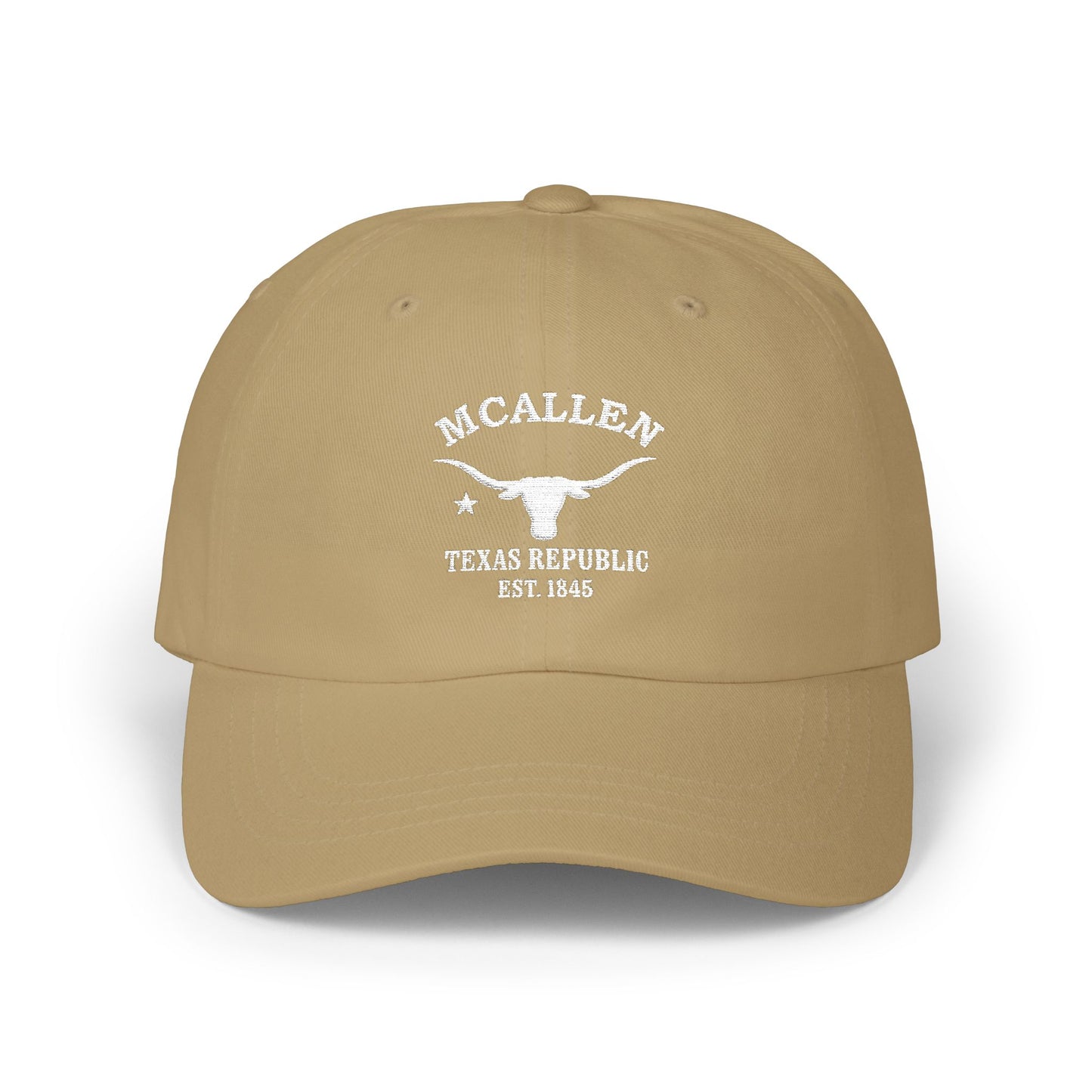

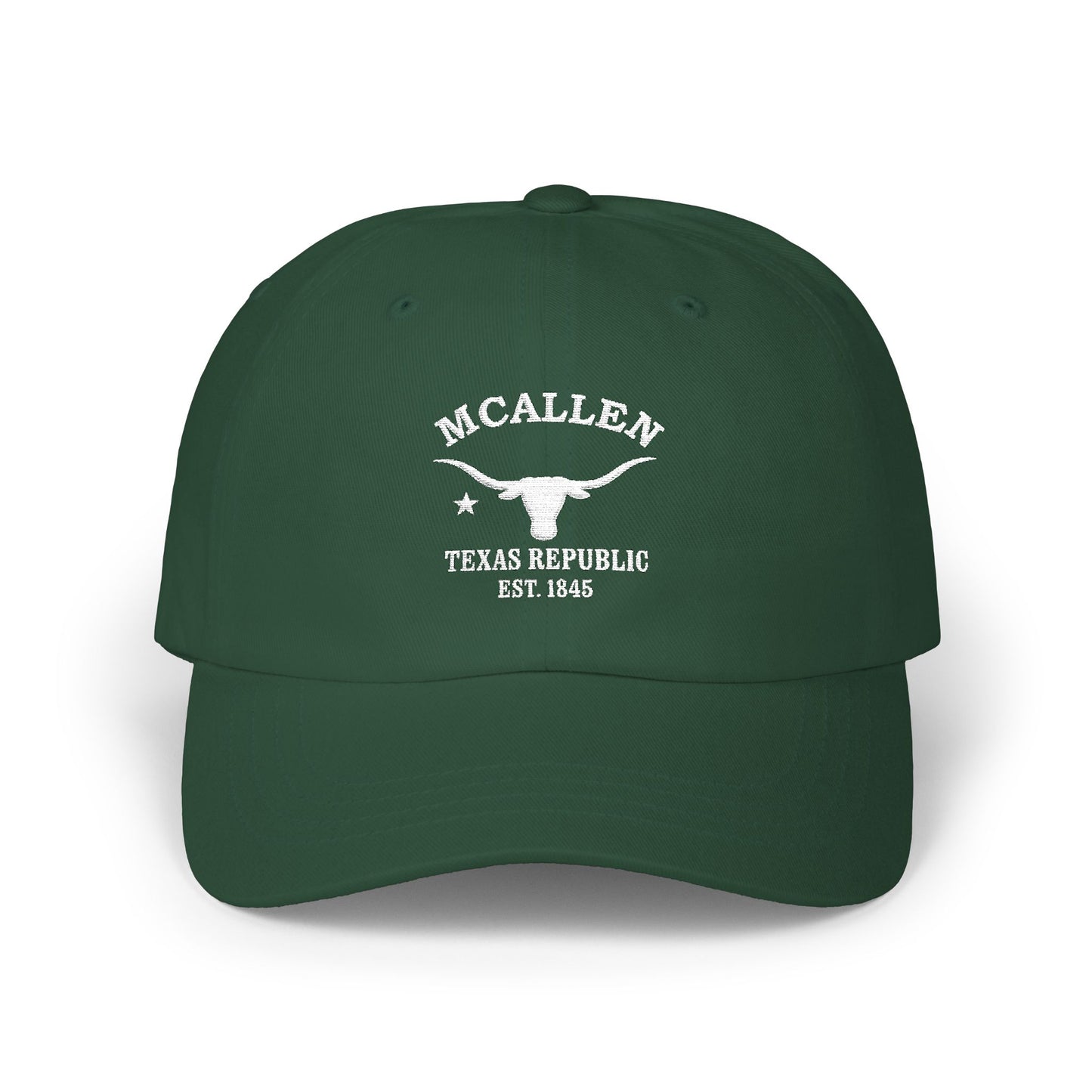

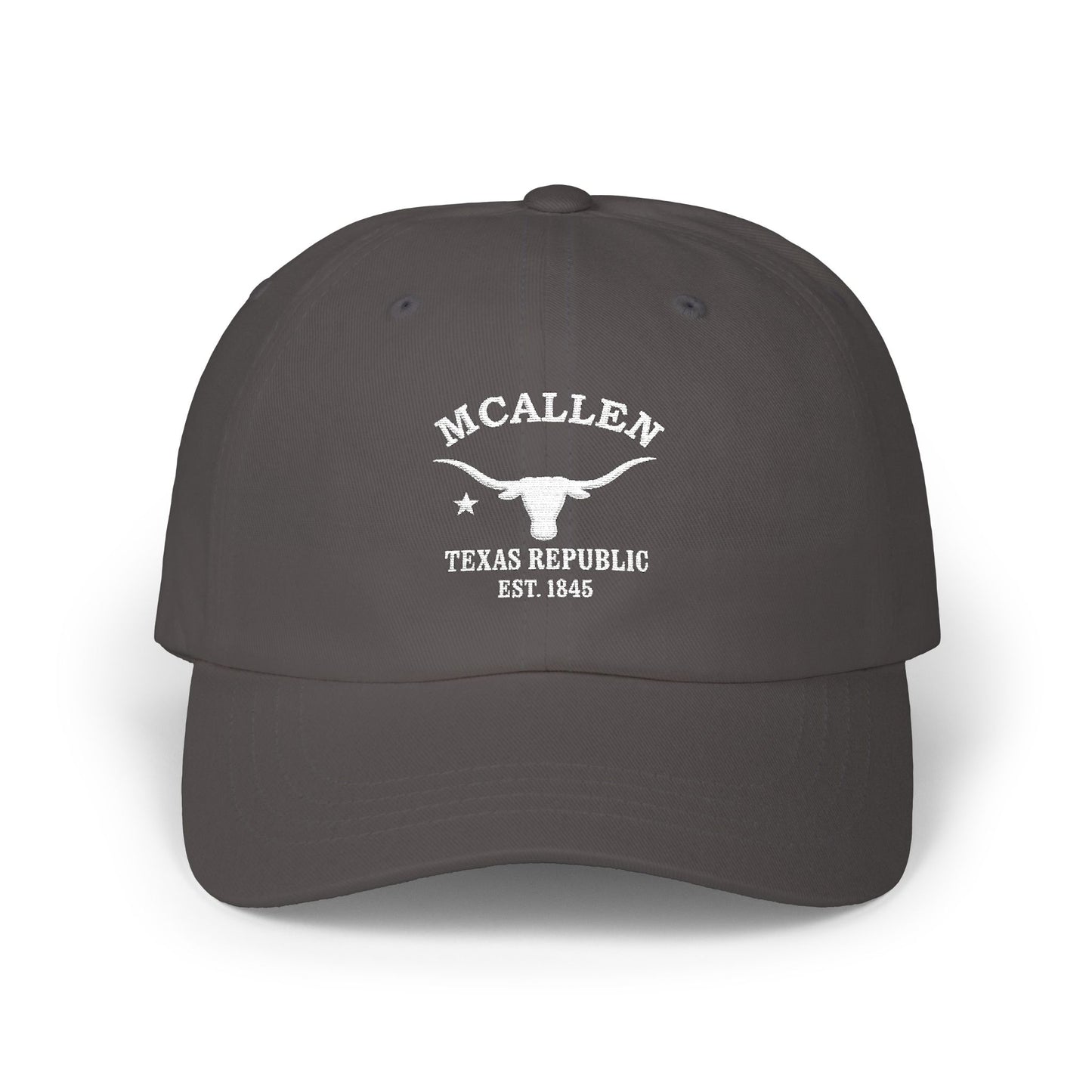

And then there is the river. McAllen sits on the north bank of the Rio Grande, and the Valley it anchors is genuinely one place living under two flags — McAllen on the Texas side, Reynosa just across the water, joined by international bridges and by family, food, music, and trade that cross daily in both directions. It is a bilingual, bicultural city where Tejano roots run deep and the kitchen, the language, and the calendar all belong to the borderland. The river is a line on a map; the Valley does not treat it as much of a divider.
McAllen is the City of Palms, the heart of the Rio Grande Valley — a railroad town turned border city where Texas turns tropical and two countries share one valley. Our McAllen designs gather that into wearable form. Wear the City of Palms. Heart of the Rio Grande Valley.
Why People Visit McAllen
McAllen offers something rare — a subtropical Texas city where world-class birding, citrus country, and a living bi-national culture all sit within easy reach. Visitors come for the palms and the birds, stay for the food and the warmth, and leave understanding why this corner of Texas calls itself the City of Palms.
