


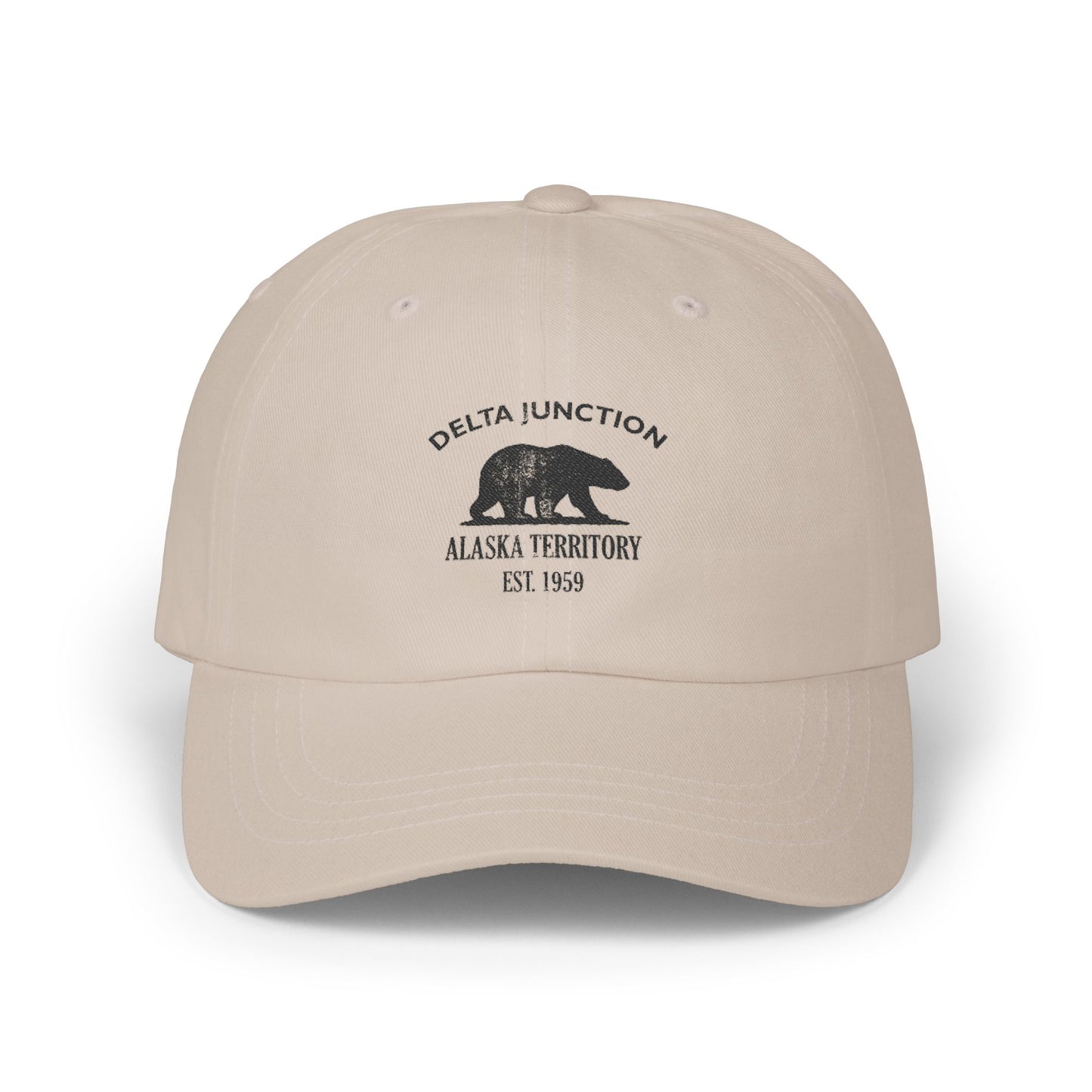
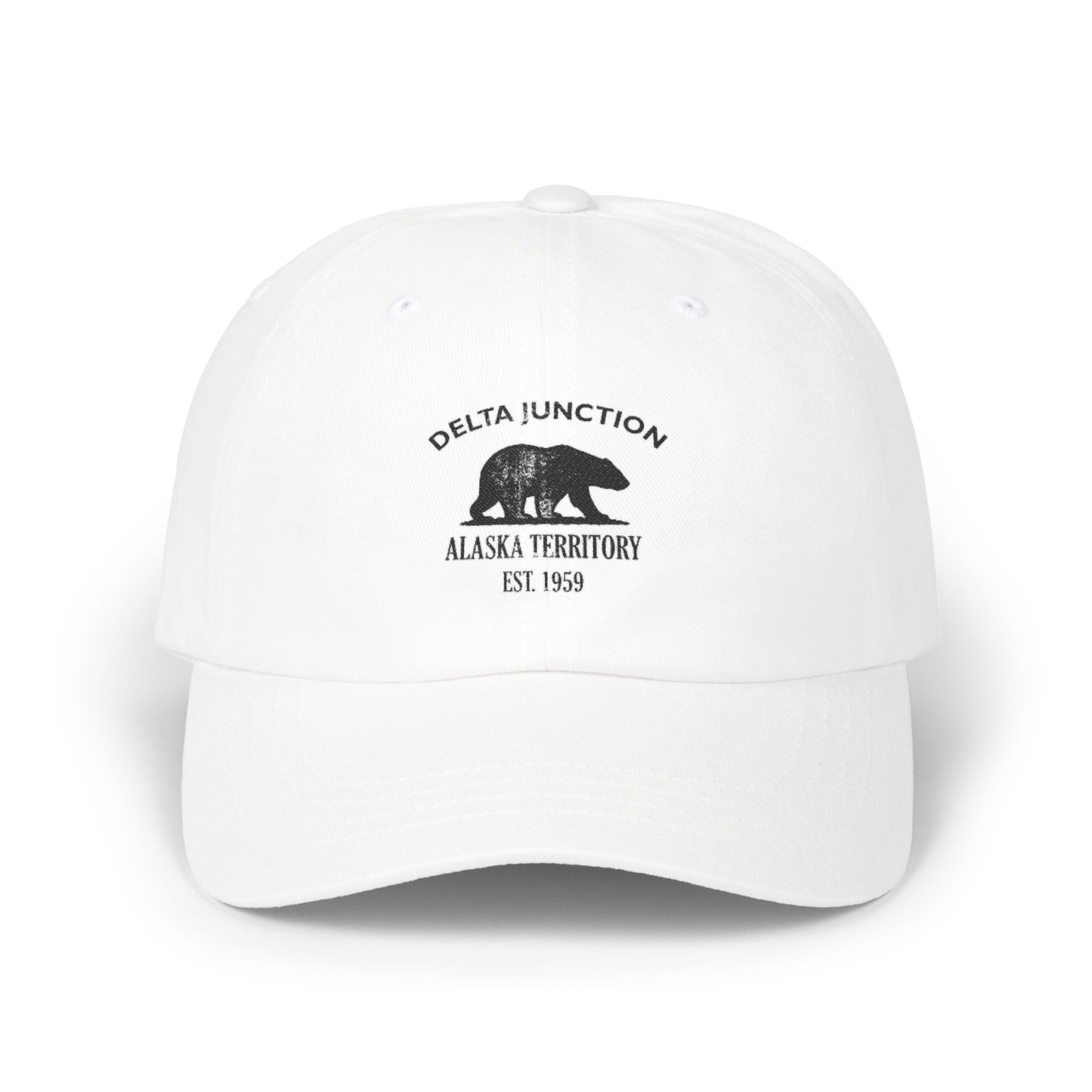
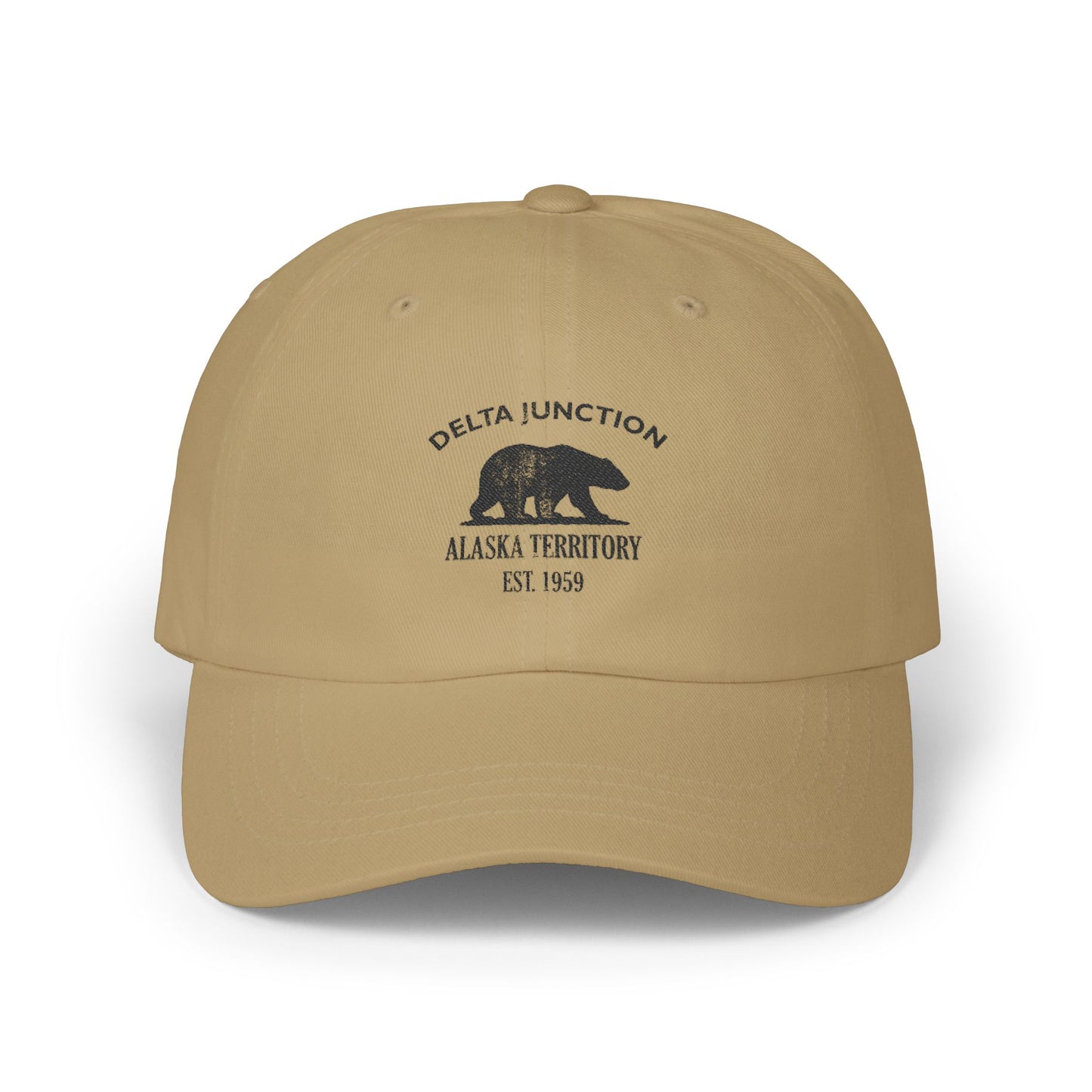
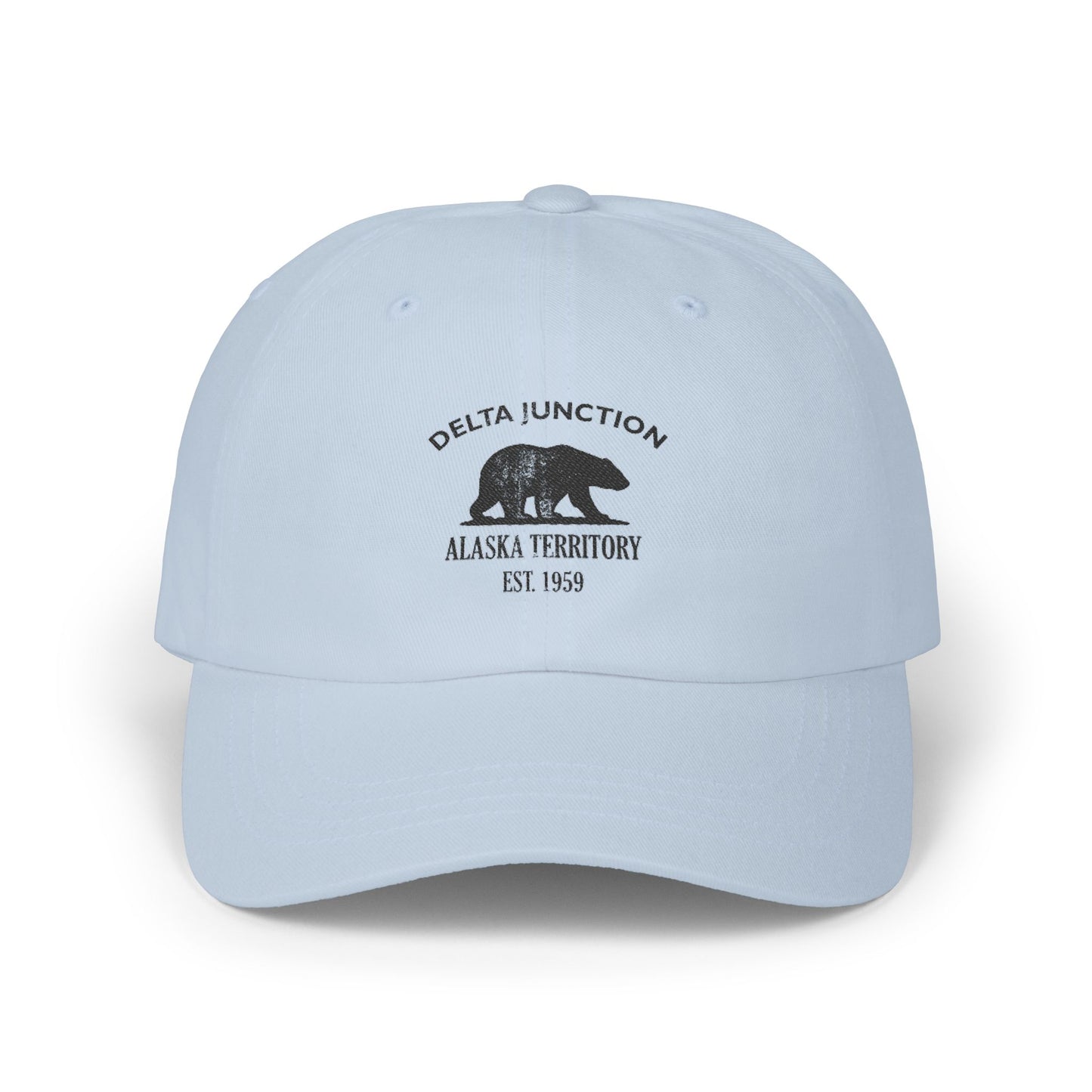
What made the town was the road. In 1942 the Alaska Highway was pushed through as a wartime supply route, and Delta Junction became its terminus — Milepost 1422, where the new highway met the older Richardson Highway running up from Valdez. A construction camp turned into a community; Fort Greely was established nearby in the 1950s; and the fertile valley grew into one of Alaska's few real farming districts, raising barley and hay alongside the bison. Delta Junction incorporated as a city in 1960. Today it's still the place where the Alaska Highway ends and the certificates get signed, a small Interior town that earns its travelers.
And then there are the buffalo. The herd the government released in the 1920s never left — it roams free on the Delta Bison Range to this day, a few hundred animals strong, and it's the reason the town was once called Buffalo Center and why a bison silhouette still feels like the truest emblem of the place. Between the highway's end, the free-roaming herd, the old roadhouses, and the valley farms, Delta Junction has a stack of genuinely Alaskan identities most towns its size could never claim — earned at the end of the longest road on the continent.
Why People Visit Delta Junction Alaska
- Get your photo and certificate at the End of the Alaska Highway, Milepost 1422, at the Triangle.
- Visit Big Delta State Historical Park and Rika's Roadhouse (1909) on the Tanana River.
- Tour Sullivan Roadhouse, among the oldest in Interior Alaska, by the visitor center.
- Watch for the free-roaming Delta bison herd on the Delta Bison Range.
- Fish and camp at Quartz Lake, and catch the Deltana Fair in late July.
