


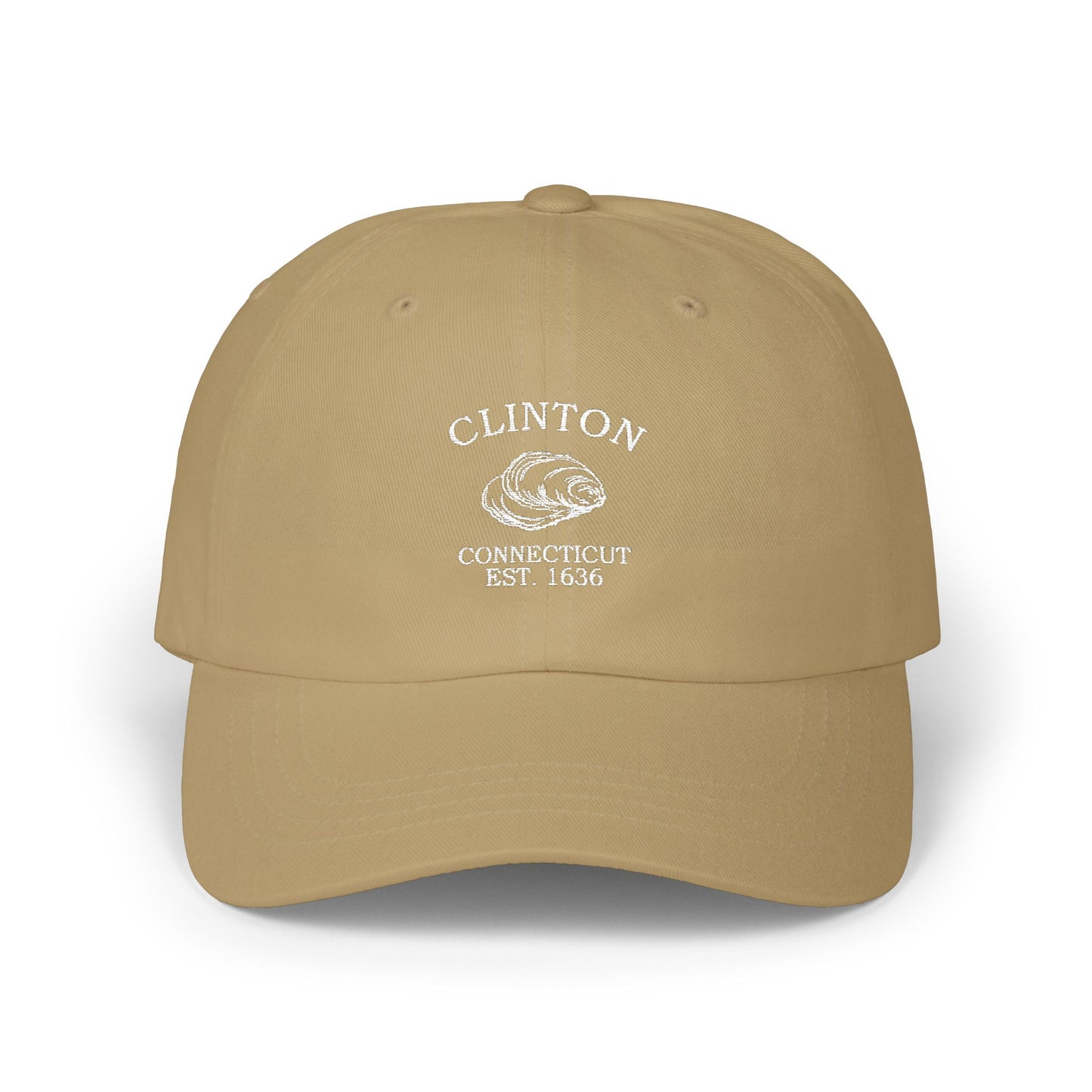
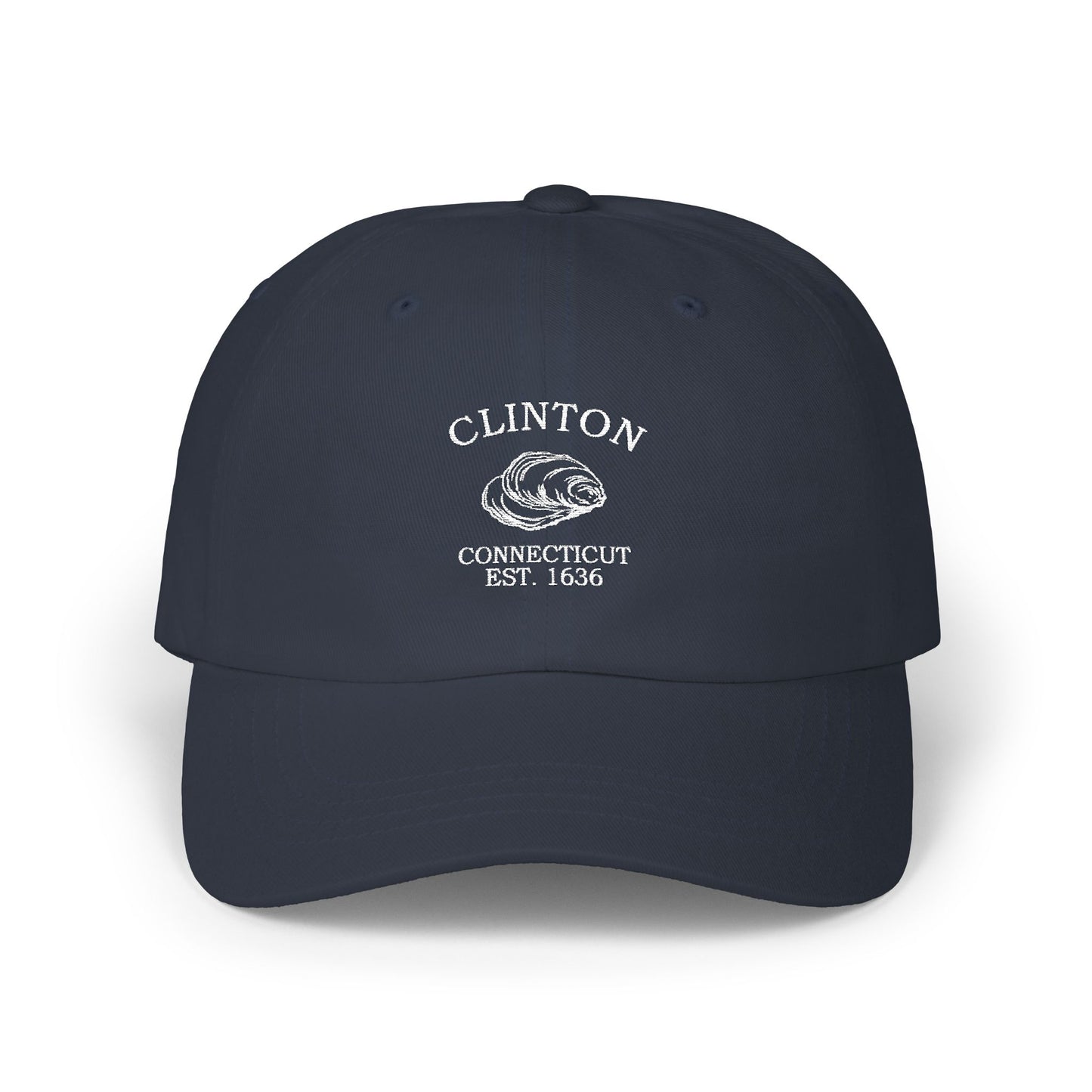

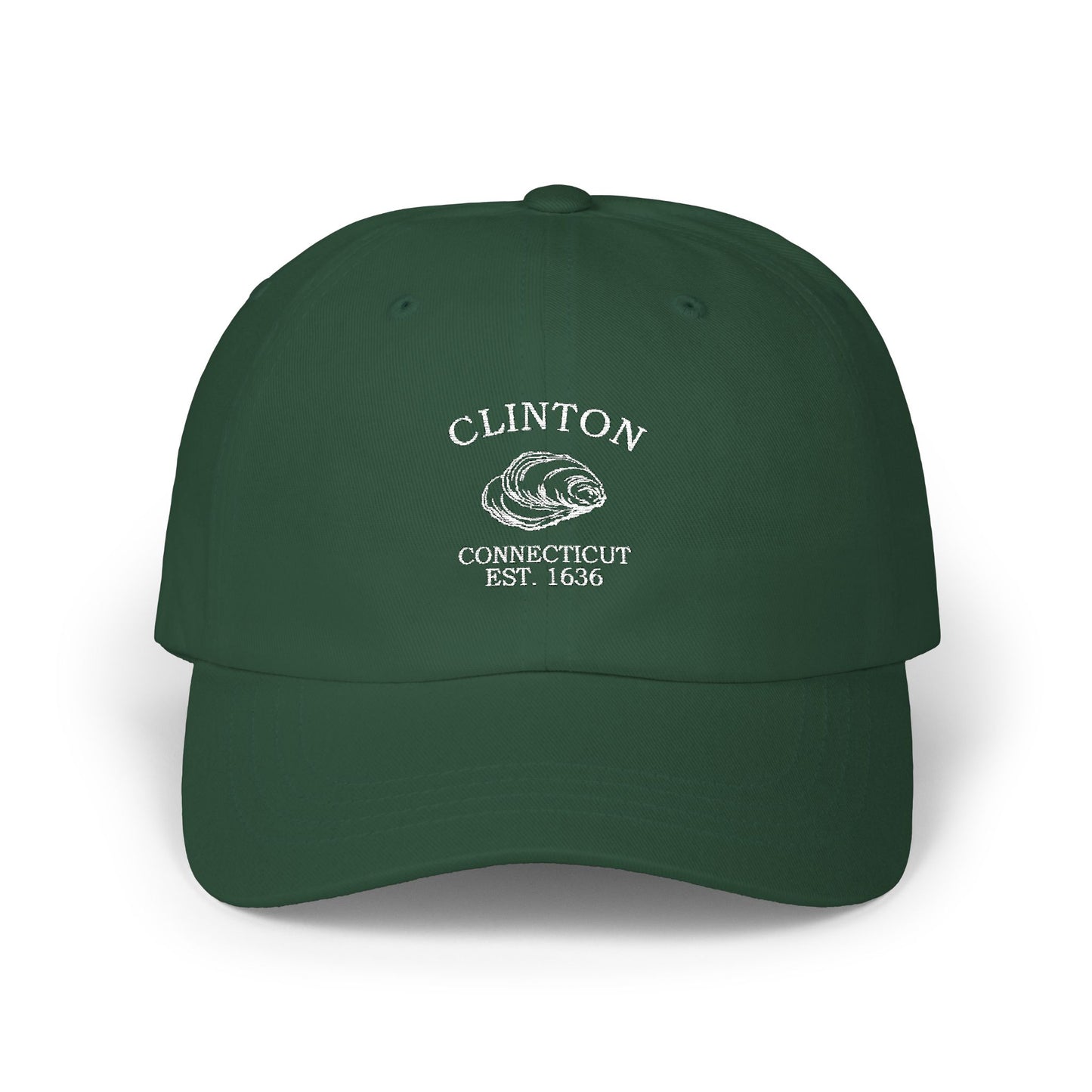
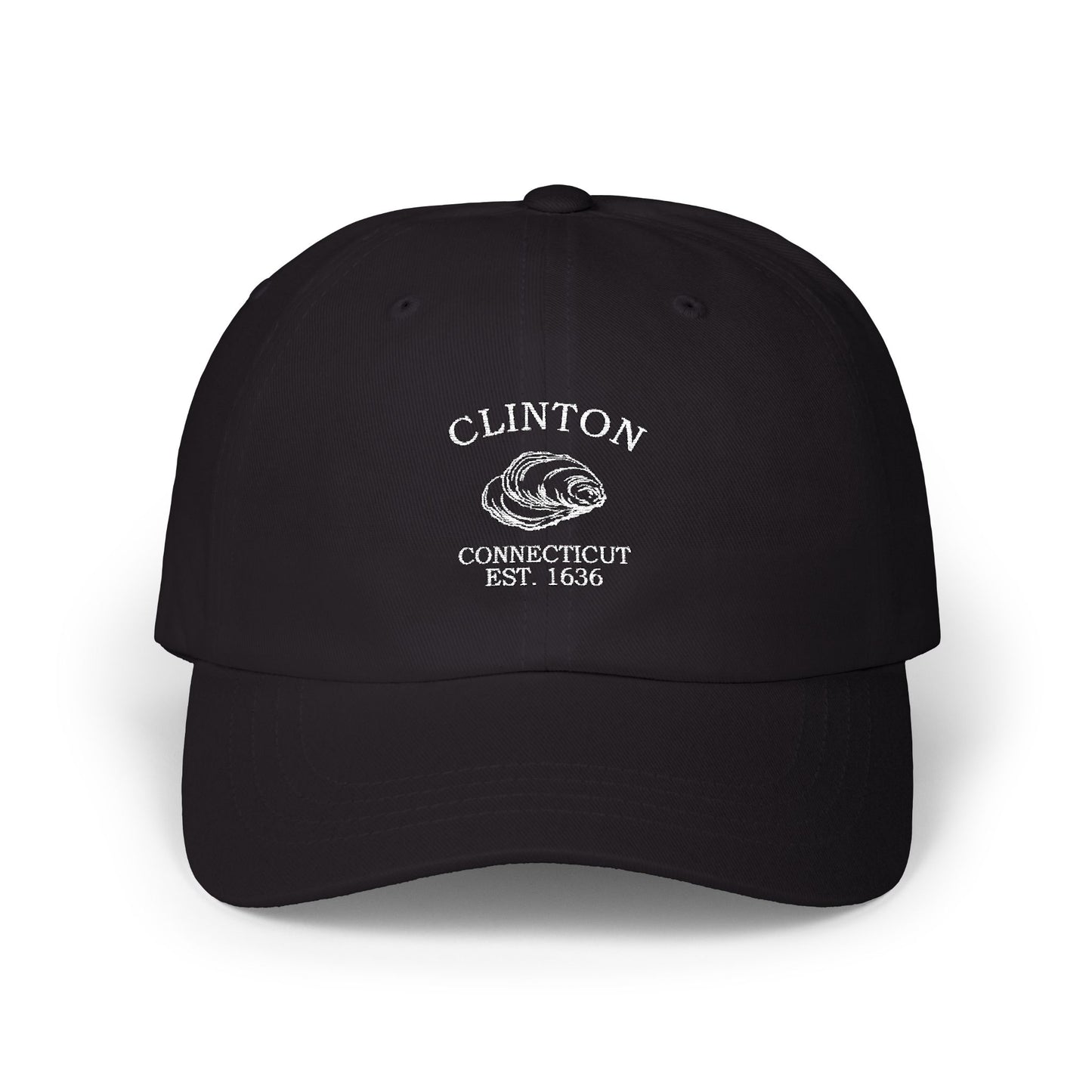
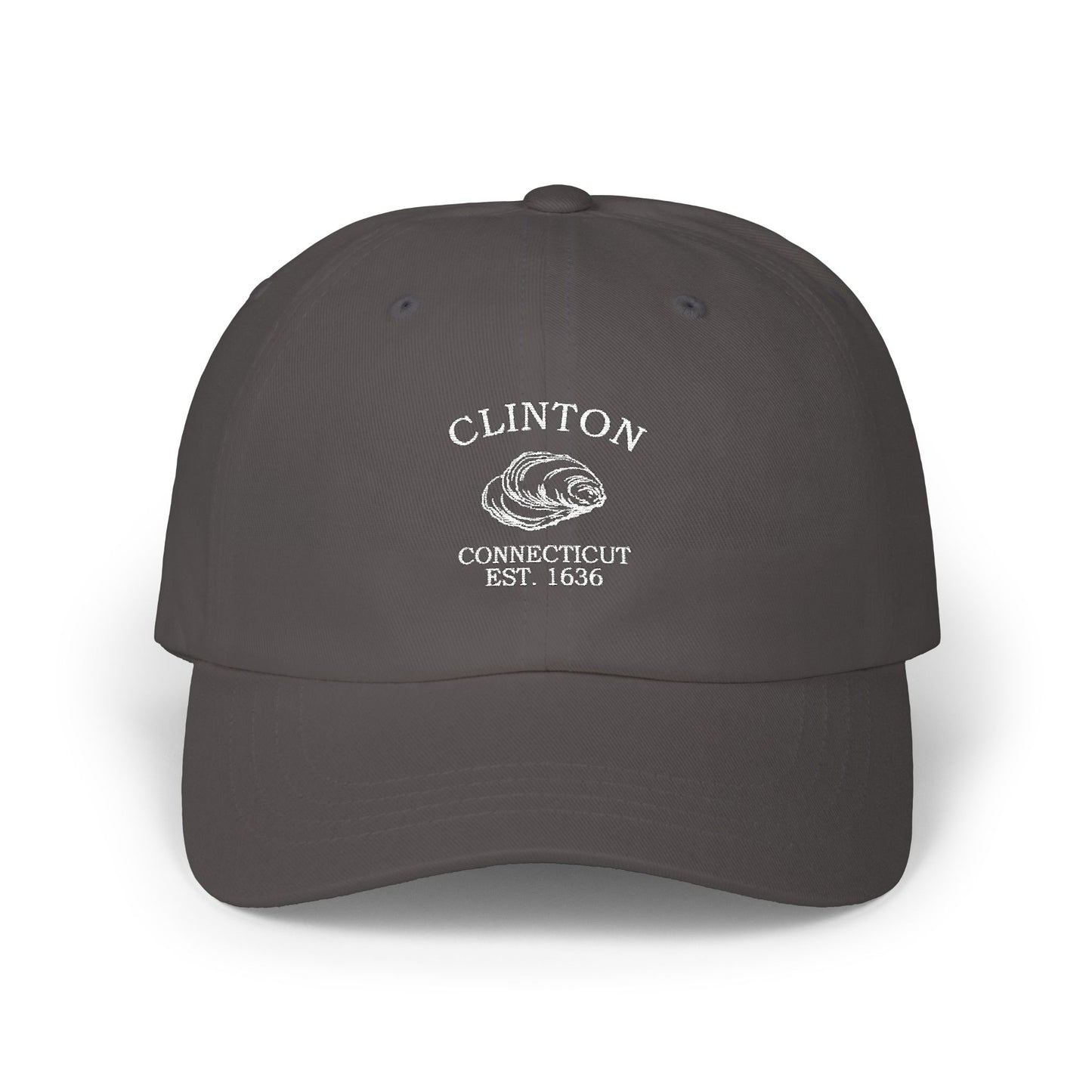

Clinton's story starts on the water. Indigenous people lived and fished along this stretch of the Connecticut shoreline for generations, drawing on the abundance of Long Island Sound and the rivers that empty into it. When English colonists arrived in the seventeenth century, they settled the same sheltered harbor for the same reason — the fish, the oysters, and the safe anchorage. Founded in 1663 as part of the Saybrook Colony, the settlement grew up around its harbor, its identity tied from the very beginning to the working water at its doorstep.
The twentieth century brought the shoreline a new role. As railroads and then highways tied the coast to the cities, Clinton — like its neighbors — grew into a shoreline suburban community, a place to live and summer as much as to work the water. Schools, neighborhoods, and beach colonies filled in through the 1950s and '60s, yet the town kept its harbor, its beaches, and its maritime traditions intact. The oyster boats never entirely went away, and the Sound remained, as ever, the center of local life.
Why People Visit Clinton
Clinton offers the Connecticut shoreline at its most relaxed — a real harbor town with beaches, marinas, and a colonial Main Street, plus the surprising distinction of being where Yale began. Visitors come for the water, the history, and the easy shoreline pace, and stay for the beaches, the harbor, and the small-town New England feel. From the Town Dock to the Town Green, it rewards an unhurried afternoon. It is briny, historic, and genuinely Connecticut.
