


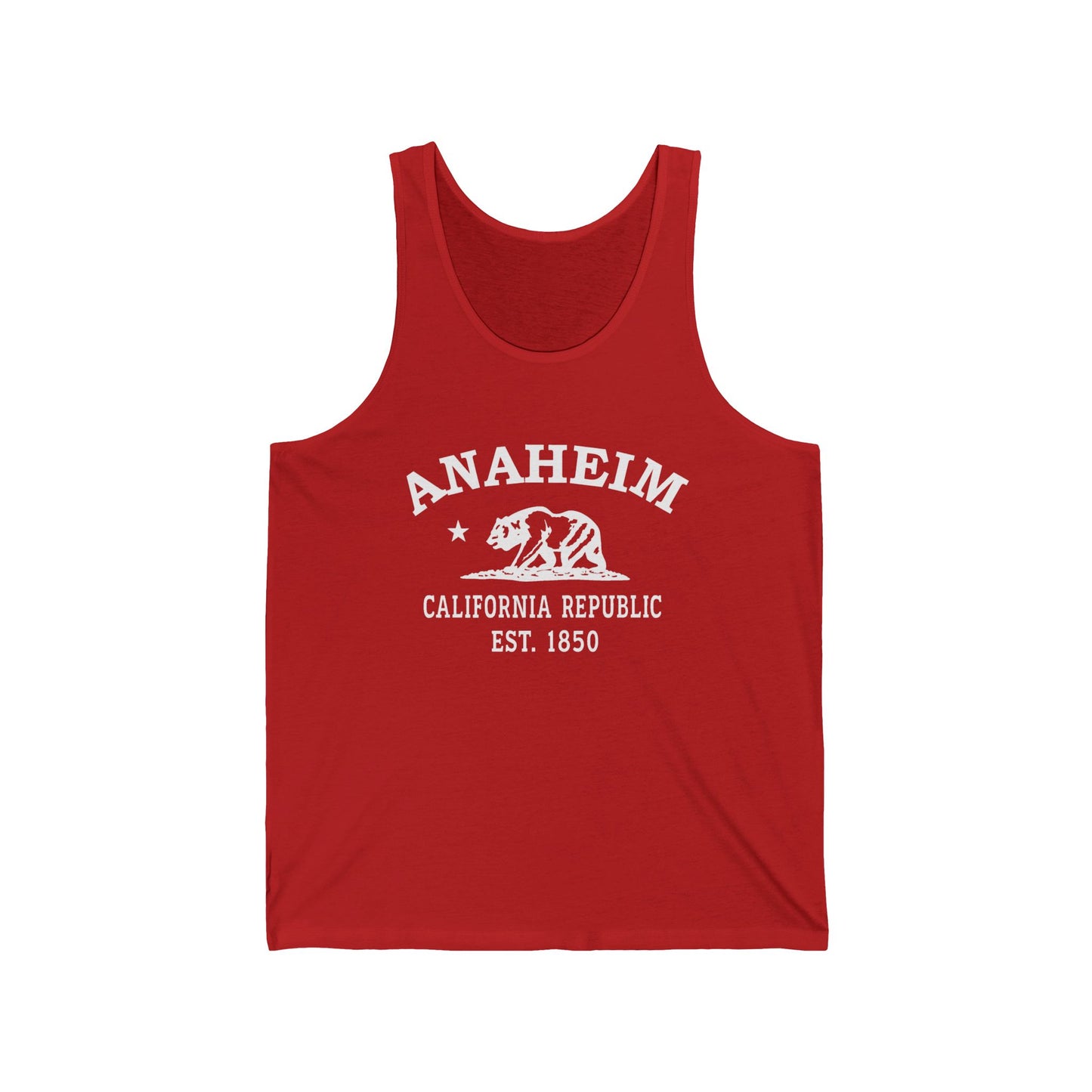
More From Anaheim California
-
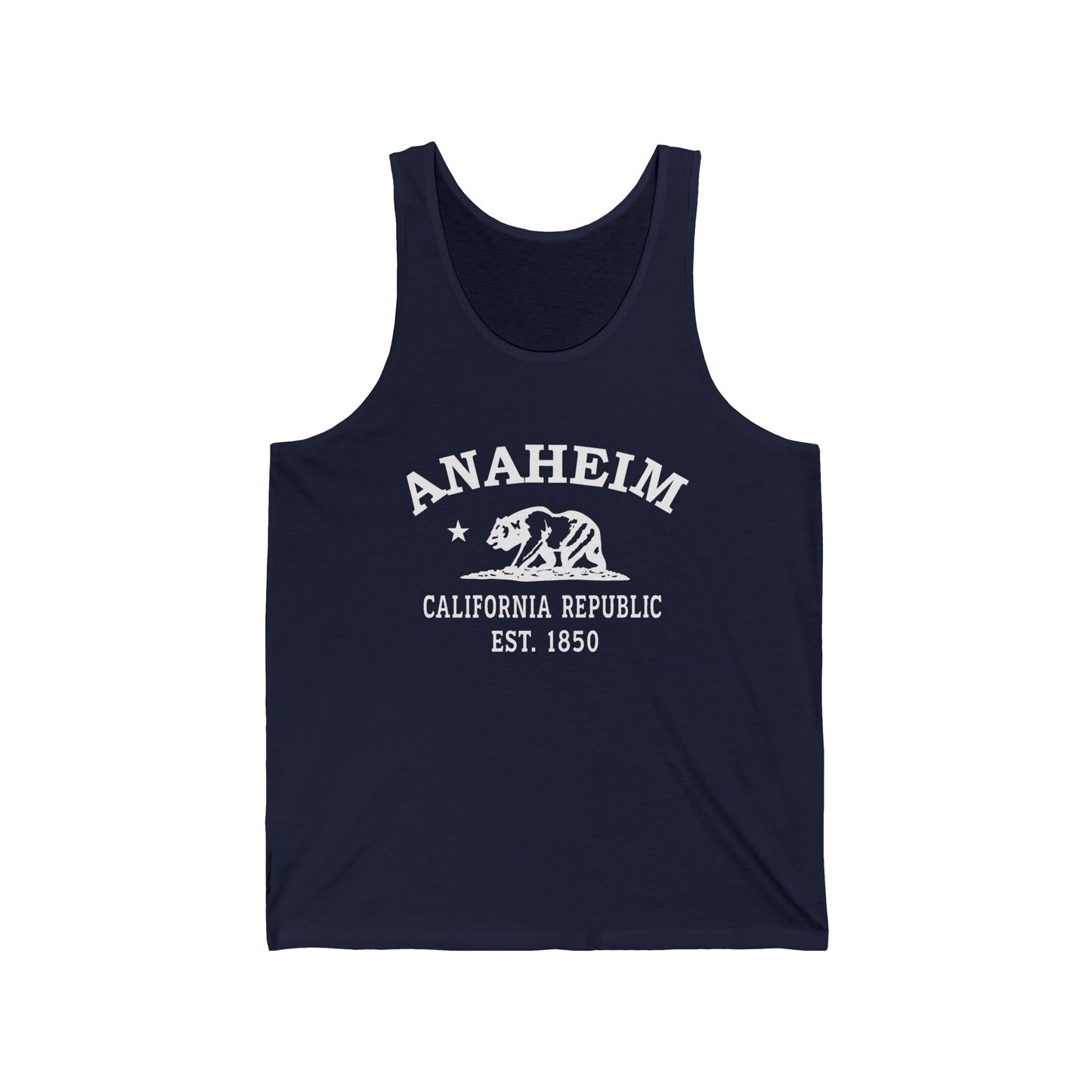
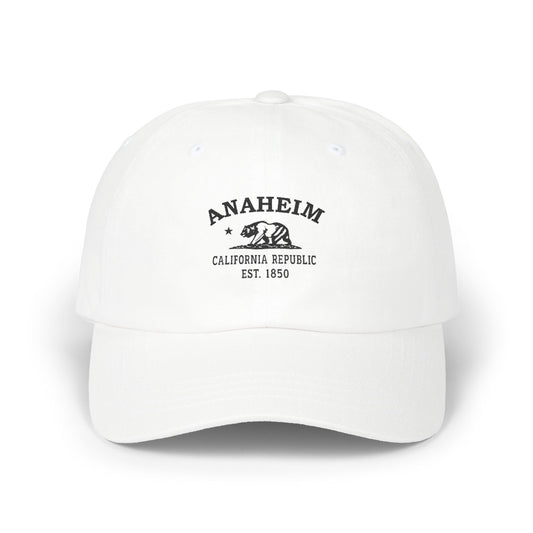
Anaheim California Vintage Retro Embroidered Cotton Cap - Black Logo
Regular price $32.00 USDRegular price -
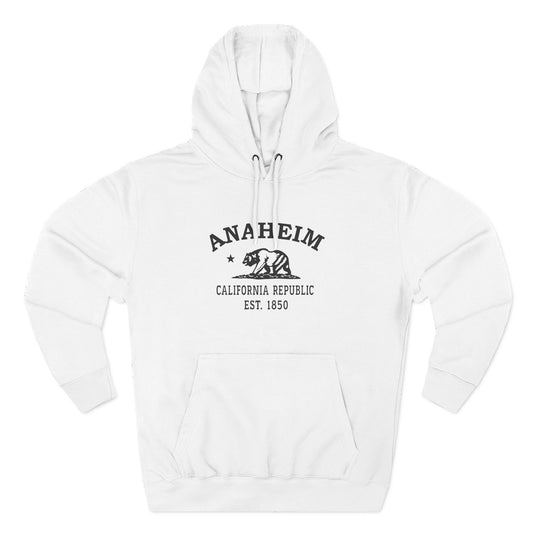
Anaheim California Vintage Retro Unisex Heavy Cotton Hoodie - Black Logo
Regular price $56.00 USDRegular price -
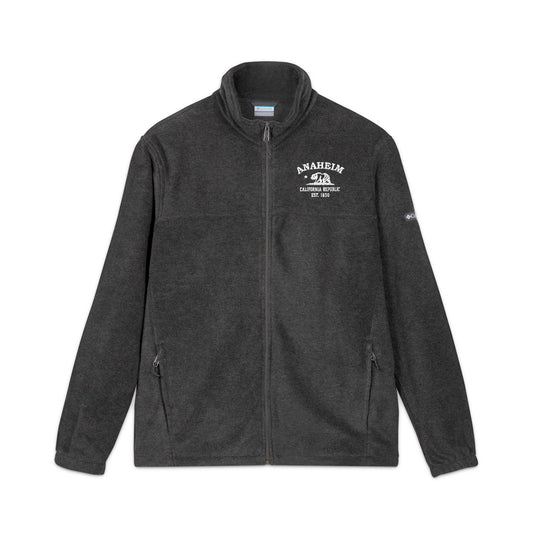
Anaheim California Vintage Retro Unisex Embroidered Fleece Jacket - White Logo
Regular price $98.00 USDRegular price -
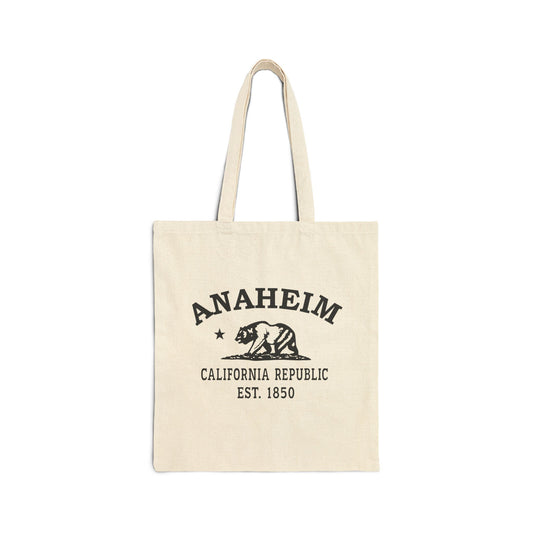
Anaheim California Vintage Retro Cotton Canvas Tote Bag - Black Logo
Regular price $28.00 USDRegular price
The valley was Tongva and Acjachemen homeland long before it was anyone's vineyard, and later part of a Mexican-era rancho. The town itself begins in 1857, when a group of German families in San Francisco pooled their money as the Los Angeles Vineyard Society and sent a surveyor named George Hansen south to lay out a colony. He divided the land into fifty twenty-acre vineyard lots and fenced the whole square mile with willow poles that took root and grew into a living wall — with gates at the north, south, east, and west ends of the two main streets. That willow-gate grid is still the bones of downtown Anaheim. They named it for the river and for home.
Before any of the famous stuff, there was a vineyard. In 1857 fifty German families stepped off a wagon road, fenced a square mile with living willow poles, and planted the biggest vineyard in California — naming their square of valley Anaheim: "Ana" for the Santa Ana River, "heim" for home. Home by the river. When a blight took the grapes they planted oranges and made the place the Valencia capital of the nation. The Mother Colony House still stands. This is the orange-grove California underneath it all — and this page tells that story.
Why People Visit Anaheim California
Most people come to Anaheim for the modern attractions — but the city rewards anyone who looks for the older layer underneath: a planned German wine colony that became an orange-grove capital, with a 19th-century museum house, a heritage park, and a downtown still shaped by a willow fence planted in 1857. It's bright, warm, and welcoming, and its real history sits quietly right alongside the famous stuff.
